
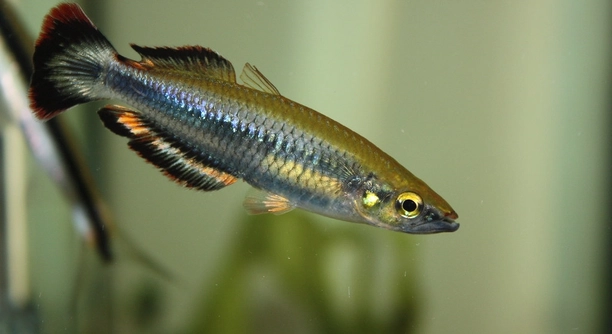
Have you ever noticed how rainbowfish move together and adapt within shared tanks, showing patterns that seem learned rather than random, shaped by daily interactions, feeding routines, and subtle signals exchanged among companions over time.
Rainbowfish demonstrate social learning through observation and shared experience. Experimental studies show individuals adopt foraging routes, predator responses, and habitat preferences after watching conspecifics, indicating behavior transfer occurs via visual cues, repetition, and group cohesion rather than individual trial alone.
These shared behaviors influence survival, social structure, and aquarium care, offering practical insight for researchers and attentive fish keepers alike.
Social Learning in Rainbowfish
Rainbowfish often live in groups where daily routines are shared and repeated. When one fish discovers a reliable food source, others soon follow the same path. This is not coincidence but a learned response shaped by observation. Studies show rainbowfish watch where others swim, when they feed, and how they react to changes. Over time, these watched behaviors become habits. In my own tanks, I have seen timid individuals become confident simply by staying close to bolder fish. They copy feeding times and preferred areas without direct prompting. This learning helps reduce stress and improves survival. It also explains why groups adapt faster than isolated fish. Social settings allow information to spread quickly, saving energy and reducing risky trial behavior. For rainbowfish, learning from each other is a quiet but powerful process that shapes how they move, eat, and settle into their environment across varied conditions and stable group settings.
Young rainbowfish appear especially responsive to group cues. They adjust swimming depth, feeding speed, and hiding choices after repeated exposure. This early learning period helps create consistent group behavior and reduces conflict, which benefits both dominant and shy individuals in shared habitats within natural and managed aquatic systems alike today.
Learning through observation also affects how rainbowfish respond to threats. When one fish reacts quickly to a shadow or sudden movement, others mirror that response almost instantly. This shared vigilance limits injury and confusion. Over time, groups refine their reactions and become more efficient. I notice calmer tanks when fish are kept in stable groups rather than mixed or frequently changed setups. Familiarity builds trust and predictable behavior. These patterns show learning is not abstract but practical. It shapes daily decisions that support safety, energy balance, and long term stability in both wild rivers and home aquariums and controlled environments.
What This Means for Care and Research
Understanding shared learning helps explain why rainbowfish thrive in groups. It also guides better tank design and research methods. Observing group behavior reveals patterns missed in isolation, making care more predictable and outcomes more consistent across different environments for keepers, scientists, and long term population management planning efforts today overall.
For aquarists, social learning means tank composition matters as much as water quality. Keeping rainbowfish in appropriate numbers allows natural behaviors to develop. New fish often adjust faster when introduced to established groups, as they observe feeding routines and safe zones. I prefer making changes slowly, since stable groups show less erratic movement. For researchers, these learning patterns highlight the importance of studying fish within social contexts. Data gathered from isolated individuals may miss key adaptive behaviors. In natural habitats, shared learning supports migration timing, predator avoidance, and resource use. These behaviors are passed visually rather than genetically, allowing fast adjustment to changing conditions. Recognizing this helps bridge aquarium observations and field studies. Rainbowfish are not acting randomly. They rely on each other to interpret their surroundings, reinforcing group cohesion. This perspective encourages more thoughtful care practices and more accurate scientific conclusions grounded in real behavioral dynamics. It also reminds me to observe quietly before intervening, allowing fish to adjust together. Patience supports healthier patterns and reduces unnecessary disruption in both home tanks and professional settings, where observation time shapes better decisions and clearer interpretations of group based learning processes over time and space consistently applied with care and intent.
Limits of Learning in Groups
Group learning has limits, especially when conditions change too quickly. Rainbowfish may copy outdated behaviors, even when better options exist. I have seen groups persist with poor feeding routes simply because the pattern was already established and reinforced through repeated social exposure. This rigidity can slow adjustment in artificial settings.
When one fish makes an incorrect choice, others may follow without testing alternatives. This shared mistake can reduce feeding efficiency or increase stress. In smaller tanks, limited space amplifies this effect. I notice dominant fish often set the tone, while quieter fish rarely explore alone. Over time, the group narrows its behavior range. This shows learning is not always beneficial. Without variation, groups may miss safer shelters or richer food areas. Balanced environments and occasional changes encourage observation without locking fish into rigid habits that no longer suit their surroundings. This balance supports adaptability while preserving social stability overall long-term.
Another limitation appears when groups are mixed too often. New arrivals disrupt established cues, leading to confusion rather than learning. I have noticed increased pacing and missed feedings after frequent rearrangements. Learning relies on consistency and time. When patterns reset repeatedly, fish struggle to decide which signals matter. Some individuals withdraw instead of observing. This does not mean learning disappears, but it becomes slower and uneven. Stable groupings allow behaviors to settle, while constant change favors stress responses over thoughtful adaptation to surroundings. I now avoid unnecessary changes to support calmer, clearer group behavior and healthier long-term adjustment overall outcomes.
Encouraging Healthy Learning
Supporting healthy learning starts with environment design. Adequate space, visual barriers, and consistent feeding locations help fish observe without crowding. I prefer gradual adjustments rather than sudden shifts. This gives the group time to process changes together. Calm lighting and predictable routines reduce noise in behavior, allowing learned responses to form steadily and with less visible stress. These small choices support confidence and shared awareness across the group during daily activity and feeding periods cycles.
Group size also matters. Too few fish limit learning opportunities, while overcrowding increases tension. Balanced numbers allow observation without constant competition. When introducing new fish, matching size and temperament reduces disruption. I have better results when newcomers arrive in pairs rather than alone. This softens social pressure and encourages quicker adjustment. Consistency in care supports learning over time. Feeding at similar hours and maintaining stable layouts reinforce shared expectations. Learning then becomes a support system instead of a source of confusion. With patience, rainbowfish show calm coordination that reflects trust built through repeated, shared experience. I find these patterns rewarding to observe, as behavior becomes smoother and less reactive across weeks when conditions remain stable and social signals stay clear for every fish involved consistently.
Observation Versus Exploration
I have noticed rainbowfish rely more on observation than exploration when stressed. During tank changes, they pause, watch dominant swimmers, and follow established paths. This behavior reduces immediate risk but can delay discovery of better shelter or food areas until stability returns again within groups over time and shared routines.
Personal observation shows learning weakens when individuals are isolated. A single rainbowfish often hesitates longer and reacts late to feeding cues. Without visual signals from others, decisions become slower and less consistent, increasing stress and reducing overall confidence in unfamiliar or changing environments over extended periods of adjustment and observation.
Value in Scientific Study
Research settings benefit from recognizing shared learning patterns. Group based observation reveals behavioral transfer that individual testing misses. When rainbowfish are studied together, responses stabilize faster and data becomes clearer. I find this approach mirrors real conditions better. Social context shapes feeding speed, movement routes, and threat response. Ignoring these factors leads to incomplete conclusions. Controlled group studies allow researchers to track how behaviors spread and settle. This improves accuracy and welfare standards. It also helps align laboratory results with aquarium observations and field data, creating more reliable interpretations of rainbowfish behavior overall across varied research conditions and time frames.
Practical Takeaways
Applying these insights at home encourages calmer tanks. Stable groups, consistent layouts, and patient observation support learning without pressure. I rely on routine rather than correction. Over time, shared behavior becomes smoother, feeding improves, and the fish appear more settled and responsive to their environment during daily care routines consistently.
FAQ
Do rainbowfish really learn by watching other fish?
Yes, rainbowfish learn through observation. When one fish discovers food, shelter, or a safe route, others often follow the same behavior. I have watched new fish copy swimming paths within days. This learning relies on visual cues and repetition rather than direct interaction. Over time, these shared behaviors become stable habits that guide daily movement and feeding patterns.
Is social learning stronger in groups than alone?
Social learning is much stronger in groups. A lone rainbowfish must rely only on trial and error. In groups, information spreads quickly. I notice faster feeding responses and calmer behavior when fish are kept together. Group presence reduces hesitation and supports quicker adjustment to changes in the environment.
Can rainbowfish learn incorrect behaviors from each other?
Yes, they can. If a dominant fish chooses a poor feeding spot, others may copy it without testing alternatives. I have seen groups ignore better food placement because they followed an established pattern. This shows learning is not always optimal. It depends on the quality of the behavior being copied.
Does age affect how rainbowfish learn?
Younger rainbowfish tend to learn faster through observation. They adjust swimming depth and feeding speed quickly after watching others. Older fish still learn but may rely more on past habits. I find younger groups adapt better to new layouts, while older groups prefer stability and repetition.
How does tank size influence learning behavior?
Tank size matters a lot. In cramped spaces, fish have fewer options to explore. This limits learning variety. Larger tanks allow multiple routes and shelters, encouraging observation and choice. I see better balance when fish have room to watch without crowding, which reduces stress and rigid behavior patterns.
Do rainbowfish learn feeding schedules from each other?
They do. Feeding times become predictable when one fish reacts first. Others follow within seconds. I notice this clearly when feeding at the same hour daily. Even shy fish emerge once they see others eat. This shared timing supports consistent intake and reduces wasted food.
Can frequent tank changes disrupt learning?
Frequent changes disrupt learning significantly. When layouts shift often, fish struggle to decide which cues matter. I observe more pacing and hesitation after repeated rearrangements. Learning depends on consistency. Stable conditions allow behaviors to settle and become reliable over time.
Is group learning helpful for stress reduction?
Yes, shared learning reduces stress. Fish rely on group cues instead of constant scanning. I notice smoother swimming and fewer sudden movements in stable groups. Knowing where to go and when to feed lowers energy use and supports calmer daily behavior.
Do rainbowfish learn predator responses socially?
They do. When one fish reacts to a perceived threat, others copy instantly. This mirroring limits confusion. Over time, groups refine these responses. I see fewer panic reactions in tanks where fish have stayed together longer, showing learned coordination.
Should new rainbowfish be added alone or in groups?
Adding them in small groups works better. Single fish often withdraw and learn slowly. When added with companions, they observe and adjust faster. I prefer pairs or small sets, as this reduces pressure from established fish and supports quicker integration.
Does lighting affect learning behavior?
Lighting affects visibility, which impacts observation. Harsh or uneven lighting can confuse cues. I use soft, consistent lighting so fish can clearly see movement. This supports accurate learning and reduces startled reactions during normal activity.
Are dominant fish more influential in learning?
Dominant fish often set patterns. Others watch them closely. This influence can be helpful or limiting. I pay attention to dominant behavior because it shapes group habits. Adjusting feeding placement sometimes requires guiding these fish first.
Can learning improve long term health?
Yes, learned routines support regular feeding and reduced stress. These factors influence immune response and energy balance. I notice healthier coloration and steadier activity in groups with stable, learned behaviors compared to frequently disrupted tanks.
Is social learning genetic or environmental?
Social learning is environmental. It depends on observation, not inheritance. This allows rapid adjustment to new conditions. I find this flexibility one of the most interesting traits of rainbowfish, as behavior can shift within weeks rather than generations.
Do rainbowfish stop learning once routines form?
They continue learning, but at a slower pace. Once routines are set, changes take longer to adopt. I introduce adjustments gradually so observation can occur without stress. This keeps learning active without forcing sudden shifts.
How can keepers support positive learning?
Consistency is key. Stable groups, predictable feeding, and minimal disruption help learning remain useful. I rely on observation before making changes. Allowing fish time to adjust together leads to calmer behavior and better overall outcomes in shared tanks.
Final Thoughts
Rainbowfish show that learning does not always require direct experience. Through observation, repetition, and shared routines, they build patterns that guide daily behavior. These patterns influence where they swim, how they feed, and how they respond to change. What stands out most is how quiet this process is. There is no obvious signal when learning happens, yet its effects are visible over time. Groups become calmer, movements smoother, and reactions more consistent. I have come to appreciate how much stability matters. When conditions remain steady, fish rely less on constant alertness and more on shared cues. This allows energy to be used for growth and balance rather than stress. Learning becomes a background process that supports the group without drawing attention to itself. This perspective helps shift focus from constant adjustment to careful observation and patience.
Social learning also highlights the importance of context. Behavior does not exist in isolation. Each action is shaped by what others do nearby. This makes group composition, space, and routine more meaningful than they first appear. Small changes can have wide effects when they influence shared behavior. I have learned that intervening too quickly can interrupt useful patterns before they settle. Allowing time for fish to observe and adjust together often leads to better outcomes than direct correction. This does not mean avoiding care or structure. It means applying it thoughtfully. Learning works best when fish feel secure enough to watch rather than react. Consistent lighting, predictable feeding, and stable layouts support this process. Over time, these choices reduce erratic movement and missed feeding opportunities. They also make behavior easier to read, which benefits long term care.
Looking at rainbowfish through the lens of learning encourages a slower approach. Instead of focusing only on immediate results, it becomes easier to notice gradual improvement. Behavior today may reflect experiences from weeks earlier. This long view helps explain why sudden changes can feel disruptive and why calm routines matter. I find that watching without rushing to act often reveals patterns worth preserving. Rainbowfish do not need constant guidance. They need conditions that allow learning to unfold naturally. When that happens, group behavior becomes more coordinated and predictable. This balance supports health, reduces stress, and creates a more stable environment overall. Paying attention to how fish learn from each other adds depth to everyday care and reinforces the value of patience, consistency, and quiet observation over time.

Hello,
If you enjoy the content that we create, please consider saying a "Thank You!" by leaving a tip.
Every little bit helps us continue crafting quality advice that supports the health, happiness, and well-being of pets around the world, for pets of all shapes, sizes, and species.
We really appreciate the kindness and support that you show us!