
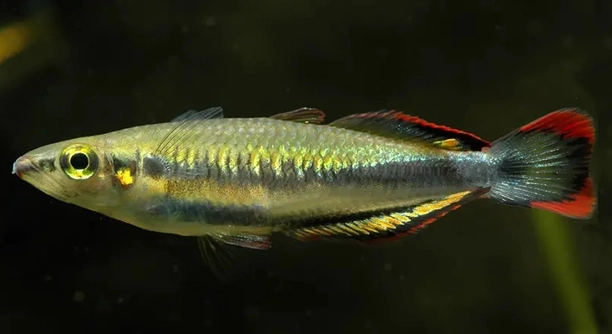
Slow swimming in rainbowfish can signal subtle changes in health or environment. As a keeper, noticing reduced speed or energy matters, because these fish usually move with steady grace and lively confidence within home aquariums.
Slow swimming in rainbowfish is most commonly caused by poor water quality, inadequate nutrition, stress, illness, aging, improper tank conditions, or temperature imbalance. These factors impair muscle function, oxygen intake, and overall metabolism, resulting in reduced movement and endurance levels.
By examining each cause closely, practical adjustments become clearer, supporting healthier behavior and restoring the natural swimming patterns rainbowfish display.
Poor Water Quality
Water quality plays a major role in how rainbowfish move and behave each day. When waste builds up, toxins like ammonia and nitrite irritate gills and reduce oxygen absorption. I have seen fish become noticeably slower when regular testing was skipped for even a short time. Cloudy water, strong odors, and excess debris often appear alongside sluggish swimming. Poor filtration, infrequent water changes, and overstocking can quickly overwhelm a tank system. Rainbowfish are active by nature, so compromised water conditions place constant strain on their bodies. This stress forces them to conserve energy, leading to slower movements and less interaction. Maintaining stable parameters supports muscle function and keeps their swimming patterns smooth, balanced, and consistent throughout the day. Consistent monitoring and simple maintenance routines create a safer environment where rainbowfish regain strength, show brighter colors, and swim with the steady pace expected in well-kept home aquariums over long periods consistently.
Testing water weekly helps catch problems early before swimming slows. Clean filters gently, avoid overfeeding, and perform partial water changes regularly. These habits reduce buildup and support oxygen levels, allowing rainbowfish to remain active, responsive, and visibly healthier over time within stable, properly maintained aquarium conditions daily without parameter swings.
When water quality improves, changes in behavior are often noticeable within days. Swimming becomes smoother, and fish begin exploring the tank again. From personal experience, consistency matters more than perfection. Small, regular actions prevent sudden shifts that stress rainbowfish. Stable water supports immune response, reduces fatigue, and improves appetite. Over time, this foundation allows other care adjustments to work effectively. Without clean water, even ideal feeding or tank setups cannot fully restore normal movement. Prioritizing water conditions keeps recovery steady and supports long-term activity. This approach creates balance and reliability that benefit rainbowfish throughout different life stages in captivity settings.
Inadequate Nutrition
Nutrition directly affects energy levels and muscle strength in rainbowfish. Diets lacking variety or key nutrients can lead to weakness and slower swimming. Feeding low-quality flakes alone often fails to meet their needs, especially in active community tanks where competition for food reduces consistent intake over time and causes imbalance.
Rainbowfish thrive on a balanced diet that includes high-quality flakes, pellets, and occasional frozen or live foods. Protein supports muscle movement, while vitamins aid metabolism and endurance. When meals lack these elements, fish conserve energy by swimming less. I noticed improvement after adjusting portions and rotating food types across the week. Overfeeding should also be avoided, as it leads to waste buildup and digestive stress. Smaller, consistent feedings allow better nutrient absorption and steadier energy. Color often improves alongside movement, which is a helpful visual sign. Nutrition works closely with water quality, so both must be addressed together. A thoughtful feeding routine strengthens overall health and helps rainbowfish maintain their natural, active swimming behavior. Skipping meals or relying on a single food source creates gaps that affect stamina over time. Young and mature rainbowfish benefit from slight adjustments based on size, activity, and tank dynamics. Observation during feeding helps ensure each fish eats properly without excessive competition or stress. Consistent nutrition planning reduces long-term issues, supports steady growth, and keeps swimming behavior aligned with healthy, natural patterns seen in well-cared-for aquarium populations. This stability makes daily care easier and improves overall confidence in fishkeeping routines for long-term success and consistency.
Stress and Environmental Pressure
Stress slows rainbowfish quickly and often goes unnoticed. Sudden changes, aggressive tank mates, loud surroundings, or frequent handling force fish to stay alert. This constant pressure drains energy, causing reduced movement, hiding behavior, and slower swimming throughout the tank over time without obvious physical signs present in home aquariums daily.
Chronic stress affects breathing, digestion, and immune response, making rainbowfish conserve energy. I have seen fish remain near corners or hover in place when stressed. Poor hiding spaces, overcrowding, and constant lighting increase discomfort. Rearranging decor too often can also disrupt their sense of safety. Stress does not always cause immediate illness, but it weakens the body gradually. Over time, swimming slows as muscles tire faster. Reducing noise, adding plants, and choosing compatible tank mates creates a calmer environment that supports natural movement and healthier daily activity levels for rainbowfish in home aquariums consistently over long periods of care routines.
Managing stress requires consistency rather than constant adjustment. Stable schedules for feeding and lighting help fish relax. I prefer minimal interference once the tank feels balanced. Observation is useful, as changes in swimming often appear before visible stress signs. Addressing stress early prevents further decline. When rainbowfish feel secure, their swimming becomes stronger and more confident. This improvement reinforces how emotional well-being plays a role in physical movement. A calm environment allows energy to be used for swimming instead of survival, supporting steady behavior long term within captive tanks maintained with thoughtful routines and consistent care practices over time daily.
Illness and Disease
Illness often causes noticeable slowing as the body redirects energy toward healing. Bacterial infections, parasites, and internal issues affect stamina and balance. I have noticed subtle signs like clamped fins or uneven swimming. Appetite loss usually follows. Without prompt attention, movement continues to decline and may lead to isolation at the bottom of the tank over time in untreated cases affecting overall health and daily activity levels significantly for rainbowfish kept in aquariums long term.
Early detection matters when illness affects swimming. Sluggish movement is often paired with rapid breathing or surface hovering. Testing water first helps rule out environmental causes. If conditions are stable, close observation becomes critical. Separating affected fish prevents spread and reduces stress. Treatment depends on symptoms, but acting quickly improves recovery. I learned that waiting rarely helps. Even mild infections worsen without care. Supporting the immune system through clean water and proper feeding strengthens response. While medication can help, stability and patience are just as important. Restoring health gradually brings swimming speed back to normal levels over time with consistent monitoring and adjusted care routines suited to specific conditions present in home aquariums housing rainbowfish long term safely and responsibly without delay or neglect issues.
Aging and Natural Decline
Aging naturally slows rainbowfish as muscle strength and endurance decrease over time. Older fish rest more, react slower, and prefer calmer areas of the tank. I notice this gradual shift rather than sudden change, which helps separate age-related slowing from health or environment problems that develop steadily during later life.
Supporting aging fish means adjusting expectations and care. Softer flow, easy access to food, and fewer fast tank mates reduce strain. I focus on stability instead of stimulation. With gentle conditions, older rainbowfish still move comfortably and maintain quality of life without unnecessary stress as their needs change with age.
Improper Tank Conditions
Tank setup directly affects swimming ability. Strong currents, limited space, or poor layout force rainbowfish to work harder than necessary. I have seen constant flow exhaust fish that prefer open swimming lanes. Sharp decor and cramped tanks limit movement and increase stress. Rainbowfish need horizontal space, moderate flow, and visual breaks like plants. When tanks are too small or cluttered, swimming becomes cautious and slow. Adjusting flow direction, upgrading tank size, and simplifying decor can restore comfort. Proper conditions allow natural movement patterns and prevent energy loss caused by constant correction and avoidance behaviors that develop in poorly planned aquariums.
Temperature Imbalance
Temperature affects metabolism and muscle response. When water is too cold, movement slows noticeably. Excess heat also causes fatigue and oxygen stress. I rely on stable heaters and thermometers. Keeping temperatures consistent within recommended ranges supports steady swimming and prevents unnecessary energy loss that often follows sudden or prolonged fluctuations.
FAQ
Why is my rainbowfish swimming slowly but still eating?
Slow swimming with a normal appetite often points to mild stress or early environmental issues rather than serious illness. I have seen this happen when water quality starts slipping or when tank dynamics change. Eating shows the digestive system is still functioning well, but movement may slow as energy is conserved. Testing water parameters is the first step. Even small increases in waste can affect activity before appetite changes. If water is stable, look at flow, lighting, and tank mates. Minor stressors often show up in swimming behavior first. Addressing these early usually restores normal movement without further intervention.
Can poor water quality slow rainbowfish even if the tank looks clean?
Yes, clear water does not always mean healthy water. Invisible toxins like ammonia or nitrite can rise quickly, especially after overfeeding or filter disruption. I learned this the hard way after cleaning a filter too aggressively. The tank looked spotless, but fish became sluggish within days. Regular testing matters more than appearance. Rainbowfish rely on efficient gill function, and poor water affects oxygen intake. Even brief exposure can cause slower swimming. Consistent testing and gentle maintenance prevent these issues and support stable activity levels.
How long does it take for rainbowfish to recover normal swimming?
Recovery time depends on the cause. Mild water or stress issues often improve within a few days once corrected. I usually notice stronger swimming within a week when conditions stabilize. Nutrition-related issues may take longer, especially if deficiencies developed over time. Illness recovery varies and requires patience. The key is consistency. Avoid making multiple changes at once. Gradual improvement is normal. Sudden recovery is rare, but steady progress shows care adjustments are working.
Does tank size affect how fast rainbowfish swim?
Tank size plays a major role in swimming behavior. Rainbowfish are active and need horizontal space. In smaller tanks, they limit movement to avoid obstacles. I noticed a clear difference after upgrading to a longer tank. Swimming became smoother and more confident. Limited space forces constant turning, which slows overall movement. Adequate tank size allows natural pacing and reduces stress. Even healthy fish appear slower when confined. Space supports both physical strength and mental comfort.
Can stress alone cause slow swimming without other symptoms?
Yes, stress can reduce movement without visible illness. Loud environments, aggressive tank mates, or frequent changes create constant alertness. I have seen fish slow down simply from repeated decor rearranging. Stress drains energy, so swimming becomes minimal. Over time, this can lead to health issues if ignored. Reducing stress restores movement gradually. Calm surroundings and predictable routines help fish relax and swim normally again.
Is slow swimming always a sign of illness?
Slow swimming is not always linked to disease. Aging, mild stress, or temporary temperature changes can all affect speed. I try not to assume illness immediately. Observation helps determine patterns. If slow swimming is paired with appetite loss, clamped fins, or breathing changes, illness becomes more likely. Otherwise, environment and care routines should be reviewed first. Acting methodically prevents unnecessary treatment and stress.
How does temperature impact rainbowfish swimming speed?
Temperature directly affects metabolism. Cooler water slows muscle response, while warmer water increases energy use and fatigue. I keep a close eye on heater performance because fluctuations happen quietly. Even a few degrees outside the ideal range can reduce movement. Stable temperature supports consistent swimming. Sudden changes often cause temporary lethargy. Gradual adjustments are safer and help fish adapt without stress.
Should I separate a slow-swimming rainbowfish from the tank?
Separation depends on the cause. If illness is suspected, isolation helps prevent spread and reduces stress. I only separate fish when clear symptoms appear. For stress or aging, separation may increase anxiety. Observation in the main tank is often better. Use judgment based on behavior, appetite, and tank dynamics. Isolation is a tool, not a default solution.
Can feeding changes improve swimming speed?
Yes, nutrition strongly affects energy levels. Poor diet leads to weakness over time. I noticed improved movement after adding protein-rich foods and rotating meals. Overfeeding should be avoided, but underfeeding is equally harmful. Balanced nutrition supports muscle strength and endurance. Improvements are gradual but noticeable with consistent feeding habits.
Why does slow swimming often appear before other problems?
Swimming requires coordination, oxygen, and energy. When something is off, movement is often the first thing affected. I rely on swimming behavior as an early signal. Changes here allow early correction before serious issues develop. Watching how fish move daily provides valuable insight into overall tank health and long-term stability.
Final Thoughts
Slow swimming in rainbowfish is rarely random. It usually reflects a change in health, environment, or daily care that builds over time. Paying attention to movement patterns offers valuable insight before more serious problems appear. I have found that observing small shifts, such as shorter swimming bursts or longer resting periods, helps identify issues early. Rainbowfish are naturally active, so reduced motion stands out when compared to their usual behavior. Addressing causes one at a time prevents unnecessary stress and confusion. Stable water quality, proper nutrition, and a calm environment form the base of consistent movement. When these needs are met, rainbowfish are better equipped to handle minor changes without visible decline. Slowing down should be seen as communication rather than failure. It signals that something needs adjustment, not that recovery is out of reach. A steady approach supports improvement without overwhelming the fish.
Consistency remains the most effective tool in maintaining healthy swimming behavior. Sudden changes, even well intentioned ones, often create more problems than they solve. I prefer making small, controlled adjustments and then allowing time for observation. Rainbowfish respond best when conditions remain predictable. This applies to lighting, feeding, tank maintenance, and interaction. A balanced routine supports energy levels and reduces unnecessary strain. It is also important to remember that not every rainbowfish will move at the same pace, especially as they age. Slower swimming does not always mean something is wrong. Understanding individual behavior helps separate natural changes from preventable issues. Care improves when expectations are realistic and based on observation rather than comparison to ideal behavior seen elsewhere.
Long-term success comes from patience and awareness rather than constant intervention. Rainbowfish thrive when their environment feels stable and supportive. Once basic needs are met, their behavior often regulates itself. I have learned that reacting too quickly can sometimes delay improvement. Allowing time for recovery is just as important as making corrections. Over time, patterns become easier to recognize, and care decisions feel more confident. Healthy swimming reflects overall balance within the tank. When movement improves, it usually signals that the system as a whole is functioning well. Maintaining that balance supports not only swimming speed but also color, appetite, and interaction. A thoughtful, steady care routine creates conditions where rainbowfish can move comfortably and consistently throughout their lives.

Hello,
If you enjoy the content that we create, please consider saying a "Thank You!" by leaving a tip.
Every little bit helps us continue crafting quality advice that supports the health, happiness, and well-being of pets around the world, for pets of all shapes, sizes, and species.
We really appreciate the kindness and support that you show us!