
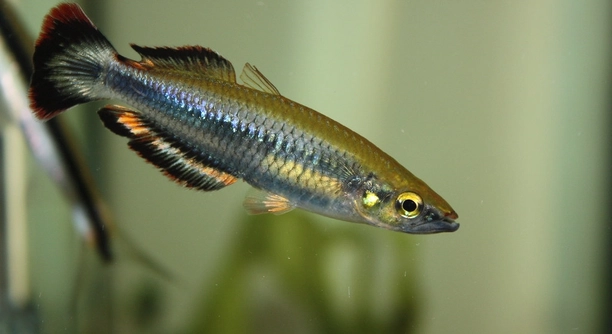
Introducing new tank mates can be exciting, yet it often brings unexpected moments. Observing how each fish adjusts to its new environment can reveal behaviors you might not have anticipated at all.
Fish can exhibit a range of unusual reactions when introduced to new tank mates. These behaviors include hiding, aggressive displays, social withdrawal, sudden changes in feeding, territorial marking, playful interactions, or even mimicking other fish, depending on species and environment.
These reactions can provide valuable insight into your tank’s social dynamics and help maintain harmony among all aquatic residents.
Hiding and Avoidance
When new fish are added to a tank, some may immediately seek hiding spots. This is often a stress response, especially in timid species. Hiding can occur behind decorations, plants, or under rocks. Over time, as fish grow accustomed to the presence of newcomers, these hiding periods typically shorten. Tank layout can influence this behavior; providing enough cover helps reduce stress. Observation is key—if a fish hides continuously, it may indicate fear or discomfort. Stress can affect feeding habits and health, so monitoring is essential. Adjusting the environment or rearranging decorations can help create more comfortable territories. Some fish naturally prefer solitary spaces and may hide even in a well-settled tank. Sudden movement, bright lighting, or aggressive tank mates can prolong hiding behavior. Patience and careful observation often lead to a calmer, more balanced aquarium, helping all fish feel secure.
Hiding is a natural response to stress, but consistent avoidance may signal ongoing discomfort or conflict in the tank.
Creating safe zones with plants and structures helps fish feel secure, reducing stress and improving overall behavior in the aquarium.
Aggressive Displays
Aggression can appear as chasing, nipping, or flaring fins when new tank mates arrive. Dominant fish may assert control over territories or feeding areas. Observing these displays early is crucial to prevent injury. Aggressive behavior often spikes in the first few days as fish establish social hierarchies. Some species naturally display territorial tendencies, while others react based on size or color differences. Environmental factors such as tank size, hiding spaces, and water parameters influence aggression levels. Overcrowding amplifies conflicts, so maintaining an appropriate population is essential. Introducing fish gradually, or using a tank divider temporarily, can minimize direct confrontations. Stress from aggression can weaken immunity and reduce feeding, so addressing it promptly improves overall tank health. Balanced social groupings, compatible species, and strategic placement of decorations help manage aggressive tendencies and create a stable environment. Regular observation ensures all fish remain healthy and safe while settling in.
Social Withdrawal
Some fish isolate themselves after new tank mates arrive, spending long periods alone in corners or behind plants. This withdrawal can be a coping mechanism for stress or fear, and it often occurs in more passive species adjusting to a new social hierarchy.
Social withdrawal is common when a timid fish feels overwhelmed by more active or aggressive newcomers. These fish may reduce their swimming activity, avoid feeding areas, and minimize interaction with others. Providing adequate hiding spots and gentle lighting can encourage them to re-engage at their own pace. Monitoring for prolonged isolation is important, as extended withdrawal may lead to reduced appetite, slower growth, or vulnerability to illness. Ensuring compatible tank mates and maintaining stable water conditions helps passive fish regain confidence. Over time, many withdrawn fish gradually reintegrate, but patience and observation remain essential for a healthy tank environment.
In some cases, social withdrawal can indicate stress beyond tank mate introduction. Illness, poor water quality, or sudden environmental changes may exacerbate isolation, so addressing these factors promptly improves overall fish well-being and encourages natural behavior.
Sudden Changes in Feeding
New tank mates can trigger shifts in feeding behavior, from overconsumption to complete refusal to eat. Fish may feel threatened at feeding times, causing inconsistent patterns or territorial disputes around food.
Feeding changes often reflect the stress of adapting to new social dynamics. Some fish may compete aggressively for food, while others retreat and eat less. Adjusting feeding routines, such as spreading food across multiple areas or feeding smaller amounts more frequently, can reduce conflict. Observation helps identify which fish need extra support or supplemental feeding. Over time, most fish regain regular feeding habits as they grow comfortable with the presence of newcomers and settle into their roles within the tank’s hierarchy.
Maintaining a consistent schedule and providing diverse food options helps minimize feeding stress. Watching fish carefully ensures that each individual receives enough nutrition, supporting their health during the adjustment period.
Territorial Behavior
Fish often defend specific areas when new tank mates arrive. They may stake out corners, decorations, or plants, chasing others away to protect their space.
Territorial behavior can appear as sudden aggression or persistent guarding of favorite spots. Providing multiple hiding areas helps reduce conflicts and allows fish to establish personal zones without constant stress.
Playful Interaction
Some fish respond to new tank mates with curious and playful behaviors. They may follow, swim alongside, or mimic movements, showing interest rather than aggression.
Playful interaction encourages social engagement and can reduce tension in a tank. Fish that display this behavior often adapt quickly to new companions, helping maintain a balanced community.
Mimicking Other Fish
Certain species observe and imitate behaviors of newcomers. This can include copying swimming patterns, feeding habits, or territorial displays.
Mimicking helps fish learn social cues and adjust to the tank’s dynamics. It supports adaptation and can improve cohesion among different species over time.
How long does it take for fish to adjust to new tank mates?
Adjustment periods vary depending on species, temperament, and tank setup. Some fish adapt within a few hours, while others may take weeks to feel comfortable. Passive or timid species generally need more time, especially if the newcomers are larger or more aggressive. Observation during this period is important to detect stress, aggression, or withdrawal. Providing hiding spots, plants, and decorations can accelerate adaptation, allowing fish to establish personal territories safely. Maintaining stable water conditions and consistent feeding schedules also supports a smoother transition. Patience is key, as forcing interaction often increases tension and stress.
Why does my fish hide constantly after adding new tank mates?
Hiding is a common stress response when fish feel threatened or uncertain. Timid species naturally seek cover to feel safe, and constant hiding may indicate fear of aggressive tank mates. Lack of proper shelter can make this behavior worse. Rearranging decorations or adding plants can create more secure zones. Monitor their feeding and health closely; prolonged hiding combined with reduced appetite may indicate stress that could affect immune function. Gradual acclimation, along with observing tank dynamics, helps fish regain confidence and participate more actively in the community over time.
What can cause sudden aggression in my fish?
Aggression often arises from territorial instincts, competition for food, or stress from overcrowding. Dominant species assert control over preferred areas, chasing or nipping newcomers. Inconsistent tank layouts or insufficient hiding spaces can amplify these behaviors. Temporary dividers or rearranged decorations can reduce conflict by providing separate zones. Over time, fish establish a hierarchy, which usually stabilizes aggressive interactions. Maintaining proper population density and compatible species reduces long-term stress. Monitoring behavior regularly ensures no fish are injured or excluded from feeding opportunities. Aggression tends to peak in the first few days but generally declines as boundaries are established.
Why is my fish refusing to eat with new tank mates?
Feeding changes are a natural reaction to new social dynamics. Some fish may feel intimidated by others and avoid feeding areas, while more dominant fish may monopolize food. Offering smaller, frequent feedings in multiple locations encourages all fish to eat. Using sinking or floating foods based on species preferences helps reduce competition. Close observation ensures no fish are left hungry. Over time, most fish regain normal feeding patterns once they feel secure and understand their position in the tank hierarchy. Patience and careful adjustment of routines support consistent nutrition during adaptation.
Can fish mimic behaviors of new tank mates?
Yes, some species observe and imitate newcomers to learn social cues or establish interactions. Mimicking can include swimming patterns, feeding habits, or even territorial displays. This behavior helps fish adapt to tank dynamics and promotes social cohesion. It is most common in intelligent, social species that rely on observation to understand their environment. Mimicking also reduces conflict, as fish gradually adopt behaviors that align with the established group. Providing a stable environment and consistent routines encourages positive adaptation, helping all fish coexist peacefully over time.
What signs indicate that new tank mates are not compatible?
Incompatible fish may display persistent aggression, constant hiding, refusal to eat, or extreme stress behaviors. Visible injuries, fin nipping, or changes in coloration are also warning signs. Overcrowding, mismatched sizes, or conflicting temperaments increase the likelihood of incompatibility. Monitoring interactions closely during the first days is critical. Adjusting tank layout, separating aggressive individuals temporarily, or reconsidering species combinations can prevent long-term harm. Ensuring proper water parameters, sufficient hiding spots, and compatible social groupings helps maintain harmony. Prompt intervention is essential to protect the health and well-being of all tank inhabitants.
How can I encourage peaceful interactions among new tank mates?
Providing plenty of hiding spots, plants, and decorations allows fish to establish territories without constant conflict. Gradual introductions, using a divider or quarantine tank, help reduce stress. Maintaining consistent feeding schedules and dispersing food in multiple areas prevents competition. Selecting species with compatible temperaments and sizes improves long-term harmony. Observing fish behavior daily allows you to address aggression or stress quickly. Over time, many fish naturally settle into a balanced social hierarchy, and peaceful interactions become the norm. Small environmental adjustments can make a significant difference in creating a stable, healthy tank.
Are there health risks when fish react unusually to new tank mates?
Yes, stress from hiding, aggression, or refusal to eat can weaken immune systems, making fish more susceptible to illness. Prolonged stress may lead to fin rot, infections, or stunted growth. Poor feeding during this period can affect nutrition and energy levels. Monitoring water quality, maintaining proper temperature, and ensuring adequate nutrition are critical. Early intervention, like isolating aggressive individuals or improving hiding spots, helps reduce stress-related health issues. Observing both behavior and physical condition is essential. Quick action ensures that unusual reactions do not compromise the long-term health and well-being of your fish.
Can environmental changes help fish adjust to new tank mates?
Yes, altering tank layout can ease the transition. Rearranging plants, rocks, or decorations provides new hiding spots and reduces territorial disputes. Adjusting lighting, adding gentle water flow, or increasing cover can make timid fish feel more secure. Environmental enrichment encourages natural behaviors and reduces stress. Temporary dividers allow gradual introduction while fish observe each other safely. These changes also help distribute dominant and passive fish across the tank, preventing constant confrontations. Consistent monitoring ensures that the adjustments are effective, supporting a smoother adaptation period and fostering a peaceful, balanced aquatic environment.
Introducing new tank mates can be both exciting and challenging. Fish are highly sensitive to changes in their environment, and even small adjustments can lead to noticeable reactions. Some species may hide or withdraw, while others might display aggression or increased curiosity. These behaviors are normal responses to the stress of change, and understanding them can help maintain a balanced aquarium. Observing your fish closely during this period is essential. Paying attention to their movements, feeding habits, and interactions with other tank mates allows you to respond quickly to any signs of stress or conflict. Providing hiding spots, plants, and decorations gives each fish a sense of security, helping them settle more comfortably. Even subtle differences in water flow, lighting, or tank layout can influence behavior, so keeping conditions consistent while making adjustments carefully is important.
The reactions of fish to new tank mates can vary widely depending on species, temperament, and social structure. Aggressive displays, social withdrawal, or changes in feeding behavior are all ways fish communicate their comfort levels. Some fish may mimic the behaviors of newcomers, which can help them adapt more quickly, while others may remain cautious for longer periods. Understanding these responses is key to promoting harmony in a community tank. Ensuring that species are compatible in size, temperament, and environmental needs can prevent long-term stress and injuries. Overcrowding should be avoided, and observing how fish establish territories or interact during feeding times provides valuable insight into their social hierarchy. Adjustments like rearranging decorations, adding more hiding spots, or temporarily separating individuals can make a significant difference in reducing tension. Patience is essential, as many behaviors will improve naturally once fish feel secure and familiar with their new companions.
Maintaining a healthy and peaceful aquarium involves careful monitoring and small, thoughtful changes. Regular observation, stable water conditions, and proper nutrition support both physical health and social well-being. Fish need time to adapt, and their unusual reactions are often temporary if handled correctly. Understanding individual species’ tendencies and providing an environment that accommodates both dominant and passive fish encourages natural behavior and reduces stress. Attention to these details helps create a community where all fish can coexist comfortably, feeding and exploring without fear or aggression. Over time, what may initially seem like unusual or challenging behavior becomes part of the normal adjustment process, allowing you to enjoy a thriving and balanced tank. Consistency, patience, and attention to detail are the keys to ensuring that new tank mates integrate successfully, fostering a peaceful and stable aquatic environment for everyone involved.

Hello,
If you enjoy the content that we create, please consider saying a "Thank You!" by leaving a tip.
Every little bit helps us continue crafting quality advice that supports the health, happiness, and well-being of pets around the world, for pets of all shapes, sizes, and species.
We really appreciate the kindness and support that you show us!