
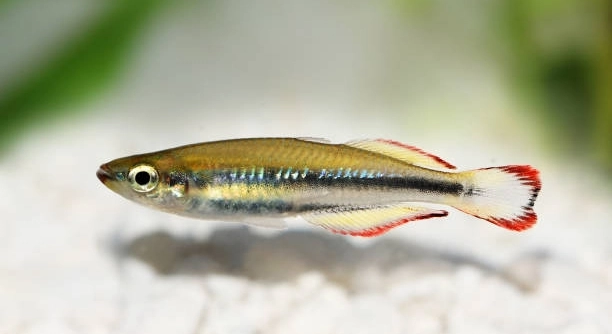
Keeping rainbowfish healthy in a home aquarium can be rewarding but sometimes challenging. These colorful fish need more than just clean water. Their natural energy can dwindle without proper care and stimulation in their environment.
Rainbowfish remain active through consistent water quality, proper diet, and environmental enrichment. Providing adequate space, plants, and hiding spots encourages movement, while varied food and occasional interaction help maintain natural swimming patterns and overall vitality.
Learning how small adjustments can impact your rainbowfish’s activity will help you create a livelier, more engaging aquarium for them to thrive.
Provide Plenty of Swimming Space
Rainbowfish are active swimmers and need room to move freely. A cramped tank can stress them and limit their natural behaviors. Choosing a tank size that allows horizontal swimming is essential. Incorporating open swimming areas along with plants and décor ensures they have space to explore while feeling secure. Avoid overcrowding the tank with too many fish, as this can reduce oxygen levels and increase competition for food. Observing how your fish use the space can help you adjust the tank layout. Some rainbowfish enjoy swimming in the middle of the tank, while others like staying near plants or hiding spots. Regular maintenance, like cleaning the substrate and checking water parameters, also supports their activity. By balancing open areas and safe hiding spaces, you allow them to display natural behaviors, which keeps them healthier and more lively overall.
Open swimming areas directly improve rainbowfish movement and reduce stress, supporting healthier, more active fish.
Proper tank setup affects both physical and mental stimulation. Plants, rocks, and gentle currents mimic natural habitats. Arranging decorations to create small swim-through areas encourages exploration. Observing interactions between tankmates helps prevent territorial disputes, which can reduce movement. Lighting plays a role too, as consistent light cycles support regular activity patterns. Monitoring water temperature and quality ensures fish stay energetic rather than sluggish. A well-planned tank also allows easy access for feeding, so fish don’t compete aggressively, which can limit swimming. Rotating décor occasionally prevents boredom and adds novelty. Some owners use floating plants or gentle water flow to simulate natural conditions, increasing swimming and foraging behavior. Incorporating these elements thoughtfully balances safety, stimulation, and comfort. Over time, rainbowfish in such an environment develop consistent activity levels, stronger immune systems, and more vivid colors, making the aquarium enjoyable to watch and maintain.
Feed a Varied Diet
Feeding only one type of food can reduce rainbowfish activity and interest in swimming.
Offering a mix of high-quality flakes, frozen, and live foods provides essential nutrients. Live foods like daphnia or brine shrimp encourage chasing and natural hunting behavior. Alternating between food types prevents monotony and keeps them engaged. Overfeeding should be avoided, as excess food can pollute the tank, affecting water quality and fish movement. Feeding small amounts multiple times a day supports energy levels and reduces aggression around food. Observing feeding responses helps adjust portions and timing to maintain interest. Some rainbowfish prefer picking at plants or algae, which can be supplemented with vegetable-based flakes. By combining protein-rich and plant-based foods, you promote balanced growth, strong coloration, and sustained activity. Consistent feeding routines help the fish anticipate food, stimulating movement and interaction within the tank. Over time, a varied diet encourages both physical exercise and mental alertness, ensuring rainbowfish remain vibrant and active.
Maintain Proper Water Conditions
Rainbowfish thrive in clean, stable water. Regular testing for pH, ammonia, nitrite, and nitrate levels ensures their environment supports activity. Sudden changes can stress them, reducing swimming and feeding behavior.
Keeping the water temperature between 24–28°C supports consistent energy levels. Frequent partial water changes remove waste and prevent toxin buildup. Using a gentle filter helps maintain clarity without creating strong currents that tire the fish. Monitoring chemical levels prevents sudden swings that could shock them. Observing behavior after changes in water conditions helps identify stress early. Adjusting tank maintenance routines based on these observations keeps fish energetic and alert. Water quality directly influences their health, colors, and overall liveliness, so consistent care is essential.
Adding aeration or gentle flow encourages swimming and natural behavior. Plants and hiding spots help rainbowfish feel secure while exploring. Regularly cleaning the tank prevents algae buildup, which can reduce oxygen levels and limit movement. A stable environment promotes normal schooling behavior, which keeps fish active throughout the day. Adjusting water parameters gradually and consistently supports both physical health and mental stimulation. These steps ensure rainbowfish maintain regular swimming patterns, interact with each other, and display brighter coloration over time. A well-maintained aquarium keeps their activity levels high and reduces stress-related issues.
Introduce Environmental Enrichment
Providing objects like plants, rocks, and tunnels stimulates rainbowfish curiosity.
Floating plants, driftwood, and varied substrates encourage exploration and play. Rearranging décor occasionally adds novelty, prompting swimming and interaction. Introducing gentle currents or bubbles simulates natural habitats, boosting energy. Observing how fish respond to new elements helps tailor the environment. Enrichment supports both mental and physical activity, keeping rainbowfish lively and healthy.
Environmental enrichment improves both mental and physical health. Rainbowfish respond positively to objects that create hiding spots, swim-through paths, and visual barriers. Placing decorations strategically encourages movement across the tank and prevents territorial disputes. Live plants provide natural textures, while floating or rooted plants offer different levels of coverage. Gentle water flow or aeration simulates streams, prompting chasing, schooling, and exploration. Even small additions like smooth stones or driftwood create variation, giving the fish new places to explore. Rotating or moving elements periodically keeps their environment stimulating, which maintains activity levels. Enrichment also reduces boredom, prevents lethargy, and encourages natural behaviors like foraging. A thoughtfully arranged tank promotes energetic, alert, and visibly healthier rainbowfish over time.
Encourage Social Interaction
Rainbowfish are schooling fish and feel more secure in groups. Keeping at least six together reduces stress and promotes active swimming throughout the tank.
Watching them interact can help identify dominant or shy individuals. A well-balanced group keeps everyone moving and engaged, supporting natural behavior patterns.
Use Live or Frozen Foods
Live or frozen foods like brine shrimp, daphnia, or bloodworms stimulate chasing and foraging behavior. These foods provide essential nutrients and encourage movement. Feeding small portions several times a day ensures energy is maintained without overfeeding. Varying food types prevents boredom and promotes consistent activity.
Control Lighting
Consistent lighting helps rainbowfish maintain natural activity patterns. A regular day-night cycle encourages swimming and reduces lethargy.
How many rainbowfish should I keep together?
Rainbowfish are schooling fish and do best in groups. Keeping at least six ensures they feel secure and display natural behaviors. Smaller groups can cause stress or aggression, while larger groups help maintain activity and schooling patterns throughout the tank. Observing interactions helps identify shy or dominant individuals.
What tank size is best for rainbowfish?
A minimum tank size of 30 gallons is recommended for a small group, though larger tanks are better. Open swimming space is essential for their active nature, and a well-planted layout with hiding spots supports exploration. Avoid overcrowding, which can reduce swimming and increase stress.
What water temperature should I maintain?
Rainbowfish thrive between 24–28°C (75–82°F). Keeping water stable prevents stress and supports normal energy levels. Sudden changes can cause lethargy or reduce appetite. A heater and thermometer help maintain a consistent temperature. Regular monitoring ensures the fish remain healthy and active.
How often should I feed rainbowfish?
Feeding small portions two to three times daily keeps energy steady. Include a mix of flakes, frozen, and live foods to encourage foraging and chasing behavior. Overfeeding can pollute the water, so observe how much they consume in a few minutes and adjust accordingly.
Can I mix rainbowfish with other species?
Rainbowfish are peaceful but active. Choosing tankmates with similar temperament and size prevents stress and aggression. Avoid overly aggressive or very slow species, as this can reduce swimming or provoke fights. Observing initial interactions ensures compatibility.
How do I prevent rainbowfish from getting bored?
Environmental enrichment is key. Plants, rocks, driftwood, and tunnels create exploration areas. Rotating décor occasionally adds novelty. Floating plants or gentle water flow simulates natural habitats, encouraging chasing, schooling, and active behavior. A stimulating environment keeps them lively and mentally engaged.
What should I do if rainbowfish become inactive?
Check water quality, temperature, and tank conditions first. Poor water or sudden changes can cause lethargy. Review feeding routines and ensure a balanced diet. Adding enrichment or more group members can stimulate movement. Observing behavior helps pinpoint issues quickly.
How do I maintain water quality?
Regular testing for pH, ammonia, nitrite, and nitrate levels is essential. Perform partial water changes weekly to remove waste and prevent toxin buildup. A gentle filter maintains clarity without creating strong currents. Stable water conditions support swimming, coloration, and overall health.
Are live plants necessary for rainbowfish?
Live plants are not strictly necessary but highly beneficial. They provide hiding spots, reduce stress, and encourage exploration. Floating plants create mid-water cover, while rooted plants offer bottom-level shelter. A planted tank simulates a natural environment and helps maintain activity.
How can I encourage natural behavior?
Providing open swimming areas, varied décor, and multiple feeding types stimulates chasing, foraging, and schooling. Gentle water flow or aeration mimics streams, prompting exploration. Observing interactions and adjusting the environment supports both mental and physical activity consistently.
How long do rainbowfish live?
Rainbowfish typically live 5–8 years with proper care. Stable water, adequate diet, social groups, and environmental enrichment support longevity. Monitoring health regularly ensures early detection of issues and maintains consistent activity levels throughout their lifespan.
Can I keep rainbowfish in a community tank?
Yes, with compatible species. Peaceful, active fish of similar size work best. Avoid slow-moving or aggressive species that may stress rainbowfish. Ensuring sufficient space, hiding spots, and proper group size prevents conflicts and supports natural schooling behavior.
How often should I clean the tank?
Partial water changes of 20–30% weekly help maintain water quality. Clean substrate, filter media, and decorations as needed. Overcleaning or drastic changes can stress rainbowfish. Maintaining a stable, clean environment supports swimming, energy, and coloration.
What signs indicate healthy rainbowfish?
Active swimming, bright coloration, schooling behavior, and a good appetite are indicators. Healthy fish respond to feeding, explore their environment, and interact with tankmates. Lethargy, loss of color, or erratic behavior may indicate stress or poor conditions.
How do I acclimate new rainbowfish?
Float the bag in the tank for 15–20 minutes to equalize temperature. Gradually add tank water to the bag every 5–10 minutes. After 30–60 minutes, release the fish gently. Proper acclimation reduces stress and encourages immediate activity in the new environment.
Keeping rainbowfish active requires consistent attention and care. Their natural energy and bright colors are signs of good health, but these qualities can decline if their environment is not suitable. A tank that provides ample swimming space, proper water conditions, and suitable companions allows rainbowfish to display natural behaviors. Without enough space or the right group dynamics, they may become stressed or lethargic. Observing their movements daily can help identify when adjustments are needed. A tank that is thoughtfully arranged with open areas, plants, and hiding spots creates a safe yet stimulating environment. This balance encourages swimming, chasing, and schooling behaviors that are important for both their physical and mental well-being.
Diet plays a major role in maintaining activity levels. Rainbowfish benefit from a varied diet that includes high-quality flakes, frozen foods, and live options. Offering a combination of protein-rich and plant-based foods helps sustain energy and coloration. Live and frozen foods, such as brine shrimp or daphnia, stimulate natural hunting behavior, which adds movement and engagement to their daily routine. Feeding small portions multiple times a day is better than one large feeding, as it prevents overfeeding and keeps them active throughout the day. A regular feeding schedule also allows the fish to anticipate food, which can trigger bursts of swimming and interaction with other tankmates. Balanced nutrition supports overall health, preventing weakness and lethargy.
Environmental enrichment and water maintenance are equally important. Adding plants, driftwood, and other structures provides stimulation and encourages exploration. Gentle water flow and consistent lighting cycles mimic natural habitats, helping rainbowfish maintain normal activity patterns. Regular water testing and partial changes ensure water quality remains stable, reducing stress and promoting vitality. Even small changes, like rearranging decorations or adding floating plants, can renew curiosity and encourage movement. Combining proper tank setup, social interactions, varied diet, and enrichment creates a balanced habitat. Over time, these consistent practices result in active, colorful, and healthy rainbowfish that display natural behavior and thrive in the aquarium.

Hello,
If you enjoy the content that we create, please consider saying a "Thank You!" by leaving a tip.
Every little bit helps us continue crafting quality advice that supports the health, happiness, and well-being of pets around the world, for pets of all shapes, sizes, and species.
We really appreciate the kindness and support that you show us!