
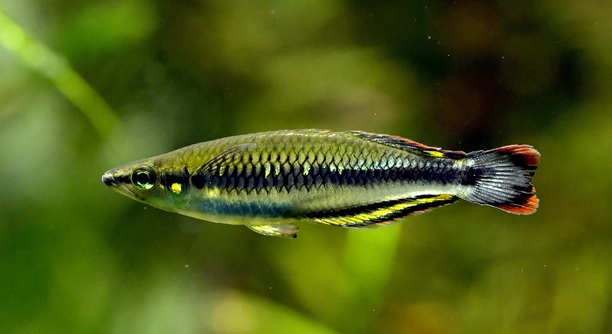
Have you ever watched rainbowfish glide together in calm water, moving as one colorful group. This article introduces the quiet patterns behind their shared movement and gentle social habits in freshwater environments around the world.
Rainbowfish follow each other closely due to schooling behavior that improves survival. Grouping reduces predation risk, enhances foraging efficiency, and supports social coordination. These synchronized movements are guided by sensory cues and evolutionary adaptations shaped by environmental pressures over time.
By exploring biology, environment, and behavior, the reasons behind this close formation become clearer and more meaningful for many readers.
Schooling as a Survival Strategy
I notice that rainbowfish rarely move alone in natural settings, and this behavior is rooted in survival. Staying close allows individuals to appear larger as a group, which discourages predators from attacking. When danger appears, confusion within the school makes it harder for threats to focus on a single fish. This shared movement also improves feeding success. As one fish locates food, others quickly follow, reducing wasted energy. Swimming together helps maintain steady speed and direction, especially in flowing water. There is also a calm rhythm created by synchronized motion, which lowers stress levels within the group. Over time, these benefits became reinforced through adaptation. The fish that stayed close were more likely to live, reproduce, and pass on these instincts, shaping the consistent schooling patterns seen today. This pattern remains visible in both wild rivers and home aquariums, where similar spacing and movement continue naturally and reliably over time.
This behavior is not random or emotional. It is a practical response shaped by risk, food access, and energy use. Each fish reacts to nearby movement, creating a chain of alignment that keeps the group compact and responsive at all times within shared habitats across different freshwater conditions globally observed.
I find it interesting that schooling also supports learning among rainbowfish. Younger or less experienced fish benefit by staying close to those that react faster to changes. This creates quiet information sharing without sound or signals. Direction shifts, speed changes, and feeding responses spread quickly through the group. The structure of the school allows each fish to rely less on constant alertness. Energy is saved, and mistakes are reduced. Over time, this shared awareness becomes natural. The group acts almost as a single unit, guided by movement rather than conscious choice formed through repetition and daily survival routines in nature.
Environmental and Social Factors
Environmental conditions play a strong role in how closely rainbowfish group together. Light levels, water flow, and visibility all affect spacing. In clearer water, schools may spread slightly, while murkier conditions encourage tighter formations for safety and coordination temperature changes also influence movement patterns during different seasonal periods each year.
Social structure within a school is subtle but important. Rainbowfish do not follow a single leader. Instead, movement decisions emerge from small adjustments made by individuals responding to neighbors. I notice that this creates flexibility. If one fish reacts to a threat or food source, nearby fish copy the motion, and the response spreads. This system prevents total disruption while keeping the group unified. Size and confidence can influence position, with stronger swimmers often near the front, though roles shift often. Color patterns also remain more vivid in groups, which may signal health and reduce targeting by predators. In home aquariums, this behavior remains consistent. When kept in small numbers, rainbowfish appear less active and more cautious. Larger groups restore natural movement and reduce visible stress. This shows that close following is not optional behavior. It is central to how rainbowfish function, communicate, and maintain balance within shared aquatic spaces. This pattern is shaped early and remains stable throughout life. Without sufficient companions, natural rhythms break down. Group size directly affects comfort, feeding consistency, and overall activity levels in both controlled and wild environments over extended periods and across varying habitat conditions that influence daily survival behaviors and social stability.
Sensory Cues and Coordinated Movement
Rainbowfish rely heavily on vision to maintain close spacing within a group. Each fish tracks subtle changes in speed and direction of nearby bodies. This constant visual feedback allows smooth alignment, quick corrections, and steady formation without spoken signals or physical contact during daily swimming activity in natural freshwater settings.
Vision works alongside body awareness to keep rainbowfish moving together. I notice that even slight tail flicks can shift the entire group. Each fish follows simple distance rules, staying close but not touching. This prevents collisions while keeping the school tight. Eye placement allows wide viewing angles, so neighbors are always visible. When one fish accelerates or turns, others copy the motion within seconds. These reactions happen automatically, without planning. Over time, repeated movement patterns become ingrained. This shared visual rhythm reduces hesitation, supports fast responses, and keeps the group balanced during feeding, resting, and sudden disturbances in changing waters.
Water conditions influence how strongly these senses are used. In clear streams, rainbowfish depend mainly on sight to follow neighbors. In darker or crowded water, body awareness becomes more important. I have seen tighter spacing when visibility drops. Small pressure changes created by nearby movement guide positioning. This allows the school to stay connected even when sight is limited. Flow rate also matters. Faster water encourages closer grouping for stability. Slower areas allow looser spacing. Together, vision and body sensing adjust continuously, helping the group remain unified despite shifting light, current, and environmental noise levels over time daily in nature.
Group Size and Social Learning
Group size directly affects how closely rainbowfish follow one another. Smaller groups lead to wider gaps and more cautious movement. I notice more frequent pauses and slower reactions. Larger schools create confidence through numbers. Movement becomes smoother, faster, and more consistent. Each fish relies less on personal scanning and more on shared motion cues, reducing stress and improving overall stability within the group during daily activity cycles in freshwater environments across different habitats over time.
Age and experience also influence following behavior. Younger rainbowfish tend to stay closer to the center of the group. This positioning offers protection and guidance from older fish. I notice that experienced individuals respond faster to changes in flow or threats. Their reactions shape group movement without direct control. Over time, younger fish learn spacing, speed, and timing by copying these responses. This quiet learning builds consistency across the school. Social balance remains flexible, with positions changing often. No single fish dominates permanently. Instead, shared awareness guides decisions. This system allows the group to adapt quickly while maintaining cohesion, safety, and efficient movement throughout daily life in changing freshwater conditions across varied environments over long periods of time without disruption or confusion within schools observed.
Daily Movement and Spacing Patterns
Rainbowfish adjust their spacing based on feeding activity and rest periods. When food is present, the group tightens to reduce competition and loss. During calm moments, spacing widens slightly, allowing easier movement, reduced fatigue, and steady breathing while remaining visually connected within shared habitats and daily routines over time naturally.
I notice that consistent spacing helps prevent sudden collisions and panic. When one fish slows or turns, others mirror the change. This keeps motion predictable and calm. The result is a steady flow that supports feeding, rest, and awareness without constant tension during shared daily movement patterns in groups together.
Influence of Water Conditions
Water flow strongly affects how closely rainbowfish follow one another. In fast currents, tighter grouping provides balance and reduces energy loss. Each fish benefits from reduced drag created by the one ahead. I see smoother swimming and fewer breaks in formation. In slow water, spacing loosens and movement becomes exploratory. Fish change direction more often and pause without disrupting the group. Temperature also plays a role. Cooler water encourages closer alignment to conserve energy. Warmer conditions allow relaxed spacing while maintaining visual contact. These adjustments happen continuously, shaped by immediate conditions rather than fixed rules within natural freshwater environments daily.
Behavior in Captive Environments
In aquarium settings, this following behavior remains clear and consistent. I notice tighter schools in well-lit tanks with open space. When decor increases or visibility drops, rainbowfish stay closer together. These patterns mirror natural responses, showing instinct remains strong even in controlled environments over time and across daily conditions consistently.
Why do rainbowfish always swim in groups?
Rainbowfish swim in groups because it increases their chances of survival. Being in a school makes it harder for predators to target a single fish. I notice that the group moves almost like one organism. Each fish watches neighbors, copying movements almost instantly. This shared behavior reduces stress, conserves energy, and improves foraging efficiency. Smaller groups appear more cautious and fragmented, while larger schools move with confidence. The schooling instinct is strong, showing how evolution has favored fish that stick together in natural habitats and even in aquariums.
Do rainbowfish follow a leader?
Rainbowfish do not have a single permanent leader. I see that decisions, like turning or speeding up, emerge from small, local interactions. When one fish reacts to food or danger, nearby fish copy its movement, and the reaction spreads quickly. Over time, stronger swimmers often take front positions, but roles constantly change. This flexible structure allows the group to adjust quickly without confusion. Social learning occurs as younger or less experienced fish observe and mimic these responses, which teaches them spacing, speed, and timing naturally. Leadership is situational, not fixed.
How do rainbowfish know how close to stay to each other?
Spacing comes from visual and sensory cues. Each fish tracks the position of its neighbors, adjusting speed and direction continuously. I notice even small tail movements ripple through the school, helping maintain distance. In clearer water, spacing can be a bit looser. In murkier or crowded conditions, fish tighten formation to stay safe. Body sensing also helps detect pressure changes from nearby movement, allowing alignment when visibility is low. Flowing water influences spacing too. Fish swim closer in strong currents for stability and relax spacing in calmer areas, maintaining balance while staying coordinated.
Does water quality affect their schooling?
Yes, water quality strongly influences how rainbowfish follow each other. Poor oxygen levels or high waste can reduce activity, causing slower reactions and wider gaps in the school. I have observed that in clean, well-oxygenated water, movements remain smooth, tight, and consistent. Temperature also affects behavior. Cooler water encourages close spacing to conserve energy, while warmer water allows more relaxed movement but still keeps visual contact. Even slight changes in light or turbidity can change how tightly the fish swim together. Maintaining proper conditions in aquariums is essential to preserve natural schooling patterns and reduce stress in daily activity.
Do rainbowfish teach each other behaviors?
In a way, yes. Younger or inexperienced fish learn from observing older, more experienced group members. I notice that central fish often copy the movements of faster or more reactive neighbors. This teaches spacing, speed, and timing without direct interaction. Over time, learning spreads through the school, creating coordinated movement patterns. It is not conscious teaching, but repeated observation and copying reinforce behaviors. Social learning ensures that survival skills are shared naturally and quickly among group members. This helps the school respond effectively to threats, food sources, and environmental changes.
Will rainbowfish swim alone if necessary?
Rainbowfish can survive alone for short periods, but I notice that behavior changes significantly. Isolated fish appear stressed, swim more cautiously, and react slower to changes. Feeding efficiency drops, and movements are irregular. The instinct to school is strong, so they naturally seek the company of others when possible. Even in small aquariums, adding a few companions restores natural motion and confidence. Alone, their behavior is far less stable, showing that following closely is essential for their overall well-being.
How does schooling affect feeding?
Feeding is more efficient in a group. When one fish finds food, nearby fish quickly follow, reducing wasted energy searching. I notice that spacing adjusts slightly during feeding; fish tighten formation to access food quickly but maintain enough room to avoid collisions. This coordination minimizes competition while maximizing intake. Younger fish benefit by observing the adults’ foraging patterns. The school essentially guides its members to resources safely. In aquariums, even small groups exhibit the same feeding coordination, demonstrating that schooling instinct is deeply ingrained and directly impacts daily survival and growth.
Can environmental changes disrupt schooling?
Yes, changes in light, water flow, or visibility can temporarily affect how rainbowfish group together. I have seen fish tighten spacing in dim light or reduce activity in murky water. Strong currents can force them into closer formations for stability, while calm water allows relaxed spacing. Temperature shifts also alter energy levels and reaction times. Despite these changes, schooling instinct remains, and fish adjust quickly to restore cohesion. Environmental disruptions do not eliminate following behavior, but they influence its intensity, spacing, and overall flow in both natural and controlled habitats over time.
Are there health benefits to schooling?
Schooling reduces stress and conserves energy, which directly supports health. I notice that fish in larger groups appear calmer, swim more smoothly, and maintain brighter coloration. Tight coordination decreases panic responses and minimizes energy loss during movement. Social interactions and learned behaviors also contribute to mental stimulation. Fish that are isolated or in very small groups tend to show slower responses, reduced feeding efficiency, and higher stress indicators. Maintaining natural schooling conditions in aquariums promotes longevity, consistent activity, and balanced behavior, reflecting the strong link between social structure and overall well-being in rainbowfish.
Do rainbowfish ever change positions within the school?
Yes, positions are fluid. I see that fish switch places depending on speed, confidence, and age. Strong swimmers often lead temporarily, while younger or cautious individuals stay central. This rotation spreads risk, maintains flexibility, and ensures the school can respond to threats or food without disruption. Positioning is dynamic, influenced by immediate conditions, social learning, and individual strength. Over time, these constant adjustments create a resilient, balanced group where all members benefit from safety, energy efficiency, and coordinated movement in both natural rivers and aquarium settings.
Rainbowfish are fascinating because of the way they move together so naturally. Their schooling behavior is not just a quirk—it is a carefully developed strategy that improves survival and efficiency. Each fish adjusts its position based on the movements of nearby companions, using vision and body awareness to maintain balance and spacing. I often notice how smooth their motion becomes when a group swims in clear water. The coordinated movements reduce stress, prevent collisions, and allow each fish to conserve energy. Even small tail flicks can ripple through the school, showing how sensitive these fish are to one another. Over time, this instinct has become deeply ingrained, making schooling one of the most reliable and consistent behaviors in rainbowfish, whether in rivers or aquariums.
Schooling also has social benefits that are easy to overlook. Younger or less experienced fish learn by observing the older or more reactive individuals in the group. This quiet learning helps them adopt proper spacing, timing, and response patterns without direct teaching. Each fish plays a small part in shaping the behavior of others, creating a balance where experience and observation combine to maintain harmony. I find it interesting that leadership is temporary and situational. No single fish permanently controls the group, but everyone contributes to movement and coordination. This dynamic helps the school respond quickly to threats or opportunities like food sources. It also explains why larger groups tend to move more smoothly—they share responsibility and rely on collective awareness rather than individual alertness.
Environmental conditions and group size further shape this behavior. Water clarity, temperature, and current all influence how tightly fish swim together. In fast currents, closer spacing provides stability, while calm water allows slightly looser formation. Smaller groups appear more cautious, moving slowly and hesitating more, while larger schools show confidence and smoother coordination. Even in aquariums, these instincts remain strong. Rainbowfish maintain natural spacing, respond to visual cues, and adjust their movements based on immediate conditions. Understanding this behavior gives insight into their needs, helping to create healthier environments in captivity. Observing rainbowfish closely reveals that their following behavior is more than instinct—it is a combination of biology, social learning, and environmental adaptation that keeps them safe, coordinated, and thriving every day.

Hello,
If you enjoy the content that we create, please consider saying a "Thank You!" by leaving a tip.
Every little bit helps us continue crafting quality advice that supports the health, happiness, and well-being of pets around the world, for pets of all shapes, sizes, and species.
We really appreciate the kindness and support that you show us!