
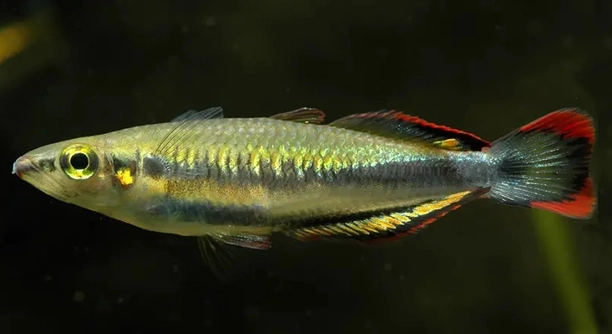
Rainbowfish are lively and colorful, often seen swimming together in harmony. Sometimes, though, they stop joining the group, spending time alone and appearing less playful than usual. Their behavior can quietly change without obvious reasons.
Rainbowfish may stop playing with others due to stress, illness, changes in water conditions, or social dynamics within their tank. Reduced interaction is often a response to environmental or health challenges that affect their normal social behavior.
Learning why your rainbowfish prefers solitude can help maintain a healthy and balanced aquarium environment for all the fish. Observing these changes closely is important for their long-term well-being.
Stress and Overcrowding
Rainbowfish are sensitive to their environment, and too much activity or crowding in the tank can make them retreat. When several fish compete for space or food, some may prefer to stay alone. Stress can be triggered by sudden changes in water temperature, new additions to the tank, or strong water currents. Observing how fish react during feeding time or when the tank is disturbed can give clues about their comfort level. Signs like hiding behind decorations, staying near the bottom, or reduced movement often indicate stress. Adjusting tank conditions gradually and ensuring enough hiding spots can help rainbowfish feel safer. Overcrowding also reduces swimming space, making them more prone to injuries or aggressive encounters. Each rainbowfish has its own personality; some are naturally more reserved. Respecting their need for space and maintaining a calm environment encourages healthy social interaction without forcing them to engage when they are uncomfortable.
Stress can also weaken the immune system, leading to illness in rainbowfish.
Watching for signs of stress early is key. Providing proper tank size, clean water, and stable conditions ensures that rainbowfish regain comfort and may resume social swimming naturally. Regular observation and small adjustments, like reducing overcrowding or adding hiding spots, make a noticeable difference. Social dynamics in a tank are subtle, and each fish reacts differently. By understanding how stress manifests, it becomes easier to prevent long-term behavioral issues. Some rainbowfish may prefer solitude even after conditions improve, which is normal and should be respected. Tank mates can influence behavior, so pairing compatible species helps. Feeding routines, lighting, and water changes also play a role in comfort levels. Overall, patience and attentive care allow rainbowfish to thrive while maintaining healthy social interactions.
Illness and Health Concerns
When a rainbowfish stops playing, it may be unwell.
Health issues like infections, parasites, or poor diet can make rainbowfish isolate themselves. They swim less, lose appetite, and appear lethargic, avoiding other fish. Immediate attention is important to prevent worsening conditions. Regular observation and proper nutrition are key.
Illness can be subtle, showing only through minor behavior changes. If rainbowfish stop joining others, it may indicate internal problems not visible externally. Water quality directly affects health; poor conditions can cause skin or fin diseases. Observing swimming patterns, breathing, and appetite gives clues about possible issues. Quarantining a sick fish helps prevent spreading disease. Sometimes, stress and illness overlap, making behavior changes more pronounced. Proper diet supports immune function, reducing the chance of infections. Ensuring balanced nutrition, clean water, and appropriate temperature creates a healthier environment. If illness persists, consulting a veterinarian experienced in fish care is crucial. Understanding these factors allows for timely intervention, keeping rainbowfish active, healthy, and more willing to engage socially in the tank.
Water Conditions and Environment
Poor water quality can make rainbowfish avoid others. High ammonia, nitrite, or nitrate levels stress fish, causing them to hide or stay still. Temperature fluctuations and improper pH also affect their activity. Maintaining stable, clean water is essential for social behavior and overall health.
Regular water testing is crucial. Rainbowfish are sensitive to chemical imbalances, and even small changes in water hardness or pH can affect their willingness to swim together. Frequent water changes, proper filtration, and avoiding overcrowding help maintain a healthy environment. Decorations and plants provide hiding spaces, reducing stress and encouraging natural interaction. Consistent care ensures rainbowfish feel secure.
Lighting and tank setup influence behavior too. Bright or harsh light may make some fish retreat, while plants and gentle decorations create safe zones. Adequate swimming space and calm currents encourage more interaction. Observation is important to identify which environmental factors are affecting their comfort. Adjusting these elements gradually helps rainbowfish feel more at ease and social within the tank.
Social Hierarchy and Tank Mates
Rainbowfish can stop playing due to social dynamics in the tank. Aggressive or dominant fish may intimidate others, causing them to hide or isolate themselves. Careful selection of tank mates reduces stress and encourages harmonious behavior.
Observing interactions is important. When new fish are introduced, dominant individuals may chase or bully more timid ones, making them withdraw. Rainbowfish have natural pecking orders, and some may temporarily or permanently avoid certain tank mates. Keeping compatible species together prevents unnecessary stress. Grouping similar-sized and temperament fish helps maintain balance. Monitoring feeding times and swimming patterns ensures no one is excluded. Providing hiding spots and visual barriers allows weaker fish to feel safe.
Over time, shy or submissive rainbowfish may gradually rejoin the group once dominance disputes settle. Encouraging positive social interactions without forcing engagement helps fish adapt. Consistent observation and patience allow for natural social restructuring, supporting a healthier and more active tank community. Adjusting tank layout or temporarily separating aggressive fish can make a big difference in restoring harmony.
Feeding and Nutrition
Improper diet can cause rainbowfish to isolate themselves. Lack of essential nutrients or overfeeding can affect energy levels, making them less active. Balanced meals encourage social swimming and play, while sudden changes in food may lead to temporary withdrawal from the group.
Rainbowfish need a mix of flakes, pellets, and occasional live or frozen foods. Consistent feeding schedules help them stay active and maintain regular social behavior. Overfeeding can pollute water, adding stress that reduces interaction. Watching which fish eat first and which lag behind gives insight into individual health and energy levels, helping adjust diet appropriately.
Seasonal Changes
Temperature shifts and seasonal light variations can influence rainbowfish behavior. Cooler water or reduced light may make them less active, prompting temporary isolation. Adjusting heating and lighting gradually supports stable activity and social engagement throughout the year.
Tank Size and Space
Small or overcrowded tanks limit movement and increase stress. Sufficient swimming space allows rainbowfish to interact freely, reducing conflicts and promoting healthier group behavior.
Why is my rainbowfish hiding most of the time?
Rainbowfish often hide when they feel stressed, unsafe, or unwell. Sudden changes in water temperature, poor water quality, or aggressive tank mates can make them retreat. Providing hiding spots, maintaining clean water, and keeping the tank environment calm can help them feel more secure.
Can illness cause rainbowfish to stop interacting with others?
Yes, health problems like fin rot, internal parasites, or infections can lead rainbowfish to isolate themselves. They may lose appetite, swim less, or stay at the bottom of the tank. Observing subtle changes early and maintaining proper water conditions is key to catching problems before they worsen.
How does tank overcrowding affect rainbowfish behavior?
Overcrowding increases stress and reduces available swimming space. Rainbowfish may become territorial or shy, leading to isolation. Ensuring the tank has enough space for each fish, along with hiding spots, supports natural social behavior. Gradually adjusting the number of fish helps restore balance.
Can water conditions influence social activity?
Absolutely. Ammonia, nitrite, nitrate levels, and sudden pH or temperature changes can make rainbowfish uncomfortable. Poor water quality may lead to hiding, lethargy, or reduced interaction. Regular testing, partial water changes, and stable conditions encourage normal swimming and group activity.
Do rainbowfish react differently to tank mates?
Yes. Aggressive or dominant fish can intimidate weaker individuals, causing them to stay alone. Choosing compatible species and similar-sized rainbowfish reduces stress. Observing interactions and providing hiding spots allows more timid fish to feel safe and gradually rejoin the group.
Can diet affect social behavior?
Rainbowfish need a balanced diet of flakes, pellets, and occasional live or frozen foods. Poor nutrition lowers energy levels, making fish less active and more likely to avoid others. Overfeeding can also pollute water, indirectly causing stress. Feeding consistent amounts at regular times helps maintain activity.
Do seasonal changes matter for rainbowfish?
Yes, temperature shifts and light changes influence activity. Cooler water or reduced lighting can make rainbowfish less active and more prone to isolation. Gradual adjustments to lighting and temperature help maintain energy and social interaction throughout seasonal changes.
How long will it take for rainbowfish to rejoin the group?
It depends on the cause. If stress or water conditions are corrected, fish may rejoin the group within days to weeks. Health issues require treatment before normal behavior returns. Patience is important, as forcing interaction can worsen stress and prolong isolation.
Can tank setup influence play and interaction?
Absolutely. Crowded tanks or lack of decorations can increase stress. Proper plants, hiding spots, and adequate swimming space allow rainbowfish to explore safely and interact naturally. Adjusting layout gradually encourages shy fish to become more confident.
What signs indicate rainbowfish are ready to socialize again?
Increased swimming activity, approaching other fish, and active feeding are good signs. Slowly observing their behavior over time helps identify when they feel safe. Offering calm surroundings and stable conditions supports a gradual return to normal social patterns.
Is it normal for some rainbowfish to prefer solitude?
Yes, some rainbowfish naturally have more reserved personalities. Even in ideal conditions, a few may spend time alone without health or stress issues. Respecting their individual preferences ensures a balanced tank environment and reduces unnecessary stress on other fish.
How can I prevent rainbowfish from isolating in the future?
Maintaining stable water conditions, proper tank size, compatible tank mates, balanced diet, and calm surroundings reduces the likelihood of isolation. Observing daily behavior, providing hiding spots, and responding quickly to changes in health or environment ensures rainbowfish remain active and social.
This FAQ covers common reasons rainbowfish stop interacting, practical ways to address each issue, and strategies to maintain a healthy and harmonious tank. Watching behavior closely and making small adjustments helps fish feel secure and encourages natural social behavior.
Rainbowfish are beautiful, lively fish, and their behavior can tell us a lot about how they feel. Sometimes they stop interacting with other fish, and it is important to understand why. Stress, illness, water conditions, overcrowding, diet, and tank dynamics all play a role in their behavior. Observing their actions closely helps identify what might be causing them to isolate. For example, a rainbowfish that hides often or swims less may be stressed due to sudden changes in water temperature or aggressive tank mates. Providing a calm environment with enough swimming space and hiding spots allows them to feel safer and more confident. Gradual adjustments in the tank, such as adding plants or rearranging decorations, can make a noticeable difference in their comfort levels. Being attentive to these details supports both their physical health and social behavior.
Maintaining proper water conditions is one of the most important factors in keeping rainbowfish active and social. Testing for ammonia, nitrite, nitrate levels, and pH regularly ensures the tank environment remains stable. Sudden fluctuations in temperature or poor water quality can weaken their immune system and make them more susceptible to illness. Balanced nutrition also plays a key role in their overall well-being. Rainbowfish need a mix of flakes, pellets, and occasional live or frozen foods to stay energetic. Overfeeding, on the other hand, can pollute the water and create additional stress. Paying attention to which fish are eating and how they behave during feeding can provide clues about their health. Proper care, consistency in water maintenance, and thoughtful feeding routines all contribute to keeping rainbowfish healthy, happy, and willing to interact with others in the tank.
Social dynamics within the tank also influence how rainbowfish behave. Some fish are naturally more reserved, while others are more active and dominant. Aggressive or overly dominant fish can intimidate timid rainbowfish, causing them to isolate themselves. Choosing compatible tank mates and observing interactions carefully can help reduce conflicts. Patience is important, as shy or stressed fish may take time to feel comfortable again. Over time, creating a safe environment with proper space, hiding areas, and gentle water flow encourages timid rainbowfish to gradually rejoin the group. Respecting individual personalities is also essential, as not every fish will be equally social. By focusing on water quality, nutrition, tank setup, and careful observation, rainbowfish can enjoy a healthier, more active life, interacting comfortably with their tank companions while maintaining their own space when needed.

Hello,
If you enjoy the content that we create, please consider saying a "Thank You!" by leaving a tip.
Every little bit helps us continue crafting quality advice that supports the health, happiness, and well-being of pets around the world, for pets of all shapes, sizes, and species.
We really appreciate the kindness and support that you show us!