
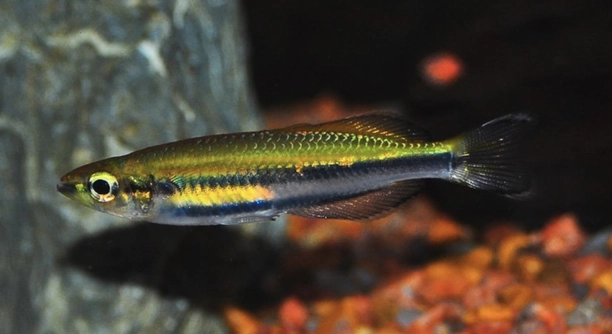
Have you ever noticed your rainbowfish spending most of its time close to the gravel, moving calmly along the tank bottom? This behavior can feel confusing, especially when you expect colors higher in the water.
The primary reason a rainbowfish remains near the gravel is environmental stress or unmet habitat needs. Factors such as water quality, lighting, social dynamics, and tank layout influence swimming level, encouraging bottom-oriented behavior when conditions do not support midwater activity.
By learning what drives this behavior, you can create a calmer aquarium that supports healthier movement and lasting fish wellbeing.
Environmental Factors That Influence Bottom Swimming
Rainbowfish are naturally active swimmers that prefer the middle levels of an aquarium when conditions feel stable. When they stay near the gravel, it often reflects discomfort rather than preference. Poor water quality, including elevated ammonia or nitrate levels, can push fish downward where oxygen feels more available. Inconsistent temperatures also affect swimming patterns, especially if cooler water settles lower in the tank. Tank size matters as well, since cramped spaces limit natural movement and create constant pressure. A lack of visual cover, such as plants or driftwood, may leave rainbowfish feeling exposed, encouraging them to hug the bottom. Social stress plays a role too, particularly if aggressive tank mates dominate upper areas. These combined factors subtly shape daily behavior and signal that the environment needs adjustment to better support natural swimming habits over time when basic care elements are overlooked by owners managing tanks inconsistently for extended periods alone.
Water parameters should be checked first because they influence every biological process. Regular testing, stable heating, and routine maintenance help restore balance. Small changes made consistently often lead to visible improvements in activity and swimming position within days for rainbowfish kept in community aquariums with shared environmental demands and stability.
Tank layout strongly affects where rainbowfish choose to swim. Open midwater space paired with tall plants creates security without crowding. Lighting should remain moderate, since overly bright setups increase hiding behavior. Feeding patterns also influence positioning, as sinking food trains fish to remain low. Offering floating or slow sinking options encourages upward movement. Group size matters, because rainbowfish feel safer in proper numbers and spread out more evenly. Observing daily behavior helps reveal whether changes are working. Adjustments should be gradual, allowing fish time to adapt and regain confidence in their surroundings as conditions stabilize through consistent care over time.
Health and Behavioral Signals to Watch
Remaining near the gravel can sometimes indicate underlying health strain. Lethargy, faded color, or reduced appetite often appear alongside this behavior. Early observation allows prompt corrections, preventing minor stress from developing into long-term physical decline that affects lifespan and daily functioning in captive aquarium environments when ignored for months continuously.
Behavioral changes should never be dismissed as random habits. Rainbowfish communicate comfort through movement, color, and social interaction. When they remain low, it often reflects an attempt to cope with ongoing pressure. Chronic stress weakens immune response, making fish more vulnerable to infection. Addressing root causes early supports recovery and reduces loss. Consistency is key, since sudden changes in water chemistry or decor can worsen anxiety. Regular observation during feeding and lighting cycles provides valuable insight. Keeping a simple care log helps track improvements over time. When conditions improve, rainbowfish usually return to midwater swimming, displaying brighter colors and stronger group cohesion. This shift confirms that their needs are being met and that the aquarium environment supports stable, healthy behavior. Maintaining stable routines builds trust between fish and their surroundings. Filters should operate efficiently without creating harsh currents. Scheduled water changes prevent waste buildup. Balanced stocking avoids competition for space. These practical steps reinforce calm behavior and long-term stability. Over time, this consistency supports natural rhythms and reduces stress responses that alter swimming patterns unnecessarily, creating an aquarium that functions predictably and meets basic biological needs daily for rainbowfish housed in shared systems long term without constant environmental disruption cycles.
Tank Setup Changes That Encourage Natural Swimming
Improving tank setup often shifts rainbowfish away from the gravel. Increase midwater swimming room, reduce clutter near the bottom, and ensure gentle flow. Add vertical plants and open lanes. These changes reduce stress and encourage natural movement without overwhelming sensitive fish over time in small home aquariums with stable care.
Lighting placement and intensity affect swimming levels more than many expect. Harsh overhead lights push rainbowfish downward, while dim, uneven lighting causes hiding. Use consistent lighting cycles and moderate brightness to support confidence. Substrate color also matters, since very dark gravel increases contrast and anxiety. Choose natural tones that reflect riverbeds. Filters should create even circulation instead of strong downward currents. When flow presses fish toward the bottom, they conserve energy by staying low. Small directional adjustments often produce noticeable behavior changes within a week of observation during routine care and regular feeding schedules in community tanks at home daily.
Feeding habits shape where rainbowfish spend most of their time. Constant use of sinking food trains fish to remain near the gravel. Rotating floating, slow sinking, and suspended foods promotes balanced swimming. Feed small portions to reduce competition and prevent bottom crowding. Schedule feedings at the same time each day to build routine. Hand dispersing food across the surface helps distribute movement. Over time, fish associate safety with higher water levels and display improved color, energy, and social behavior across the tank. This approach supports healthier patterns without drastic environmental changes for long term success in shared aquariums overall stability.
When Behavior Points to Deeper Health Concerns
Persistent bottom dwelling can signal issues beyond environment alone. Internal parasites, early infection, or prolonged stress alter swimming behavior gradually. Color dulling, isolation, and slower responses often appear together. Monitoring changes over several days helps separate temporary adjustment from ongoing concern. Acting early limits progression and protects other fish sharing the same water conditions from unnecessary exposure and long recovery periods later on in poorly maintained systems with inconsistent care routines over extended time frames.
Observation remains the most reliable tool for assessment. Spend time watching rainbowfish during different lighting periods and feeding times. Healthy fish show curiosity, color variation, and group movement. If bottom behavior persists despite adjustments, isolation may be necessary for closer monitoring. A separate tank allows controlled observation and targeted treatment if needed. Avoid rapid changes, since instability compounds stress. Document behavior patterns to track improvement or decline. Consistency in maintenance supports recovery. Personal attention often reveals subtle cues that equipment cannot measure. Trust patterns over single moments when evaluating long term health and stability. This mindful approach helps me respond calmly and avoid unnecessary interventions while giving fish time to adjust naturally under stable conditions with patience and careful daily observation in home aquariums consistently.
Consistent Maintenance That Supports Midwater Activity
I keep water changes small and consistent to avoid sudden shifts. Weekly partial changes remove waste while preserving stability. Clean filters gently using tank water, not tap. This routine supports oxygen levels and reduces stress that keeps rainbowfish hovering near the gravel instead of swimming freely throughout the day daily.
Testing water parameters helps confirm progress. I focus on temperature, ammonia, nitrite, and nitrate levels. Stable readings often align with improved movement. When numbers drift, behavior follows quickly. Simple test kits provide clarity and prevent guessing when adjusting care routines for long term balance in home aquariums over time consistently.
Social Dynamics Inside the Aquarium
Tank mates strongly influence swimming zones. Fast or aggressive fish often claim midwater space, pushing rainbowfish downward. I reassess stocking when bottom behavior persists. Choose calm species with similar size and activity levels. Adequate group numbers reduce insecurity, while overcrowding increases tension. Rearranging decor can reset territory lines without removing fish. Observe interactions closely during feeding, since competition appears strongest then. Balanced communities encourage even distribution throughout the tank. When social pressure eases, rainbowfish regain confidence and explore higher levels naturally over time with consistent care, patience, and thoughtful observation across daily routines in shared aquariums long term stability matters.
Recognizing Gradual Improvement Over Time
Behavior improves gradually, not overnight. I look for small signs like brief midwater swims or brighter color. These changes confirm progress. Staying consistent matters more than quick fixes. Over time, steady care builds trust and allows rainbowfish to behave naturally again in calm home aquariums with balanced routines daily maintained.
FAQ
Why does my rainbowfish stay near the gravel all the time?
Rainbowfish often stay near the gravel because of environmental stress or discomfort. Poor water quality, strong currents, and inadequate hiding spots push them downward. They may also feel insecure with aggressive tank mates or too much open space. Ensuring stable water conditions, gentle flow, and proper decor encourages midwater swimming gradually.
Could my rainbowfish be sick if it sticks to the bottom?
Yes, persistent bottom-dwelling can indicate health issues. Internal parasites, early infections, or stress-related illness can cause this behavior. Watch for faded color, slow movement, or reduced appetite. If these signs appear, isolate the fish and monitor closely. Prompt attention can prevent worsening and protect other tank mates.
Does the type of gravel affect rainbowfish behavior?
Gravel color and texture can influence comfort levels. Very dark or rough substrates may make rainbowfish feel exposed or stressed, leading them to hug the bottom. Using natural-toned, smooth gravel helps reduce anxiety and encourages more natural swimming patterns across midwater and upper levels.
How do I encourage my rainbowfish to swim higher?
Adjust tank layout to create open swimming space in midwater. Add vertical plants or decorations that provide hiding without crowding. Offer floating or slow-sinking food to train upward movement. Moderate lighting and gentle currents reduce stress. Gradual changes support confidence and allow rainbowfish to explore higher zones without fear.
Can tank mates cause my rainbowfish to stay at the bottom?
Yes, aggressive or fast midwater fish often dominate upper areas. Rainbowfish respond by staying low to avoid conflict. Assess community composition and ensure compatible species. Adequate group sizes reduce insecurity, and rearranging decor can reset territories without removing fish. Balanced social environments help rainbowfish regain natural swimming behavior.
How often should I test water to prevent bottom-dwelling behavior?
Frequent testing helps maintain stable conditions. I check temperature, ammonia, nitrite, and nitrate weekly. Sudden shifts can stress fish quickly, pushing them to the gravel. Consistent testing allows timely corrections and keeps rainbowfish active across all tank levels, supporting long-term health and behavior improvement.
Does feeding routine impact where rainbowfish swim?
Yes, sinking food encourages bottom activity. Mixing floating, slow-sinking, and suspended options promotes midwater swimming. Feed small portions to reduce competition. Spreading food across the surface helps distribute movement and confidence. Gradual adaptation teaches rainbowfish that higher water levels are safe for feeding and exploring.
What signs show my rainbowfish is adjusting to new tank conditions?
Look for brief midwater swims, brighter coloration, and increased social interaction. Movement away from the gravel indicates growing confidence. Improved response during feeding and curiosity around tank mates also signal adjustment. These gradual changes confirm that environmental or social adjustments are having a positive impact over time.
Do lighting changes affect bottom-dwelling behavior?
Yes, harsh lighting can push rainbowfish downward. Moderate, consistent lighting helps them feel secure. Bright overhead lights or sudden changes increase hiding behavior near the gravel. Maintaining a gentle light cycle encourages exploration of midwater and upper levels, contributing to natural swimming patterns and healthier daily activity.
Can rearranging tank decorations help rainbowfish swim more freely?
Repositioning plants and ornaments creates new hiding spots and open lanes, which can reduce stress. Avoid overcrowding the bottom, which encourages lingering near gravel. Small, gradual rearrangements help rainbowfish explore midwater safely and regain confidence, showing improvement in behavior without sudden environmental shocks.
This FAQ covers the main reasons rainbowfish stick near the gravel and provides clear, actionable strategies for encouraging healthier swimming patterns in home aquariums.
Rainbowfish are active, colorful fish that naturally prefer midwater swimming, so when they stay near the gravel, it usually signals something in their environment or health that needs attention. Often, this behavior is a response to stress caused by water conditions, tank setup, or social dynamics. Poor water quality, strong currents, or inappropriate lighting can make the bottom feel safer. Similarly, aggressive or overly fast tank mates can dominate upper levels, pushing rainbowfish downward. By observing these patterns carefully, it becomes easier to identify the changes needed to encourage more natural swimming. Adjustments in water testing, tank layout, and feeding routines can create a calmer, more comfortable environment where rainbowfish feel safe to explore higher levels of the tank again. Small, consistent efforts often lead to visible improvement over time.
Maintaining a stable and well-balanced aquarium is key for rainbowfish to feel secure. Regular water testing and partial water changes remove excess waste while keeping parameters consistent. Filters should be cleaned gently with tank water to preserve beneficial bacteria. Lighting should remain moderate and follow a steady schedule, while substrate and décor should offer both open swimming space and hiding places. Feeding routines also influence behavior; offering a mix of floating and slow-sinking foods encourages movement away from the bottom. Social structure matters too. Rainbowfish thrive in appropriate groups with compatible species. Overcrowding or highly aggressive tank mates can increase anxiety and reinforce bottom-dwelling habits. Paying attention to these factors helps prevent stress-related behavior from becoming long-term. Observing the fish daily allows for adjustments before small problems turn into serious health or behavioral issues.
Even when rainbowfish exhibit bottom-dwelling behavior, patience and consistent care often lead to recovery. Gradual improvements, like short midwater swims, brighter colors, or increased interaction with tank mates, are signs the fish is adjusting and feeling safer. Addressing environmental, social, and health factors together helps build a balanced aquarium where rainbowfish can swim naturally. Sudden changes should be avoided, as they can worsen stress. Instead, gradual improvements over weeks or months allow the fish to adapt comfortably. Maintaining steady routines for feeding, water care, and observation ensures that rainbowfish can thrive while reducing anxiety-driven behaviors. With careful attention, bottom-dwelling behavior can be minimized, and the tank can become a healthier, more enjoyable environment for both the fish and the caretaker. Consistency, observation, and patience remain the most important tools for supporting rainbowfish well-being.

Hello,
If you enjoy the content that we create, please consider saying a "Thank You!" by leaving a tip.
Every little bit helps us continue crafting quality advice that supports the health, happiness, and well-being of pets around the world, for pets of all shapes, sizes, and species.
We really appreciate the kindness and support that you show us!