
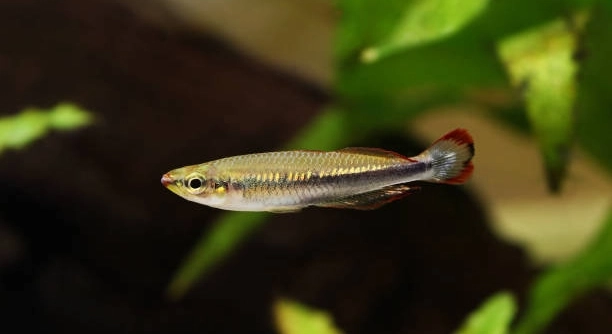
Rainbowfish are small, colorful fish that many people enjoy keeping in home aquariums. Their bright scales and active swimming make them a lively addition to any tank. Watching them interact can be both relaxing and entertaining.
Rainbowfish are capable of recognizing their tank mates to some extent. They use visual cues and swimming patterns to distinguish familiar fish from strangers, which can influence social behavior, reduce aggression, and promote group cohesion within the aquarium environment.
Learning how rainbowfish identify each other helps improve tank harmony. Observing their interactions can provide insights into maintaining a peaceful and balanced aquarium community.
How Rainbowfish Identify Tank Mates
Rainbowfish rely mainly on visual cues to recognize other fish in their tank. Their eyes are adapted to notice subtle differences in size, shape, and coloration. They often remember which fish they have seen frequently and may act more calmly around familiar tank mates. In addition to visual recognition, swimming patterns play an important role. Fish that swim in a similar way or occupy similar areas of the tank are often considered part of the same social group. This helps rainbowfish avoid unnecessary conflicts and reduces stress. In larger tanks, it can take longer for them to recognize all tank mates because they have more space to explore. Consistent observation shows that fish tend to approach familiar companions first during feeding times, demonstrating a level of recognition. Overall, these behaviors highlight that rainbowfish are capable of distinguishing individual fish and forming social preferences in their environment.
Recognition affects group behavior and overall tank harmony. Familiar fish tend to interact more peacefully, reducing stress and aggression.
Observation of these recognition patterns can improve tank management. By understanding how rainbowfish identify others, adjustments in tank setup or population can enhance cohesion. Introducing new fish slowly, placing them in visible areas, and monitoring reactions can help rainbowfish accept newcomers. Lighting and tank decorations may influence recognition by altering sightlines or hiding areas. Maintaining consistent feeding times also allows fish to anticipate familiar companions. In mixed species tanks, some fish may be less recognizable due to different body shapes or colors, requiring extra attention. Tank size plays a role; in smaller aquariums, fish see each other more frequently, strengthening recognition. Over time, rainbowfish may form small subgroups based on familiarity, which can affect swimming patterns and feeding behavior. Regular observation helps identify signs of stress, aggression, or isolation, allowing prompt adjustments. Ultimately, understanding these recognition habits supports a healthier, more peaceful aquarium environment and enhances the overall care of rainbowfish.
Benefits of Recognizing Tank Mates
Recognition promotes calmer behavior among rainbowfish, helping the tank remain balanced and stress-free.
When fish can identify each other, they show less aggression and move more confidently around the tank. Familiar companions tend to feed together, swim in synchronized patterns, and establish a subtle hierarchy that reduces conflict. New fish introduced gradually are accepted faster if the original fish have established social bonds. This recognition also allows rainbowfish to feel more secure in their surroundings. Fish that feel safe are less likely to hide constantly or exhibit erratic movements. Over time, this stability contributes to a healthier environment, encouraging better growth, vibrant colors, and consistent activity levels. Observing these dynamics gives insight into their social structure, helping caretakers make informed decisions about tank population, decoration placement, and feeding routines. The ability to recognize companions is an important aspect of rainbowfish behavior that supports long-term well-being in a communal aquarium.
Social Behavior in Mixed Tanks
Rainbowfish generally maintain peaceful interactions when tank mates are compatible. They swim in groups, establishing loose social hierarchies. Aggression is rare among familiar fish but can occur with new or differently sized species. Observation is key to maintaining harmony.
In mixed tanks, rainbowfish rely on recognition to reduce stress and avoid unnecessary confrontations. They tend to stay closer to familiar companions and often mirror the movements of others in their group. Feeding times reveal clear preferences, with fish approaching known tank mates first. Aggressive behaviors usually target unfamiliar or much smaller fish, highlighting the importance of careful selection. Maintaining visual contact and providing hiding spaces can ease transitions for newcomers and minimize conflicts.
Social hierarchies are subtle but noticeable. Dominant rainbowfish may take the lead during swimming or feeding, while less assertive fish follow. These behaviors stabilize group dynamics and make tank interactions predictable. Proper tank size and decoration placement help all fish feel secure. Over time, rainbowfish adjust to their surroundings, forming small subgroups within larger schools. Recognition of tank mates enhances this stability, reducing stress and improving overall health. By watching interactions closely, caretakers can ensure a balanced environment where all fish coexist peacefully.
Environmental Factors Affecting Recognition
Lighting and tank layout significantly influence rainbowfish recognition. Proper illumination allows clear visibility of colors and shapes, while strategic decoration placement provides spaces to observe and interact safely.
Rainbowfish rely heavily on sight, so consistent lighting is essential. Bright, natural tones help them distinguish tank mates accurately. Tank decorations like plants, rocks, and driftwood create barriers and focal points that reduce stress and encourage social interactions. In overcrowded or poorly lit tanks, recognition may decrease, leading to increased aggression or hiding. Water clarity and filtration also impact visibility; cloudy water can obscure fish and hinder recognition. Maintaining stable water parameters ensures fish remain healthy, alert, and able to engage with familiar companions effectively.
Environmental stability reinforces social bonds among rainbowfish. Tanks with consistent light cycles, proper hiding spots, and clean water allow fish to identify companions easily. Sudden changes, such as rearranging decorations or altering lighting, may temporarily disrupt recognition and lead to confusion or mild aggression. Careful management of these factors supports both physical health and social harmony. Observing how fish interact under different conditions provides insight into their comfort levels and ability to recognize tank mates. Thoughtful tank design promotes predictable, calm behavior, benefiting the entire aquarium community.
Feeding and Recognition
Rainbowfish often feed near familiar tank mates. They feel safer when eating close to companions they recognize. Feeding together reduces stress and ensures more even distribution of food across the tank.
New fish may hesitate during feeding until they recognize others. Gradual introduction and consistent feeding times help rainbowfish accept newcomers, allowing smoother interactions and calmer meals.
Recognizing Stress and Aggression
Changes in behavior often indicate stress or discomfort. Rainbowfish that are stressed may hide, swim erratically, or avoid their usual companions. Aggressive displays, like chasing or nipping, can occur when recognition is unclear or the social balance is disrupted. Observing these signs helps maintain a peaceful environment.
Effects of Tank Size
Tank size impacts how well rainbowfish recognize tank mates. Smaller tanks allow frequent interaction, strengthening familiarity, while larger tanks require more time and observation for fish to establish recognition. Proper space ensures fish feel secure and reduces stress in the aquarium.
Choosing Compatible Tank Mates
Rainbowfish thrive with species that share similar temperaments and swimming patterns. Aggressive or very shy fish can disrupt social balance, so selecting companions carefully improves harmony and reduces potential conflict in a community tank.
FAQ
Can rainbowfish recognize new tank mates immediately?
Rainbowfish usually take time to recognize new tank mates. Their recognition depends on visual cues, swimming behavior, and consistent exposure. Introducing new fish gradually allows them to observe and adjust to the newcomer without triggering stress or aggression.
How long does it take for rainbowfish to recognize others?
Recognition can take several days to a few weeks. Fish become familiar through repeated interactions, observing each other’s movements, and sharing feeding spaces. Smaller tanks with more frequent contact often lead to faster recognition, while larger tanks may slow the process.
Do rainbowfish remember their tank mates?
Yes, rainbowfish can remember familiar tank mates. They often show preference toward companions they have seen regularly, swimming closer to them and feeding alongside them. Familiarity reduces stress and encourages cooperative group behavior in the aquarium.
What behaviors indicate recognition among rainbowfish?
Recognized tank mates often swim together, maintain close proximity, and feed near each other. Aggression is lower toward familiar fish, and movement becomes more synchronized. Fish that avoid or chase new arrivals are likely still assessing them.
Can recognition reduce aggression in a community tank?
Yes, familiarity significantly reduces aggression. Rainbowfish that know their companions are less likely to chase or nip at each other. Providing enough space, hiding spots, and gradual introductions further supports peaceful interactions and maintains tank harmony.
Do environmental factors affect recognition?
Lighting, tank size, decorations, and water clarity all affect recognition. Clear visibility allows rainbowfish to identify companions, while crowded or poorly lit tanks can increase stress and reduce recognition efficiency. Stable conditions help maintain social cohesion.
Can rainbowfish recognize other species?
Recognition is mostly limited to their own species. While they may notice other species, they do not form social bonds or show the same level of familiarity. However, calm and non-aggressive tank mates of other species are generally tolerated.
How do feeding routines influence recognition?
Consistent feeding helps reinforce familiarity. Rainbowfish approach familiar companions first and often eat near them. Gradual introduction of new fish during feeding times can help them integrate without triggering territorial or aggressive behavior.
Does tank size change recognition behavior?
Smaller tanks promote frequent encounters, which helps fish learn and remember each other faster. Larger tanks require longer periods for recognition, as fish interact less frequently. Providing visible spaces and maintaining water clarity can improve recognition in larger tanks.
What should I do if fish do not recognize each other?
If recognition is slow, ensure proper lighting, adequate hiding spaces, and gradual introductions. Avoid overcrowding and monitor stress or aggression signs. Patience is key, as rainbowfish gradually adjust to new companions, forming stable social groups over time.
Are rainbowfish social animals by nature?
Yes, rainbowfish are naturally social. They prefer swimming in groups and benefit from interacting with familiar companions. Group behavior enhances security, reduces stress, and allows more predictable feeding and movement patterns in the tank.
Can stress interfere with recognition?
Stress can make rainbowfish hesitant to interact or recognize tank mates. Poor water quality, sudden changes in decorations, or aggressive fish can disrupt social behavior. Maintaining stable, clean, and comfortable conditions helps fish recognize and bond with companions effectively.
Do rainbowfish recognize companions during nighttime or low light?
Recognition is limited in low light since visual cues are less clear. Fish rely on sight to distinguish tank mates, so dim lighting or darkness reduces recognition efficiency and may temporarily affect social interactions.
How can I encourage better recognition among rainbowfish?
Provide clear lines of sight, consistent feeding routines, and gradual introductions. Avoid sudden changes to the tank environment. Observation and patience allow fish to form bonds naturally, resulting in calmer and more predictable behavior.
Is recognition important for breeding?
Yes, recognition influences breeding behavior. Familiar companions show less stress and more synchronized swimming, which encourages mating displays. Ensuring fish feel comfortable with tank mates supports a stable environment for successful breeding.
Can aggressive species interfere with recognition?
Aggressive species can disrupt recognition by causing stress or forcing fish to hide. Choosing peaceful and compatible tank mates is essential to maintain social bonds and allow rainbowfish to recognize and interact with each other safely.
Do rainbowfish recognize each other by color or pattern?
Color and pattern are key visual cues. Fish use these differences to identify familiar companions. Subtle changes in markings or size can influence recognition, while fish with similar appearances are more easily accepted into established groups.
What is the role of swimming patterns in recognition?
Swimming patterns help rainbowfish distinguish tank mates. Fish that move similarly or maintain consistent positions in the tank are often considered familiar, reinforcing social bonds and reducing conflict. Changes in movement may indicate stress or unfamiliarity.
Can overcrowding affect recognition?
Yes, overcrowding makes it harder for rainbowfish to recognize each other. Frequent encounters and limited space can increase stress and aggression. Providing ample room for movement and hiding spaces ensures fish can establish familiarity without tension.
Does water clarity impact recognition?
Clear water is essential for visual recognition. Cloudy or murky conditions obscure color, shape, and movement, making it difficult for rainbowfish to identify companions. Maintaining filtration and clean water supports social stability and calm interactions.
Can rainbowfish recognize each other after separation?
After a period apart, rainbowfish may take time to reestablish recognition. Familiar companions are usually remembered, but fish may display cautious behavior until they confirm previous social bonds remain intact. Gradual reintroduction helps reduce stress and aggression.
Do juvenile rainbowfish recognize tank mates differently than adults?
Juveniles rely more on proximity and movement patterns than color, which develops fully later. Adults use both color and behavior to recognize companions. Juvenile interactions are less structured but still establish early social familiarity.
Are all rainbowfish equally good at recognition?
Individual differences exist. Some fish are naturally more social and observant, while others may be shy or less attentive. Consistent exposure and stable environments can help less social fish learn and recognize companions over time.
How important is observation for caretakers?
Observation is critical. Monitoring interactions, feeding behavior, and social patterns helps detect recognition issues or stress. Adjusting tank conditions, population, or environment based on observations ensures rainbowfish maintain calm and familiar social relationships.
Can recognition influence color development?
Yes, reduced stress from familiar companions encourages vibrant colors. Rainbowfish in supportive social groups show brighter scales, while isolated or stressed fish may lose some coloration. Maintaining recognized tank mates benefits both social behavior and appearance.
Does age impact recognition ability?
Older rainbowfish may recognize companions more reliably due to experience and memory. Younger fish may require longer periods to establish familiarity, but consistent exposure accelerates recognition and social comfort within the tank.
Can rainbowfish recognize their reflection in a mirror as a companion?
No, they generally do not mistake reflections for actual companions long-term. Initial curiosity may occur, but fish soon learn the reflection does not respond, differentiating it from real tank mates.
What signs indicate recognition is successful?
Signs include calm swimming near familiar fish, synchronized movements, peaceful feeding, and reduced aggression. Fish that approach known companions quickly and remain relaxed are demonstrating effective recognition.
How can I support rainbowfish in large community tanks?
In large tanks, provide clear sightlines, consistent feeding schedules, and strategic decoration placement. Gradual introduction of new fish, monitoring stress, and ensuring compatible species help rainbowfish recognize and bond with tank mates efficiently.
Does recognition affect overall health?
Yes, familiar companions reduce stress, which improves appetite, activity levels, and immunity. Fish that recognize each other are calmer, feed better, and display natural behavior patterns, supporting long-term health and well-being.
Can recognition be retrained if disrupted?
Yes, consistent exposure, gradual reintroductions, and stable tank conditions can retrain recognition. Fish may initially display caution, but over time they relearn social bonds and restore calm interactions.
Do rainbowfish use other senses besides sight for recognition?
Sight is primary, but other senses like smell and lateral line detection may play minor roles. Movement patterns, water currents, and subtle chemical cues can complement visual recognition, especially in low light or complex tanks.
Is recognition more important in breeding tanks?
Recognition reduces stress and supports synchronized mating behavior. Fish familiar with each other engage more confidently, swim together, and display proper courtship patterns, increasing the likelihood of successful breeding outcomes.
Can disease or poor health affect recognition?
Yes, sick or weak fish may be ignored or avoided by companions. Health problems can alter movement and appearance, making it harder for others to recognize them. Maintaining strong water quality and nutrition supports recognition and social stability.
Does recognition influence hierarchy in the tank?
Yes, familiar fish establish subtle hierarchies. Dominant individuals take lead positions, while others follow. Recognition reduces unnecessary conflict, making hierarchy more predictable and supporting peaceful interactions.
Can recognition prevent bullying in the aquarium?
While it cannot prevent all conflict, recognition reduces stress and aggression. Fish that know each other are less likely to harass companions. Proper introductions, compatible species, and adequate space further prevent bullying behaviors.
How does recognition develop over time?
Recognition strengthens gradually through repeated interactions. Early exposure, consistent routines, and stable environmental conditions allow fish to form lasting familiarity, leading to calmer, more predictable social behavior in the tank.
Do rainbowfish recognize tank mates after seasonal changes or temperature shifts?
Yes, but sudden changes can temporarily disrupt recognition. Fish may become cautious or hide. Maintaining gradual environmental adjustments helps preserve social bonds and minimizes stress.
Can recognition improve feeding efficiency?
Familiar companions reduce competition and stress during feeding. Fish eat more confidently and distribute themselves evenly, preventing dominance or missed meals. Recognition supports calm and organized feeding behavior, benefiting all fish in the tank.
Is recognition equally important for all types of rainbowfish?
Yes, though patterns may vary. Most species rely on visual and behavioral cues to identify companions. Social species particularly benefit from recognition, as it promotes group cohesion, reduces stress, and supports healthy tank dynamics.
What if rainbowfish seem to ignore each other?
They may be stressed, overcrowded, or still unfamiliar with tank mates. Adjusting tank conditions, providing space, and allowing gradual introductions help them recognize companions and restore normal social behavior.
Do rainbowfish recognize tank mates after a move to a new aquarium?
Recognition may be temporarily disrupted. Stress and unfamiliar surroundings can make fish cautious. Over time, fish reestablish familiarity if conditions are stable, allowing social bonds and recognition to return.
How can recognition improve tank aesthetics?
Calm, synchronized swimming of familiar companions creates a visually appealing scene. Fish that interact confidently display their colors fully, maintain group cohesion, and reduce chaotic movements, making the aquarium more enjoyable to watch.
Are there signs of failed recognition?
Signs include constant chasing, hiding, erratic swimming, and refusal to feed near companions. Addressing tank size, species compatibility, or environmental conditions can help restore recognition and calm behavior.
Can recognition help with acclimating new fish?
Yes, introducing new fish slowly while allowing visual contact from a distance helps rainbowfish recognize them. Gradual acclimation reduces stress and promotes smooth integration into established social groups.
Does recognition affect long-term bonding among rainbowfish?
Yes, consistent exposure and familiarity create lasting social bonds. Fish remain calmer, maintain predictable swimming patterns, and interact peacefully, enhancing overall tank stability and well-being.
How important is patience in supporting recognition?
Patience is essential. Rainbowfish need time to observe, assess, and become comfortable with companions. Rushing introductions or changing the environment too quickly can hinder recognition and increase stress.
Do rainbowfish recognize companions after illness recovery?
Yes, though fish may initially be cautious. Gentle reintroduction and stable conditions allow them to reestablish recognition and resume normal social behavior, supporting recovery and overall well-being.
Can recognition be enhanced through tank design?
Yes, clear sightlines, strategic decorations, and defined swimming areas allow fish to observe and identify companions. Proper design reduces hiding, encourages group swimming, and strengthens familiarity among tank mates.
Are there limits to rainbowfish recognition?
Rainbowfish primarily recognize species-specific companions. Recognition may be limited in large groups, crowded tanks, or with frequent environmental changes. Stable conditions and careful management maximize recognition potential.
Does recognition influence overall activity levels?
Recognized companions reduce stress and encourage confident swimming. Fish are more active, feed regularly, and explore their environment safely, supporting both physical and social health within the aquarium.
How can I tell if recognition is improving?
Look for calmer interactions, synchronized swimming, reduced aggression, and relaxed feeding behavior. Fish spending more time near familiar companions indicate growing recognition and social comfort.
What role does water temperature play in recognition?
Stable water temperature keeps fish comfortable and alert, which supports recognition. Sudden temperature changes can stress rainbowfish, making them hesitant to interact or recognize tank mates.
Can rainbowfish recognize companions by scent?
Scent likely plays a minor role, supplementing visual recognition. Fish may detect chemical cues in the water, but sight remains the primary method for identifying companions and assessing familiarity.
Do rainbowfish recognize tank mates across partitions?
Yes, they can observe companions through clear partitions. Visual cues allow limited recognition, which helps reduce stress during quarantine or gradual introductions. Interaction is limited but familiarity develops over time.
Is recognition stronger in established groups?
Yes, groups with long-term familiarity show stronger social bonds, calmer behavior, and less aggression. New fish require gradual exposure to integrate fully and achieve similar recognition levels.
How can I maintain recognition in a long-term tank?
Keep stable environmental conditions, consistent feeding routines, and compatible tank mates. Avoid frequent rearrangements or sudden introductions. Regular observation ensures fish maintain familiarity and calm social interactions, supporting long-term health and harmony.
Can recognition help prevent fish from hiding excessively?
Yes, familiar companions reduce stress, making fish more confident in exploring the tank. Fish spend less time hiding, interact more with others, and maintain normal swimming and feeding patterns.
Does recognition affect coloration and display behavior?
Recognized companions reduce stress and encourage natural displays. Fish show brighter colors, swim more confidently, and engage in social behaviors, enhancing both appearance and overall well-being.
Can recognition improve overall tank management?
Understanding recognition helps manage population, introduce new fish gradually, and design tank layouts that support social comfort. Recognized companions reduce aggression and stress, making the aquarium easier to maintain and more visually appealing.
Do rainbowfish recognize companions during feeding frenzy?
Yes, familiar companions influence feeding behavior. Fish approach known tank mates first and feed calmly, while unfamiliar fish may be assessed cautiously before joining. Recognition helps prevent competition-related stress.
What are the long-term benefits of recognition?
Recognition supports calm, organized behavior, reduces aggression, enhances color, and improves health. Fish maintain predictable social structures, which simplifies tank management and promotes a stable, visually appealing aquarium environment.
Can recognition be observed in all aquarium conditions?
Recognition is most visible in stable, clear, and appropriately sized tanks. Stressful, overcrowded, or poorly lit conditions can mask recognition behaviors, making observation and management more challenging.
Does recognition play a role in mating selection?
Yes, familiarity reduces stress and encourages courtship behaviors. Rainbowfish display more confidently and pair with compatible companions, increasing the likelihood of successful mating and healthy offspring.
Are there any risks if recognition fails?
Failed recognition can lead to aggression, stress, hiding, uneven feeding, and potential health issues. Careful tank management, compatible companions, and gradual introductions minimize these risks and support long-term social stability.
How can I track recognition progress?
Monitor swimming patterns, proximity, feeding behavior, and aggression levels. Increased calm interactions and synchronized swimming indicate improving recognition. Keeping notes on behavior changes helps evaluate the effectiveness of tank adjustments.
Do rainbowfish recognize companions during water changes?
Temporary disruption may occur due to stress and movement. Fish generally reestablish recognition quickly if conditions remain stable and companions are visible afterward.
Can recognition affect schooling behavior?
Yes, familiar companions school more closely and swim in coordinated patterns. Recognition promotes cohesive group movement, reducing stress and improving overall tank dynamics.
How does recognition influence hiding behavior?
Fish familiar with tank mates hide less and explore more confidently. Unfamiliar or aggressive companions may cause excessive hiding, which can be reduced by maintaining stable social groups and environmental conditions.
Can recognition help in preventing disease spread?
Indirectly, calmer, less stressed fish are less susceptible to illness. Recognition reduces aggressive interactions that can cause injury, which helps lower the risk of infection or disease transmission.
Do rainbowfish show preference for certain tank mates?
Yes, they often prefer companions they have recognized for longer periods. These preferences influence swimming patterns, feeding behavior, and social interactions, promoting stability within the aquarium.
Can recognition improve overall aquarium aesthetics?
Yes, familiar fish swim in synchronized groups, display colors fully, and reduce erratic movements, creating a visually appealing, calm, and organized tank environment.
How often should I monitor recognition behavior?
Regular daily observation during feeding and active periods is ideal. Noting interactions and responses to newcomers helps maintain social harmony and identify issues early.
Are there signs that recognition is complete?
Fish swim calmly near companions, feed without hesitation, maintain consistent proximity, and display minimal aggression. These behaviors indicate established familiarity and social comfort.
Can recognition be disrupted by frequent tank rearrangements?
Yes, sudden changes in decorations, hiding spots, or layout can temporarily confuse fish, affecting recognition. Gradual adjustments help maintain familiarity and social stability.
Do rainbowfish recognize companions of similar size more easily?
Yes, size similarity aids recognition. Fish of drastically different sizes may be assessed cautiously or avoided, as differences influence perceived threat or dominance levels.
Can recognition help during breeding separation?
Yes, fish separated temporarily can reestablish familiarity quickly upon reintroduction, reducing stress and promoting normal social and mating behavior.
Do rainbowfish recognize companions through water currents or movement?
They use movement patterns to identify companions. Currents help transmit subtle cues, but sight remains the dominant method for recognition.
How does recognition affect feeding hierarchy?
Recognized companions often follow unspoken feeding order, reducing competition and stress. Dominant fish may eat first, while others wait, creating predictable and calmer feeding behavior.
Can recognition improve survival in mixed-species tanks?
Yes, calm interactions and reduced aggression from familiarity help rainbowfish coexist safely with compatible species, reducing injuries and stress-related health issues.
Does recognition decline with age or health issues?
Health problems or extreme old age can reduce responsiveness and social interaction. Maintaining good water quality, nutrition, and calm tank conditions supports recognition even in older or recovering fish.
Can recognition be influenced by gender?
Males and females may interact differently, especially during breeding. However, both genders recognize familiar companions and benefit from social stability in the tank.
Is recognition linked to intelligence in rainbowfish?
Recognition requires memory, observation, and social awareness. While not an advanced intelligence, it demonstrates cognitive
Rainbowfish are fascinating creatures, not just because of their bright colors but also because of their social behavior. Their ability to recognize tank mates plays a big role in how they interact within an aquarium. Fish that know each other tend to swim calmly together, feed near one another, and avoid unnecessary aggression. This recognition helps establish a subtle social hierarchy that keeps the group stable. Even small changes in the tank, like introducing a new fish or rearranging decorations, can temporarily disrupt recognition, but with patience and careful observation, rainbowfish adjust and restore their social bonds. Understanding how these fish identify companions can help maintain a healthy and balanced tank environment.
Maintaining a tank where rainbowfish recognize their companions involves several key factors. Lighting, tank size, and clear visibility are important because rainbowfish rely heavily on sight. Proper decorations and hiding spots allow fish to interact safely and observe each other without stress. Gradual introductions of new fish give rainbowfish time to adjust and learn who belongs in their group. Consistent feeding routines also reinforce familiarity, as fish tend to eat near known companions first. By paying attention to their behavior, caretakers can notice early signs of stress or aggression and make adjustments to maintain harmony. Over time, rainbowfish form lasting bonds with their tank mates, creating a more predictable and peaceful aquarium environment for everyone involved.
Recognizing tank mates not only affects social behavior but also has wider benefits for health and well-being. Fish that feel comfortable with their companions are less stressed, which supports strong immune systems and encourages natural activity. Calm fish display brighter colors, swim in coordinated groups, and feed more confidently, which makes the tank more lively and visually appealing. Even in mixed-species tanks, rainbowfish can benefit from familiarity with other fish of similar temperament, as this reduces tension and helps establish a peaceful environment. Observing these behaviors and creating conditions that support recognition can make a significant difference in the success of an aquarium. By understanding the role of recognition, caretakers can ensure that rainbowfish thrive, maintain healthy social bonds, and display their full natural beauty, making the tank a balanced and enjoyable space for both fish and their observers.

Hello,
If you enjoy the content that we create, please consider saying a "Thank You!" by leaving a tip.
Every little bit helps us continue crafting quality advice that supports the health, happiness, and well-being of pets around the world, for pets of all shapes, sizes, and species.
We really appreciate the kindness and support that you show us!