
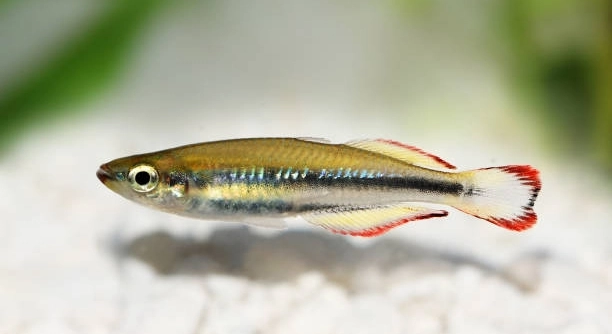
Are your rainbowfish new to their tank and showing subtle signs of adjusting? Observing their behavior closely can reveal whether they are comfortable and beginning to feel secure in their environment. Small changes often indicate adaptation.
Rainbowfish settling into a new tank exhibit consistent swimming patterns, regular feeding habits, and interaction with other fish. Coloration may gradually intensify, and they may explore the environment confidently. Recognizing these behaviors allows owners to confirm healthy acclimation and comfort.
Understanding these cues ensures your rainbowfish remain healthy and thrive in their habitat. Observing these subtle signs will enhance your care and appreciation of their behavior.
Active Swimming and Exploration
When rainbowfish begin to settle in, their swimming becomes more purposeful. They no longer hide in corners but glide through the tank confidently. You may notice them exploring plants, decorations, and open spaces with curiosity. These movements are consistent and smooth, showing they are adapting to the new environment. Over time, their activity level balances between exploration and rest. Observing this behavior can reassure you that your fish is not stressed or disoriented. Consistent swimming patterns also indicate good water quality and a healthy diet. Younger fish may be more energetic, while adults show controlled, steady movements. Even small changes, like circling familiar objects or interacting with other fish, are positive signs. Subtle behavioral shifts can reveal when they are comfortable with temperature, lighting, and tank mates. Monitoring these actions daily allows you to notice early signs of stress or illness. A calm, active fish generally indicates a stable, well-maintained aquarium environment.
Active swimming shows your rainbowfish feels secure and is confidently exploring its new habitat without fear or hesitation.
Regular observation of movement patterns helps identify if your rainbowfish is truly acclimating. These swimming habits reflect both comfort and health.
Appetite and Feeding Behavior
Rainbowfish that are adjusting well usually show interest in food soon after introduction.
A consistent appetite and eagerness to feed are strong indicators of comfort. Fish that explore the surface or mid-level of the tank for food demonstrate trust and adaptation. Gradually, they may learn feeding routines and interact with other fish during mealtime. Monitoring how quickly they approach food and whether they compete gently with tank mates provides insight into their stress levels. Any hesitation or refusal to eat may signal a need to adjust water conditions or feeding schedules. Over time, rainbowfish often display preference for specific types of food, such as flakes, pellets, or live options, which can help maintain their nutritional balance. Feeding behavior also correlates with overall activity; fish that feed confidently tend to swim actively and explore more. Recording observations for the first few weeks can help track progress, ensuring they are developing healthy habits. Proper feeding routines support growth, immunity, and long-term well-being in a new environment.
Gradual Color Development
Rainbowfish often display more vibrant colors as they settle in. Dull or muted shades usually brighten within the first few weeks. This change signals reduced stress and proper acclimation. Color intensity reflects comfort, health, and adaptation to tank conditions.
Proper lighting, stable water parameters, and a balanced diet contribute to this transformation. Fish that are nervous or stressed may retain pale colors for longer. Observing gradual changes can help determine if their environment is suitable. Consistent monitoring ensures that any sudden fading or unusual patterns are addressed promptly. Brightening colors indicate not only settling in but also overall well-being. Maintaining stable conditions allows their natural hues to emerge fully, enhancing the beauty of the tank and the satisfaction of observing healthy, comfortable fish.
Gradual color development shows your rainbowfish is comfortable, healthy, and adapting to its environment. It is a clear sign of successful acclimation.
Interaction with Tank Mates
Rainbowfish begin to engage with other fish more confidently as they settle. They swim together or follow similar paths without aggression.
Healthy social interactions include synchronized swimming, brief chases, and shared exploration. Fish that settle well respect boundaries and establish gentle hierarchies. Aggression is minimal, and peaceful coexistence becomes the norm. Over time, you may notice subtle coordination, such as swimming in parallel or reacting to the movements of tank mates. This behavior demonstrates trust, comfort, and confidence in the environment. Observing interactions also helps detect potential conflicts early, allowing adjustments to prevent stress or injury. Social engagement reflects both emotional and physical health, showing your rainbowfish is fully adapting. Consistent group behavior signals a balanced tank, where each fish is aware of its surroundings, feeding patterns, and companions. This social harmony contributes to overall stability and a thriving aquatic ecosystem within the tank.
Comfortable Hiding Spots
Rainbowfish use hiding spots to feel secure, especially when new. They may retreat to plants, rocks, or decorations briefly, then return to open swimming.
Frequent use of these spots early on indicates cautious adaptation. As confidence grows, they spend less time hiding and explore more of the tank, showing comfort and trust in their surroundings.
Consistent Resting Patterns
Settling rainbowfish develop regular resting periods. They hover near the middle or bottom of the tank without appearing stressed or lethargic.
Consistent resting reflects healthy energy management and adaptation to the environment. Fish that rest predictably are likely adjusting well, maintaining balance between activity and relaxation. Proper rest also supports growth, immunity, and overall tank harmony.
Response to Environmental Changes
Rainbowfish gradually respond calmly to minor changes, like water flow or light adjustments. Sudden, erratic movements decrease over time, showing adaptation.
Observing steady reactions to the environment signals that your rainbowfish is settling in. They learn to navigate currents, lighting shifts, and new objects without stress, reflecting comfort and stability in their habitat.
How long does it take for rainbowfish to settle in?
Rainbowfish generally begin showing signs of settling within the first two weeks. Some fish may take longer, especially if they are young or the tank environment differs significantly from their previous habitat. Consistent feeding, proper water parameters, and minimal stress help them acclimate faster. Observing behavior like regular swimming, exploration, and feeding patterns provides clues about their comfort level. Fish that remain hidden or pale may need more time or slight adjustments to water quality, lighting, or tank setup. Patience is important, as forcing interaction can increase stress.
What are the most obvious signs that a rainbowfish is comfortable?
A comfortable rainbowfish swims confidently throughout the tank, shows vibrant coloration, and feeds regularly. They explore decorations, interact with tank mates peacefully, and occasionally rest in predictable areas. Calm responses to minor changes, such as water flow or light adjustments, indicate adaptation. Observing these behaviors consistently is key.
Why is color intensity important for rainbowfish?
Color intensity reflects both health and stress levels. Pale or dull colors often indicate discomfort, illness, or poor water conditions. Gradually brightening colors suggest proper acclimation, good nutrition, and a stress-free environment. Stable conditions support their natural hues, making the tank visually appealing and confirming overall well-being.
How can I encourage healthy social interactions?
Placing rainbowfish in groups of appropriate size helps them establish natural social patterns. Providing hiding spots and open swimming areas prevents territorial disputes. Observing interactions ensures peaceful coexistence, and adjusting tank layout or numbers can reduce stress. Social engagement reflects confidence and adaptation.
Should I be concerned if my rainbowfish hides frequently?
Frequent hiding is normal during early acclimation. They use plants or decorations for security while adjusting to new surroundings. Over time, hiding should decrease as confidence grows. If prolonged, it may indicate stress, illness, or unsuitable water conditions that need addressing.
How does feeding behavior show that a rainbowfish is settling in?
Rainbowfish that feed regularly and approach food confidently are showing signs of comfort. They learn feeding routines, interact gently with tank mates during mealtime, and may display preferences for certain foods. Hesitation or refusal to eat suggests stress or environmental issues that require correction.
Can environmental changes affect settling?
Yes, sudden changes in lighting, water flow, or tank decorations can stress rainbowfish. Gradual adjustments and stable conditions support confidence and adaptation. Observing calm responses to small changes signals that they are settling well.
What role does rest play in adaptation?
Consistent resting patterns reflect healthy energy management and comfort. Fish that hover predictably without lethargy demonstrate adaptation. Proper rest supports growth, immunity, and long-term well-being, making it an essential indicator of acclimation.
Is it normal for rainbowfish to explore less at first?
Yes, initial caution is natural. Rainbowfish gradually increase exploration as they become comfortable. Early hesitation allows them to assess safety and adjust to tank dynamics. Over time, confident swimming and curiosity indicate successful adaptation.
How can I tell if my rainbowfish is stressed or unhealthy?
Signs include prolonged hiding, pale coloration, erratic swimming, or refusal to eat. Monitoring these behaviors alongside water quality and tank conditions helps identify problems early. Prompt adjustments improve comfort, health, and adaptation, ensuring your rainbowfish thrives in its environment.
What maintenance helps rainbowfish settle faster?
Regular water changes, stable temperature, proper filtration, and a balanced diet support acclimation. Keeping the tank clean and minimizing sudden disturbances reduce stress. Observing behavior daily allows quick identification of any concerns. A calm, consistent environment encourages confident swimming, social interaction, and vibrant colors.
How important is tank setup for settling?
A well-structured tank with hiding spots, open swimming areas, and compatible tank mates supports comfort. Plants, rocks, and decorations provide security and exploration opportunities. Proper lighting and water flow contribute to natural behavior, allowing rainbowfish to adapt efficiently and display healthy activity.
Can rainbowfish settle in any size tank?
While they can adapt to various tank sizes, providing sufficient space reduces stress and allows natural behavior. Overcrowding or limited swimming areas can hinder social interaction, exploration, and confidence. A thoughtfully designed tank promotes faster settling and long-term well-being.
How do I track progress in acclimation?
Daily observation of swimming, feeding, color, social interaction, and resting patterns provides clear indicators of adaptation. Recording notes over the first few weeks helps identify improvements or areas needing adjustment. Consistent monitoring ensures a healthy, comfortable environment for your rainbowfish.
What should I do if progress is slow?
Evaluate water parameters, feeding routines, tank setup, and social dynamics. Minor adjustments, such as adding hiding spots or improving water quality, can reduce stress. Patience is essential, as some fish naturally require more time to settle. Tracking behavior helps confirm improvements and long-term comfort.
How can I maintain comfort once settled?
Continue stable feeding, regular maintenance, and observation of social interactions. Avoid sudden environmental changes and provide enrichment through plants and decorations. Maintaining these practices ensures that rainbowfish remain confident, healthy, and vibrant in their habitat over time.
Rainbowfish settling into a new tank take time, and observing their behavior is key to understanding how comfortable they are. Signs such as consistent swimming, exploring their environment, and interacting with tank mates indicate that they are adjusting well. Gradual improvements in color, regular feeding, and predictable resting patterns all point to healthy adaptation. Early hiding is normal, but as confidence grows, they begin to swim more openly and explore decorations and plants. Paying attention to these subtle cues helps ensure that the tank environment is suitable and supports their well-being. Changes in behavior, color, or appetite can signal a need to review water quality, lighting, or tank layout. Maintaining a stable environment allows rainbowfish to display natural behaviors and gradually settle in without unnecessary stress. Observing them daily also builds familiarity with their habits, making it easier to spot any issues early and respond effectively to keep them healthy.
Providing a supportive environment requires attention to both the physical and social aspects of the tank. Hiding spots, open swimming areas, and gentle water flow help create a sense of security. Proper tank mates encourage social interaction while minimizing stress or aggression. Feeding routines play a significant role in helping rainbowfish feel secure, as confident eating indicates comfort. Consistent care, including water changes, monitoring temperature, and maintaining clean filtration, allows the fish to thrive. Gradual exposure to environmental changes, rather than sudden shifts, helps them adapt calmly. Tracking their progress through observation ensures that any necessary adjustments can be made without causing additional stress. This approach fosters confidence, supports natural behaviors, and allows the fish to develop strong immunity and resilience over time. The overall health and appearance of the rainbowfish reflect the quality of care and the stability of their environment.
Understanding the process of settling in allows for a more enjoyable and rewarding experience as a caretaker. Observing the gradual development of color, swimming confidence, and social interaction provides reassurance that the fish are adjusting well. Over time, the subtle changes become noticeable, and their comfort becomes evident through behavior and appearance. Maintaining a calm and consistent environment encourages continued adaptation and long-term health. By supporting their physical needs, monitoring behavior, and providing a structured, secure habitat, rainbowfish can thrive and display their natural beauty. Awareness and patience during this period are essential, as each fish adjusts at its own pace. The combination of careful observation, stable conditions, and thoughtful care ensures that rainbowfish not only settle successfully but continue to flourish in their new home.

Hello,
If you enjoy the content that we create, please consider saying a "Thank You!" by leaving a tip.
Every little bit helps us continue crafting quality advice that supports the health, happiness, and well-being of pets around the world, for pets of all shapes, sizes, and species.
We really appreciate the kindness and support that you show us!