
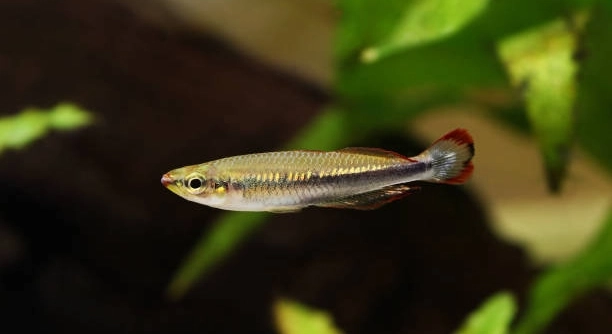
Have you ever noticed your rainbowfish repeatedly swimming against the glass of their aquarium? Many fish owners observe this behavior and often feel unsure about what it means for their pet’s well-being. This action can be puzzling.
Rainbowfish may swim against the glass due to stress, reflections, or environmental factors. Overcrowding, poor water quality, and sudden changes in light can trigger this behavior, while their natural curiosity or perception of their own reflection may also contribute.
Observing these patterns can help you improve your aquarium setup and ensure your rainbowfish remain healthy and active in their environment.
Understanding Glass Swimming Behavior
Many rainbowfish swim against the glass because they see reflections or react to changes in their environment. Bright lights, shadows, or objects outside the tank can catch their attention, prompting them to investigate or even chase their own reflection. Stress is another reason, especially if the tank is overcrowded or water conditions are not ideal. Fish often use repetitive movements as a way to cope with discomfort or uncertainty. Observing their swimming patterns can reveal whether the behavior is occasional or persistent, which helps determine if intervention is necessary. Small adjustments like rearranging decorations, adding hiding spots, or reducing light intensity can make a noticeable difference. It is important to monitor their behavior over time, as continuous glass swimming may indicate underlying health or environmental issues. Understanding these signs allows you to provide a more suitable habitat that keeps your rainbowfish calm and active, improving both their physical and mental well-being.
Stress and environmental changes are common triggers for glass swimming, and careful observation can help manage these factors effectively.
Providing a stable environment with consistent water parameters and adequate space is key. Regular maintenance, such as checking water temperature, pH, and filtration, prevents stress. Adding plants and hiding spots allows fish to feel secure, reducing repetitive swimming. Simple changes like repositioning the tank or softening light can minimize reflections. Maintaining a proper feeding schedule and avoiding overcrowding ensures each fish has enough room and resources. Observing how fish respond to adjustments helps you fine-tune their habitat. Over time, rainbowfish usually exhibit calmer, more natural swimming behavior. Recognizing patterns and responding quickly promotes healthier, more active fish, making their aquarium more enjoyable for both the fish and the owner. Consistency and attention to detail in tank care are essential for preventing stress-related behaviors.
Reflection and Interaction Effects
Reflections in the glass often trigger swimming behavior, especially when the tank is brightly lit or positioned near windows.
Rainbowfish perceive their reflections as other fish, which can lead to chasing or territorial displays. The angle and intensity of light, as well as the clarity of the glass, influence how often this occurs. Positioning the tank away from direct sunlight and using background decorations can reduce reflections and help fish feel more secure. Mirrors or shiny objects placed near the tank can also intensify the behavior, so minimizing these is important. Interaction with reflections is usually harmless, but prolonged chasing can increase stress and fatigue. By adjusting lighting and tank surroundings, you can create a calmer environment that reduces this repetitive behavior. Observing your fish’s response to these changes is crucial for understanding their needs. Over time, most rainbowfish learn to ignore reflections and swim naturally, enhancing their overall well-being. Proper tank setup, combined with attentive care, ensures your fish remain active, healthy, and comfortable in their environment.
Tank Size and Space
A small or crowded tank can make rainbowfish feel trapped, causing them to swim against the glass more often. They need space to explore and establish territories to feel secure and behave naturally.
Providing an adequately sized tank is essential. Overcrowding stresses fish and can lead to constant swimming against the glass, as they try to escape or find space. Each rainbowfish needs room to move freely and interact without competition for territory. Ensuring proper filtration and circulation also helps maintain water quality, which reduces stress. By increasing space and improving tank conditions, the fish can develop healthier swimming patterns and display more natural behaviors over time, making the aquarium a calmer environment.
Adding decorations and hiding spots can give rainbowfish a sense of security and reduce repetitive glass swimming. Plants, rocks, and caves allow them to feel protected, creating areas for resting and exploring without feeling exposed. A varied tank layout keeps them engaged and less focused on reflections or boundaries. Observing how they use these spaces can guide further adjustments. Proper spacing and thoughtful arrangement of the aquarium help maintain their physical health and mental comfort, supporting long-term wellbeing and reducing stress-related behaviors.
Water Quality and Maintenance
Regular maintenance is crucial for keeping rainbowfish healthy and calm. Poor water conditions often trigger stress behaviors, including glass swimming.
Maintaining clean water involves consistent testing and adjustments. Temperature, pH, ammonia, and nitrate levels must be monitored to ensure stability. Sudden changes or neglect can increase stress, causing repetitive swimming against the glass. Routine water changes, proper filtration, and removing debris all contribute to a stable environment. Balanced feeding practices and avoiding overfeeding prevent water contamination, which further reduces stress. Healthy water quality supports the fish’s natural behaviors, encourages normal swimming patterns, and minimizes anxiety.
Proper maintenance also includes observing fish for early signs of illness or discomfort. Cloudy water, unusual swimming, or lethargy can indicate problems that need addressing. Timely intervention helps prevent long-term stress and behavioral issues. Combining water care with adequate tank space, hiding spots, and minimal reflection reduces glass swimming. By staying attentive to both environmental and physical health, rainbowfish are more likely to thrive, displaying calmer and more natural behaviors. This consistent care ensures a healthier, more stable aquarium ecosystem for all inhabitants.
Light and Reflection
Excessive light or reflections from the glass can make rainbowfish react by swimming repeatedly against the tank walls. Adjusting the light intensity or repositioning the tank often reduces this behavior.
Placing the aquarium away from direct sunlight or bright room lights helps minimize reflections. Using a background or dimming the lighting creates a calmer environment and lowers stress for the fish.
Social Dynamics
Rainbowfish may swim against the glass due to interactions with tank mates. Territorial disputes, hierarchy, or overcrowding can trigger this behavior.
Feeding and Routine
Irregular feeding schedules or competition during meals can increase stress, prompting glass swimming. Maintaining a consistent routine helps fish feel secure and reduces anxious behavior.
FAQ
Why do rainbowfish swim against the glass so often?
Rainbowfish swim against the glass for a few common reasons. Reflections in the glass can make them think another fish is nearby, triggering chasing behavior. Stress from overcrowding, poor water quality, or sudden changes in light also leads to repetitive swimming. Providing space, hiding spots, and stable water conditions usually reduces this behavior.
Is this behavior harmful to my rainbowfish?
Occasional glass swimming is usually harmless, but constant swimming can stress fish and lead to fatigue or weakened immune systems. If the behavior is frequent, it’s a sign that environmental factors or tank setup need adjustment. Observing patterns can help you address issues early.
Can reflections in the tank be prevented?
Yes, reflections can be reduced by repositioning the tank away from bright lights and windows. Using a background or plants helps break reflections, creating a calmer environment. Dimmer lighting or covering part of the glass can also reduce chasing of reflections.
Does tank size affect glass swimming?
Tank size directly impacts rainbowfish behavior. A small or overcrowded tank makes fish feel confined, leading them to swim against the glass. Providing enough space for each fish and ensuring proper filtration and circulation reduces stress and promotes natural swimming patterns.
Do hiding spots help reduce this behavior?
Adding plants, rocks, and caves gives rainbowfish secure areas to retreat and explore. Hiding spots help them feel protected and can significantly reduce repetitive glass swimming. Observing which areas fish prefer can guide further tank decoration adjustments.
Can water quality trigger this behavior?
Yes, poor water quality stresses fish, causing abnormal behaviors like glass swimming. Maintaining stable temperature, pH, and low ammonia or nitrate levels is critical. Regular water changes, proper filtration, and balanced feeding ensure a healthy environment that supports natural behaviors.
Does light intensity influence this behavior?
Bright or fluctuating light can trigger glass swimming. Fish may react to sudden changes or reflections. Using consistent, moderate lighting and avoiding direct sunlight helps create a calm environment that reduces stress-related behavior.
Can social interactions cause glass swimming?
Rainbowfish are social, but overcrowding or aggressive tank mates can cause anxiety. Territorial disputes may make fish chase reflections or swim rapidly along tank walls. Ensuring a balanced number of fish and observing their interactions reduces stress and repetitive swimming.
How long does it take for fish to adjust?
Adjustment depends on the cause and changes made. After improving water quality, tank layout, or lighting, most rainbowfish begin calmer, more natural swimming within days to weeks. Consistency in routine and environment helps fish feel secure faster.
Is diet related to this behavior?
Irregular feeding or competition can increase stress, prompting glass swimming. Feeding on a consistent schedule and ensuring all fish receive food reduces anxiety and encourages normal activity. Observing their behavior during meals helps identify if feeding habits need adjustment.
What should I monitor to prevent this behavior?
Regularly check tank size, water quality, lighting, social dynamics, and feeding routines. Observing how fish respond to changes helps maintain a stable environment. Proactive adjustments prevent stress, promote natural behavior, and reduce glass swimming over time.
Can this behavior indicate illness?
Frequent, obsessive glass swimming can sometimes signal health issues, such as parasites or infections. Watch for other symptoms like lethargy, discoloration, or unusual swimming patterns. Consulting a veterinarian experienced with fish ensures proper diagnosis and treatment if needed.
Are all rainbowfish prone to this behavior?
Some species and individuals are more sensitive to reflections or stress. While occasional glass swimming is common, persistent behavior usually reflects environmental stress or tank conditions. Tailoring care to the specific species and observing individual habits can reduce this behavior.
Will rearranging the tank help?
Yes, changing decorations, adding hiding spots, or adjusting plant placement can reduce stress and reflection issues. Fish respond well to changes that provide security and variation in their environment. Monitoring behavior after rearranging helps identify effective adjustments.
How can I create a calmer tank environment?
Ensure proper tank size, consistent water quality, moderate lighting, adequate hiding spots, balanced feeding, and compatible tank mates. Observing fish reactions and making small, gradual adjustments creates a stable environment that reduces repetitive glass swimming.
Are there long-term effects if nothing changes?
Persistent stress from environmental issues can weaken the immune system, reduce lifespan, and make fish more susceptible to illness. Addressing causes early ensures healthier, more active rainbowfish and prevents stress-related behaviors from becoming chronic.
How often should I check the tank?
Regular checks are essential. Daily observation of fish behavior and weekly water testing helps catch potential problems early. Adjustments to lighting, decorations, or feeding routines can be made as needed to maintain a healthy, stress-free environment.
Does tank location matter?
Yes, placing the aquarium in a quiet area away from excessive foot traffic, loud noises, or sunlight reduces stress and reflections. A stable, low-traffic location helps fish feel secure, promoting calmer swimming and overall well-being.
Can companionship reduce glass swimming?
Rainbowfish are social, and having compatible tank mates can reduce stress. Proper group sizes allow natural schooling behavior, making fish feel safer and less likely to fixate on reflections or boundaries. Balance and compatibility are key for a peaceful tank environment.
What small changes make the biggest difference?
Consistent lighting, stable water parameters, sufficient space, hiding spots, and a predictable feeding routine are simple adjustments with significant impact. Observing fish behavior and responding promptly to stress signs ensures a calmer, healthier aquarium environment.
How do I know if changes are working?
Calmer swimming, reduced chasing of reflections, and more time exploring the tank indicate improvement. Tracking behavior after adjustments helps determine effectiveness and guides further tweaks for optimal fish health.
Are reflections always the main issue?
Not always. Stress, tank size, social dynamics, water quality, and feeding routines all play roles. Reflections are common, but addressing environmental and social factors usually provides more lasting improvement in behavior.
Can stress from sudden changes trigger this?
Yes, rapid changes in temperature, lighting, or tank setup can provoke glass swimming. Gradual adjustments allow fish to adapt without excessive stress, minimizing repetitive behaviors and promoting natural activity.
Is there a way to fully stop glass swimming?
Eliminating all triggers may not always be possible, but reducing reflections, providing space, maintaining water quality, offering hiding spots, and managing social interactions minimizes the behavior. Most rainbowfish show calmer, healthier swimming with consistent care and attention to their environment.
Rainbowfish swimming against the glass is a behavior many owners notice and sometimes worry about. It can appear repetitive or even frantic at times, but in most cases, it is a response to the fish’s surroundings. Factors like reflections in the glass, sudden changes in light, or nearby movement can trigger this behavior. Stress is another key contributor, often linked to overcrowding, poor water quality, or an environment that lacks adequate hiding spots. Observing the fish carefully can help determine whether the swimming is occasional and harmless or a sign of a more serious issue that needs attention. Understanding the reasons behind this behavior allows owners to make small but meaningful changes to create a more comfortable habitat for their fish.
Maintaining a proper tank environment is one of the most effective ways to reduce glass swimming. Ensuring the tank is large enough for all inhabitants gives rainbowfish the space they need to swim naturally. Decorations, plants, and hiding spots provide security and areas to explore, which can reduce stress and repetitive behaviors. Regular water maintenance is equally important, including checking temperature, pH, and levels of ammonia or nitrates. Consistent feeding routines and attention to social dynamics among fish also help minimize anxiety that may lead to excessive swimming against the glass. Small adjustments in lighting, tank placement, or even the addition of a background to minimize reflections can make a noticeable difference in behavior over time.
Addressing the underlying causes of glass swimming benefits both the fish and the aquarium owner. Rainbowfish that feel secure and unstressed are more likely to display natural, healthy behaviors. Observing how they respond to environmental changes provides valuable insight into their needs and preferences, making it easier to create a stable habitat. While occasional glass swimming is normal, persistent behavior signals that the tank conditions or social environment need attention. By taking steps to reduce stress, provide adequate space, and maintain consistent water quality, owners can help their rainbowfish live comfortably and actively. Over time, these practices lead to a calmer, healthier, and more engaging aquarium experience for everyone involved.

Hello,
If you enjoy the content that we create, please consider saying a "Thank You!" by leaving a tip.
Every little bit helps us continue crafting quality advice that supports the health, happiness, and well-being of pets around the world, for pets of all shapes, sizes, and species.
We really appreciate the kindness and support that you show us!