
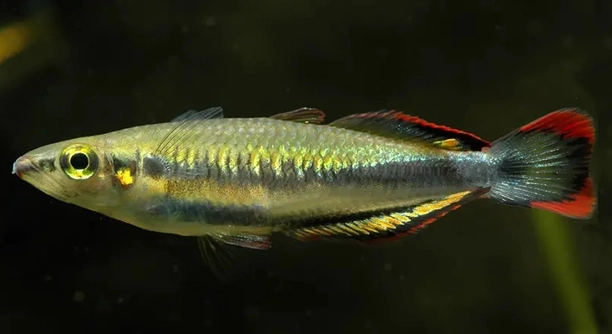
Tank bullying can happen quietly but can affect your fish’s health and comfort. It usually involves one fish dominating the space, chasing others, or limiting access to food and hiding spots.
Preventing tank bullying requires careful planning of tank size, stocking density, and species compatibility. Providing adequate hiding spaces, feeding strategies, and monitoring fish behavior can significantly reduce aggression and maintain a balanced, stress-free aquatic environment.
Implementing these tips will create a calmer, safer tank for all your fish to thrive and interact peacefully.
Choosing Compatible Fish
Not all fish get along naturally. Some species are more territorial, while others are peaceful and social. Before adding a new fish, research its temperament and how it behaves with other species. Mixing aggressive fish with timid ones often leads to constant chasing or hiding, which stresses the less dominant fish. Stocking a tank with compatible fish reduces conflict and creates a more balanced environment. Observing each fish’s behavior in smaller groups before combining them can also prevent aggression. Proper planning of species compatibility ensures that all fish have access to food, space, and resting areas. It also helps avoid overcrowding, which can escalate territorial disputes. Even fish that appear peaceful can become aggressive if they feel their space is threatened, so monitoring interactions is key. Taking the time to understand each species’ needs will save stress and help your tank flourish in a calmer, more organized way.
Choosing the right mix of fish keeps your tank stable and reduces aggression over time.
Fish compatibility is not just about temperament but also size, activity level, and feeding habits. Smaller fish may be intimidated by larger, fast-moving species, while slower fish can be outcompeted for food. Activity level matters because highly active fish can stress quieter species. Feeding habits are important; some fish eat at the bottom, others at the top, so providing multiple feeding zones helps ensure all fish receive nutrition. Observing behavior after introducing new fish is essential. Early signs of aggression, like chasing or nipping, can indicate the need for separation or adjustment. Adjusting tank decorations, adding hiding spots, or rearranging territory can also reduce conflicts. Regular maintenance, including water quality checks, ensures the environment supports peaceful interactions. Understanding each fish’s natural tendencies and responding proactively helps maintain a harmonious tank that supports growth, health, and vibrant behavior for all species.
Providing Hiding Spaces
Hiding spaces allow fish to retreat when stressed. Rocks, plants, and decorations create safe zones and reduce conflicts.
Adding structures, plants, or caves gives shy or smaller fish areas to escape aggressive peers.
Hiding spots break the line of sight and reduce bullying. Fish can establish territories without direct confrontation. Overcrowding hides the benefits, so space planning is crucial. Using varied decorations mimics a natural environment and allows each fish a personal area. Monitor behavior to ensure everyone uses the spaces effectively. Regular rearrangement can prevent dominant fish from claiming all hiding spots. Well-planned shelter reduces stress, encourages healthy behavior, and promotes growth for all tank residents.
Monitoring Fish Behavior
Regular observation helps identify early signs of aggression or stress. Watch how fish interact during feeding and when moving around the tank.
Fish may chase, nip fins, or block access to food. Noticing these behaviors early allows you to intervene before conflicts escalate. Adjusting tank layout or separating aggressive fish can prevent injury and stress. Documenting patterns over time helps identify triggers and understand which fish need more space or hiding spots. Consistent monitoring ensures all fish remain healthy and interactions stay balanced.
Checking water quality and tank conditions alongside behavior observation is essential. Poor water conditions can increase irritability, leading to more aggressive interactions. Fish stressed by dirty or imbalanced water are more likely to dominate or bully others. Keep a routine of daily visual checks and weekly water tests. Observe feeding, swimming, and resting behaviors, as sudden changes may indicate stress or illness. Intervene early by adjusting conditions, adding enrichment, or temporarily isolating aggressive fish. This proactive approach reduces bullying, improves overall health, and maintains a peaceful, thriving tank environment.
Monitoring behavior also supports long-term tank harmony. Early action prevents serious conflicts and helps maintain a calm, healthy environment for all species.
Proper Feeding Techniques
Even distribution of food reduces competition and prevents bullying at feeding times. Multiple feeding spots ensure all fish have access to nutrition.
Feeding too little or in one area often causes dominant fish to chase others away. Spread food across the tank and observe that shy fish are eating. Using sinking pellets for bottom dwellers and floating food for surface feeders helps accommodate different species’ habits. Feeding on a consistent schedule reduces stress and territorial disputes. Avoid overfeeding, which can lead to poor water quality and increase aggression. Watch fish carefully and adjust feeding locations if certain fish are being blocked from food access.
Different fish have varied dietary needs, and accommodating them prevents conflicts. Supplementing with vegetables, frozen food, or live food ensures proper nutrition. By recognizing each species’ feeding preferences, you can tailor portions and placement, reducing competition. Offering food in multiple areas and at different levels supports shy or smaller fish, preventing them from being bullied. Consistency in timing helps fish anticipate feeding, reducing stress and aggression. Maintaining a well-planned feeding routine benefits both dominant and timid fish, creating a more balanced, harmonious tank.
Maintaining Proper Tank Size
A larger tank gives fish more space to swim and establish territories. Crowded tanks increase stress and aggressive behaviors.
Providing enough room for each fish reduces competition over territory and resources. Ensure the tank size matches the number and species of fish to maintain balance.
Regular Tank Maintenance
Cleaning the tank and monitoring water parameters prevent stress that can trigger bullying. Remove debris, change water regularly, and test for ammonia, nitrites, and pH. Proper maintenance keeps fish healthy, reduces aggression, and supports natural behavior.
Rearranging Decorations
Changing decorations can prevent dominant fish from claiming specific areas. It helps reset territories, giving all fish a fair space to explore and settle.
FAQ
How do I know if my fish is being bullied?
Signs of bullying include chasing, nipping fins, hiding constantly, or avoiding feeding areas. Fish may also show stress behaviors like rapid breathing, faded colors, or staying at the bottom. Watching interactions during feeding and general swimming patterns helps identify aggressive behavior early.
Can tank size really prevent bullying?
Yes, providing enough space reduces territorial disputes. Overcrowded tanks increase competition for food, territory, and hiding spots, making aggression more likely. Larger tanks allow fish to establish personal areas, swim freely, and avoid repeated confrontations, keeping the tank calmer and more balanced.
Are some species more prone to bullying than others?
Certain species are naturally territorial or aggressive, while others are peaceful and social. Researching each species’ temperament before mixing them prevents conflict. Even peaceful fish can become aggressive if stressed or overcrowded, so monitoring behavior is essential.
How many hiding spots should I provide?
Multiple hiding spots for every fish or small groups reduce stress and give shy or smaller fish a chance to retreat. Rocks, plants, caves, and decorations help break lines of sight and allow fish to establish territories without direct confrontation.
Does feeding method affect bullying?
Yes, dominant fish may block others from food if it’s all in one area. Distributing food across multiple spots ensures all fish can eat, reducing stress and competition. Using floating and sinking food accommodates surface and bottom dwellers, supporting different species’ needs.
Should I separate aggressive fish immediately?
If bullying leads to injury or prevents others from eating, temporary separation is recommended. Observe the aggressive fish to see if behaviors persist. Adjusting tank layout, adding hiding spots, or rearranging decorations may reduce aggression before permanent separation is needed.
Can water quality impact aggression?
Poor water quality stresses fish, making them more likely to bully others. Maintaining clean water, proper pH, and stable temperatures supports healthy behavior and reduces irritability. Regular water testing and partial water changes keep the tank environment safe and calm.
Is it possible to stop bullying entirely?
While it may not be possible to eliminate all aggression, following preventive steps—choosing compatible fish, maintaining proper tank size, providing hiding spots, and monitoring behavior—greatly reduces conflicts. Most fish can coexist peacefully with careful management.
How often should I monitor my tank?
Daily observation helps catch early signs of bullying or stress. Watch swimming patterns, feeding behavior, and interactions among fish. Weekly water testing complements behavioral checks to ensure conditions remain ideal.
Do tank decorations need to be changed regularly?
Rearranging decorations occasionally prevents dominant fish from claiming fixed territories. Changing the layout encourages exploration, gives all fish fair space, and reduces long-term aggression. This is particularly useful when adding new fish to the tank.
What should I do if bullying persists despite all measures?
Persistent bullying may require separating aggressive fish or reconsidering tank stocking. Review species compatibility, tank size, hiding spots, and feeding strategies. Sometimes, a more aggressive species may not fit well in the community tank, and relocation might be necessary for the well-being of all fish.
Can stress from bullying affect fish health?
Yes, chronic stress weakens immune systems, slows growth, and can make fish more susceptible to illness. Addressing bullying early protects both the physical and mental well-being of your fish, ensuring a healthier and more harmonious tank.
Is there a way to prevent bullying when introducing new fish?
Introduce new fish gradually and monitor interactions closely. Provide extra hiding spots and rearrange decorations to prevent territory disputes. Observing their behavior and ensuring a balanced mix of sizes and temperaments reduces the likelihood of bullying as new fish settle in.
How do I balance aggressive and shy fish?
Provide plenty of space, multiple feeding zones, and hiding spots. Ensure the shy fish can access food and retreat from aggressive fish. Adjust decorations, add plants, and create visual barriers to give shy species safe areas while maintaining overall tank harmony.
Can tank mates influence bullying behavior?
Yes, mixing compatible species with similar activity levels and temperaments reduces conflict. Avoid pairing overly aggressive species with timid ones. Careful selection and monitoring help ensure that dominant fish do not intimidate others, promoting a calmer environment for all residents.
Are there warning signs before bullying becomes severe?
Early warning signs include chasing, fin nipping, and hiding. Changes in color, appetite, or swimming patterns indicate stress. Addressing these behaviors quickly—through layout adjustments, feeding strategies, or temporary separation—prevents injuries and long-term harm to fish.
Does rearranging the tank help with aggression?
Yes, changing decorations and hiding spots breaks established territories. This forces fish to reestablish personal areas, reducing dominance and giving all fish equal access to resources. Periodic rearrangement is an effective tool for managing aggression without removing fish.
How can I make feeding time fair for all fish?
Use multiple feeding spots and distribute food evenly. Provide sinking and floating food to reach different levels of the tank. Observe that timid fish have access and adjust placement as needed. Consistency in feeding times also reduces competition and stress.
Is bullying more common in certain tank sizes or setups?
Smaller, overcrowded tanks increase competition and aggression. Larger tanks with proper decorations, hiding spots, and space for territories reduce bullying. Tank layout and stocking density are key factors in preventing conflicts.
Can enrichment reduce bullying?
Yes, adding plants, rocks, and structures keeps fish engaged and allows for territory division. Enrichment reduces boredom, gives shy fish safe areas, and encourages natural behaviors, which minimizes aggression and supports a balanced community tank.
Maintaining a peaceful aquarium requires consistent attention and careful planning. Tank bullying can be subtle at first but can quickly escalate if ignored. By understanding the behavior of your fish and providing an environment that meets their needs, you can reduce aggression and stress. Simple steps such as choosing compatible species, monitoring interactions, and maintaining water quality make a significant difference in creating a calm, healthy tank. Observing how your fish behave during feeding, swimming, and resting periods allows you to catch early signs of bullying and address them before they become serious problems. Even small changes, like rearranging decorations or adding a few extra hiding spots, can have a large impact on reducing conflict.
Proper tank management goes beyond just water quality. It also includes providing enough space, proper feeding techniques, and a structured environment that prevents dominant fish from taking over. Feeding in multiple locations, using floating and sinking food, and maintaining a consistent schedule ensures that all fish receive proper nutrition without competition. Larger tanks and thoughtfully placed decorations create territories that reduce the likelihood of chasing or fin nipping. Hiding spots, plants, and caves give timid or smaller fish a safe area to retreat, which reduces stress for both the victims and the more aggressive fish. Regular observation, along with these preventive measures, creates a balanced environment where all fish can thrive.
Long-term success with preventing tank bullying depends on being proactive and consistent. Aggressive behaviors can still appear even in well-maintained tanks, so being ready to adjust your setup or separate certain fish is important. By paying attention to behavior, feeding habits, and territory dynamics, you can create a tank that is both healthy and enjoyable for your fish. Maintaining harmony requires patience and flexibility, but the benefits are clear. Fish that feel safe and secure are healthier, more active, and display natural behaviors. Investing in the right tank size, compatible species, and enrichment options ensures a thriving aquarium that is calm and balanced, allowing every fish to live comfortably in its environment.

Hello,
If you enjoy the content that we create, please consider saying a "Thank You!" by leaving a tip.
Every little bit helps us continue crafting quality advice that supports the health, happiness, and well-being of pets around the world, for pets of all shapes, sizes, and species.
We really appreciate the kindness and support that you show us!