
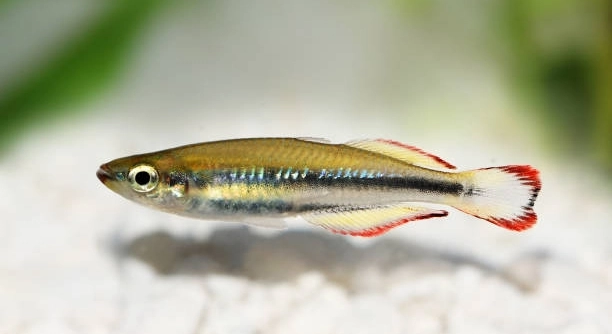
Have you ever watched rainbowfish swimming in your aquarium and noticed how some seem to linger in certain areas more than others? Their movements can appear intentional, as if they enjoy specific spots more.
Rainbowfish often show preferences for particular areas in their tank based on light, hiding spaces, and comfort. These favored spots allow them to feel secure, regulate temperature, and interact with other fish in a controlled environment.
Learning about these habits can help you create a more comfortable and engaging environment for your rainbowfish to thrive.
How Rainbowfish Choose Their Spots
Rainbowfish often select areas in their tank based on light levels, hiding spaces, and water flow. Some fish prefer bright areas near the top, while others feel safer near plants or decorations. These preferences are linked to natural instincts. In the wild, rainbowfish use cover to avoid predators and seek optimal conditions for swimming and feeding. Observing their choices can help you understand their comfort levels and daily patterns. Sometimes a fish may return to the same spot repeatedly, indicating it feels secure there. Tank setup, including plants, rocks, and substrate, can influence where they spend most of their time. Adjusting these elements can encourage more natural behavior and reduce stress. Each rainbowfish may have slightly different preferences, so patience and careful observation are key to creating a space where all fish feel at ease. Their favorite spots are a window into their needs and personality.
Paying attention to these habits ensures your fish remain calm, healthy, and active.
Watching how rainbowfish interact with their chosen spots can reveal social behaviors. Some may establish areas for feeding, resting, or displaying bright colors. Others may use hiding spots to retreat from more aggressive tank mates. Observing these patterns can guide how you arrange the aquarium. For example, adding extra plants or small caves can give shy fish a sense of security. Bright areas may encourage natural activity, while dimmer corners provide quiet zones. The combination of environment and social interaction shapes their behavior. Over time, you may notice shifts as fish adapt to changes or grow more confident. Understanding these dynamics helps maintain balance and reduces stress in a mixed community tank. It also makes daily care, feeding, and monitoring easier because you can predict where fish are likely to be at certain times. A well-arranged tank aligns with their instincts, promoting healthier, more vibrant fish that feel at home.
Creating a Comfortable Tank Environment
Proper tank layout directly affects how rainbowfish choose spots. Each addition can change their behavior and comfort level.
Providing varied areas, such as open swimming zones and secluded corners, supports natural instincts. Plants, rocks, and gentle water flow create interest and security. Fish may develop personal routines based on their favorite spots, returning to them consistently. Light placement is also important, as some areas may encourage activity while others provide calm retreats. Overcrowding can limit choice, causing stress and competition, so maintaining a balanced population is crucial. Observing preferences allows you to tweak the setup, offering more options where fish gather most. Consistency in temperature, feeding, and water quality ensures these favored areas remain inviting. Changing decor slowly helps fish adapt without stress. By carefully considering each element of the tank, you can create a space where rainbowfish feel confident, safe, and naturally active, encouraging behaviors that reflect their instincts and personalities.
Observing Rainbowfish Behavior
Rainbowfish often move to areas that match their mood or activity level. Bright zones encourage swimming and social interaction, while shaded corners are used for resting or avoiding stress from other fish.
Monitoring these patterns helps identify individual preferences and social dynamics within the tank. Some fish may prefer higher positions near the surface, while others stay closer to plants or decorations for security. Sudden changes in location can indicate stress, illness, or environmental discomfort. By observing behavior over time, you can anticipate their needs, adjust feeding routines, and ensure all fish feel safe. Attention to subtle signs like lingering, darting, or clustering improves overall tank management. Understanding these patterns creates a calmer environment and supports healthier interactions among tank mates.
Fish may also display spot preferences based on water flow or temperature differences. Gentle currents attract active swimmers, while still corners allow shy fish to relax. Each fish’s choice shows how they balance activity, rest, and security. Patterns may evolve as fish grow or tank conditions change. Recognizing these tendencies makes it easier to provide suitable spaces and maintain harmony, reducing stress and enhancing natural behaviors.
Adjusting Tank Conditions
Tank lighting, flow, and decor strongly influence where rainbowfish spend their time. Small changes can encourage them to explore or settle comfortably.
Adjusting these conditions requires observing responses carefully. Increasing plant cover or hiding spots helps timid fish feel secure. Altering light intensity can shift activity zones, while gentle water movement promotes swimming in more open areas. Rearranging rocks or decorations may prevent dominant fish from monopolizing a favorite spot. Temperature gradients can create preferred zones for individual fish, allowing them to regulate comfort naturally. Consistency in water quality ensures their chosen spots remain appealing and safe. Regular observation and small adjustments make the environment more dynamic, giving each fish freedom to express natural behavior. Balancing social interactions with environmental features supports overall health, confidence, and engagement in the tank.
Feeding and Favorite Spots
Rainbowfish often choose feeding areas based on accessibility and comfort. Open spaces near the surface are popular during feeding times, while calmer corners are preferred for smaller snacks or shy fish.
They may return consistently to these spots, creating predictable routines. Observing feeding behavior can reveal preferences and help adjust placement of food or decorations.
Social Dynamics in the Tank
Rainbowfish use preferred spots to manage social interactions. Dominant fish often claim open swimming areas, while more timid individuals retreat to sheltered corners. These patterns reduce conflicts and establish a natural hierarchy. Group behavior can change if new fish are added or if tank conditions shift, influencing where each fish spends most of its time. Recognizing these social dynamics allows you to support harmony, ensure all fish have access to comfortable zones, and maintain consistent feeding and activity routines. Careful observation helps maintain a balanced, stress-free environment for every fish.
Seasonal and Environmental Changes
Shifts in temperature, lighting, or water flow can affect favorite spots. Fish adapt slowly to maintain comfort and safety.
How do I know if my rainbowfish has a favorite spot?
Rainbowfish often show consistent behavior by returning to the same areas in the tank. You may notice certain fish lingering near plants, decorations, or specific corners more than others. Favorite spots usually combine security, comfort, and access to food. Observing over days or weeks can reveal clear patterns. Fish that suddenly change locations may be reacting to stress, illness, or environmental changes, so monitoring is important for their well-being.
Can favorite spots change over time?
Yes, rainbowfish may shift their preferred areas as they grow, as social dynamics change, or when tank conditions are altered. Adding new plants, decorations, or tank mates can cause fish to explore or relocate. Changes in light, water flow, or temperature can also influence spot selection. Some fish may gradually adopt new areas, while others return to familiar zones. Recognizing these shifts allows you to adjust the tank environment to maintain comfort and reduce stress for all fish.
Do rainbowfish prefer shaded areas or bright zones?
Preferences depend on the individual fish and tank setup. Many rainbowfish enjoy bright open spaces for swimming and social interaction, while some seek shaded or covered areas for resting or feeling safe. Providing both options ensures each fish can find a spot that meets its needs. Light intensity, plant density, and placement of decorations all influence where a fish feels most comfortable. Balancing bright and shaded zones encourages natural activity while giving shy fish secure retreats.
How does water flow affect their favorite spots?
Rainbowfish often select spots based on water movement. Gentle currents attract active swimmers, while calmer corners appeal to more timid individuals. Adjusting flow can influence where fish spend time and how they interact with the tank environment. Proper water circulation also promotes healthy oxygen levels and reduces stagnant areas, benefiting all inhabitants. Observing where fish settle helps determine if flow adjustments are needed.
Do tank mates influence spot selection?
Yes, social interactions play a major role. Dominant or aggressive fish may claim prime swimming areas, while shy or smaller fish retreat to corners or dense vegetation. Recognizing social hierarchies helps ensure each fish has access to safe, comfortable zones. Introducing new fish gradually reduces stress and allows natural adjustment of preferred areas.
How do feeding habits relate to favorite spots?
Rainbowfish often return to areas where they feel secure while eating. Open zones near the surface are popular during feeding, while quieter corners may be used for small snacks or shy individuals. Observing feeding behavior helps determine which spots are favored and can guide adjustments to food placement. Consistent feeding routines reinforce comfort and reduce stress in the tank.
Can environmental changes disrupt their preferred spots?
Yes, changes in temperature, lighting, or tank layout can cause fish to explore new areas or retreat to safer zones. Gradual adjustments are better than sudden changes to allow fish to adapt. Noticing these responses helps maintain stability and ensures fish remain confident and active in their habitat.
Is it important to provide multiple hiding spots?
Absolutely. Offering a variety of hiding spaces ensures that timid fish have access to secure areas, reducing stress from dominant tank mates. Plants, rocks, and small caves give fish choices and promote natural behaviors. Multiple options prevent overcrowding in a single favored spot and encourage healthy exploration.
How long does it take for rainbowfish to establish favorite spots?
This depends on the fish and tank conditions. Some establish preferences within days, while others take weeks. Observing daily patterns helps identify these spots. Consistent tank conditions, stable social dynamics, and gentle introduction of changes support quicker adaptation. Patience is key to understanding individual preferences.
Can observing favorite spots improve tank management?
Yes, tracking where fish spend time helps with feeding, cleaning, and rearranging decor. You can ensure each fish has access to safe zones and adjust water flow, lighting, or decoration placement to support natural behavior. Awareness of preferences allows proactive care and promotes a healthier, more balanced tank environment.
Do rainbowfish communicate through spot selection?
In a way, yes. Spot selection can reflect mood, social status, and activity level. Dominant fish in open zones or bright areas signal confidence, while shy fish choosing hidden corners communicate the need for security. Understanding these subtle cues helps maintain harmony in the aquarium.
Can overcrowding affect their preferred spots?
Overcrowding limits choice and can cause stress, aggression, or illness. Each fish needs access to comfortable zones, so maintaining appropriate numbers is important. Observing behavior can reveal when fish are competing for spots, allowing you to adjust stocking levels or rearrange tank features.
Does tank size influence spot selection?
Yes, larger tanks offer more options, allowing fish to spread out and choose areas for activity or rest. Smaller tanks may restrict freedom, increasing competition. Observing how fish move and settle helps determine if adjustments, such as adding hiding spots or reducing population, are necessary.
Are favorite spots linked to breeding behavior?
Sometimes. During breeding, rainbowfish may select specific areas for laying eggs or displaying to mates. Providing suitable zones with plants or flat surfaces can encourage natural behavior. Recognizing these spots allows you to support reproduction while maintaining comfort for other fish.
How often should I monitor these behaviors?
Daily observation is ideal. Watching patterns over time reveals preferences, social dynamics, and responses to changes. Regular monitoring helps identify stress, illness, or environmental issues early, allowing timely adjustments to support healthy, active, and comfortable rainbowfish.
Rainbowfish are fascinating creatures, and paying attention to their favorite spots can tell you a lot about their comfort and behavior. Each fish develops preferences for certain areas in the tank based on light, hiding spaces, water flow, and social interactions. Some may enjoy bright, open areas for swimming, while others prefer shaded corners where they feel safe. These choices are natural and reflect instincts carried over from their wild environment. Observing where fish spend most of their time can help you understand their needs and ensure the tank is arranged in a way that keeps them calm and happy. Small changes in the tank, such as adding plants, rocks, or decorations, can influence these preferences, so it is important to watch carefully how they respond. Over time, you will notice patterns and be able to create a space that suits all your fish.
Providing a balanced tank environment is key to supporting rainbowfish preferences. This includes offering areas for both activity and rest, maintaining good water quality, and ensuring gentle water flow. Consistency in temperature, lighting, and feeding routines helps fish feel secure in their chosen spots. Social dynamics also play a role, as some fish may claim open swimming zones while others retreat to quieter corners. Understanding these interactions allows you to make thoughtful adjustments to the tank layout and population if necessary. By giving each fish access to safe and appealing areas, you reduce stress and promote natural behaviors. This approach not only benefits the physical health of the fish but also encourages them to display their colors and activity levels, creating a more engaging and lively aquarium.
Observing rainbowfish and their favorite spots can also improve your care routines. Knowing where fish prefer to rest or feed makes it easier to provide food, monitor health, and maintain cleanliness. You can notice early signs of stress or illness if a fish suddenly avoids its usual spot or behaves differently. Small, gradual adjustments to the environment often produce the best results, as fish need time to adapt. Overall, respecting their preferences and providing a well-structured, comfortable tank leads to happier, healthier fish. Taking the time to learn about their habits deepens your understanding of their behavior, and helps create a tank where each rainbowfish feels secure, active, and at home.

Hello,
If you enjoy the content that we create, please consider saying a "Thank You!" by leaving a tip.
Every little bit helps us continue crafting quality advice that supports the health, happiness, and well-being of pets around the world, for pets of all shapes, sizes, and species.
We really appreciate the kindness and support that you show us!