
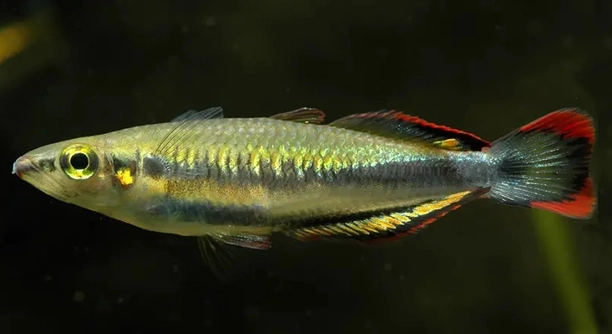
Rainbowfish are small, colorful fish that brighten up any aquarium. Observing them swim gracefully can be relaxing, but sometimes they start to shake or quiver, leaving many fish owners a bit puzzled or concerned.
Rainbowfish may shake or quiver due to stress, poor water quality, sudden temperature changes, or the presence of parasites. These behaviors are often indicators of environmental or health-related issues that require prompt attention to ensure fish well-being.
Learning about these causes can help maintain a healthy tank. Recognizing the signs early ensures your rainbowfish stay vibrant and active.
Common Causes of Shaking in Rainbowfish
Rainbowfish may start to shake for a variety of environmental or health reasons. One of the most common factors is stress, which can occur when their tank is too small, overcrowded, or lacks proper hiding spots. Sudden changes in water temperature or pH levels can also trigger quivering, as rainbowfish are sensitive to fluctuations in their environment. Parasites and infections are another frequent reason for shaking, often accompanied by changes in appetite or unusual swimming patterns. Poor water quality, including high ammonia or nitrate levels, can irritate their gills, causing rapid movements and trembling. Even changes in lighting or loud vibrations near the tank may stress them, leading to temporary quivering. Monitoring these factors and maintaining a stable, clean habitat is essential to keep rainbowfish healthy. Observing their behavior closely can help identify issues before they escalate, ensuring they remain lively and active.
Water changes and proper filtration often reduce shaking within days. Consistent tank care is key.
Keeping rainbowfish comfortable involves regular water testing and ensuring their environment mimics natural conditions. Providing hiding spots, stable temperatures, and clean water reduces stress. Feeding high-quality food and avoiding overcrowding also helps prevent trembling. If signs persist, consulting a vet or aquatic specialist can ensure no disease or parasite is affecting them. Observing subtle changes in behavior early makes a big difference, helping maintain a peaceful, healthy tank. Establishing these routines creates a stable environment where rainbowfish can thrive. Over time, their colors appear brighter, and they swim more confidently, reflecting good health. Taking small steps consistently often prevents shaking, so attentive care is more effective than reacting to problems after they arise.
Addressing Health-Related Shivering
Shaking can sometimes indicate parasites or infections in rainbowfish. Early detection is essential to prevent complications and ensure their well-being. Treating waterborne diseases promptly minimizes stress and keeps the fish active.
When rainbowfish exhibit persistent quivering, it is important to examine them closely for signs of illness. Parasites, bacterial infections, and fungal growth can all cause shaking, often accompanied by clamped fins, lethargy, or changes in color. Quarantine procedures are recommended for affected fish to avoid spreading disease. Administering appropriate medication based on the specific condition, along with maintaining clean, well-oxygenated water, improves recovery. Regular observation, careful feeding, and keeping the tank free from debris further support their health. Preventive measures, including avoiding overfeeding and controlling stress factors, also reduce the likelihood of health issues. Consistency in care and monitoring helps rainbowfish regain normal swimming patterns, ensuring a stable and vibrant aquarium environment for all tank inhabitants.
Stress and Environmental Factors
Stress in rainbowfish often comes from overcrowding or sudden changes in water conditions. Even minor disturbances like loud noises or bright lights can make them quiver. Providing a calm, stable environment helps reduce shaking and keeps them comfortable.
Temperature fluctuations can have a big impact on rainbowfish behavior. If the water suddenly becomes too cold or too warm, they may start trembling as their metabolism struggles to adjust. Consistent temperature, proper filtration, and maintaining water chemistry within safe ranges are crucial. Stress also increases susceptibility to infections, so keeping their environment stable can prevent both quivering and illness, ensuring healthier, more active fish.
Overcrowding and insufficient hiding spots intensify stress. Rainbowfish feel safer with plants or decorations that allow retreat. Observing their swimming patterns helps identify stress triggers early. Removing aggressive tank mates, maintaining appropriate tank size, and regular water testing all contribute to calmer, less shaky fish. Reducing stress improves feeding habits, strengthens immune response, and enhances color vibrancy. A thoughtful setup creates a stable home where rainbowfish can swim confidently, minimizing stress-related quivering.
Nutrition and Its Role
Poor nutrition can cause trembling in rainbowfish. A diet lacking essential vitamins or minerals weakens their health, making them more prone to stress and shaking. Feeding balanced, high-quality food supports strong muscles and immunity.
Providing a varied diet is key for rainbowfish well-being. Flakes, pellets, and occasional live or frozen foods like brine shrimp or daphnia give them proper nutrients. Inadequate feeding can result in energy loss, reduced activity, and quivering. Feeding small portions multiple times a day prevents overfeeding and keeps water quality high. Healthy fish are more resilient to environmental changes and less likely to exhibit stress-induced shaking. Proper nutrition also enhances their vibrant colors, making them more visually appealing in the tank. Regular observation ensures all fish are eating well and allows adjustments to diet if needed.
Water Quality Issues
Poor water quality is a major reason rainbowfish shake. High ammonia, nitrite, or nitrate levels irritate their gills and stress them, leading to quivering. Regular testing and water changes help maintain a safe environment.
Algae buildup and debris also affect water quality. Uneaten food and waste increase toxins, making fish more sensitive. Keeping the tank clean prevents shaking and supports overall health.
Tank Size and Space
A tank that is too small or overcrowded can trigger shaking in rainbowfish. They need enough space to swim freely, explore, and interact naturally. Crowding increases stress and reduces oxygen, causing trembling and erratic movements.
Lighting and External Disturbances
Bright lights or sudden changes in lighting can startle rainbowfish. They may quiver in response to these visual disturbances. Adjusting light intensity gradually and providing shaded areas helps them feel secure, reducing shaking.
Social Dynamics
Rainbowfish are social creatures, but incompatible tank mates can cause stress. Aggressive or overly dominant fish may provoke quivering in more timid individuals. Observing interactions and separating aggressive fish when needed creates a calmer, more balanced tank environment.
FAQ
Why do rainbowfish shake even when the water looks clean?
Even if water appears clear, harmful chemicals like ammonia or nitrites may still be present. Rainbowfish are sensitive to small changes in water chemistry. Regular testing with reliable kits is essential. Maintaining proper filtration and performing routine water changes keeps them healthy and minimizes quivering.
Can shaking be caused by temperature changes?
Yes. Rainbowfish are tropical fish that thrive in stable temperatures, usually between 24°C and 28°C (75°F–82°F). Sudden drops or spikes in water temperature stress them, causing shaking. Using a reliable heater and thermometer ensures consistent conditions and reduces trembling.
Are certain tank mates responsible for quivering?
Aggressive or overly active fish can stress rainbowfish, especially smaller or timid ones. Quivering may occur as a response to intimidation. Observing interactions and rearranging the tank or separating aggressive fish helps maintain a calm environment.
Does diet affect shaking?
Absolutely. Nutritional deficiencies weaken rainbowfish, making them more prone to stress and tremors. A balanced diet of high-quality flakes, pellets, and occasional live or frozen foods keeps them energetic, vibrant, and less likely to quiver. Feeding small portions multiple times daily prevents overfeeding and water contamination.
Can stress alone cause quivering?
Yes. Stress from overcrowding, sudden movements, or loud noises can make rainbowfish shake temporarily. Providing hiding spots, adequate swimming space, and a calm environment reduces stress. Over time, calmer fish display less trembling and more natural behavior.
Could disease or parasites be the reason?
Shaking may indicate infections or parasites. Look for clamped fins, unusual swimming patterns, or changes in appetite. Quarantining affected fish and consulting a vet or aquatic specialist can prevent the spread and help treat the condition effectively.
How quickly should shaking be addressed?
Any persistent quivering should be addressed immediately. Delays can lead to more serious health issues or stress-related complications. Checking water parameters, reviewing diet, and monitoring social interactions are important first steps. Prompt attention improves recovery chances and overall fish health.
Do lighting and vibrations influence trembling?
Yes. Sudden bright lights or vibrations from nearby activity can startle rainbowfish, causing shaking. Gradual lighting changes and minimizing external disturbances help them feel secure. Plants or decorations providing shaded areas give fish a sense of safety, reducing quivering.
Will improving tank conditions stop shaking?
Most of the time, yes. Stabilizing water quality, providing proper temperature, reducing stress, and ensuring a balanced diet all contribute to calmer fish. Persistent observation and timely adjustments prevent long-term health issues and keep rainbowfish active and colorful.
Is shaking ever normal behavior?
Occasional, brief quivering may happen during active swimming or minor environmental changes, but consistent shaking usually signals stress or health issues. Monitoring patterns and addressing underlying causes ensures your rainbowfish remain healthy and comfortable.
How can I prevent future shaking?
Regular water testing, maintaining clean and appropriately sized tanks, providing balanced nutrition, minimizing stressors, and monitoring social dynamics are key preventive measures. Consistent care ensures rainbowfish stay vibrant, active, and less likely to develop quivering behavior.
What signs indicate serious problems?
Persistent shaking, lethargy, loss of appetite, color fading, or clamped fins may indicate serious health issues. Early intervention by adjusting tank conditions or seeking professional advice improves survival and long-term well-being.
Are all rainbowfish equally sensitive?
Some species may tolerate minor changes better than others, but generally, rainbowfish are sensitive to water quality, temperature, and social stress. Observing individual behavior helps identify specific needs and prevents unnecessary quivering or stress.
Does the age of the fish matter?
Younger or older rainbowfish may be more prone to trembling. Juveniles are still adapting to tank life, while older fish may have weaker immunity. Adjusting care routines for different life stages supports their health and minimizes shaking.
Can quarantine help prevent shaking?
Yes. Quarantining new or sick fish prevents the introduction of diseases or parasites. This reduces stress on established rainbowfish and protects the overall tank environment from problems that may cause trembling.
Are there quick fixes for shaking?
Quick fixes include checking water quality, stabilizing temperature, and removing aggressive tank mates. While these steps can help, long-term solutions involve consistent care, proper diet, and stress management to maintain healthy, quiver-free rainbowfish.
How long does it take for shaking to stop?
Improved conditions may show results within days, but complete recovery depends on the cause and severity. Consistent water care, nutrition, and stress reduction are essential for lasting improvement and a stable, healthy tank environment.
Can shaking affect other fish?
Yes. Stressed or unhealthy rainbowfish may influence tank mates, especially in small or crowded tanks. Addressing the cause of quivering prevents stress from spreading and maintains a harmonious environment for all fish.
Is professional advice sometimes necessary?
Absolutely. Persistent shaking, signs of illness, or unclear causes should prompt consultation with a vet or aquatic specialist. Expert guidance ensures proper treatment and prevents long-term health issues in rainbowfish.
Do environmental enrichments reduce shaking?
Providing plants, decorations, and hiding spots reduces stress, giving rainbowfish security and confidence. Environmental enrichment minimizes trembling, encourages natural behaviors, and improves overall well-being in the tank.
How often should I monitor my rainbowfish?
Daily observation is ideal. Checking behavior, appetite, and swimming patterns helps catch early signs of stress or illness. Prompt action keeps shaking under control and supports long-term health.
Rainbowfish are lively and colorful additions to any aquarium, but seeing them shake or quiver can be concerning. Shaking is not always a sign of serious illness, yet it often indicates stress, poor water conditions, or nutritional deficiencies. Paying attention to their behavior helps prevent problems before they become serious. Maintaining clean water, proper temperature, and a stable environment can make a noticeable difference in how comfortable rainbowfish feel. Even small changes, like adding a few hiding spots or adjusting lighting gradually, can reduce stress and help them swim confidently without trembling. Observing your fish regularly allows you to spot early signs of discomfort, which is key to keeping them healthy and active.
Nutrition also plays a crucial role in rainbowfish well-being. A balanced diet of high-quality flakes, pellets, and occasional live or frozen foods supports their energy, immunity, and vibrant coloration. Fish that do not receive proper nutrition may become weak and more sensitive to environmental stressors, resulting in shaking or erratic swimming. Feeding small portions several times a day helps prevent overfeeding while maintaining water quality. It is also important to consider their social environment, as overcrowding or aggressive tank mates can contribute to stress-induced quivering. By combining proper diet with thoughtful tank management, you create a stable and healthy space that allows rainbowfish to thrive.
Consistency is one of the most important factors in preventing shaking. Routine water testing, regular cleaning, monitoring behavior, and adjusting tank conditions as needed all contribute to a comfortable habitat. Persistent attention to these details not only reduces quivering but also supports overall health and longevity. Even temporary disturbances, like loud noises or sudden changes in water conditions, can trigger stress, so maintaining a calm and stable environment is essential. Rainbowfish respond well to care that mirrors their natural habitat, and small, steady efforts often produce the best results. With careful observation, proper nutrition, and attention to environmental factors, rainbowfish can remain active, vibrant, and free from unnecessary stress, allowing you to enjoy their beauty and playful nature over the long term.

Hello,
If you enjoy the content that we create, please consider saying a "Thank You!" by leaving a tip.
Every little bit helps us continue crafting quality advice that supports the health, happiness, and well-being of pets around the world, for pets of all shapes, sizes, and species.
We really appreciate the kindness and support that you show us!