
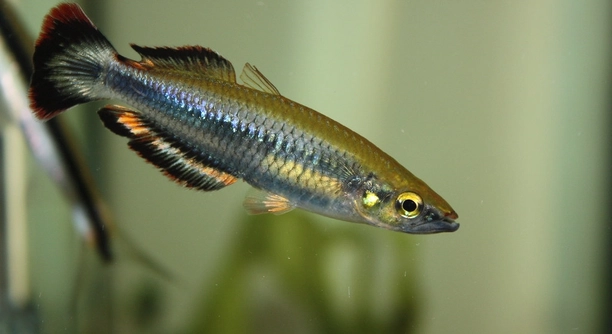
Have you ever noticed your rainbowfish swimming quietly when the lights go out in the tank? Many aquarium owners watch as these colorful fish shift through their environment in soft, subtle ways at night.
Rainbowfish do show exploratory behavior at night, though it is less pronounced than during daylight hours. They may move around their tank cautiously, often staying near familiar structures while occasionally investigating new areas or objects.
Observing their nighttime habits can reveal surprising details about their behavior and overall comfort in the tank environment.
Nighttime Movements of Rainbowfish
Rainbowfish tend to slow down their activity when the lights go off. During the night, they explore cautiously, often staying near plants, rocks, or decorations that provide a sense of security. Some will swim in short bursts across the tank, checking corners and observing small changes in their environment. Their movements are generally more measured compared to the daytime, but it is clear they are still aware of their surroundings. Even with minimal lighting, rainbowfish use their vision and lateral line system to detect movement and water currents. Watching them during these hours can be calming, as they seem to glide with purpose yet without urgency. It’s fascinating to see how a familiar tank transforms at night and how the fish respond differently to the same space. Observing these behaviors can give insight into their comfort levels and preferences for tank layout or hiding spots.
At night, rainbowfish often prefer shaded or sheltered areas. They explore less openly but remain curious about nearby changes.
Their nighttime exploration is subtle yet meaningful. Small movements, such as swimming along the tank walls or investigating plants, suggest a level of environmental awareness. Some may nibble at algae or pick at small particles on the substrate. These behaviors indicate that while rainbowfish rest more than they are active, they maintain a routine that includes checking their surroundings for safety and sustenance. Observing this can help owners ensure the tank layout supports both day and night needs, providing hiding spots, open swimming areas, and gentle lighting for comfort.
Factors Influencing Night Exploration
Tank lighting and temperature play key roles in rainbowfish activity.
The amount of light in the tank significantly affects nighttime exploration. Too much light may stress the fish and reduce movement, while very low light encourages cautious exploration. Temperature also impacts activity levels. Rainbowfish tend to be more active in water within their optimal range, while cooler or warmer water can lead to lethargy. Feeding schedules and tank decorations further influence their behavior. Tanks with abundant plants, rocks, and hiding places encourage exploration, as fish feel secure enough to move around. Conversely, sparse tanks can make them hesitant. Understanding these factors can help owners create a balanced environment that accommodates natural behaviors at night. Providing consistent conditions ensures the fish remain healthy and their nighttime habits are observable, adding to the overall enjoyment of maintaining a rainbowfish aquarium.
Feeding Habits at Night
Rainbowfish may nibble on leftover food or small particles in the tank during nighttime. They are less aggressive while feeding and often stay close to familiar hiding spots. Nighttime feeding is usually slower and more cautious than daytime activity.
Feeding at night can be subtle but informative. Observing rainbowfish during these hours reveals how they manage energy and maintain health. Some may return to previously visited spots where food was found, showing memory and recognition skills. They rarely compete aggressively at night, which reduces stress and allows weaker fish to eat comfortably. Nighttime feeding also gives insight into how the fish interact with each other under low-light conditions. Watching them move carefully to pick up flakes or pellets can be relaxing, and noticing which areas they prefer can guide future feeding strategies to ensure all fish get enough nourishment. Maintaining a routine helps the fish adapt and feel secure, encouraging consistent eating patterns.
Night feeding behavior highlights differences between individual fish. Some are bolder and explore more, while others stick close to plants or rocks. Observing these tendencies can inform tank layout adjustments, such as adding more shelter or feeding spots. Over time, owners can learn each fish’s personality, which can improve care and ensure all members thrive. Nighttime behaviors also show how fish balance caution with curiosity, and subtle movements can reveal comfort levels and social dynamics within the tank.
Social Behavior in the Dark
Rainbowfish often stick together more at night, forming loose groups near shelter. This behavior reduces stress and offers protection.
Social interactions change subtly in low light. Fish communicate with small movements, flashes of color, or body positioning. Dominant fish may patrol familiar areas, while others remain still to avoid conflict. Nighttime allows weaker or shy fish to explore safely, increasing their confidence over time. Some rainbowfish use the cover of darkness to investigate new objects or corners without attracting attention, showing careful curiosity. These interactions are essential for maintaining a balanced social hierarchy, as they reinforce familiar roles without the intensity seen during the day. Monitoring these patterns helps owners understand individual personalities and group dynamics, making it easier to adjust tank arrangements or feeding schedules. Over time, consistent observation can reveal hidden aspects of behavior, such as preferred swimming zones, favored companions, and subtle signs of stress or contentment, all contributing to a healthier, more harmonious tank environment.
Nighttime Rest Patterns
Rainbowfish often find a quiet spot near plants or decorations to rest at night. They hover or drift slowly, conserving energy while staying alert to movement around them.
Some fish rest individually while others cluster in small groups. Resting spots are usually shaded and protected from strong currents or open areas.
Environmental Influence
Tank conditions strongly affect nighttime activity. Temperature, water quality, and lighting determine whether fish feel safe enough to explore. Stable conditions encourage consistent movement, while fluctuations can cause stress and reduced activity. Observing how fish respond to subtle changes can guide adjustments for their comfort.
Signs of Stress
Changes in swimming patterns, hiding more than usual, or staying near the bottom can indicate stress. Monitoring these behaviors helps maintain a healthy environment.
Do rainbowfish need complete darkness at night?
Rainbowfish do not require total darkness, but dim lighting at night helps them maintain a natural rhythm. Very bright lights can stress them and disrupt sleep-like behavior, while too little light may make it harder to observe subtle movements. A gentle night light can balance visibility and comfort.
How much do rainbowfish explore at night?
Exploration is usually limited compared to daytime activity. Rainbowfish often stick near plants, rocks, or familiar corners, occasionally moving slowly to check the surroundings. This behavior allows them to stay aware of changes without exposing themselves to potential threats in low light conditions.
Do they eat at night?
Rainbowfish may nibble on leftover food or small particles, but feeding is less active than during the day. Nighttime feeding is generally calmer, with fish picking food cautiously, reducing competition and stress. Monitoring this can help ensure all fish get proper nutrition.
Why do some rainbowfish hide more than others at night?
Individual personality plays a role. Shy or smaller fish may seek shelter to feel safe, while bolder fish move around more freely. Tank layout and availability of hiding spots also influence how comfortable they feel exploring after lights go out.
Does tank size affect nighttime behavior?
Yes, larger tanks provide more space for exploration and hiding, which can reduce stress. Smaller tanks limit movement and may cause fish to stay near familiar structures. Adequate space allows natural behaviors and encourages cautious exploration during night hours.
Can other fish affect rainbowfish night activity?
Tank mates impact how rainbowfish behave at night. Aggressive species may make them hide more, while calm or similarly sized fish encourage mild exploration. Observing interactions can help determine if the current tank setup promotes comfort and balanced social behavior.
Do rainbowfish sleep like humans?
They do not sleep in the same way humans do. Instead, they enter a restful state with reduced activity, hovering or drifting slowly. Their senses remain alert, allowing them to respond quickly to disturbances or changes in their environment.
Should I adjust feeding times based on night activity?
Feeding during the day remains most effective, but observing nighttime nibbling can guide adjustments. Providing small amounts in areas where shy fish can access food may ensure everyone eats adequately. Consistent feeding schedules help maintain health and predictability for the fish.
Does water temperature impact nighttime exploration?
Temperature strongly affects activity. Rainbowfish are more active in water within their optimal range. Cooler or warmer water can reduce movement, making them less likely to explore. Maintaining stable temperature ensures they remain comfortable and show natural nighttime behavior.
Are decorations important for night exploration?
Yes, plants, rocks, and hiding spots create a sense of security. Fish explore more confidently when they have familiar shelters to retreat to. Properly placed decorations balance open areas and cover, supporting both active exploration and restful periods at night.
How can I tell if they are stressed at night?
Signs include staying at the bottom, excessive hiding, or erratic swimming. Stress may result from lighting, temperature changes, or aggressive tank mates. Observing these behaviors regularly helps maintain a healthy, stable environment for rainbowfish.
Do rainbowfish interact differently at night compared to day?
Interactions are subtler. Dominant fish patrol lightly, while others stay still to avoid conflict. Nighttime allows shy or weaker fish to move without competition, showing cautious curiosity. Understanding these patterns helps improve tank layout, feeding routines, and overall fish welfare.
Can night activity indicate health issues?
Abnormal movement, lack of exploration, or extreme hiding may suggest stress, illness, or unsuitable tank conditions. Regular observation of night behavior provides valuable insight into overall health and helps identify potential problems early.
How often should I observe them at night?
Regular but brief observation is best. Watching for subtle behaviors a few times a week is enough to notice patterns, stress signs, or feeding habits. Too much disturbance may stress the fish, so balance observation with calm, gentle monitoring.
Do all rainbowfish species behave the same at night?
Behavior varies by species. Some are naturally more active or bolder, while others are shy and prefer staying near cover. Knowing your species’ tendencies can help tailor tank setup and care to match natural behaviors, encouraging healthy nighttime activity.
Rainbowfish are fascinating creatures, and observing their nighttime behavior can give valuable insight into their habits and preferences. Unlike during the day, their movements at night are often slower and more deliberate. They tend to stay close to familiar structures such as plants, rocks, or decorations, using these areas as a sense of security while they explore. Even in the dark, their senses remain alert, allowing them to detect changes in their environment. Some fish hover in small groups, while others prefer resting individually, showing that personality differences play a role in how each fish behaves at night. Watching them quietly move through their tank can reveal subtle patterns, such as favorite resting spots, preferred swimming paths, and interactions with other fish. Over time, observing these behaviors helps owners understand their rainbowfish better and provides guidance for improving tank conditions.
Nighttime behavior is also closely connected to the tank environment. Lighting, water temperature, and decorations all influence how comfortable rainbowfish feel when the lights go out. Dim lighting or a small night light can make them feel secure without causing stress, while proper water temperature encourages gentle movement and natural exploration. Tanks with plenty of plants, hiding places, and gentle currents provide opportunities for both activity and rest. The arrangement of decorations can guide their swimming paths and give them a sense of safety, which encourages more confident exploration. Monitoring how rainbowfish respond to changes in lighting or layout can help maintain a stable and healthy tank environment. Consistent feeding schedules, clean water, and careful attention to tank mates also play a role in reducing stress and promoting natural nighttime behavior. When these factors are balanced, rainbowfish are more likely to show curiosity while still having safe spaces to retreat to when needed.
Finally, observing rainbowfish at night highlights the importance of understanding their overall well-being. Their activity, feeding, and resting patterns all provide clues about health, comfort, and social dynamics. Paying attention to small details, like which fish are more active, which prefer to hide, and how they interact in low light, can inform better tank management. Nighttime behavior is a natural part of their life cycle, and by supporting it, owners can ensure their rainbowfish remain healthy and content. Providing a stable environment, thoughtful decorations, and appropriate lighting allows them to thrive while showing behaviors that are often overlooked during the day. Watching these quiet moments in the tank can deepen the connection between owner and fish, offering a glimpse into the subtleties of their habits and personalities. Over time, this attention not only improves care but also enhances the enjoyment of keeping rainbowfish, as owners gain a more complete understanding of how these beautiful fish live and interact within their environment.

Hello,
If you enjoy the content that we create, please consider saying a "Thank You!" by leaving a tip.
Every little bit helps us continue crafting quality advice that supports the health, happiness, and well-being of pets around the world, for pets of all shapes, sizes, and species.
We really appreciate the kindness and support that you show us!