
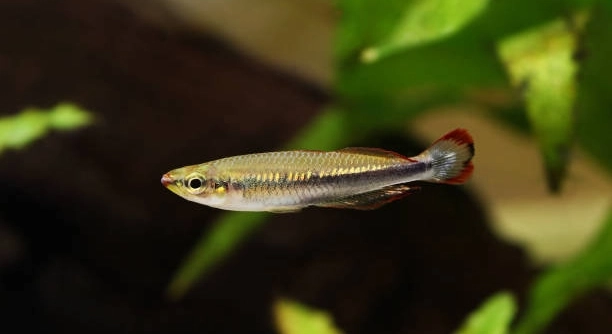
Rainbowfish are vibrant, active fish that bring life to any tank. Keeping them healthy and happy requires understanding their preferences. A well-thought-out tank setup can enhance their colors, behavior, and overall well-being.
Rainbowfish thrive in tanks that balance space, water quality, and environmental enrichment. Key factors include proper water temperature, gentle filtration, live plants, hiding spots, compatible tank mates, open swimming areas, and consistent feeding routines to support health and natural behaviors.
Knowing what makes rainbowfish comfortable will improve their daily life. These simple considerations can transform an ordinary tank into a thriving, colorful environment.
Proper Water Conditions
Maintaining stable water conditions is essential for rainbowfish health. They thrive in slightly alkaline water with a pH between 7.0 and 8.0. The temperature should stay around 75–82°F, which supports their metabolism and activity. Regular water changes, ideally 20–30% weekly, help remove waste and prevent harmful chemical buildup. Monitoring ammonia, nitrite, and nitrate levels ensures the tank remains safe. Using a reliable filter not only cleans the water but also creates gentle currents, mimicking their natural habitat. Avoid sudden changes in temperature or pH, as rainbowfish are sensitive and can become stressed quickly. Stress reduces their immune response, making them more prone to disease. Testing the water with a kit gives you peace of mind and helps maintain a consistent environment. Plants and decorations can influence water chemistry, so consider their impact when setting up the tank. A well-maintained tank encourages vibrant coloration and active, playful swimming behavior.
Consistent water conditions directly support rainbowfish health. Proper care minimizes stress and promotes longevity in the aquarium.
Stable water, proper filtration, and careful monitoring create an environment where rainbowfish thrive. Observing their behavior regularly helps detect any early signs of imbalance or illness. The addition of live plants not only enhances water quality but also offers hiding spots and reduces aggression. Avoid overcrowding the tank to maintain optimal oxygen levels. Each component, from substrate to lighting, contributes to a harmonious environment. When all these factors align, rainbowfish display their natural colors and behaviors more vividly. Attention to water chemistry ensures that the tank remains a safe and healthy habitat, providing both visual appeal and a thriving ecosystem. By prioritizing water quality, caretakers can enjoy active, healthy fish while preventing common aquarium issues that compromise their well-being.
Aquatic Plants and Hiding Spots
Rainbowfish feel more secure with plants and hiding spots. Dense plant areas reduce stress and provide natural boundaries.
Live plants not only serve as shelter but also improve water quality by absorbing nitrates and providing oxygen. Floating plants diffuse light, creating shaded areas that make rainbowfish feel comfortable. Driftwood, rocks, or small caves offer additional hiding places, allowing fish to retreat when feeling threatened or during rest periods. Incorporating a variety of plant heights and textures encourages natural exploration and adds depth to the tank layout. While decorations enhance aesthetics, their primary function is to support fish behavior and reduce stress. A thoughtful arrangement balances open swimming space with safe areas, promoting social interaction among the fish. Maintaining plant health through proper lighting and occasional trimming ensures they continue to provide benefits. A well-planned setup contributes to overall tank stability and the well-being of rainbowfish.
Open Swimming Areas
Rainbowfish need plenty of open space to swim freely. Crowded tanks limit movement and can cause stress or aggression.
Open areas encourage natural schooling behavior and active swimming. Avoid overcrowding decorations in the center of the tank, leaving room for fish to glide and interact. Open swimming spaces also improve water circulation and oxygen distribution. Proper layout balances shelter with open zones. Observing fish in these areas helps monitor health and activity.
Maintaining open swimming zones requires careful placement of plants and decorations along tank edges. Ensure hiding spots do not block key swimming paths. Open space allows rainbowfish to exercise naturally, display vibrant colors, and reduce stress. Combining structure and openness improves overall tank dynamics. Consistent observation ensures fish utilize both open and sheltered areas effectively.
Compatible Tank Mates
Rainbowfish coexist best with peaceful species of similar size. Aggressive or very small fish can cause stress or injury.
Choosing compatible tank mates reduces conflict and supports social interaction. Ideal companions include tetras, rasboras, and other non-aggressive community fish. Avoid fin-nipping or overly territorial species. Balanced group sizes help maintain harmony and prevent dominance issues. Properly matched tank mates encourage natural behaviors like schooling, foraging, and color display. Compatibility considerations extend to diet and swimming levels, ensuring all species thrive together without competition or stress. Selecting the right companions is essential for a stable, healthy tank environment.
Compatibility also involves monitoring water parameters and behaviors. Even peaceful species may exhibit temporary aggression if overcrowded or stressed. Introducing new fish gradually helps acclimate them and reduces shock. Observing interactions ensures any potential conflicts are addressed early. Feeding routines should accommodate all species without overfeeding, maintaining water quality. A well-chosen mix promotes a balanced ecosystem, allowing rainbowfish to show their best colors and behavior. Thoughtful selection of tank mates simplifies care while creating a lively, harmonious community.
Proper Lighting
Rainbowfish benefit from consistent, moderate lighting. Too much light can stress them, while too little reduces color vibrancy.
A timer ensures a stable day-night cycle. Natural-looking light enhances their appearance and supports plant growth. Maintaining balance prevents algae overgrowth and keeps the tank visually appealing.
Gentle Filtration
Strong currents can exhaust rainbowfish. A gentle filter maintains water clarity without creating turbulent flow. Proper filtration removes debris, toxins, and waste, keeping the environment healthy. Adjustable flow filters or sponge filters work well, providing necessary water movement while allowing rainbowfish to swim comfortably. Regular filter maintenance ensures consistent performance.
Regular Feeding
Rainbowfish require a varied diet for optimal health. Offer high-quality flakes, pellets, and occasional live or frozen foods. Balanced feeding encourages vibrant colors, strong immunity, and active behavior. Overfeeding can pollute water, so provide small, frequent portions that fish can consume within minutes.
FAQ
How many rainbowfish should I keep in a tank?
Rainbowfish are social and do best in groups. Keeping at least six of the same species helps them feel secure and display natural schooling behavior. A larger group encourages active swimming and reduces stress. Overcrowding can lead to aggression and poor water quality, so balance group size with tank dimensions.
What is the ideal tank size for rainbowfish?
A minimum of 30 gallons is recommended for small to medium rainbowfish. Larger species need 50 gallons or more. Providing enough space allows them to swim freely, reduces territorial behavior, and supports proper oxygen circulation. Open swimming areas combined with plants and decorations create a balanced environment that promotes health and activity.
What should I feed rainbowfish?
Rainbowfish thrive on a varied diet. High-quality flakes or pellets form the base, supplemented with live or frozen foods like brine shrimp, daphnia, and bloodworms. Feeding small portions twice daily ensures they eat everything quickly without polluting the water. A balanced diet encourages vibrant colors, healthy growth, and strong immunity.
How often should I change the water?
Weekly water changes of 20–30% are ideal. This removes waste, controls nitrates, and maintains stable water conditions. Regular monitoring of ammonia, nitrites, and nitrates helps prevent health problems. Water changes also refresh minerals and support plant growth, keeping the tank ecosystem balanced.
Can rainbowfish live with other fish?
Yes, but only with peaceful, similarly sized species. Avoid aggressive or tiny fish that may be harassed. Compatible tank mates include tetras, rasboras, and small gouramis. Introduce new fish gradually, observe interactions, and ensure all species have adequate swimming space and hiding spots to prevent stress.
Why are my rainbowfish losing color?
Fading color often indicates stress, poor water quality, or inadequate diet. Check water parameters, ensure proper filtration, and provide a varied diet rich in nutrients. Adding live plants and maintaining a calm environment can help rainbowfish regain their natural vibrancy over time.
How can I prevent disease in rainbowfish?
Healthy water, proper diet, and appropriate tank mates are key. Quarantine new fish before introducing them. Avoid overfeeding, overcrowding, and sudden water changes. Regular observation for abnormal behavior, spots, or fin damage allows early intervention. Maintaining clean tanks with stable conditions reduces the risk of illness.
Do rainbowfish need live plants?
Live plants are not strictly necessary but highly beneficial. They offer hiding spots, improve water quality by absorbing nitrates, and create shaded areas that reduce stress. Floating plants and varied plant heights encourage natural behavior and help maintain a balanced ecosystem. Proper care ensures both plants and fish thrive together.
How long do rainbowfish live?
Rainbowfish typically live 5–8 years with proper care. Consistent water quality, balanced diet, and a stress-free environment contribute to longevity. Regular monitoring and attentive maintenance help fish stay healthy and display full coloration throughout their lifespan.
Is a heater necessary for rainbowfish?
Yes, most rainbowfish require stable temperatures between 75–82°F. A reliable heater maintains consistent warmth, supporting metabolism, immune function, and overall activity. Sudden temperature drops can stress the fish, so using a thermostat ensures a stable and safe aquatic environment.
Can I breed rainbowfish at home?
Breeding rainbowfish is possible in a well-maintained tank with slightly cooler water and plenty of plants for egg-laying. Males display brighter colors to attract females. Remove adults after spawning to prevent them from eating the eggs. Proper care of fry includes small, frequent feedings and stable water conditions.
How do I acclimate new rainbowfish?
Float the sealed bag in the tank for 15–20 minutes to equalize temperature. Gradually add small amounts of tank water to the bag every 10 minutes. After an hour, gently release the fish into the tank. This reduces stress and helps them adjust to water chemistry and environment safely.
Why do rainbowfish jump out of the tank?
Jumping often occurs when water quality is poor, the tank is overcrowded, or there is sudden disturbance. Using a secure lid or mesh cover prevents escape. Maintaining proper water conditions, open swimming areas, and minimal stress reduces jumping behavior significantly.
Can I keep rainbowfish in a planted tank with other species?
Yes, as long as all species are peaceful and share similar water requirements. Plants provide shelter, reduce aggression, and improve water quality. Ensure adequate open swimming space and proper filtration. Careful planning of tank layout and compatible species ensures a balanced, harmonious environment.
What signs indicate rainbowfish are stressed?
Signs include faded color, clamped fins, erratic swimming, hiding excessively, or reduced appetite. Stress can result from poor water quality, aggressive tank mates, insufficient hiding spots, or sudden changes in temperature or lighting. Addressing the cause quickly restores health and behavior.
How do I maintain water quality long-term?
Regular testing, weekly water changes, proper filtration, and controlled feeding are essential. Avoid overcrowding and monitor nitrate and ammonia levels. Healthy plants and careful observation help sustain a stable environment. Consistency ensures rainbowfish remain vibrant, active, and disease-free over time.
What lighting is best for rainbowfish?
Moderate lighting mimics natural conditions. Use timers to maintain a consistent day-night cycle. Proper light enhances coloration and supports plant growth. Avoid overly intense lighting to prevent stress or algae growth. Balanced lighting promotes activity and overall tank health, creating a visually appealing environment.
Can rainbowfish live in cold water?
Rainbowfish prefer tropical temperatures and struggle in cold water. Consistently cooler temperatures slow metabolism, weaken immunity, and may cause illness. A heater or stable warm room temperature is necessary to ensure their health, vibrant colors, and active swimming behavior.
How often should I trim plants?
Trimming depends on plant growth rate. Regular pruning prevents overcrowding, maintains open swimming areas, and supports healthy plant development. Removing decayed leaves improves water quality and reduces stress on rainbowfish. Balanced plant maintenance keeps the tank aesthetically pleasing and functional for all inhabitants.
Is it necessary to use a water conditioner?
Yes, tap water often contains chlorine or chloramine harmful to rainbowfish. A conditioner neutralizes these chemicals, making water safe. Using treated water prevents stress and supports fish health. Consistent use during water changes ensures a stable and healthy environment.
How do I introduce decorations without stressing fish?
Place decorations gradually and avoid sudden changes. Arrange plants, rocks, or caves along the edges to maintain open swimming space. Observing fish reactions ensures they are comfortable. Gradual introduction minimizes stress and allows rainbowfish to explore new hiding spots safely.
Can rainbowfish live alone?
Rainbowfish are social and do best in groups. Keeping a single fish can lead to stress, poor coloration, and abnormal behavior. A minimum of six ensures natural schooling, activity, and a balanced environment. Social interaction is essential for their well-being.
What is the best substrate for rainbowfish tanks?
Fine gravel or sand is ideal. Substrate should allow plant rooting and prevent debris buildup. Avoid sharp materials that can injure fish. A well-chosen substrate supports a natural tank layout, encourages foraging behavior, and complements overall tank aesthetics.
How can I reduce aggression in rainbowfish?
Provide sufficient space, hiding spots, and compatible tank mates. Avoid overcrowding and monitor group dynamics. Open swimming areas reduce competition. Proper feeding and stable water conditions also help minimize aggressive behaviors, keeping the tank peaceful and stress-free.
Are rainbowfish sensitive to chemicals?
Yes, they are sensitive to chlorine, heavy metals, and certain medications. Always treat tap water, avoid harsh cleaning agents, and use fish-safe products. Sensitive species require careful monitoring to prevent health issues and maintain vibrant coloration.
Do rainbowfish need supplemental vitamins?
A varied diet typically provides sufficient nutrients. Occasionally, adding supplements can support growth and immune health, especially if feeding mostly dry foods. Use supplements sparingly and follow product instructions to avoid over-supplementation.
How do I encourage natural behavior?
Provide open swimming areas, plants, and hiding spots. Group rainbowfish to promote schooling and social interaction. A varied diet and balanced tank layout support foraging, exploration, and display behaviors. Observation helps identify what encourages activity and well-being.
Can rainbowfish tolerate brackish water?
Rainbowfish prefer freshwater conditions. While some species tolerate slightly brackish water, maintaining consistent freshwater is safest. Sudden changes in salinity can stress fish and impact health. Stick to stable freshwater parameters for long-term well-being.
What is the best temperature range?
Maintain 75–82°F consistently. This supports metabolism, immune function, and active swimming. Avoid sudden drops or spikes in temperature. Using a reliable heater ensures stability, reducing stress and promoting vibrant coloration.
Do rainbowfish need aeration?
Yes, especially in heavily stocked or plant-rich tanks. Aeration improves oxygen levels and water circulation. A gentle air stone or well-designed filter helps maintain optimal conditions, supporting active swimming and overall health.
How do I know if rainbowfish are healthy?
Healthy fish display bright colors, clear eyes, smooth fins, and active swimming. They eat readily and interact naturally with tank mates. Monitoring behavior and appearance regularly helps detect early signs of illness or stress, allowing prompt care.
Are rainbowfish compatible with shrimp or snails?
Most peaceful shrimp and snails are compatible, though very small shrimp may be eaten. Snails help clean algae and debris. Ensure adequate hiding spots for smaller invertebrates. Careful selection maintains harmony while adding functional benefits to the tank.
Can I use tap water directly?
Tap water must be treated with a water conditioner to remove chlorine or chloramine. Untreated water can harm rainbowfish. Proper treatment ensures safe water, supports health, and maintains a stable environment for plants and fish.
How do I prevent algae growth?
Control lighting, avoid overfeeding, and maintain water quality. Live plants compete with algae for nutrients. Regular cleaning and balanced care reduce algae buildup, keeping the tank healthy and visually appealing.
What are common health issues in rainbowfish?
Stress, poor water quality, and inadequate diet can lead to fin rot, ich, or fungal infections. Early detection, proper care, and stable conditions prevent most problems. Regular observation ensures timely treatment.
Can rainbowfish live with bettas?
Bettas can be aggressive, so pairing is risky. Only very calm individuals might coexist in large tanks with plenty of hiding spots. Careful monitoring is essential to prevent stress and injury.
How fast do rainbowfish grow?
Growth rates depend on species, diet, and tank conditions. With proper care, small species reach full size within 6–12 months, while larger types may take longer. Consistent feeding and water quality support healthy development.
Do rainbowfish need a lid?
Yes, they can jump. A secure lid or mesh cover prevents escape while maintaining airflow. Proper coverage ensures safety without limiting tank aesthetics.
How do I clean the tank safely?
Use fish-safe tools and avoid harsh chemicals. Partial water changes, substrate vacuuming, and gentle plant pruning maintain cleanliness. Regular care reduces stress and supports overall health for rainbowfish.
Can rainbowfish live in small tanks?
Small tanks limit swimming and social behavior. A minimum of 30 gallons is recommended for smaller species, larger for bigger ones. Adequate space ensures active, healthy fish with reduced stress and aggression.
What plants are best for rainbowfish?
Hardy plants like Java fern, Anubias, and Vallisneria thrive in tropical conditions. Floating plants provide shade, while varied heights encourage exploration. Plant choice supports water quality, behavior, and tank aesthetics.
How often should I test water?
Weekly testing of pH, ammonia, nitrites, and nitrates helps maintain a stable environment. Frequent monitoring prevents health issues and supports overall well-being. Consistent testing ensures timely adjustments for optimal conditions.
Can rainbowfish tolerate low light?
Low light is not harmful but may reduce coloration and plant growth. Moderate lighting provides the best balance for visual appeal and fish activity. A consistent day-night cycle is important for health and behavior.
Do rainbowfish need a quarantine tank?
Yes, quarantining new fish prevents introducing disease into an established tank. A separate tank allows observation and treatment before adding them to the main environment, maintaining a healthy community.
What decorations are safe?
Smooth rocks, driftwood, and non-toxic ornaments are ideal. Avoid sharp or chemically treated items. Safe decorations provide hiding spots and aesthetic value without harming fish.
Can rainbowfish adapt to different water hardness?
They prefer moderately hard water but tolerate slight variations. Sudden changes can stress them. Gradual adjustments and consistent parameters are key to health and color retention.
How do I handle a sick rainbowfish?
Isolate the fish in a hospital tank. Identify the issue, treat according to recommendations, and maintain clean, stable water. Quick intervention prevents disease spread and aids recovery.
Are rainbowfish hardy fish?
They are generally hardy if water quality, diet, and tank conditions are maintained. Sensitive to stress and poor water parameters, careful care ensures longevity and vibrant coloration.
How do I introduce new plants?
Rinse thoroughly, remove pests, and plant gradually. Monitor fish reactions and water quality. Gradual introduction prevents stress and maintains tank stability.
Do rainbowfish need specific substrate depth?
A 1–2 inch substrate layer is sufficient for plant rooting and natural behavior. Avoid overly deep or sharp substrates. Proper depth supports plant growth and comfortable foraging.
Can I keep multiple rainbowfish species together?
Yes, if sizes and temperaments are compatible. Avoid mixing aggressive or very different-sized species. Observing behavior ensures peaceful cohabitation. Proper planning supports a balanced community tank.
How do I prevent fin damage?
Provide smooth decorations, compatible tank mates, and stable water conditions. Avoid overcrowding. Healthy diet and careful observation reduce the risk of torn fins or infections.
Are rainbowfish sensitive to light changes?
Sudden bright or flickering lights can stress fish. Gradual changes and consistent day-night cycles reduce stress and maintain coloration. Controlled lighting benefits plants and overall tank health.
How long should feeding sessions last?
Feed small portions for 2–3 minutes, ensuring all food is consumed. Remove excess to prevent water contamination. Proper timing supports digestion, water quality, and healthy growth.
Can rainbowfish live with catfish?
Peaceful, similarly sized catfish like Corydoras are compatible. Avoid large or aggressive bottom dwellers that may disturb fish. Proper species selection maintains harmony in the tank.
How often should I clean the filter?
Clean filter media monthly or as needed. Rinse with tank water, not tap water, to preserve beneficial bacteria. Proper maintenance ensures effective filtration and water quality.
What water temperature fluctuations are safe?
Keep changes gradual, within 1–2°F per day. Sudden shifts stress rainbowfish, affecting appetite, color, and immunity. Stable temperature is essential for overall health.
Do rainbowfish need companion fish for happiness?
Yes, social interaction with their own species promotes schooling and natural behavior. A group of at least six is ideal to reduce stress and encourage activity.
Can I use fertilizers in a planted tank?
Yes, fish-safe fertilizers support plant growth. Avoid overuse, as excess nutrients can pollute water. Balanced fertilization enhances plant health and water quality, benefiting rainbowfish.
How do I acclimate plants?
Rinse, trim, and place gradually. Monitor water conditions and fish behavior. Gradual introduction reduces stress and supports successful growth.
Are rainbowfish sensitive to chemicals in cleaning products?
Yes, residues can harm fish. Use only aquarium-safe products, rinse thoroughly, and avoid contaminating water. Careful cleaning ensures safety and health.
What is the best diet ratio for rainbowfish?
Provide mostly high-quality flakes or pellets, supplemented with occasional live or frozen foods. Balanced nutrition ensures growth, color, and immune support. Rotate foods to prevent deficiencies.
Can rainbowfish live with guppies?
Yes, peaceful guppies of similar size are compatible. Avoid overcrowding and provide hiding spots to reduce stress. Monitor interactions for a harmonious community.
How do I encourage spawning?
Provide live plants for egg-laying, maintain stable water conditions, and feed high-protein foods. Healthy, well-fed fish are more likely to spawn. Removing adults after spawning protects eggs.
Is it safe to use medications in a community tank?
Use caution. Some treatments affect sensitive species or invertebrates. Isolate affected fish in a hospital tank whenever possible. Proper dosing and observation prevent harm to healthy tank mates.
How do I maintain tank aesthetics?
Trim plants, clean substrate, remove algae, and arrange decorations neatly. Balanced lighting and open swimming space enhance visual appeal while supporting fish health. Regular maintenance keeps the tank functional and attractive.
What signs indicate water quality problems?
Cloudy water, algae overgrowth, unusual fish behavior, or reduced appetite signal issues. Test water regularly and address problems promptly to maintain a healthy environment.
How do I choose compatible plants?
Select plants that thrive in tropical freshwater and tolerate moderate light. Consider growth rate, height, and density to balance open swimming areas and hiding spots. Healthy plants support water quality and rainbowfish behavior.
Can rainbowfish tolerate fluctuations in pH?
They prefer stable pH between 7.0–8.0. Sudden changes stress fish, affecting health and coloration. Gradual adjustments ensure long-term well-being and stable tank conditions.
How can I improve rainbowfish coloration?
Provide a varied diet, stable water conditions, proper lighting, and compatible tank mates. Stress-free, well-maintained environments allow natural vibrant colors to appear more prominently.
Do rainbowfish need a seasonal light cycle?
Consistency is more important than seasonal variation. A regular day-night cycle supports health, behavior, and plant growth. Using a timer ensures stability and reduces stress.
Are rainbowfish sensitive to noise or vibration?
Yes, excessive vibrations or sudden loud noises can stress fish. Place the tank in a stable, low-traffic area to maintain calm and healthy behavior.
Can rainbowfish live with goldfish?
No, goldfish produce more waste, prefer cooler water, and may outcompete rainbowfish for food. Different temperature and water requirements make them incompatible.
How do I prevent overfeeding?
Feed small portions that fish consume within minutes. Remove uneaten food and maintain a consistent schedule. Proper feeding prevents water quality issues and supports fish health.
What is the best way to observe fish behavior?
Watch during feeding and active swimming periods. Note schooling patterns, color vibrancy, and interactions. Early observation helps detect stress, illness, or tank issues.
Can rainbowfish tolerate sudden light changes?
No, sudden bright lights can stress them. Gradual adjustments or using dimmers help maintain comfort and natural behavior. Consistent lighting supports color and activity.
**Are
Rainbowfish are colorful, active fish that bring life to a properly maintained aquarium. Their health and happiness depend on stable water conditions, appropriate tank size, and careful selection of tank mates. Providing open swimming areas, hiding spots, and live plants encourages natural behaviors and reduces stress. Observing the fish regularly helps detect early signs of illness or discomfort. A balanced environment allows rainbowfish to display vibrant colors, swim actively, and interact peacefully with other compatible species. Attention to these fundamental aspects creates a stable ecosystem where fish can thrive.
Feeding routines are an important part of rainbowfish care. Offering a varied diet that includes high-quality flakes, pellets, and occasional live or frozen foods ensures proper nutrition and supports immune function. Overfeeding can pollute the water and cause health problems, so it is important to feed small portions that fish can consume quickly. Consistent feeding, combined with good water quality and regular maintenance, helps maintain overall tank stability. Additionally, monitoring water parameters such as pH, temperature, and nitrate levels is essential. Proper filtration, gentle water flow, and weekly partial water changes support a healthy environment, preventing stress and promoting longevity.
Tank setup and care routines are equally important for long-term success. Decorations, substrate, and plants should be arranged to balance open swimming space with shelter, allowing fish to feel secure while remaining active. Lighting should be moderate and consistent, supporting both fish and plant health. Selecting compatible species and avoiding aggressive or fin-nipping fish reduces stress and promotes peaceful interactions. Gradual acclimation of new fish and plants helps maintain stability and prevent shock. By following these practices, rainbowfish can live for several years in a vibrant and healthy aquarium. Maintaining proper care and observation ensures a safe, stimulating, and visually appealing environment that supports both the fish and the ecosystem within the tank.

Hello,
If you enjoy the content that we create, please consider saying a "Thank You!" by leaving a tip.
Every little bit helps us continue crafting quality advice that supports the health, happiness, and well-being of pets around the world, for pets of all shapes, sizes, and species.
We really appreciate the kindness and support that you show us!