
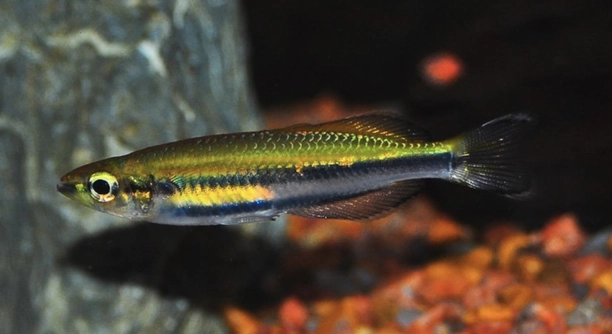
Rainbowfish are lively and vibrant additions to any freshwater aquarium. Their playful movements and bright colors often draw attention, making them engaging pets. Observing their daily behaviors can reveal much about their personality and interactions with their environment.
Curiosity in rainbowfish is expressed through distinct behaviors such as exploring new objects, approaching tankmates or owners, investigating feeding routines, and interacting with environmental changes. These actions indicate active engagement and awareness, reflecting their natural inquisitive nature.
Recognizing these subtle signs can enhance the bond with your rainbowfish. Paying attention to their reactions offers insights into their well-being and daily activities.
Approaching New Objects
Rainbowfish often swim directly toward new items in their tank. Their interest is visible when they circle decorations, inspect plants, or examine floating ornaments. Watching them carefully, you can see them pause and tilt slightly, as if analyzing every detail. This behavior shows they are mentally engaged and attentive. Their fins may flare subtly, highlighting alertness. Small movements, like nudging an object, indicate cautious exploration rather than fear. Over time, their repeated inspections suggest they are forming a mental map of their surroundings. This natural curiosity supports both physical activity and cognitive stimulation. Observing these actions helps you understand their comfort level and adaptability. Changes in tank layout may initially trigger more intense investigation. By noting how often and how thoroughly your rainbowfish explore, you gain insight into their personality. Ensuring a variety of textures and objects encourages continued engagement and prevents boredom.
Exploration of new objects is a clear marker of a rainbowfish’s curiosity, reflecting their active and aware nature in the tank.
Regularly introducing small changes, like plants or stones, keeps them stimulated. It promotes natural behaviors and enriches their environment effectively.
Interaction with Tankmates
Rainbowfish often engage with other fish, swimming close and mirroring movements.
Social interactions reveal curiosity and confidence. They observe, follow, and occasionally challenge their tankmates, showing mental alertness and responsiveness to social dynamics.
These behaviors indicate awareness of their surroundings and adaptability to varying social settings. When interacting, they may approach cautiously at first, then gradually become more comfortable. Watching how they respond to new or unusual tankmates provides insight into their temperament. Curious rainbowfish often initiate contact, swimming alongside others or investigating reactions. Subtle gestures like quick darts, fin flicks, or synchronized swimming patterns highlight both playfulness and inquisitiveness. Over time, these social interactions help establish hierarchy, build familiarity, and reduce stress. Encouraging positive tankmate interactions strengthens their engagement and mental stimulation, which is essential for overall health. Observing these patterns daily can inform adjustments in tank composition, ensuring all fish coexist comfortably while maintaining a dynamic environment that keeps curiosity alive.
Following Your Movements
Rainbowfish often track movements outside the tank, especially near feeding times or when cleaning. Their eyes follow hands or shadows, showing active observation and interest. This behavior reflects both curiosity and recognition of regular patterns in their environment.
Tracking movements demonstrates mental alertness and memory. Rainbowfish recognize routines, such as when food is placed in the tank or when someone approaches for maintenance. They often swim closer or hover near the glass, waiting to see what happens next. This attentiveness indicates a natural desire to gather information and understand their surroundings. Regularly noticing these patterns helps them feel secure while keeping their minds engaged.
Observing this behavior can also improve interaction strategies. By moving slowly and predictably, you encourage calm exploration. Sudden actions may startle them, while consistent routines build trust and allow their curiosity to flourish. Over time, this awareness deepens their engagement with their environment.
Investigating Feeding Areas
Rainbowfish approach feeding areas eagerly, inspecting the tank bottom and plants. They show interest in both new and familiar foods, often nudging pellets or flakes to examine them.
Feeding investigation reflects their natural foraging instincts. They observe the environment carefully, using vision and subtle movements to locate and identify food. This behavior ensures they adapt to changes, like new diet types or feeding schedules. Over time, rainbowfish develop preferences and techniques for handling food, demonstrating learning and memory. Their curiosity drives exploration of every corner of the tank during feeding, making mealtimes engaging and interactive. Regular observation helps gauge their health and activity levels.
Encouraging feeding exploration supports both nutrition and mental stimulation. Introducing varied textures and small additions like floating vegetables or live foods enhances their engagement. It reinforces problem-solving behaviors and keeps daily routines interesting, preventing boredom while promoting healthy, curious activity in the tank.
Exploring Hiding Spots
Rainbowfish frequently investigate plants, rocks, and other hiding areas. They peek around corners and swim through gaps, showing careful observation and interest in their surroundings.
This behavior helps them feel secure while remaining active. Exploring these spaces reflects curiosity and a natural drive to understand their environment fully.
Inspecting Tank Changes
When new decorations or equipment are added, rainbowfish approach cautiously, circling and examining the items. They often pause to assess size, shape, and placement before interacting further. This careful inspection demonstrates both awareness and adaptive behavior. Over time, repeated interactions with new objects indicate growing confidence and sustained interest in their habitat.
Observing Light and Shadows
Rainbowfish react to shifting light and shadows in the tank, following changes with deliberate movements and adjusting positions accordingly.
How can I tell if my rainbowfish is curious?
A curious rainbowfish will actively explore its environment. It approaches new objects, investigates decorations, and swims around plants or stones. You may notice it following movements outside the tank, like hands or shadows. They often inspect food before eating, demonstrating attentiveness and interest.
Other signs include hovering near the glass during activity outside the tank or swimming alongside tankmates to observe behaviors. They may also explore hiding spots repeatedly, peeking around corners and through gaps. Curiosity can be subtle, shown in small nudges or tilts as they assess their surroundings. Consistent observation over time helps identify these behaviors reliably.
Does curiosity indicate health in rainbowfish?
Yes, curiosity is often a sign of a healthy, active rainbowfish. A fish that engages with its environment demonstrates normal energy levels and cognitive function. Lack of interest or inactivity may indicate stress, illness, or poor tank conditions.
A healthy, curious rainbowfish will inspect feeding areas, interact with tankmates, and respond to environmental changes. These behaviors show they are alert and aware, which is important for both physical and mental well-being. Regular monitoring ensures you can respond quickly if behaviors change, supporting long-term health.
What activities can encourage curiosity in my rainbowfish?
Introducing new objects, decorations, or plants encourages exploration. Changing tank layout slightly or adding floating ornaments keeps the environment stimulating. Offering varied foods, including live or frozen options, prompts investigation and active feeding behavior.
Social engagement also plays a role. Rainbowfish enjoy interacting with compatible tankmates, which fosters curiosity and adaptive behaviors. Observing how they respond to other fish, new food, or small changes helps maintain mental stimulation. These simple adjustments prevent boredom and promote active engagement daily.
Is it normal for rainbowfish to follow movements outside the tank?
Yes, this is a common behavior reflecting curiosity and recognition of routines. Rainbowfish can learn patterns, like when feeding occurs or when someone approaches the tank. Following movements shows attentiveness and awareness of their surroundings.
This behavior can also strengthen interaction between you and your fish. Slow, consistent movements encourage calm exploration, while sudden actions may startle them. Tracking these responses helps gauge comfort levels and promotes positive engagement in their environment.
Can environmental changes affect curiosity levels?
Significant changes in the tank can temporarily increase or decrease curiosity. New decorations, altered lighting, or additional tankmates often trigger careful observation as rainbowfish assess safety. Over time, as they adapt, normal exploratory behavior resumes.
Maintaining a balanced environment supports consistent curiosity. Gradual adjustments, like rearranging plants or introducing small objects, encourage investigation without causing stress. Observing how your rainbowfish responds to these changes provides insight into their personality and comfort, ensuring a stimulating yet secure habitat.
How does curiosity manifest during feeding?
During feeding, curious rainbowfish inspect the tank thoroughly, searching plants, substrate, and floating areas for food. They may nudge pellets or flakes to examine texture and placement before eating.
This behavior reflects natural foraging instincts and learning. Over time, they develop preferences and strategies for handling different foods. Providing varied feeding options encourages exploration and active engagement, keeping mealtimes both mentally and physically stimulating.
Are interactions with tankmates a sign of curiosity?
Yes, social engagement indicates awareness and interest. Rainbowfish follow, observe, and sometimes mirror other fish, showing attentiveness to behavior and environment. They may initiate contact or investigate reactions, reflecting natural curiosity and adaptability.
Observing these interactions helps understand social dynamics and hierarchy within the tank. Curious rainbowfish often use these experiences to learn about their surroundings, maintain mental stimulation, and strengthen adaptive behaviors. Positive interactions contribute to overall well-being.
Do light and shadows affect curiosity?
Rainbowfish respond to changes in lighting or shadows, often following shifts or adjusting positions. This behavior shows they are alert and observing environmental cues. Variations in light can stimulate movement, investigation, and active engagement.
Monitoring these reactions helps ensure a comfortable habitat. Proper lighting supports natural behavior while allowing them to explore and interact safely. Consistent observation of these responses contributes to understanding their personality and maintaining a stimulating environment.
Can hiding spots influence curiosity?
Yes, hiding spots encourage exploration. Rainbowfish investigate plants, rocks, or other structures repeatedly, learning about space and safety. This behavior balances security with activity, allowing them to satisfy natural curiosity while feeling protected.
Providing varied and accessible hiding areas supports mental stimulation and encourages natural exploration. Rotating or introducing new objects gradually keeps these spaces interesting, maintaining active and inquisitive behavior without causing stress or fear.
Observing a rainbowfish in its tank can be both relaxing and revealing. Their behaviors, from investigating new objects to interacting with tankmates, reflect natural curiosity and intelligence. Noticing how they respond to changes, such as rearranged decorations or added plants, allows you to understand their comfort levels and adaptability. This attentiveness is not only a sign of their mental engagement but also an indicator of overall health. A curious fish is usually active, alert, and responsive, showing that it feels secure in its environment. Over time, these subtle observations become easier to recognize, helping you distinguish between normal exploratory behavior and signs of stress or illness. Paying attention to their patterns, like following movements outside the tank or inspecting feeding areas, creates a more interactive and engaging experience, making daily care more rewarding.
Creating an environment that encourages curiosity benefits both the fish and the owner. Simple actions, such as introducing varied decorations, plants, or small ornaments, provide mental stimulation while keeping the habitat interesting. Adjusting lighting, adding small hiding spots, and occasionally changing food types also support active exploration. Social interaction with compatible tankmates further enhances engagement and helps rainbowfish maintain adaptive behaviors. Encouraging these activities ensures they remain mentally and physically active, preventing boredom or lethargy that can result from a stagnant environment. Observing how they approach feeding, investigate new objects, or respond to social cues can guide small adjustments to their tank setup. Even subtle changes, like slightly repositioning rocks or plants, spark exploration and reinforce natural instincts. Gradual introduction of new elements is important, as sudden changes may startle or stress them. Maintaining consistency in water quality, temperature, and feeding schedules complements these environmental enrichments, allowing curiosity to flourish safely.
Recognizing and supporting a rainbowfish’s curiosity strengthens the connection between you and your fish. It allows you to respond to their needs and preferences while promoting a healthy, stimulating environment. Documenting behaviors and patterns helps anticipate changes in mood or activity, making care more proactive. A curious fish is more likely to display confidence, engage with its surroundings, and thrive within the tank. By observing interactions with tankmates, reactions to new objects, and daily routines, you gain insight into both personality and well-being. Providing opportunities for investigation and exploration ensures long-term engagement, contributing to mental sharpness and overall happiness. In this way, curiosity becomes an essential aspect of care, encouraging natural behavior while enhancing observation and interaction. Supporting this trait allows rainbowfish to live in an environment that is dynamic, safe, and fulfilling, benefiting both their health and your enjoyment as an owner.

Hello,
If you enjoy the content that we create, please consider saying a "Thank You!" by leaving a tip.
Every little bit helps us continue crafting quality advice that supports the health, happiness, and well-being of pets around the world, for pets of all shapes, sizes, and species.
We really appreciate the kindness and support that you show us!