
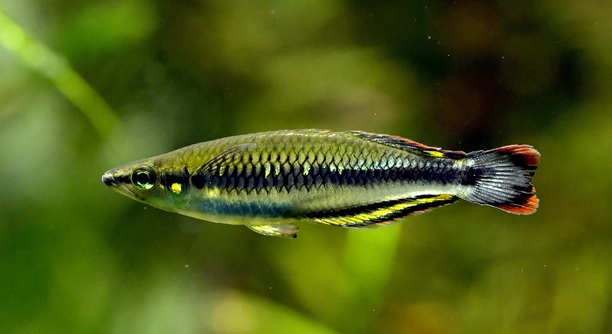
Rainbowfish are known for their vibrant colors and active swimming, making them popular in home aquariums. However, their lively nature can sometimes lead to unexpected nipping behaviors toward other tank mates.
Rainbowfish may nip at tank mates primarily due to territorial instincts, social hierarchy establishment, or insufficient space. Aggression can also arise from stress, overcrowding, or incompatible species, which triggers competitive or defensive behaviors in otherwise peaceful fish.
Learning why this behavior occurs will help you create a calmer, more harmonious aquarium environment for all your fish.
Understanding Rainbowfish Behavior
Rainbowfish are naturally active and social, but their energy can sometimes manifest as nipping. In aquariums, this behavior often appears when they are establishing territory or asserting dominance over others. A tank that is too small or overcrowded increases stress levels, causing them to act more aggressively. Environmental factors like water quality, temperature fluctuations, and lack of hiding spots can also contribute to this behavior. Even minor changes in the tank, such as adding new fish or rearranging decorations, may trigger nipping as fish adjust to their surroundings. It’s important to observe how your rainbowfish interact with each other and with other species to understand the root of the behavior. Their vibrant personalities can make this process easier to notice. By recognizing patterns early, you can prevent injuries and maintain a more peaceful aquarium, ensuring each fish remains healthy and stress-free while coexisting.
Careful observation is key to reducing nipping and maintaining harmony in a mixed-species tank.
Addressing nipping requires creating a balanced environment. Start by providing adequate space for swimming and personal territories. Ensure hiding spots like plants, rocks, and decorations are available to reduce stress and allow fish to retreat when needed. Compatibility with other species matters, as some fish may provoke aggression unintentionally. Regular water testing and maintenance prevent health issues that could exacerbate aggressive behavior. Feeding routines also influence interactions; underfeeding can trigger competition, while frequent, evenly distributed meals reduce tension. Monitoring introductions of new fish helps minimize conflicts. Adjusting tank layout gradually and observing responses allows you to make informed changes. With patience and consistent care, rainbowfish can thrive peacefully, displaying their natural colors and lively movements without harming their companions. A proactive approach ensures the tank remains an enjoyable, calm environment for all aquatic life.
Tank Setup Adjustments
Providing enough space, hiding spots, and compatible species is essential to prevent nipping.
Proper tank setup involves careful planning of space, decor, and fish selection. A larger tank reduces competition for territory and swimming areas, which directly lowers stress and aggression. Including live or artificial plants, rocks, and caves offers retreat options that help rainbowfish feel secure. Choosing species that match their temperament and size prevents mismatched interactions that could trigger nipping. Maintaining stable water parameters, such as temperature, pH, and cleanliness, supports overall health and reduces irritability. Feeding should be regular and sufficient, with attention to distribution to prevent dominance at food sources. Gradual introductions of new fish allow rainbowfish to adjust without feeling threatened. Observing behavior during changes helps identify potential problems early. A well-planned environment not only reduces aggressive incidents but also enhances the natural beauty and energy of rainbowfish. Consistent care and thoughtful adjustments create a peaceful, vibrant tank where all species can coexist safely.
Feeding Habits and Nipping
Uneven feeding can trigger nipping as rainbowfish compete for food. Ensuring meals are distributed evenly and providing enough for all fish can reduce aggressive behavior and maintain peace in the tank.
Rainbowfish are active eaters and can become competitive during feeding times. If food is limited or concentrated in one area, they may nip at slower or smaller tank mates to secure their portion. Using multiple feeding spots and supplying appropriate amounts helps prevent stress-driven aggression. Dry flakes, pellets, and occasional live or frozen foods keep them satisfied and healthy. Consistent feeding routines establish predictability, reducing tension during meals. Observing how they eat together also gives insight into social hierarchies and potential trouble spots.
Feeding frequency matters as well. Overfeeding can pollute the tank, affecting water quality and causing irritability. Underfeeding increases competition and prompts nipping. A balanced, measured approach ensures rainbowfish remain calm, energetic, and less likely to target their companions. Adding occasional variety, like daphnia or brine shrimp, keeps their interest while reducing aggression linked to food scarcity.
Social Dynamics in the Tank
Rainbowfish establish social hierarchies, which can lead to temporary nipping as dominance is asserted. Understanding their interactions helps maintain a peaceful aquarium.
They are naturally schooling fish, meaning they thrive in groups. Inadequate group sizes or imbalanced male-to-female ratios can cause stress and aggressive behavior. Males may nip at each other to establish dominance, particularly during breeding periods, while females may also be targeted in smaller or overcrowded tanks. Introducing new fish requires careful observation, as initial conflicts are common while social positions are determined. Separating overly aggressive individuals or adding more space can mitigate persistent nipping. Recognizing these dynamics allows you to anticipate behavior and adjust the tank environment proactively. Ensuring a balanced, adequately sized group promotes harmony, enabling rainbowfish to exhibit natural behavior without constant conflict.
Stress and Environmental Triggers
Crowded tanks and poor water conditions often increase stress, causing rainbowfish to nip at tank mates. Monitoring space and water quality reduces these behaviors and keeps fish calmer.
Sudden changes, like rearranging decorations or adding new fish, can also trigger stress. Stable conditions and gradual adjustments help rainbowfish feel secure.
Selecting Compatible Tank Mates
Choosing species with similar temperament and size reduces conflicts. Aggressive or very passive fish may trigger nipping or become targets, so careful selection is essential.
Monitoring and Intervention
Regular observation allows quick identification of nipping incidents. Early intervention prevents injuries and maintains a peaceful tank environment.
Behavioral Enrichment
Providing varied decor, plants, and hiding spots keeps rainbowfish engaged. Enrichment reduces boredom-related aggression and promotes natural behaviors.
Why do rainbowfish nip at other fish?
Rainbowfish nip primarily due to territorial behavior, establishing social hierarchies, or stress. In a crowded tank or during changes in the environment, they may act defensively or competitively. Even normally peaceful rainbowfish can display nipping if they feel insecure or threatened by other tank mates.
Is nipping more common among certain species of rainbowfish?
Yes. Some species, such as the Australian Rainbowfish, are more active and assertive, which can lead to occasional nipping. Smaller or more passive species may be less aggressive but can still engage in minor nipping when stressed or confined in small spaces.
Can tank size influence nipping behavior?
Absolutely. Tanks that are too small increase stress and competition for territory, food, and swimming space. Providing ample room and areas for retreat allows rainbowfish to coexist peacefully, reducing the likelihood of aggressive interactions.
Does diet affect nipping?
Yes. Uneven feeding or insufficient food can trigger nipping as rainbowfish compete for resources. Distributing food across multiple areas and providing adequate portions prevents aggression during meal times. A varied diet with flakes, pellets, and occasional live food keeps them satisfied.
How does social hierarchy impact nipping?
Rainbowfish establish pecking orders within the group. Males may nip at each other to assert dominance, while females or subordinate fish may be targeted during hierarchy establishment. Over time, these behaviors usually stabilize if the group is balanced and the environment supports natural social interactions.
Will nipping stop on its own?
It can, if the behavior is minor and the tank environment supports peaceful interaction. Stable water conditions, proper tank size, compatible tank mates, and sufficient hiding spots allow rainbowfish to adjust. Persistent nipping often indicates underlying stress or overcrowding that needs intervention.
Can adding more fish reduce nipping?
Adding more fish can sometimes spread aggression and reduce focus on a single individual, but it must be done carefully. Overcrowding can worsen stress and trigger more nipping. Introducing new fish gradually and maintaining balance is key.
Do tank decorations affect nipping?
Yes. Plants, rocks, and caves provide hiding spots and territory boundaries, reducing stress and territorial disputes. A well-decorated tank gives rainbowfish space to retreat, explore, and avoid constant confrontations. Rearranging decorations gradually also helps them adjust without provoking aggression.
Should aggressive fish be separated?
Persistent nipping that injures other fish may require separation. Using a divider or moving aggressive individuals to a different tank can protect vulnerable fish while maintaining harmony. Temporary separation during adjustment periods can prevent long-term damage.
Can water quality influence nipping behavior?
Poor water quality increases stress, irritability, and vulnerability to disease, which can lead to nipping. Regular testing for ammonia, nitrite, nitrate, pH, and temperature stability is essential. Clean, stable water helps rainbowfish remain calm and reduces aggressive tendencies.
How can I prevent nipping in a mixed-species tank?
Select compatible species, provide adequate space, maintain clean water, and offer plenty of hiding spots. Balanced feeding and gradual introductions of new fish also prevent stress-induced nipping. Observing interactions allows early intervention if aggression escalates.
Is nipping a sign of health issues?
Sometimes. Fish that are unwell may become more irritable or stressed, increasing nipping behavior. Monitoring for illness, injuries, or unusual behavior alongside environmental factors helps identify the root cause and ensures prompt treatment.
Does the ratio of males to females matter?
Yes. Imbalanced ratios can increase aggression, particularly among males competing for dominance or females. Maintaining an appropriate balance reduces stress and minimizes nipping incidents in the tank.
Can boredom cause nipping?
Lack of stimulation can lead rainbowfish to display aggressive behaviors, including nipping. Providing plants, decorations, and swimming areas encourages natural exploration, reducing boredom-related conflicts.
How long does it take for rainbowfish to stop nipping after changes?
Adjustment periods vary. Minor nipping may settle within days, while stress-related aggression can persist longer. Gradual introductions, stable conditions, and sufficient space shorten the time it takes for peace to be restored.
Are some fish more tolerant of nipping than others?
Yes. Active, fast-swimming species may avoid aggressive interactions, while slower or more passive fish may be more frequently targeted. Selecting tank mates with compatible energy levels helps reduce stress and injuries from nipping.
Can nipping affect the overall tank health?
Frequent nipping can injure fish, making them susceptible to infections. Stress from constant aggression may also reduce immunity. Maintaining a calm environment supports both behavioral stability and physical health in the aquarium.
Does nipping increase during breeding periods?
Yes. Males may become more aggressive while competing for mates or territory. Providing additional space and hiding spots helps mitigate these temporary increases in nipping. Monitoring interactions during breeding ensures safety for all fish.
Are there signs that nipping is becoming serious?
Visible injuries, torn fins, or constant chasing indicate escalating aggression. Persistent stress behaviors, such as hiding or reduced appetite, suggest intervention is needed to prevent long-term harm.
Can consistent observation prevent serious nipping issues?
Regular monitoring helps identify early signs of aggression, allowing for timely adjustments. Observing feeding behavior, social interactions, and responses to environmental changes ensures nipping does not escalate into serious harm.
Does tank lighting affect nipping behavior?
Bright or irregular lighting can stress rainbowfish, sometimes triggering aggression. Consistent, moderate lighting that mimics natural day-night cycles helps maintain calm behavior and reduces nipping incidents.
Can rearranging the tank help stop nipping?
Gradual rearrangements can redirect aggression by breaking established territories and giving fish new spaces to explore. Sudden changes should be avoided, but thoughtful adjustments often improve social dynamics.
Are rainbowfish generally aggressive species?
They are moderately active and social, not naturally aggressive, but certain circumstances like overcrowding, stress, or incompatible tank mates can trigger nipping. With proper care, aggression remains minimal.
How often should I check on nipping behavior?
Daily observation during feeding and active periods allows early detection of issues. Watching interactions and noting changes helps prevent minor nipping from escalating into harmful aggression.
Does the age of rainbowfish influence nipping?
Juveniles may nip as part of social development, while adults may display occasional dominance behavior. Monitoring different life stages helps anticipate behavioral changes and maintain harmony.
Can adding plants alone reduce nipping?
Plants provide hiding spaces and territory boundaries, which reduce stress and aggression. While helpful, they should be combined with proper tank size, compatible species, and balanced feeding for best results.
Is it normal for rainbowfish to nip occasionally?
Minor nipping is common, especially during social hierarchy formation. Occasional nips without injury are typically normal and do not indicate serious aggression if the environment supports peaceful cohabitation.
How can I track which fish are nipping?
Observing behavior during feeding and swimming periods, noting repeated interactions, and documenting injuries helps identify aggressive individuals. Tracking patterns allows targeted interventions and informed tank management.
Do water temperature fluctuations increase nipping?
Yes. Rapid changes in temperature can stress rainbowfish, prompting irritability and territorial behavior. Maintaining stable, appropriate temperatures reduces aggression and promotes overall well-being.
Can overcrowding make nipping worse?
Overcrowding intensifies competition for food, space, and hiding spots, increasing stress-driven nipping. Maintaining adequate tank space for each fish is essential for reducing conflict and supporting healthy interactions.
What immediate actions can I take if nipping becomes severe?
Separating aggressive fish, adding hiding spots, ensuring balanced feeding, and checking water quality are immediate steps. Persistent aggression may require adjusting tank population or relocating individuals to prevent injuries.
Can stress from other species trigger rainbowfish to nip?
Yes. Aggressive or territorial tank mates can provoke defensive or competitive nipping. Careful species selection and monitoring interactions reduce stress-induced aggression.
Are there signs that nipping has stopped?
Fish swim calmly together, maintain social hierarchies without chasing, and injuries decrease. Observing relaxed feeding and consistent movement patterns indicates that nipping behavior has subsided.
Can nipping return after it stops?
It can, especially after changes like new fish introduction, rearrangements, or water condition shifts. Continuous observation and maintaining stable conditions help prevent recurrence and ensure ongoing harmony.
Does overcrowding affect both small and large rainbowfish equally?
Overcrowding increases stress for all sizes, but smaller or weaker fish may be targeted more often. Ensuring sufficient space, hiding areas, and compatible group composition reduces conflicts for both large and small individuals.
Can frequent tank maintenance reduce nipping?
Yes. Clean water, stable conditions, and healthy fish reduce stress, which is a major trigger for nipping. Regular maintenance promotes calm behavior and minimizes aggression in rainbowfish.
Is nipping more frequent at certain times of day?
Nipping may increase during feeding or active swimming periods. Observing daily patterns allows adjustments to feeding, lighting, or tank layout to reduce aggression at peak activity times.
How do I know if a nipping incident is minor or serious?
Minor nips leave little to no damage, while serious incidents cause torn fins, visible injuries, or persistent chasing. Documenting occurrences and monitoring fish health helps assess severity and take appropriate action.
Can nipping be completely eliminated?
Not entirely, as some social or territorial behavior is natural. Proper tank management, compatible species, and enriched environments can minimize it to non-harmful levels.
Does breeding season require extra intervention for nipping?
Yes. Increased aggression during breeding can lead to injuries. Providing extra space, hiding spots, and monitoring interactions ensures safety and reduces stress for all fish.
Are there tools to help manage nipping behavior?
Tank dividers, additional decorations, and careful fish introductions are effective. Observing behavior and adjusting feeding or layout also helps manage aggression.
Can nipping affect the growth of younger fish?
Yes. Persistent harassment can stress juveniles, reducing appetite and growth. Providing hiding spots and ensuring peaceful cohabitation supports healthy development.
How long should I monitor new fish for nipping behavior?
Observation for the first few days to weeks is crucial. Early detection allows quick adjustments before aggression escalates, ensuring smooth integration into the tank.
Does stress from handling or moving fish influence nipping?
Yes. Handling or sudden moves can increase stress levels, triggering temporary nipping. Minimizing disturbances and allowing adjustment time reduces aggressive responses.
Are there long-term effects of repeated nipping?
Frequent nipping can lead to injuries, stress, and weakened immunity. Maintaining a calm environment and addressing root causes helps prevent long-term negative outcomes for fish health.
Is nipping more common in community tanks?
Yes. Mixed-species tanks increase interactions and potential conflicts. Proper selection of compatible species, tank size, and environmental enrichment reduces aggression and promotes peaceful coexistence.
How can I encourage peaceful behavior among rainbowfish?
Provide space, hiding spots, consistent feeding, and stable water conditions. Balanced group composition and careful observation help maintain calm social interactions and reduce nipping incidents.
Can lighting changes during the day influence nipping behavior?
Sudden shifts or overly bright lighting can stress fish and trigger nipping. Gradual, consistent lighting that simulates natural cycles promotes calm behavior and reduces aggression.
Does the number of males in a tank impact nipping frequency?
More males can increase competition, particularly during breeding. Maintaining balanced ratios reduces dominance disputes and helps sustain a peaceful environment for all fish.
Is nipping influenced by water flow or filtration?
Strong currents or inconsistent water flow can stress rainbowfish, sometimes leading to nipping. Properly adjusted filtration and gentle currents promote comfort and reduce aggressive behavior.
Can nipping occur without obvious triggers?
Yes. Sometimes minor social adjustments or subtle environmental stressors can lead to nipping. Observing patterns over time helps identify less obvious causes and allows preventive measures.
How do I know if tank mates are compatible?
Compatibility is based on size, temperament, activity level, and environmental needs. Observing interactions, feeding behavior, and stress levels indicates whether species coexist peacefully.
Can adding plants alone eliminate nipping?
Plants help by providing hiding spots and breaking sightlines but do not completely prevent nipping. They are most effective when combined with proper tank size, balanced feeding, and compatible species.
Are there behavioral signs that precede nipping?
Chasing, flaring fins, or circling are common precursors. Early detection allows intervention before physical aggression occurs, preventing injuries and stress.
Does overcrowding affect nipping more than diet?
Both are important, but overcrowding often has a stronger impact because it increases stress and competition. Proper space management combined with balanced feeding minimizes nipping incidents.
Can frequent rearrangement of tank decor increase nipping?
Yes. Sudden changes disrupt established territories and cause temporary stress. Gradual adjustments allow rainbowfish to acclimate without triggering excessive aggression.
Is nipping a common concern for beginner aquarists?
It can be, particularly in small or overcrowded tanks. Understanding rainbowfish behavior and proper tank management reduces stress and aggression for novice keepers.
Can water hardness affect nipping?
Extreme water hardness may stress fish, increasing irritability. Maintaining species-appropriate water parameters promotes calm behavior and reduces nipping tendencies.
Does nipping increase with age?
Juveniles may nip as part of social development. Adults may display occasional dominance behavior, but consistent care ensures these interactions remain minimal.
How does tank layout influence nipping?
Open areas encourage swimming but may increase visible territorial disputes. A mix of open spaces and hiding spots balances activity with security, reducing aggression.
Can nipping lead to disease?
Injuries from nipping increase susceptibility to infections. Maintaining clean water, treating wounds, and minimizing stress are essential to prevent disease outbreaks.
Are some rainbowfish naturally more aggressive than others?
Yes. Species and individual temperament vary. Active, assertive types may display occasional nipping, while calmer fish tend to be more peaceful. Understanding these traits guides proper tank planning.
How do I know if nipping is normal social behavior?
Minor nips without lasting damage, chasing that does not persist, and stable group interactions indicate normal social behavior rather than serious aggression.
Can adjusting feeding schedules reduce nipping?
Yes. Frequent, evenly distributed meals prevent competition, reducing stress and aggression. Observing feeding patterns ensures all fish get enough food.
Does seasonal change affect nipping?
Yes. Temperature and light changes associated with seasons can alter behavior, sometimes increasing minor territorial nips. Stable tank conditions help maintain calm interactions.
Is nipping more noticeable in small tanks?
Yes. Limited space increases encounters and competition, making nipping more frequent. Providing adequate room and hiding spots minimizes aggression.
Can I train rainbowfish to reduce nipping?
Behavior cannot be trained like pets, but consistent care, environment stability, and proper tank setup influence social behavior and reduce triggers for nipping.
Do rainbowfish recover quickly from nipping injuries?
Minor injuries often heal if water quality is maintained. Severe injuries require careful monitoring, possible treatment, and adjustments to prevent further incidents.
How do I balance multiple factors to prevent nipping?
Tank size, species compatibility, hiding spots, feeding routines, water quality, and observation all work together. Addressing each factor creates a calm environment that minimizes aggressive behavior.
Can stress from other aquariums or nearby tanks influence nipping?
Reflections, shadows, or vibrations from nearby activity may increase alertness and irritability. Stable, calm surroundings reduce stress-driven nipping.
Does overcrowding affect nipping differently for males and females?
Males often compete more aggressively, while females may become stressed or targeted. Balanced ratios and sufficient space reduce conflicts for both sexes.
Are there specific signs rainbowfish are unhappy that relate to nipping?
Hiding excessively, losing appetite, or displaying torn fins are signs of stress or aggression. Early attention prevents escalation of nipping and maintains well-being.
Can environmental enrichment reduce nipping over the long term?
Yes. Providing plants, hiding spots, and areas to explore keeps fish engaged, reduces boredom, and promotes natural behavior, decreasing the frequency of aggressive interactions.
How important is consistency in tank maintenance for nipping prevention?
Very important. Regular water checks, stable conditions, and consistent feeding routines minimize stress, helping rainbowfish remain calm and reducing nipping incidents.
Does nipping behavior vary between community and single-species tanks?
Yes. Community tanks increase interactions, creating more opportunities for nipping. Single-species tanks reduce interspecies conflict but still require observation to manage social hierarchies.
How do I know when intervention is necessary?
Visible injuries, persistent chasing, or stressed behavior indicate the need for intervention. Early action prevents long-term harm and supports healthy tank dynamics.
Are there long-term strategies to minimize nipping?
Yes. Adequate space, compatible species, enriched environment, stable water conditions, balanced feeding, and consistent monitoring create a sustainable, peaceful aquarium for rainbowfish.
Can nipping be prevented entirely in a mixed-species tank?
Complete prevention is unlikely, as some social behavior is natural. Proper management reduces incidents to minor, non-harmful interactions.
Does tank size directly correlate with nipping frequency?
Generally, larger tanks reduce competition and stress, lowering nipping frequency. Small or overcrowded tanks tend to increase aggressive interactions.
Are rainbowfish nipping behaviors predictable?
Patterns can be observed through feeding, social interactions, and environmental changes. While minor nipping may be expected, consistent observation allows proactive management.
Can temporary isolation help reduce nipping?
Yes. Isolating aggressive individuals or stressed fish allows recovery, prevents injuries, and restores balance in the tank.
Does the number of hiding spots influence nipping behavior?
More hiding spots reduce stress, give fish retreat options, and minimize territorial disputes, lowering the frequency and intensity of nipping incidents.
Is it normal for rainbowfish to chase without causing injury?
Yes. Chasing is often part of social hierarchy or play. If no injuries occur, it is typically normal behavior rather than harmful aggression.
Can tank lighting schedules affect nipping patterns?
Consistent lighting mimicking natural cycles helps regulate activity and stress. Sudden changes or overly bright lighting can provoke irritability and minor nipping.
Are juvenile rainbowfish more prone to nipping than adults?
Juveniles may nip as they establish social hierarchies, while adults usually display occasional dominance behavior. Proper tank management reduces negative impacts.
Does the type of substrate affect nipping behavior?
Substrate choice influences territorial boundaries and hiding options. Varied substrate with plants and decorations supports natural behavior and reduces aggression.
Can temperature control help prevent nipping?
Stable, species-appropriate temperatures reduce stress and irritability, lowering the likelihood of nipping
Rainbowfish are lively, colorful, and social fish that bring energy and movement to any aquarium. Their occasional nipping can be concerning, but it is often a natural part of their behavior. Understanding why rainbowfish nip and the factors that influence this behavior is essential for maintaining a peaceful tank. Nipping is usually linked to territorial instincts, social hierarchy, or stress caused by environmental changes. By observing their interactions carefully, you can often identify the triggers and take steps to reduce aggressive behaviors. Simple adjustments, like providing adequate space, hiding spots, and compatible tank mates, can make a significant difference in how rainbowfish interact. Even minor changes in feeding routines or water quality can impact their behavior, so consistency and attention to detail are important. Recognizing these patterns allows you to create an environment where rainbowfish coexist comfortably without causing harm to each other or other species in the tank.
Proper tank setup is one of the most effective ways to minimize nipping. Ensuring that the tank is large enough to allow each fish to establish a personal territory helps reduce stress and competition. Adding plants, rocks, and other decorations creates areas for retreat, which gives rainbowfish a sense of security and helps prevent confrontations. Feeding routines also play a key role. Distributing food evenly, providing sufficient amounts, and maintaining a balanced diet keeps the fish satisfied and less likely to compete aggressively. Monitoring water quality is equally important. Stable parameters for temperature, pH, and cleanliness support overall health, which directly affects behavior. Stress from overcrowding, poor water conditions, or rapid environmental changes can make even the most peaceful rainbowfish more likely to nip. Small, consistent interventions often prevent larger problems and contribute to a calmer, more harmonious aquarium.
Social dynamics and behavioral enrichment are equally important for maintaining a peaceful tank. Rainbowfish establish hierarchies within their groups, and minor nipping can be part of this natural social order. Providing appropriate group sizes and balanced male-to-female ratios helps minimize conflicts and reduces stress among individuals. Enrichment through varied decorations, plants, and open swimming areas encourages natural exploration and keeps fish engaged, which decreases boredom-related aggression. Regular observation allows you to detect early signs of persistent nipping or stress, making timely adjustments possible. Over time, consistent care, proper tank management, and attention to behavioral cues create an environment where rainbowfish can display their natural colors, swim actively, and coexist peacefully. With patience and careful planning, nipping becomes manageable, allowing the aquarium to remain both visually appealing and a safe space for all its inhabitants.

Hello,
If you enjoy the content that we create, please consider saying a "Thank You!" by leaving a tip.
Every little bit helps us continue crafting quality advice that supports the health, happiness, and well-being of pets around the world, for pets of all shapes, sizes, and species.
We really appreciate the kindness and support that you show us!