
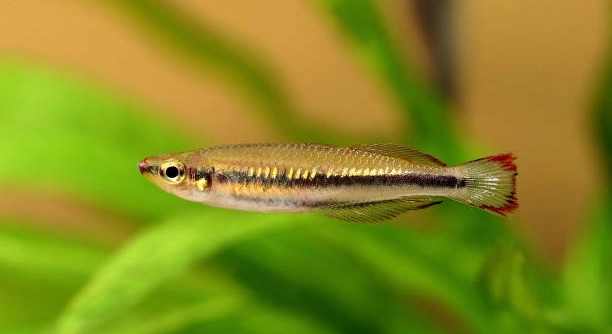
Do rainbowfish are colorful and lively additions to home aquariums, often bringing movement and charm to any tank. Their presence is calming, yet the impact of surrounding noise on their behavior is not always obvious or straightforward.
Rainbowfish can acclimate to consistent, non-threatening background noise over time, though sudden or loud disruptions may still cause stress responses. Gradual exposure allows them to adjust, minimizing behavioral disturbances and maintaining overall well-being in their aquatic environment.
Learning how noise influences rainbowfish behavior can improve tank management and ensure their comfort, making the aquarium a healthier, more harmonious space for these vibrant fish.
How Noise Affects Rainbowfish Behavior
Rainbowfish are sensitive to sudden changes in their environment. Loud or abrupt noises can startle them, causing erratic swimming or hiding. Over time, repeated disturbances may increase stress levels, affecting their appetite and social interactions. Quiet background sounds, like a soft humming from a nearby appliance, are less likely to cause disruption. Observing their reactions to different noise levels helps determine what is comfortable for them. Maintaining a calm environment not only encourages normal behavior but also supports their immune system. Stress from excessive noise can make them more prone to illness, so creating a stable and predictable habitat is important. Adding plants or decorations can provide hiding spots, reducing anxiety during unavoidable sounds. Small adjustments, like moving speakers or avoiding slamming doors near the tank, can have a noticeable impact. Consistent, gentle handling and avoiding sudden loud disturbances ensures that rainbowfish remain active, healthy, and visually vibrant, making the tank more enjoyable to watch.
Gradually, rainbowfish show signs of adapting. Their swimming patterns stabilize, and hiding becomes less frequent, indicating they can get used to moderate noise levels.
Over several weeks, consistent exposure to non-threatening sounds allows rainbowfish to develop tolerance. They may initially dart or freeze when hearing new noises, but repeated gentle exposure reduces these stress reactions. Keeping a stable routine, such as feeding at the same times and avoiding sudden changes near the tank, helps them adjust more quickly. Observing each fish’s behavior individually is crucial, as tolerance can vary among the group. Environmental enrichment, like plants or small hiding spots, provides security and further reduces stress. With patience and care, rainbowfish learn that certain noises are harmless, leading to calmer behavior and a healthier tank. This adaptation not only improves their well-being but also makes their daily activities predictable and easier to monitor for any potential issues. Understanding their responses ensures a more harmonious aquatic environment overall.
Tips to Minimize Noise Stress
Positioning the aquarium away from high-traffic areas can reduce unnecessary disturbances. Placing soft padding beneath the tank can absorb vibrations and muffled sounds.
Providing a consistent routine and using gentle background noise, such as soft music or a low hum from equipment, helps rainbowfish acclimate more effectively. Limiting sudden loud sounds and monitoring reactions regularly allows gradual adaptation while maintaining their health and comfort in the tank. Over time, rainbowfish become less reactive, and their environment feels secure, ensuring a peaceful habitat for observation and care.
Signs Your Rainbowfish Are Adjusting
Calmer swimming, reduced hiding, and normal feeding patterns are clear indicators that rainbowfish are becoming accustomed to background noise. Watching these behaviors helps gauge their comfort and stress levels in the tank environment.
As rainbowfish grow used to regular household sounds, their reactions become less intense. They stop darting or clinging to tank corners and return to exploring open areas. Stress-related behaviors, such as clamped fins or rapid gill movement, diminish with consistent exposure. Observing these changes closely allows adjustments in tank placement or noise management to better suit their needs. Each fish may adjust at a different pace, so patience is important. Over time, the tank environment stabilizes, and the fish exhibit calmer, more predictable behaviors.
Monitoring interactions among rainbowfish also shows adaptation. Social behaviors, like swimming in groups or chasing each other, resume as stress levels decrease. Providing predictable routines, gentle lighting changes, and quiet feeding times supports this adjustment. Hiding spots remain useful, but fish gradually use them less frequently. Observing how they interact with each other and with the environment confirms that tolerance to noise is improving. Gradual acclimation ensures healthier, happier fish and allows their natural personalities to emerge more fully in the tank.
Strategies to Support Noise Adaptation
Consistent routines, stable water conditions, and minimal sudden disturbances create an environment where rainbowfish can comfortably adjust to sounds around them.
Using background equipment sounds, like filters or low humming devices, provides gentle, predictable noise that helps fish acclimate. Avoid sudden loud noises, such as slamming doors or dropping objects near the tank. Providing plants, rocks, or decorations for hiding supports their sense of security. Feeding on a schedule allows them to anticipate daily routines, reducing stress from unexpected changes. Observing reactions and adjusting minor environmental factors ensures ongoing adaptation, promoting calm behavior.
Gradual exposure to moderate noise, combined with environmental enrichment, enhances rainbowfish well-being. Maintaining proper water temperature, clean filtration, and consistent lighting reinforces a sense of stability. Avoid placing the aquarium near televisions, speakers, or areas with frequent sudden activity. When new equipment is introduced, running it quietly beforehand allows fish to adjust gradually. Each rainbowfish may respond differently, so monitoring individual behavior is crucial. Over time, this careful management reduces stress, encourages natural behaviors, and promotes a peaceful, healthy environment where rainbowfish can thrive while coexisting with typical household sounds.
Common Mistakes to Avoid
Placing the tank near loud appliances or high-traffic areas can increase stress. Sudden noises like slamming doors or loud music may startle rainbowfish and disrupt their routine.
Overhandling the fish during noisy periods or frequent tank rearrangements can prevent adaptation. Consistency is key for their comfort.
Gradual Noise Exposure Techniques
Introducing moderate background sounds slowly allows rainbowfish to adjust without significant stress. Start with brief periods of noise at low volume and gradually increase duration. Pair these sessions with feeding or calm observation times to associate sounds with predictable, safe experiences. Monitoring their behavior during this process helps identify individual tolerance levels. Providing secure hiding spots during exposure ensures they have control over their environment. Over weeks, fish typically show reduced startle responses, calmer swimming patterns, and more consistent social behavior. Patience and careful observation are essential to help rainbowfish acclimate safely to household noise while maintaining overall well-being.
Monitoring Long-Term Adaptation
Consistent observation of swimming, feeding, and social behaviors helps track noise adaptation over time. Adjustments can be made as needed.
FAQ
How can I tell if my rainbowfish is stressed by noise?
Stress in rainbowfish shows through changes in behavior. They may hide more often, swim erratically, or freeze when exposed to sudden sounds. Clamped fins, rapid gill movement, or reduced appetite are also signs. Observing these behaviors regularly helps determine whether the tank environment is too noisy. Small adjustments, such as moving the tank or adding hiding spots, can alleviate stress and improve their comfort.
Can rainbowfish get used to all types of noise?
Rainbowfish can acclimate to consistent, moderate background noises over time. Household appliances like filters or quiet hums are generally tolerated. However, sudden or extremely loud noises, such as slamming doors or dropping objects, can still trigger stress responses. Gradual, predictable exposure is more effective than attempting to introduce abrupt sounds.
How long does it take for rainbowfish to adjust to noise?
Adjustment varies among individual fish and depends on noise type and frequency. Some rainbowfish may show reduced stress within a few days, while others may take several weeks. Consistency in routines, quiet periods, and stable tank conditions support faster acclimation. Monitoring their behavior closely ensures that each fish is adapting at its own pace.
Are hiding spots necessary for noise adaptation?
Yes, hiding spots like plants, rocks, or decorations provide a sense of security. Fish can retreat when feeling stressed, helping them feel in control of their environment. Over time, as they adjust, they may use these areas less, but having options available is essential for reducing stress during the adaptation process.
Does tank placement affect how fish handle noise?
Absolutely. Placing the aquarium away from high-traffic areas or loud appliances reduces sudden disturbances. Elevated surfaces or corners near walls can also buffer vibrations. Strategic placement helps minimize stress and creates a calmer environment, making it easier for rainbowfish to acclimate to regular household sounds.
Should I use music or other sounds to help them get used to noise?
Soft, consistent background sounds, such as gentle music or the hum of filtration equipment, can aid adaptation. Pairing these noises with feeding times or calm observation sessions helps fish associate sound with safety. Avoid abrupt or loud music, which can trigger stress rather than help adjustment.
Can stress from noise affect their health?
Yes, prolonged stress can weaken the immune system, reduce appetite, and make rainbowfish more susceptible to illness. Minimizing sudden loud noises, maintaining stable water conditions, and providing secure hiding spots help preserve their health and support long-term well-being.
How do I monitor if my rainbowfish is successfully adapting?
Calm swimming, normal feeding patterns, resumed social interactions, and less frequent hiding indicate successful adaptation. Tracking these behaviors over time ensures they are coping with household noises. Each fish may adapt at a different pace, so individual observation is important.
What if some fish adapt faster than others?
It’s normal for tolerance levels to vary. Provide gradual exposure and secure hiding options for slower-adapting individuals. Avoid forcing all fish to experience noise at once. Patience ensures every rainbowfish can adjust safely without added stress.
Are there signs that noise adaptation is failing?
Persistent hiding, erratic swimming, fin clamping, or refusal to eat may indicate that the current noise level is too stressful. In such cases, reducing exposure, relocating the tank, or adding more hiding spaces is necessary to help rainbowfish recover and feel secure.
Can adaptation to noise improve their social behavior?
Yes. As stress decreases, rainbowfish resume normal group swimming, chasing, and interacting with each other. Stable routines and predictable noise exposure foster a more harmonious tank, allowing their natural behaviors and personalities to emerge fully over time.
Is it possible for rainbowfish to never fully adjust to some noises?
Some extremely loud or irregular sounds may always cause temporary stress. While most rainbowfish tolerate moderate, consistent background noise, irregular disturbances may require ongoing management, such as relocating the tank or further minimizing exposure, to ensure their comfort and safety.
How often should I check their behavior during adaptation?
Daily observation is recommended, particularly during the initial adjustment period. Note changes in swimming patterns, feeding, and hiding. Frequent monitoring allows timely adjustments to environmental factors and ensures a smoother, less stressful adaptation process for all rainbowfish.
Does water quality affect noise tolerance?
Yes. Poor water conditions can amplify stress responses to noise. Maintaining clean water, stable temperature, and proper filtration supports resilience. Fish in optimal conditions are better able to adapt to environmental changes, including household sounds.
Are there tools to help reduce noise stress in aquariums?
Soft padding under the tank, sound-dampening panels near noisy areas, and positioning the aquarium away from high-traffic zones help minimize vibrations. Combining these strategies with gradual noise exposure creates a calmer environment, promoting adaptation and long-term well-being for rainbowfish.
Final Thoughts
Rainbowfish are sensitive creatures, and their responses to noise can reveal a lot about their comfort and stress levels. Observing changes in swimming, feeding, and social behavior provides a clear picture of how they are coping. Sudden or loud noises can startle them, causing erratic movement or hiding, while consistent, moderate background sounds are usually tolerated. Over time, with gradual exposure, rainbowfish can become accustomed to household noises, reducing stress and supporting overall well-being. Ensuring a stable environment with predictable routines, secure hiding spots, and consistent care helps them adapt more effectively.
Patience is crucial when helping rainbowfish adjust. Each fish has its own tolerance level and pace for adapting to noise, so careful observation is necessary. Providing hiding places and plants gives them control over their environment, which reduces anxiety and supports natural behaviors. Small adjustments, such as placing the tank away from busy areas, reducing vibrations, or maintaining quiet periods during sudden household activities, make a noticeable difference. Gradual exposure combined with environmental enrichment ensures that stress responses decrease steadily. As rainbowfish become more comfortable, their swimming patterns normalize, feeding behavior returns to usual, and social interactions with other fish resume. Monitoring these changes regularly allows owners to fine-tune the environment for optimal comfort.
Long-term adaptation to noise is not just about tolerance; it contributes to healthier, more vibrant fish. Stress impacts their immune system and overall health, so reducing noise-related stress promotes longevity and activity levels. Maintaining clean water, stable temperatures, and proper filtration complements noise management, creating an environment that supports their physical and mental well-being. While some noises may never be fully tolerated, most rainbowfish adjust successfully to moderate, predictable sounds with time and consistent care. Observing individual differences, providing secure spaces, and minimizing sudden disturbances help create a peaceful aquarium environment. By focusing on steady routines, patience, and thoughtful tank management, rainbowfish can thrive despite typical household noises, allowing their natural beauty and behaviors to flourish while maintaining a calm, healthy habitat.

Hello,
If you enjoy the content that we create, please consider saying a "Thank You!" by leaving a tip.
Every little bit helps us continue crafting quality advice that supports the health, happiness, and well-being of pets around the world, for pets of all shapes, sizes, and species.
We really appreciate the kindness and support that you show us!