
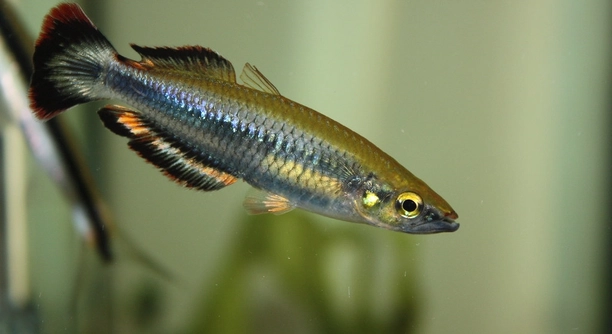
Keeping a fish tank bright can make it look lively and colorful. Many aquarium owners enjoy the way light enhances their fish and plants, but sometimes too much brightness can cause hidden problems in the tank environment.
Excessive tank lighting can lead to algae overgrowth, stress in fish, and deterioration of plant health. High-intensity illumination disrupts natural cycles, affects water quality, and may reduce the overall balance of the aquatic ecosystem. Managing light levels is crucial.
Recognizing the signs of over-bright tanks is important for maintaining a healthy aquarium. Identifying these indicators early helps prevent long-term damage and ensures the environment remains comfortable for all inhabitants.
Algae Growing Too Fast
When tank lights are too bright, algae can grow much faster than normal. You might notice green film on the glass, decorations, or plants. This excessive growth can make the tank look dirty and can block light from reaching other plants. Over time, it can affect water quality. High lighting levels feed algae and encourage it to spread quickly. Even a few extra hours of light per day can make a noticeable difference. Algae thrives when nutrients like nitrate and phosphate are present, so bright lighting combined with these nutrients speeds growth further. Removing it constantly becomes tiring, and chemical treatments may only provide temporary relief. Maintaining moderate light levels helps keep algae in check naturally. Adjusting the timer or reducing the intensity can protect plants and fish while keeping the tank visually appealing. It also helps create a stable, low-stress environment that promotes healthy plant growth.
Too much algae can suffocate plants and create a toxic environment for fish, making management essential for long-term tank health.
Algae growth is often the first sign that a tank is too bright. Plants may start to look pale or struggle to grow, while fish may hide more often or appear stressed. Observing changes in behavior and tank appearance can alert you early. Regular cleaning helps, but balancing light is more effective. Adjusting the light schedule and checking intensity ensures algae doesn’t overtake the tank. Using floating plants can help shade the water and reduce light reaching algae-prone areas. A healthy balance encourages plants to thrive while keeping algae under control. Consistent monitoring of water parameters combined with proper lighting reduces surprises and keeps the aquarium stable, benefiting all its inhabitants.
Fish Showing Stress
Fish in an overly bright tank can become stressed, showing unusual swimming patterns, hiding more often, or losing color. Bright light may disrupt natural activity and feeding habits, affecting overall health and behavior.
Stress in fish from bright light can weaken immune systems and make them more susceptible to disease. Maintaining moderate lighting and providing shaded areas helps fish feel secure, ensuring they remain active and healthy.
Plants Losing Their Color
Excessive light can cause plants to fade or develop brown spots. Even hardy species may struggle when exposed to too much intensity. Adjusting light levels helps plants retain their natural colors and encourages stronger, healthier growth throughout the tank.
Plants under too much light may start to look pale, with leaves losing vibrancy. Some may develop holes or tears as they struggle to cope with constant exposure. Bright light increases evaporation, which can change water chemistry, making it harder for plants to absorb nutrients. Over time, weaker plants may die off, giving algae more room to grow. Balancing the light duration and intensity, along with maintaining proper water conditions, ensures plants remain colorful and healthy. Floating or taller plants can also provide shade, protecting delicate species from direct light while keeping the ecosystem stable.
Light stress impacts plant growth patterns, causing them to stretch toward the light unnaturally or lose leaves at the bottom. This can reduce overall plant density, making the tank appear empty. Trimming affected plants and adjusting light intensity helps restore balance. Using a timer to maintain a consistent lighting schedule prevents further stress and promotes even growth. Choosing plants suited to your tank’s light conditions ensures long-term health and reduces maintenance challenges, keeping the aquarium visually appealing. Proper placement of light and careful monitoring of plant responses are key to maintaining a thriving, balanced environment.
Water Temperature Fluctuations
Bright lights can increase water temperature, affecting fish and plants. Even small changes may stress inhabitants, reducing their activity and impacting overall tank health. Monitoring temperature becomes crucial to avoid sudden fluctuations that harm the ecosystem.
High-intensity lighting can warm the water significantly, especially in smaller tanks. Warmer water holds less oxygen, which may cause fish to breathe faster and appear restless. Some plant species may also struggle, leading to slower growth or decaying leaves. Consistent temperature management helps maintain a stable environment for both plants and fish. Using a thermometer, adjusting light intensity, and adding cooling methods like fans or filters prevents sudden spikes. Combining these steps ensures that all tank inhabitants remain comfortable and the aquatic ecosystem stays balanced, reducing stress and minimizing health issues over time.
Fish Hiding More Often
Bright lighting can make fish feel exposed and unsafe. They may retreat to decorations, plants, or corners more frequently. Providing shaded areas or reducing light intensity helps fish feel secure and encourages natural behavior in the tank.
Constant exposure to strong light can increase stress levels in fish. Stress can reduce appetite, affect immune response, and even change social behaviors. Observing where fish spend most of their time helps identify if lighting is too intense.
Rapid Evaporation
High-intensity lights can cause water to evaporate faster. This changes water levels quickly, affecting chemistry and making frequent top-offs necessary. Monitoring evaporation helps maintain a stable environment for all tank inhabitants.
Reduced Plant Growth
Plants may grow slower under excessively bright lights, as intense exposure can damage leaves and disrupt nutrient absorption. Balancing light intensity ensures healthier, more consistent growth across species.
Increased Algae Spread
When light is too bright, algae not only grows faster but spreads more aggressively. Limiting light exposure slows growth and maintains a cleaner, more balanced tank environment.
How do I know if my tank light is too bright?
If your fish are hiding more than usual, plants look pale, or algae is spreading rapidly, these are clear indicators. Monitoring behavior and visual changes in your tank helps determine whether lighting levels are too intense. Consistent observation is key to maintaining a healthy environment.
Can too much light harm fish?
Yes, excessive lighting can stress fish, affecting their appetite, immune system, and behavior. Fish may lose color, hide more often, or become restless. Providing shaded areas or adjusting light intensity helps reduce stress and ensures fish remain active and healthy.
Does bright light affect plants?
High-intensity light can damage delicate leaves, cause discoloration, or slow growth. Some plants may stretch toward the light unnaturally or drop leaves at the bottom. Maintaining moderate light levels and using a proper lighting schedule promotes steady, healthy growth.
Why is algae growing so fast in my tank?
Bright lights combined with excess nutrients encourage algae to grow quickly. Algae can cover glass, decorations, and plants, making the tank look dirty. Reducing light duration, lowering intensity, and controlling nutrients helps manage growth effectively. Floating plants or shading can also limit light reaching algae-prone areas.
How does bright light affect water temperature?
Intense lighting can raise water temperature, especially in smaller tanks. Warmer water holds less oxygen, which can stress fish and slow plant growth. Monitoring temperature and using fans or adjusting light intensity helps maintain a stable environment. Consistent temperatures support healthier plants and fish.
What is the ideal light duration for a freshwater tank?
Most freshwater tanks do well with 6 to 8 hours of light per day. Longer periods may encourage algae growth and stress fish. Using a timer ensures a consistent schedule, preventing overexposure and keeping the tank balanced.
Can adjusting the light fix algae and plant problems?
Yes, lowering intensity or shortening light duration often slows algae growth and prevents plant damage. Combining this with regular maintenance and proper nutrient control creates a healthier environment. Observation is important to find the right balance for your specific tank setup.
Are all fish affected the same by bright lights?
Different species respond differently. Shy or nocturnal fish are more likely to hide or become stressed, while active fish may tolerate stronger light but still face long-term effects. Adjusting lighting according to species needs ensures all inhabitants remain comfortable.
Should I use a timer for my tank light?
Using a timer helps maintain a consistent lighting schedule, preventing overexposure and supporting plant growth. Consistency reduces stress for fish and keeps algae growth in check, making tank maintenance easier and more predictable.
How can I reduce light without harming plants?
Lower the intensity, shorten daily duration, or add floating plants to create shaded areas. Choosing species suited to your tank’s natural light conditions helps maintain healthy growth while minimizing algae and stress.
Is there a difference between fluorescent and LED lights for brightness?
Yes, LED lights often provide stronger, more focused illumination, while fluorescent lights are softer. LED intensity can be adjusted more precisely, which helps control algae and plant growth. Choosing the right type depends on your tank size, plants, and fish requirements.
What signs indicate plants are recovering after adjusting light?
Leaves regain color, new growth appears, and plants stop stretching toward the light. Healthy, vibrant plants signal the tank is balanced, and fish activity usually improves as the environment becomes more stable.
How often should I check light levels?
Regular checks, at least weekly, help spot issues early. Observing plant health, algae growth, and fish behavior ensures the tank remains comfortable. Adjustments can then be made before problems become serious.
Can lighting alone solve algae problems?
Lighting helps, but it must be combined with proper nutrient control, regular water changes, and careful monitoring. Reducing intensity and duration slows growth, but a complete strategy ensures long-term results.
How do I balance light for both fish and plants?
Moderate intensity, 6 to 8 hours of light daily, shaded areas, and species-appropriate plants create harmony. Observing both fish and plants over time ensures adjustments maintain a healthy, stable tank.
Are there any quick fixes for over-bright tanks?
Quick fixes include lowering light intensity, shortening exposure, and adding floating plants for shade. However, long-term monitoring and consistent care are necessary to prevent recurring problems and keep the ecosystem balanced.
Can bright light affect tank decorations?
Yes, excessive light can cause fading or encourage algae to grow on decorations. Regular cleaning and proper lighting prevent damage and maintain the tank’s aesthetic appeal.
How do I gradually adjust the light?
Reduce intensity in small steps or shorten the daily schedule gradually. This prevents shock to plants and fish while allowing them to adapt. Observation during adjustments ensures the tank remains healthy and balanced.
Will reducing light affect plant growth negatively?
Properly balanced reductions usually benefit plants by preventing stress. Most species continue healthy growth if nutrient levels and water conditions are maintained. Overly intense light is more damaging than slightly reduced exposure.
How can I create shaded areas in the tank?
Use floating plants, taller decorations, or strategically placed rocks to block direct light. Shaded spots allow fish to hide and reduce stress, while delicate plants can thrive without overexposure.
What is the long-term impact of ignoring bright tank lighting?
Ignoring excessive light can lead to persistent algae problems, stressed fish, weakened plants, and unstable water conditions. Early adjustments maintain a healthier, more balanced tank and reduce long-term maintenance efforts.
Are timers enough to manage tank brightness?
Timers help regulate exposure, but intensity, tank size, and species requirements must also be considered. Combined, these measures create a consistent environment that benefits both plants and fish.
How do I monitor if changes are effective?
Track plant color, new growth, fish behavior, and algae spread. Improvements in these areas indicate that light adjustments are working. Regular observation ensures continued success and prevents future problems.
Can over-bright lights affect fish reproduction?
Excessive light can disrupt breeding behavior, stress fish, and interfere with natural cycles. Balanced lighting supports normal activity and encourages healthy reproduction in suitable species.
How often should I clean algae when adjusting light?
Regular cleaning is still necessary, but reduced growth from proper lighting makes it easier. Weekly observation and light adjustments keep the tank cleaner and healthier over time.
Are there visual cues for fish stress from light?
Faded colors, erratic swimming, hiding, or lethargy indicate stress. Adjusting lighting and creating shaded areas helps restore comfort and normal activity patterns.
Can I prevent algae without reducing light?
Limiting nutrients, using live plants, and adding algae-eating species help, but controlling light is the most effective long-term solution. Combining strategies gives the best results while keeping plants and fish healthy.
How do I know if the tank is balanced after adjustments?
Fish display normal behavior, plants look healthy and vibrant, and algae growth is under control. Consistent water parameters, temperature, and visual cues confirm the tank is stable and thriving.
What tools help measure tank light intensity?
A PAR meter or light meter measures intensity accurately. These tools help determine if adjustments are needed, ensuring plants receive adequate light while preventing overexposure for fish.
How long does it take for a tank to stabilize after reducing light?
Changes are usually noticeable within a few weeks. Plants recover color, algae growth slows, and fish become more active. Patience and monitoring are important for long-term success.
Can tank size affect how bright lights feel?
Smaller tanks are more sensitive to bright lights because water volume heats faster and light is concentrated. Larger tanks diffuse light more evenly, reducing stress and algae growth.
Is LED lighting better for controlling brightness?
LED lights allow precise intensity adjustment and energy efficiency. They produce less heat than traditional lighting, reducing temperature fluctuations while providing enough light for plant growth.
How do I balance aesthetics with proper light levels?
Moderate intensity, timed exposure, and shaded areas maintain natural colors without overexposing the tank. Choosing plants and decorations suited to your lighting ensures a visually pleasing and healthy aquarium.
Can over-bright lights affect water chemistry?
Yes, higher light can increase evaporation and nutrient fluctuations, impacting pH and hardness. Maintaining a consistent schedule and monitoring water parameters prevents instability.
Should I adjust lighting seasonally?
Seasonal adjustments can mimic natural cycles, benefiting plant growth and fish behavior. Gradual changes prevent stress and maintain a balanced environment throughout the year.
How do I know if fish hiding is due to light or other factors?
Observe patterns: if hiding decreases when light is dimmed or shaded areas are provided, brightness is likely the cause. Consistent behavior under moderate lighting indicates other issues may be involved.
Can I use dimmers for gradual light control?
Yes, dimmers allow smooth intensity adjustments, helping fish and plants adapt without shock. They are useful for fine-tuning light to match tank size, plant species, and fish behavior.
Are there natural ways to reduce light impact?
Floating plants, taller decorations, or using a tank hood with adjustable filters naturally shade the tank. These methods protect fish and plants without altering lighting equipment.
How important is observing daily changes?
Daily observation helps detect early signs of stress, algae growth, or plant issues. Quick response prevents problems from escalating and ensures long-term tank health.
What combination of strategies works best for over-bright tanks?
Adjust light intensity and duration, create shaded areas, monitor temperature, control nutrients, and perform regular maintenance. Combining these approaches ensures a balanced, healthy environment for both fish and plants.
Can bright light damage sensitive fish species permanently?
Prolonged exposure may lead to chronic stress, color loss, and weakened immune systems. Adjusting lighting promptly reduces long-term effects and supports recovery.
Is it necessary to replace lighting if it’s too bright?
Not always. Adjusting intensity, changing placement, or using dimmers often solves the problem. Replacement is only needed if the fixture cannot be properly controlled.
How do I maintain balance long-term?
Regular observation, controlled light, nutrient management, and consistent water parameters maintain a stable tank. Patience and attention to detail ensure plants and fish remain healthy and stress-free.
What signs show the tank is thriving after adjustments?
Vibrant plants, active fish, controlled algae, stable water parameters, and normal behavior indicate a balanced, thriving environment. Maintaining consistent monitoring ensures continued success and a visually appealing tank.
Can tank lighting affect fish lifespan?
Excessive light can contribute to chronic stress, increasing susceptibility to disease and shortening lifespan. Balanced lighting supports long-term health, activity, and vitality of aquarium inhabitants.
How often should I reassess lighting needs?
Reassess every few weeks or whenever adding new plants or fish. Adjustments ensure light levels continue to meet the needs of the tank ecosystem without causing stress or imbalance.
Is bright light ever beneficial for fish?
Moderate brightness helps diurnal fish maintain normal behavior and supports photosynthesis in plants. Extreme brightness, however, creates stress and encourages algae growth, outweighing potential benefits.
What steps prevent over-bright lighting in future tanks?
Select adjustable lighting, plan plant and fish placement, monitor behavior and growth, and use timers. Observing changes regularly ensures early intervention and a balanced, healthy tank environment.
Can over-bright lighting be reversed completely?
Yes, with gradual adjustments, shading, and proper maintenance, tanks can recover. Fish stress decreases, plants regain health, and algae growth slows, restoring a balanced and stable ecosystem.
Does lighting interact with filtration in any way?
Indirectly, yes. Bright light affects algae growth and water chemistry, which can challenge filters. Balanced lighting reduces unnecessary strain on filtration systems while maintaining water clarity and quality.
How do I educate myself about proper tank lighting?
Research species-specific requirements, read reliable aquarium guides, and observe real tank results. Combining knowledge with observation helps tailor lighting to your specific tank setup.
Is there a safe range of brightness for most freshwater tanks?
Moderate light with 6–8 hours per day usually works for most freshwater setups. Adjust based on plant type, fish species, and tank size to maintain balance without encouraging stress or algae growth.
How do I combine lighting with other tank care routines?
Integrate light schedules with feeding, water changes, and maintenance. Coordinated routines prevent overgrowth of algae, stress, and instability, ensuring a consistent and healthy tank environment.
Can tank lighting affect fish behavior beyond stress?
Yes, it influences feeding times, social interactions, and resting periods. Proper light schedules support natural activity and behavioral patterns, enhancing overall tank health.
What is the biggest mistake with tank lighting?
Overestimating light needs and exposing fish and plants to excessive brightness. Careful observation and moderation prevent common issues and ensure a thriving aquatic environment.
How do I balance aesthetics and health in tank lighting?
Use moderate intensity, shaded areas, timers, and species-appropriate plants. This approach maintains visual appeal while ensuring fish and plants remain healthy and stress-free.
How can I make incremental adjustments safely?
Lower intensity gradually or reduce light duration in small steps. Observe responses from plants and fish to ensure changes do not cause stress or hinder growth.
Is it necessary to track lighting changes?
Yes, documenting adjustments and their effects helps identify optimal conditions. This prevents repeated mistakes and maintains a stable, healthy aquarium over time.
Can adjusting lighting alone restore a struggling tank?
It helps significantly but should be combined with water quality management, nutrient control, and regular maintenance. A comprehensive approach ensures long-term recovery and balance.
How do I know if my tank setup supports healthy lighting?
Check plant health, fish behavior, algae growth, water clarity, and temperature stability. Positive signs indicate the lighting setup works well with your tank ecosystem.
Does tank depth affect how light spreads?
Yes, deeper tanks may require stronger light to reach bottom plants, while shallow tanks can easily become overexposed. Adjust intensity accordingly to maintain balance.
Are there warning signs I shouldn’t ignore?
Rapid algae growth, stressed fish, pale plants, and unusual behavior signal excessive light. Early adjustments prevent long-term damage and keep the tank stable.
Can natural sunlight cause the same problems as artificial light?
Yes, direct sunlight can increase brightness and temperature, leading to algae growth and stress. Shading or indirect placement helps maintain stable conditions.
How often should I observe fish and plants after changes?
Daily observation is ideal during adjustment periods. Monitoring responses ensures the tank adapts safely and problems are caught early.
Is there a difference between plant types for light tolerance?
Yes, some species thrive in high light, while others prefer low to moderate intensity. Matching plants to your tank’s light conditions reduces stress and promotes healthy growth.
Can bright light affect fish feeding habits?
Excessive light may make fish more cautious, hiding and eating less. Providing shaded areas or reducing intensity helps restore normal feeding behavior.
Does over-bright lighting increase maintenance needs?
Yes, algae growth, evaporation, and plant damage require more cleaning and monitoring. Proper adjustments reduce long-term maintenance while supporting a stable ecosystem.
How do I track improvements after adjusting light?
Note changes in plant color, growth, fish activity, algae levels, and water clarity. Positive trends indicate successful adjustments and a healthier tank environment.
Can over-bright lights damage both fish and plants permanently?
Prolonged exposure may cause long-term stress or plant decline, but timely adjustments often allow recovery. Observation and gradual changes are essential for restoration.
What is the best way to prevent over-bright lighting from the start?
Choose adjustable fixtures, plan placement, monitor tank inhabitants, and use timers. Early consideration avoids stress, algae issues, and long-term maintenance challenges.
How do I balance light with other tank parameters?
Coordinate intensity and duration with temperature, nutrients, and filtration. Balanced management supports plant growth, fish health, and overall tank stability.
Is there a limit to how much I can adjust light safely?
Adjust gradually, in small increments, to prevent shock. Observation ensures changes improve the tank without harming plants or fish.
Can over-bright lighting reduce fish lifespan?
Chronic stress from excessive light may weaken immune systems, making fish more susceptible to disease and potentially shortening lifespan. Proper management supports long-term health.
How do I know if my algae control efforts are working?
Slower growth, cleaner surfaces, and healthy plant and fish behavior indicate successful control. Regular observation confirms the tank is responding well to adjustments.
Should I consider professional advice for lighting issues?
If problems persist despite adjustments, consulting experienced aquarists or professionals can provide species-specific guidance and advanced solutions to restore balance.
Can over-bright lighting cause unexpected chemical changes?
Yes, faster evaporation and nutrient fluctuations may alter pH, hardness, and other parameters. Monitoring water chemistry ensures stability and prevents stress on tank inhabitants.
Is it possible to recover a tank fully from lighting issues?
With careful management of intensity, duration, shading, and maintenance, most tanks can recover. Plants regain health, algae slows, and fish stress decreases, restoring a balanced ecosystem.
How important is patience during adjustments?
Changes take time to show results. Gradual modifications allow plants and fish to adapt without shock, ensuring long-term stability and health of the tank.
Can over-bright lights affect nocturnal fish differently?
Yes, nocturnal species may become more stressed, hide more, or alter natural activity patterns. Providing shaded areas or dimmer lighting supports their normal behavior.
Are there long-term benefits to proper light management?
Yes, controlled lighting improves plant growth, reduces algae, keeps fish healthy, and lowers maintenance efforts. Balanced light contributes to a stable and thriving tank environment over time.
How often should I reevaluate my tank lighting setup?
Reevaluate after adding new species, changing plant types, or noticing behavioral changes. Periodic assessment ensures the tank remains balanced and healthy.
Can improper lighting affect breeding in freshwater tanks?
Excessive brightness can disrupt natural cycles and discourage spawning. Proper intensity, duration, and shaded areas encourage natural breeding behavior and successful reproduction.
How do I combine observation and adjustment effectively?
Watch daily, note changes, make gradual adjustments, and track results. Combining observation with careful management ensures long-term tank health and stability.
Are there easy ways to test light intensity at home?
Using a basic light meter or smartphone app can estimate brightness. These tools help adjust intensity without guesswork, ensuring a balanced environment for plants and fish.
Can over-bright light affect filtration efficiency?
Indirectly, yes. Algae growth and temperature fluctuations caused by bright light can strain filters, requiring more frequent cleaning and monitoring to maintain water quality.
What is the role of timers in long-term light management?
Timers provide consistent daily cycles, preventing overexposure and stress. Regular schedules support plant growth, fish activity, and algae control, reducing manual intervention and errors.
Managing light in a fish tank is more important than many people realize. Bright tanks may look impressive, but too much light can create a series of problems that affect both plants and fish. Algae can grow rapidly, covering glass, decorations, and plants, making maintenance more difficult. Fish may hide more often, show signs of stress, or lose color, while plants can become pale, damaged, or grow unevenly. Even water conditions can be affected, as high-intensity lighting can increase evaporation and slightly raise temperature. Balancing light is not just about aesthetics; it directly influences the health and stability of the entire aquarium environment. Observing changes in fish behavior, plant health, and algae growth helps identify when adjustments are needed. Small steps like reducing light duration, lowering intensity, or creating shaded areas can prevent many of these issues before they escalate, keeping the tank a healthy place for all its inhabitants.
Adjusting lighting also requires paying attention to the needs of specific species. Some fish and plants tolerate stronger light, while others are more sensitive. Using timers to maintain a consistent schedule helps create a predictable environment, which reduces stress for fish and supports steady plant growth. Shaded areas, whether created with floating plants, decorations, or careful placement of taller plants, give fish places to retreat when they feel exposed. Monitoring water temperature and chemistry is also important, as excessive light can subtly change conditions over time. Combining proper light management with regular maintenance, including cleaning algae, checking water parameters, and trimming plants, keeps the tank balanced and reduces long-term problems. Adjustments should be gradual, giving plants and fish time to adapt, which ensures that changes improve the environment rather than introducing new stressors.
Ultimately, a tank with balanced lighting is easier to maintain and more enjoyable to observe. Fish remain active and display natural behaviors, plants grow consistently and retain their color, and algae growth is manageable. Paying attention to light intensity, duration, and placement creates a healthier ecosystem and reduces the need for constant intervention. Keeping track of changes, observing behavior, and responding promptly to signs of stress or imbalance ensures the tank remains stable over time. Proper lighting is one of the simplest yet most impactful aspects of aquarium care, and managing it thoughtfully benefits all tank inhabitants. With careful observation and minor adjustments, even problems caused by over-bright lighting can be corrected, creating a thriving, visually appealing, and healthy aquarium for both fish and plants.

Hello,
If you enjoy the content that we create, please consider saying a "Thank You!" by leaving a tip.
Every little bit helps us continue crafting quality advice that supports the health, happiness, and well-being of pets around the world, for pets of all shapes, sizes, and species.
We really appreciate the kindness and support that you show us!