
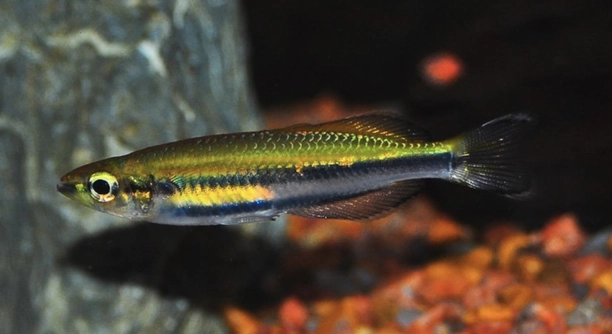
Keeping fish healthy and happy requires more than just feeding them regularly. Small adjustments in their environment and daily care routines can make a noticeable difference in their comfort and overall well-being.
Ensuring fish comfort involves consistent water quality maintenance, proper tank decoration, suitable lighting, balanced nutrition, appropriate tank mates, regular monitoring, and creating hiding spots. These small habits collectively support physical health and reduce stress in aquarium fish.
Adopting these simple practices can gradually transform your fish’s environment into a safer, more enjoyable space for them.
Maintain Consistent Water Quality
Keeping water clean is essential for fish comfort. Regular water changes, testing for ammonia, nitrites, and nitrates, and using a reliable filtration system all help maintain a stable environment. Even small fluctuations in water quality can stress fish, affecting their health and behavior. Temperature stability is also critical. Sudden changes can shock fish and reduce their immunity. It’s helpful to have a thermometer and a heater if needed to maintain a consistent temperature suitable for the species in your tank.
Regular monitoring keeps fish healthier and reduces disease risks.
Consistency in water maintenance ensures fish remain active and display natural behaviors. Fish in stable, clean water tend to eat better and interact more with their environment. Monitoring pH levels and adjusting for species-specific needs prevents long-term stress. Using water conditioners during changes protects fish from chlorine and heavy metals. Aeration is important, especially in tanks with many fish. Proper filtration removes waste and maintains clarity, while gentle water flow prevents exhaustion. Overall, maintaining water quality is a small habit that produces large benefits in fish comfort and longevity.
Provide Hiding Spots
Fish feel more secure when they have places to hide. Rocks, plants, and decorations offer shelter and reduce stress.
Hiding spots are not just decorative; they are essential for natural behavior. Fish use these spaces to rest, escape aggressive tank mates, and establish territories. For shy or nocturnal species, hiding areas are crucial for confidence and feeding routines. Avoid overcrowding the tank with decorations; maintain open swimming areas for activity while providing multiple secure spots. Natural materials like driftwood or dense plant clusters offer the best comfort. Plastic or sharp decorations may injure fish, so choose carefully. Varying the types and sizes of shelters accommodates different species, allowing both bottom dwellers and mid-water fish their own spaces. Maintaining these spots clean and free of debris also ensures water quality is not compromised. By incorporating suitable hiding spaces, fish display calmer, healthier behaviors, making the aquarium more balanced and comfortable for all inhabitants.
Feed a Balanced Diet
Providing varied food keeps fish healthy and satisfied. A mix of flakes, pellets, and occasional live or frozen treats meets nutritional needs.
Balanced nutrition supports growth, immunity, and coloration. Overfeeding can pollute water and harm fish, so portion control is important. Feeding small amounts multiple times a day is more effective than one large feeding. Each species has different dietary requirements; research helps provide the right mix. Fresh or frozen foods supplement dry options, giving protein and essential nutrients. Observing how fish respond to new foods ensures they are eating properly and adjusting well. Proper feeding routines reduce stress and promote natural behavior patterns, enhancing overall comfort.
Consistent feeding habits also help prevent aggression and competition in community tanks. Fish that receive the right nutrition are calmer and more active. Rotating foods keeps meals interesting while maintaining health. Homemade or specialized diets can provide additional vitamins, but balance is key to prevent nutrient imbalances. Watching for leftovers helps avoid water contamination. Overall, proper feeding strengthens fish health and improves tank harmony.
Control Tank Lighting
Fish need a regular day-night cycle to stay healthy. Lighting should mimic natural conditions without being too bright or too dim.
Proper lighting affects fish behavior, plant growth, and stress levels. Constant bright light can cause stress and algae growth, while insufficient light disrupts activity and feeding. Timers are helpful to maintain a consistent schedule. Adjust light intensity according to the species’ needs, providing shaded areas if necessary. Natural daylight cycles can be simulated with gradual on-off lighting to reduce sudden changes.
Lighting also supports aquarium plants, which contribute to water quality and shelter. Healthy plants oxygenate water and create natural hiding spots. Adjusting the duration of light exposure helps control algae while keeping fish active. Certain fish may be more active during dawn or dusk, so lighting schedules can encourage natural behavior. Observing fish responses ensures the setup meets their comfort needs. Well-managed lighting benefits both fish and the overall tank ecosystem, making it a small but essential habit for long-term comfort.
Monitor Tank Temperature
Maintaining a stable temperature is key for fish comfort. Sudden fluctuations can stress fish, affecting their health and activity levels.
Use a reliable heater and thermometer to keep the water within the species-specific range. Avoid placing the tank near windows or vents to prevent rapid changes.
Choose Compatible Tank Mates
Compatibility reduces stress and aggression. Selecting species with similar size, temperament, and environmental needs ensures a peaceful community. Aggressive or territorial fish can harm others, so research is essential. Proper grouping supports social behavior and reduces hiding or flight responses, making the tank more comfortable for all inhabitants.
Maintain Clean Decorations
Decorations collect debris and algae. Regular cleaning prevents water contamination and reduces stress for fish. Avoid harsh chemicals; use gentle scrubbing or soaking methods to keep surfaces safe and hygienic for your aquatic environment.
Observe Fish Behavior
Regular observation helps detect early signs of stress, illness, or discomfort. Noticing changes in eating, swimming, or social patterns allows timely intervention, ensuring fish remain healthy and comfortable in their tank.
FAQ
How often should I change the water in my fish tank?
Water changes should be done regularly to keep fish healthy. For most freshwater tanks, changing 10–20% of the water weekly is sufficient. Larger water changes can be done less frequently but may stress the fish if done all at once. Always use dechlorinated water at the same temperature as the tank. Regular changes remove waste, excess nutrients, and help maintain stable water chemistry, which reduces stress and prevents disease. Observing the tank’s cleanliness and fish behavior can guide adjustments in the schedule to meet your specific tank’s needs.
What types of hiding spots are best for fish?
Natural hiding spots such as plants, rocks, and driftwood work best. These items create secure areas where fish can rest or escape aggressive tank mates. Avoid sharp or rough decorations that may injure fish. Variety in shape and size allows both bottom-dwelling and mid-water fish to feel secure. Cleaning these spaces regularly prevents buildup of debris and algae, ensuring they remain safe and comfortable. Even small or shy species benefit from well-planned hiding areas, which reduces stress and encourages natural behavior.
How do I know if my fish is stressed?
Signs of stress include erratic swimming, hiding more than usual, loss of appetite, faded colors, or clamped fins. Stress can result from poor water quality, incompatible tank mates, sudden changes in temperature, or overcrowding. Observing fish daily helps detect early problems. Addressing the cause quickly, whether adjusting water parameters, providing hiding spots, or separating aggressive fish, improves comfort. Reducing stress also supports the immune system, preventing disease. Maintaining a consistent routine for feeding, cleaning, and lighting further reduces anxiety and creates a stable environment for your fish.
Can overfeeding harm my fish?
Yes, overfeeding can lead to water pollution and digestive problems. Uneaten food decomposes, increasing ammonia and nitrate levels, which stress fish. Feed small portions two to three times daily, adjusting based on species and tank size. Observing fish during feeding ensures all food is consumed, reducing waste. A balanced diet with occasional live or frozen treats supports health without overloading the tank with excess nutrients. Portion control not only maintains water quality but also prevents obesity and promotes normal behavior, making fish more comfortable and active in their environment.
Do fish need specific lighting schedules?
Yes, lighting affects fish behavior and plant health. Most fish benefit from 8–12 hours of light daily, simulating natural day-night cycles. Use a timer to maintain consistency. Bright, constant light can stress fish and promote algae growth, while insufficient light can reduce activity and feeding. Gradual light changes help avoid sudden shocks, especially for sensitive species. Adjust light intensity and placement according to tank layout and species needs. Proper lighting supports natural rhythms, encourages healthy plant growth, and enhances the overall comfort and visual appeal of the aquarium.
How can I prevent aggression in community tanks?
Aggression often occurs due to overcrowding, incompatible species, or lack of hiding spots. Research the temperament and size of each species before adding them. Providing plenty of decorations, plants, and territories reduces conflicts. Feeding regularly and avoiding sudden changes in the tank environment also help maintain harmony. Observing interactions allows early intervention if a fish becomes overly aggressive. Separating problematic individuals or rearranging tank decorations can reset territories and reduce stress. Proper planning and monitoring create a balanced community, ensuring all fish remain safe, healthy, and comfortable in their shared habitat.
Is it necessary to monitor water temperature constantly?
Yes, temperature stability is vital for fish health. Sudden fluctuations can stress fish and reduce immunity. Use a reliable heater and thermometer to maintain the appropriate range for your species. Avoid placing tanks near drafts, vents, or direct sunlight. Consistent temperature supports normal feeding, swimming, and breeding behavior. Observing fish responses to temperature changes ensures comfort and prevents illness. For species with specific temperature requirements, additional equipment like chillers or adjustable heaters may be needed. Regular monitoring is a small habit that greatly improves the long-term well-being of aquarium fish.
How often should I clean tank decorations and substrate?
Decorations and substrate should be cleaned regularly to prevent waste buildup and algae growth. Avoid harsh chemicals; use gentle scrubbing or soaking in dechlorinated water. Cleaning frequency depends on tank size, number of fish, and decoration type. Maintaining clean surfaces supports water quality, reduces stress, and prevents illness. Substrate vacuuming removes debris without disturbing beneficial bacteria. Cleaning should be done carefully to preserve hiding spots and avoid stressing fish. Well-maintained decorations and substrate contribute to a comfortable, healthy environment, allowing fish to display natural behavior while keeping the tank visually appealing and safe.
Can incompatible tank mates affect fish comfort?
Yes, incompatible species can stress others, leading to hiding, aggression, or injury. Researching species’ temperament, size, and environmental needs is essential before mixing. Observing interactions allows early adjustments. Providing ample space and hiding spots reduces conflict. Thoughtful selection of compatible fish ensures a balanced and comfortable environment, promoting health and natural behavior in the tank. Regular monitoring and intervention maintain peace, supporting long-term fish well-being.
How important is daily observation of fish?
Daily observation helps detect early signs of stress, illness, or environmental issues. Watching behavior, feeding, and swimming patterns allows timely intervention. Quick responses prevent problems from worsening and keep fish healthy. Small changes in water, temperature, or tank dynamics can impact comfort, so regular monitoring ensures a stable, safe, and enjoyable environment for all aquarium inhabitants. Consistent attention strengthens your ability to provide optimal care.
Maintaining fish comfort is not about making drastic changes all at once, but about adopting small, consistent habits that support their health and well-being. Simple practices, like monitoring water quality, maintaining a stable temperature, and providing hiding spots, go a long way in keeping fish stress-free and active. Each adjustment may seem minor, but over time, these habits create a stable and safe environment that allows fish to thrive. Regular attention to the tank and the daily care routines ensures that fish feel secure, eat well, and display natural behaviors, which are clear signs of comfort and health. Even small improvements in the tank, such as adding live plants or rotating decorations, contribute to a more enriching environment.
Feeding a balanced diet and controlling portion sizes is another crucial factor. Overfeeding can lead to water contamination and health problems, while underfeeding affects growth and vitality. By providing a variety of foods and observing how fish respond to each type, you can meet their nutritional needs effectively. Pairing proper feeding routines with compatible tank mates and carefully chosen lighting schedules further reduces stress and encourages natural behavior. Fish respond to consistent routines, so maintaining a regular schedule for feeding, water changes, and lighting helps them feel secure. This structure is especially important for community tanks, where multiple species coexist and may have different temperaments or activity levels. Observing interactions among fish allows timely adjustments, whether it’s rearranging decorations, adding more hiding spots, or separating aggressive individuals.
Finally, maintaining decorations and observing fish behavior daily ensures a long-term comfortable environment. Clean substrate and algae-free decorations prevent water quality issues and reduce stress, while careful observation allows early detection of illness or discomfort. Fish may hide, change colors, or reduce activity when stressed, so recognizing these signs promptly helps prevent bigger problems. Consistent care, combined with thoughtful planning for tank layout, species compatibility, and environmental conditions, provides a stable home that supports both physical and mental health. Comfort is built gradually through these attentive habits, creating a space where fish can swim freely, explore, and interact naturally. Small, steady efforts may seem routine, but they result in happier, healthier fish and a more enjoyable and peaceful aquarium for everyone involved.

Hello,
If you enjoy the content that we create, please consider saying a "Thank You!" by leaving a tip.
Every little bit helps us continue crafting quality advice that supports the health, happiness, and well-being of pets around the world, for pets of all shapes, sizes, and species.
We really appreciate the kindness and support that you show us!