
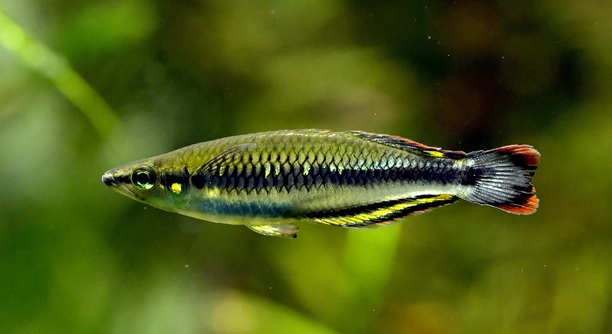
Many aquarium owners notice rainbowfish hovering near the water’s surface for long periods. This behavior can be puzzling, especially when the fish seem healthy and active, prompting questions about their needs and environmental conditions in the tank.
Rainbowfish may hover at the surface primarily due to oxygen levels or water quality issues. Reduced oxygen, high temperatures, or changes in pH can drive them upward, where oxygen concentration is higher, allowing them to maintain proper respiration and comfort.
Observing this surface behavior can reveal key insights about tank conditions and the overall well-being of rainbowfish.
Common Environmental Factors Affecting Rainbowfish
Temperature fluctuations, low oxygen levels, and water quality are the most frequent reasons rainbowfish hover at the surface. Rainbowfish are sensitive to changes in their environment, and even slight variations can influence their behavior. Warmer water holds less oxygen, which can make the top layer more appealing. High ammonia or nitrite levels in the tank can also cause discomfort, prompting the fish to seek safer areas near the surface. Proper filtration, regular water changes, and monitoring temperature can help maintain a stable environment. Additionally, overcrowding or aggressive tankmates can make rainbowfish stressed, causing them to remain near the surface. Providing sufficient hiding spots and maintaining a calm atmosphere in the aquarium supports their natural behavior. Observing fish behavior over time can indicate if conditions need adjustment. Surface hovering is often an early sign that the tank’s environment may require attention and careful management.
Monitoring these factors consistently ensures rainbowfish remain healthy and active.
Keeping the tank clean and balanced reduces stress and supports stable oxygen levels, encouraging normal swimming patterns.
Diet and Feeding Influence on Surface Behavior
Rainbowfish often hover near the surface during feeding times or when food is scarce. They tend to swim upward where they anticipate flakes or pellets, reflecting natural tendencies to feed on insects and debris near water surfaces. Adjusting feeding schedules and providing consistent nutrition helps manage this behavior.
A diet rich in protein and vitamins encourages healthy activity throughout the tank. Overfeeding can lead to water quality issues, while underfeeding may increase surface hovering. Including live or frozen foods like brine shrimp or daphnia adds variety and supports their energy needs. Observing how they respond to feeding patterns allows you to identify if surface behavior is related to hunger or environmental conditions. Gradually spacing feedings and ensuring all fish receive enough food can reduce constant surface activity. Maintaining a balanced diet alongside stable tank conditions is essential for overall health. Monitoring feeding behavior also gives insight into social dynamics, as dominant fish may restrict others from lower levels. Regular attention to diet and water quality together promotes a calm, active aquarium.
Tank Size and Space Considerations
A small or overcrowded tank can cause rainbowfish to hover near the surface. Limited swimming space increases stress, and surface areas often feel safer. Ensuring enough room for free movement reduces this behavior.
Crowding limits natural swimming patterns, which can lead to constant surface hovering. Rainbowfish need ample horizontal space and vertical depth to explore. Tanks under 30 gallons for a small group often result in stress, while larger tanks provide freedom and stability. Providing decorations, plants, and hiding spots throughout the tank encourages movement at all levels, preventing them from lingering at the surface. Even subtle adjustments, like spreading out plants or repositioning decorations, can improve flow and comfort. Monitoring their activity after these changes usually shows more balanced swimming patterns. Proper tank size directly supports both mental and physical health in rainbowfish.
Surface hovering may also indicate competition for space or territory disputes. Creating zones in the tank with visual barriers can reduce conflicts.
Lighting and Photoperiod Effects
Bright or inconsistent lighting can stress rainbowfish, prompting them to hover at the top where shadows or diffused light occur. Maintaining a stable lighting schedule is important for behavior regulation.
Excessive light intensity can trigger anxiety or overstimulation, while too little light may disrupt feeding and natural activity. Rainbowfish are most comfortable with moderate lighting and a consistent photoperiod, typically around 10-12 hours of light per day. Gradually adjusting light intensity helps the fish acclimate and reduces stress. Using floating plants or shaded areas provides relief from harsh illumination. Observing how the fish respond during different lighting periods indicates their comfort levels. Balancing light exposure prevents erratic swimming patterns and surface hovering, ensuring more normal behavior. Proper lighting combined with environmental stability creates a healthy, predictable habitat, encouraging the fish to utilize all areas of the tank rather than lingering near the surface.
Oxygen Levels and Water Circulation
Low oxygen levels often cause rainbowfish to stay near the surface. Surface water has higher oxygen concentration, which is easier for them to access.
Poor circulation can worsen oxygen depletion. Using an air stone or adjusting filter flow helps distribute oxygen evenly, encouraging swimming throughout the tank.
Stress and Social Dynamics
Rainbowfish may hover at the surface when stressed by aggressive tankmates or sudden changes in the environment. Stress can result from overcrowding, rapid water changes, or the presence of more dominant fish. Providing hiding spots, maintaining stable water conditions, and ensuring a calm atmosphere reduces tension. Observing interactions helps identify stressed individuals and allows for adjustments, such as separating aggressive fish or rearranging tank decorations. Gradually acclimating new fish prevents sudden disturbances, and monitoring daily behavior ensures a balanced social environment. Proper management of stress factors encourages rainbowfish to explore the entire tank rather than lingering at the surface.
Breathing Adaptations
Some rainbowfish naturally spend time near the surface to optimize oxygen intake, especially in warm water.
Seasonal Behavior Changes
Rainbowfish behavior can vary with seasonal water temperature and light patterns. Cooler months may reduce activity, while warmer periods encourage more surface swimming. Adjusting feeding, light exposure, and temperature gradually helps maintain balance and comfort throughout seasonal shifts.
FAQ
Why do my rainbowfish stay at the surface all the time?
Rainbowfish often stay near the surface when oxygen levels in the tank are low. Warmer water holds less oxygen, and surface areas are easier for them to breathe. Stress, overcrowding, or poor water quality can also make them linger at the top. Observing water parameters and adjusting temperature, aeration, and tank population usually reduces this behavior.
Can hovering at the surface be a sign of illness?
Yes, hovering can sometimes indicate illness. Parasites, bacterial infections, or swim bladder issues may cause rainbowfish to spend more time near the surface. Watch for additional symptoms like clamped fins, lethargy, or loss of appetite. Maintaining clean water, a balanced diet, and monitoring behavior closely helps prevent illness from developing.
Does feeding affect surface hovering?
Rainbowfish naturally feed at the top in the wild, so surface hovering during feeding is normal. However, if they remain there constantly, it may indicate insufficient nutrition or competition for food. Offering regular meals with protein-rich flakes or live foods ensures they receive enough energy and reduces unnecessary surface activity.
Can tank size influence surface behavior?
Absolutely. Small or overcrowded tanks limit swimming space and can stress rainbowfish. Surface areas often feel safer in crowded conditions. Providing a tank with sufficient horizontal and vertical space, along with hiding spots, encourages exploration at all levels and decreases constant surface hovering.
How does lighting impact rainbowfish behavior?
Bright or inconsistent lighting can stress rainbowfish, causing them to hover near shaded areas or the surface. Maintaining a stable light schedule and using floating plants or shaded regions helps them feel secure. Gradually adjusting light intensity also prevents sudden stress and promotes even swimming patterns throughout the tank.
Do seasonal changes affect surface activity?
Yes, temperature and light changes throughout the year influence behavior. Cooler water may reduce activity, while warmer water increases metabolism and oxygen demand, encouraging surface swimming. Gradual adjustments to temperature and lighting can help maintain stable activity and reduce prolonged surface hovering.
What role does water circulation play in surface hovering?
Poor circulation can create low-oxygen zones, making rainbowfish seek the surface where oxygen is higher. Using an air stone or adjusting filter flow improves oxygen distribution and encourages fish to explore all tank levels. Consistent monitoring of flow and aeration prevents long-term surface dwelling.
Can social interactions cause hovering?
Yes, dominant or aggressive tankmates can push rainbowfish toward the surface. Providing visual barriers, rearranging decorations, or separating aggressive individuals reduces stress and promotes normal swimming behavior. Observing interactions helps identify if hovering is related to social tension.
How can I encourage rainbowfish to swim throughout the tank?
Ensure adequate oxygenation, maintain stable water conditions, provide sufficient tank space, and manage social dynamics. Introduce floating plants or decorations at different heights to encourage movement. Balanced feeding and consistent lighting also support active swimming. Small environmental changes can have noticeable effects on surface hovering behavior.
When should I consult a professional about surface behavior?
If rainbowfish continue to hover despite proper oxygen levels, stable water quality, adequate tank size, and balanced diet, or if additional symptoms like rapid gill movement, lethargy, or discoloration appear, consult a vet or experienced aquarist for guidance. Early intervention helps prevent serious health issues.
Final Thoughts
Rainbowfish hovering at the surface is a behavior that can often be traced back to their environment or basic needs. Observing this habit closely gives insight into how the tank is functioning and how the fish are feeling. Low oxygen levels, temperature fluctuations, and water quality issues are the most common environmental factors influencing this behavior. Even small changes in temperature or pH can make rainbowfish feel uncomfortable, prompting them to spend more time near the surface. Providing a properly sized tank, clean water, and consistent maintenance routines usually helps the fish feel more secure and encourages them to explore the middle and lower levels of the aquarium. While hovering can seem concerning at first, it is often a natural response to conditions that are easily adjusted.
Diet and feeding patterns also play a significant role in surface behavior. Rainbowfish naturally search for food near the water’s surface, but if they linger there constantly, it may indicate a need for more frequent feeding or a more balanced diet. Including live or frozen foods alongside flakes or pellets can improve nutrition and keep them more active throughout the tank. Overfeeding, however, can create water quality issues that exacerbate surface hovering, so careful portion control is important. Watching how rainbowfish respond to feeding times and adjusting their diet accordingly can reduce the amount of time they spend near the top. Combined with proper tank size, good water circulation, and stable lighting, a balanced diet supports overall health and reduces stress-related surface activity.
Finally, stress and social interactions are key considerations for rainbowfish behavior. Aggressive or dominant tankmates can push some fish to the surface where they feel safer, while overcrowding and sudden changes in the environment may trigger anxiety. Providing hiding spots, rearranging decorations, and monitoring social dynamics can help minimize stress. Seasonal changes, such as temperature and light shifts, also affect activity levels and oxygen demand, influencing surface swimming. Paying attention to these factors, along with regular observation and proper tank management, allows for early identification of potential problems and ensures a comfortable environment. When all aspects are balanced—oxygen levels, feeding, tank space, lighting, and social dynamics—rainbowfish are more likely to exhibit natural swimming patterns throughout the aquarium, reducing constant surface hovering and supporting their long-term health and well-being.

Hello,
If you enjoy the content that we create, please consider saying a "Thank You!" by leaving a tip.
Every little bit helps us continue crafting quality advice that supports the health, happiness, and well-being of pets around the world, for pets of all shapes, sizes, and species.
We really appreciate the kindness and support that you show us!