
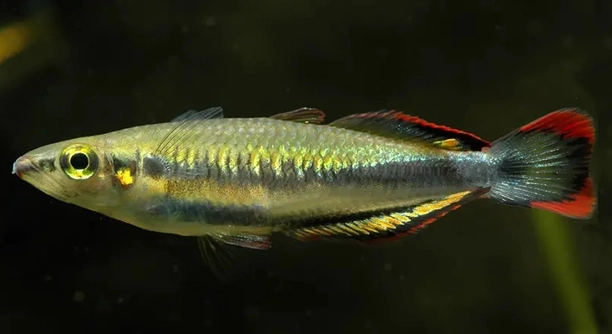
Rainbowfish are popular aquarium fish admired for their bright colors and active behavior. Many owners enjoy watching them swim, but keeping them healthy requires attention to their environment, especially lighting conditions. Proper lighting can impact their overall wellbeing.
Optimizing light in a rainbowfish tank is crucial for promoting natural behaviors, enhancing coloration, and maintaining a healthy environment. Specific lighting techniques can reduce stress, simulate natural day-night cycles, and encourage optimal growth and activity in these fish.
Understanding how light affects rainbowfish can improve tank conditions and help them thrive. The following tips will guide you in creating the best lighting setup for your fish.
Choose the Right Light Spectrum
Rainbowfish respond well to full-spectrum lighting that mimics natural daylight. Using lights in the 6,500–7,500K range enhances their colors and supports healthy plant growth in the tank. Avoid overly dim or yellow-toned lights, as these can make fish appear dull and reduce their activity. Positioning the light correctly is also important; it should cover the tank evenly to prevent dark spots where fish may hide excessively. Using a timer ensures a consistent day-night cycle, which helps regulate feeding and reduces stress. LED lights are often preferred for their energy efficiency and long lifespan. Some owners combine white and blue LEDs to simulate sunlight and water reflection, creating a more natural environment. Regularly check the intensity to make sure it’s not too strong, which could trigger aggression or stress, especially in smaller tanks. Proper lighting creates a vibrant, balanced environment that encourages rainbowfish to swim actively and display their natural behaviors.
Full-spectrum light improves fish coloration and supports plant health while maintaining a balanced and active aquarium environment for rainbowfish.
Consistent lighting affects rainbowfish in several ways. It influences their sleep patterns, feeding habits, and social interactions. When lights mimic a natural day cycle, fish become more active during the day and rest at night, reducing stress. Plants grow more efficiently under proper light, which improves water quality and oxygen levels. Bright, balanced light enhances their colors, making them more visually appealing. It also encourages healthy schooling behavior, as fish feel more secure in a well-lit tank. Improper lighting can make fish hide or become lethargic, and it may also contribute to algae growth if not monitored. Adjusting light placement, intensity, and duration creates a stable environment. Over time, rainbowfish show stronger colors, increased activity, and better overall health, making full-spectrum lighting an essential part of tank management.
Simulate Natural Day-Night Cycles
Using a timer to replicate sunrise and sunset helps rainbowfish feel secure and calm.
Gradually increasing and decreasing light intensity simulates natural conditions. This reduces stress and encourages natural swimming and feeding patterns, helping the fish feel comfortable in their tank environment. Proper day-night cycles also support plant health, contributing to a balanced aquarium ecosystem.
Maintaining a consistent schedule benefits rainbowfish physically and behaviorally. Sudden changes in lighting can startle fish and lead to erratic swimming or hiding. By gradually brightening in the morning and dimming at night, you create a predictable environment that aligns with their instincts. Fish recognize this pattern and adjust their metabolism, feeding, and activity accordingly. In addition, plants thrive under a steady cycle, producing oxygen and absorbing nutrients efficiently. Balancing light duration—typically 8–10 hours for most setups—prevents algae overgrowth while still providing enough illumination for fish to display their colors. A stable day-night rhythm reduces aggression among fish and promotes schooling behavior. Over weeks, rainbowfish become more vibrant and active, showing clear signs of improved health and wellbeing, making controlled light cycles a key part of aquarium care.
Avoid Overly Bright Lighting
Excessive light can stress rainbowfish, causing them to hide or become lethargic. Bright lights may trigger aggression among tank mates and encourage rapid algae growth, making maintenance more difficult. Controlling intensity is key for a calm, healthy aquarium environment.
Overly bright lighting can disrupt rainbowfish behavior and overall tank balance. Fish may dart nervously, hide in decorations, or show faded coloration. Prolonged exposure can also negatively affect plant growth, as algae outcompetes healthy plants for nutrients. Using dimmable LEDs or adjusting the height of the light fixture can reduce intensity without sacrificing visibility. Additionally, providing shaded areas or floating plants allows fish to regulate their exposure naturally. Keeping light intensity moderate ensures rainbowfish feel secure, active, and display their natural colors, while also maintaining an organized, low-stress aquarium. Consistent monitoring helps prevent sudden brightness changes that could disturb the tank ecosystem.
Finding the right balance between brightness and shadow is crucial. Too much light harms fish and plants, while too little prevents color development. Position lights to cover the tank evenly but allow shaded spots. Adjusting duration and using diffusers can soften intensity. Observing fish behavior over time shows whether they feel comfortable, swim confidently, and interact normally with other tank mates. A balanced light level encourages vibrant coloration, healthy activity, and stable plant growth, creating a visually appealing and low-stress environment for rainbowfish to thrive.
Use Timers for Consistency
Timers ensure a regular day-night cycle, helping rainbowfish maintain natural rhythms. Consistency reduces stress, supports feeding schedules, and encourages regular swimming patterns.
A timer helps replicate a stable environment for rainbowfish. Fish thrive when light patterns are predictable, as sudden changes can cause stress or irregular behavior. Automated lighting maintains consistent duration, preventing human error in switching lights on or off. Regular schedules support metabolism and activity levels, improving overall health. Properly timed lighting also benefits plants, allowing them to photosynthesize efficiently and maintain water quality. Timers make daily maintenance easier while fostering a stable ecosystem.
Setting timers for gradual transitions mimics natural sunrise and sunset. Lights can slowly brighten in the morning and dim in the evening, helping fish adjust naturally. Gradual changes reduce startling contrasts and support calm, active behavior. Consistent cycles influence feeding patterns, schooling behavior, and coloration. Fish adapt to these rhythms, swimming confidently and showing vibrant hues. Plants benefit from regular light exposure, enhancing oxygen production and nutrient absorption. Using timers also prevents accidental overexposure that may lead to algae growth. Over time, rainbowfish display improved wellbeing, stronger colors, and more predictable behavior. Maintaining this consistency is a simple yet effective step in promoting a balanced, thriving aquarium environment.
Provide Shaded Areas
Shaded spots in the tank allow rainbowfish to retreat when lighting feels too intense. Floating plants or decorations create natural cover, reducing stress and encouraging exploration.
Shaded areas also help regulate temperature and light exposure. Fish can move freely between bright and dim zones, promoting comfort and natural behavior.
Adjust Light Height
Positioning lights at an appropriate height ensures even coverage without overwhelming the fish. Proper distance prevents hotspots and shadows that may disturb natural swimming patterns.
Avoid Direct Sunlight
Direct sunlight can overheat the tank and trigger algae blooms. Controlling exposure helps maintain water stability and supports a calm environment.
FAQ
How long should rainbowfish lights be on each day?
Rainbowfish typically do best with 8 to 10 hours of light daily. This duration simulates a natural day-night cycle, supporting activity, feeding, and coloration. Using a timer ensures the light schedule stays consistent, preventing sudden changes that can stress the fish.
Can I use regular household bulbs for my aquarium?
Regular bulbs are not ideal because they often lack the full spectrum needed for fish and plants. Full-spectrum LED or fluorescent aquarium lights are better, as they enhance rainbowfish colors and promote healthy plant growth. Avoid bulbs that produce excessive heat.
Is blue or white light better for rainbowfish?
A mix of white and blue light works best. White light mimics daylight and highlights colors, while blue light simulates natural water reflections, reducing stress and creating a calming environment for the fish.
Will too much light harm my rainbowfish?
Yes, excessive light can cause stress, hiding behavior, and aggression. It may also trigger algae overgrowth, affecting water quality. Providing shaded areas and adjustable light intensity prevents these issues while keeping fish active and healthy.
How do I know if my rainbowfish are stressed by lighting?
Signs of stress include hiding frequently, fading colors, rapid breathing, and erratic swimming. Fish may avoid bright areas or remain near shaded spots. Adjusting light intensity and providing cover can help them feel secure and restore normal behavior.
Do rainbowfish need darkness at night?
Yes, darkness is crucial for rest and metabolic regulation. Keeping the lights off at night allows fish to sleep, reduces stress, and maintains healthy behavior. Using a timer ensures a predictable night period without disrupting the day-night rhythm.
Can lighting affect rainbowfish breeding?
Proper lighting can encourage natural behaviors, including breeding. A stable day-night cycle and full-spectrum lighting create a comfortable environment that supports reproductive activity. Sudden or inconsistent lighting may disrupt these behaviors.
Should I adjust lighting for different seasons?
Seasonal changes are not strictly necessary in indoor tanks, but maintaining a consistent light schedule is important. Mimicking a steady day-night cycle year-round helps rainbowfish stay healthy and prevents stress associated with sudden light variations.
How far above the tank should the light be?
Light should be positioned to cover the tank evenly without causing hotspots. Typically, a few inches above the water surface is sufficient. Adjustable fixtures or diffusers can help spread light and prevent intensity that may stress the fish.
Is colored lighting safe for rainbowfish?
Colored lighting can be used for aesthetic purposes but should not replace full-spectrum lighting. Excessive colored light may affect coloration and behavior. Using it alongside white or blue light is safe and can enhance the tank’s visual appeal.
Can plants help with lighting balance?
Yes, live plants diffuse light, create shaded areas, and improve water quality. Floating or tall plants allow fish to control their exposure naturally while benefiting from stable water conditions and oxygen levels.
How often should I check lighting conditions?
Regularly inspecting lights for intensity, spectrum, and duration is important. Bulbs can degrade over time, affecting performance. Adjustments ensure rainbowfish remain healthy, active, and vibrant while keeping plants thriving.
Do timers really make a difference?
Timers simplify lighting management and provide a stable, predictable environment. Consistent light schedules reduce stress, support natural behavior, and improve overall tank health for both fish and plants.
Proper lighting is one of the most important factors in keeping rainbowfish healthy and vibrant. The right light enhances their natural colors, encourages normal swimming behavior, and supports plant growth in the aquarium. Full-spectrum lighting that mimics natural daylight is ideal because it provides the balance fish and plants need to thrive. Placing the light at the correct height and using timers to maintain a consistent schedule helps create a stable environment. When the lighting is balanced, rainbowfish feel secure, are more active, and display brighter, more natural colors. Even small adjustments in light intensity or placement can make a noticeable difference in their wellbeing, showing how sensitive they are to their surroundings.
Shaded areas and floating plants also play a significant role in creating a comfortable habitat. Rainbowfish need places to retreat if the light feels too strong. Without shaded spots, they may hide excessively, become stressed, or even show signs of aggression. Floating plants, tall plants, or decorations that provide partial cover allow fish to move freely between light and shadow. This natural regulation helps reduce stress and encourages normal behavior, such as schooling and foraging. At the same time, plants benefit from the light and contribute to water quality by producing oxygen and absorbing excess nutrients. By combining proper lighting with shaded areas, the tank becomes more balanced, supporting both fish and plants in a healthy ecosystem.
Maintaining the right lighting setup requires attention and consistency but is not difficult once established. Using timers ensures a regular day-night cycle, which is essential for fish to rest and follow natural rhythms. Observing fish behavior can guide adjustments in intensity, duration, or placement to ensure they feel secure. Avoiding overly bright lights and direct sunlight prevents stress, overheating, and algae problems. Over time, consistent, balanced lighting promotes vibrant colors, active swimming, and healthier, happier rainbowfish. Paying attention to these details makes a noticeable difference in the aquarium’s overall environment, creating a space where rainbowfish can truly thrive and show their full potential.

Hello,
If you enjoy the content that we create, please consider saying a "Thank You!" by leaving a tip.
Every little bit helps us continue crafting quality advice that supports the health, happiness, and well-being of pets around the world, for pets of all shapes, sizes, and species.
We really appreciate the kindness and support that you show us!