
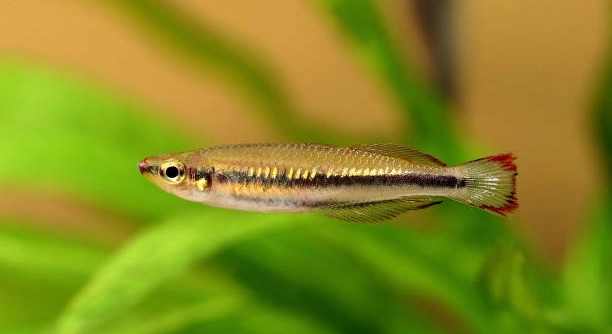
Rainbowfish are colorful and lively, often swimming around confidently in aquariums. However, sometimes they suddenly become withdrawn, hiding in corners or behind plants without any obvious reason, leaving owners worried about their sudden change in behavior.
Rainbowfish may become shy overnight due to sudden changes in water conditions, overcrowding, or stress from new tank mates. These factors disrupt their sense of safety and comfort, prompting them to seek shelter and reduce visible activity until they adjust.
Understanding these triggers can help you create a stable and comfortable environment, ensuring your rainbowfish feel secure and gradually regain their usual active and social behavior.
Sudden Changes in Water Conditions
Rainbowfish are very sensitive to water quality. Even small fluctuations in temperature, pH, or hardness can make them anxious. I noticed that when I changed the water too quickly, my fish immediately hid behind plants and barely moved for hours. Consistent water parameters help rainbowfish feel safe. Introducing fresh water gradually and testing the aquarium regularly prevents sudden stress. Chlorine and heavy metals are also harmful, so using a conditioner is essential. Filtration is important, but strong currents can intimidate them. Observing your fish daily helps spot early signs of discomfort, like clamped fins or pale colors. Over time, maintaining stable conditions encourages them to swim confidently again. It’s surprising how even minor changes affect their behavior so quickly. Rainbowfish thrive in predictable environments, and keeping things steady allows them to express their natural colors and social behavior without fear.
Even a slight temperature shift can trigger hiding behavior, making them appear shy overnight.
Monitoring water closely and adjusting gradually ensures rainbowfish regain comfort. Proper care reduces stress and supports overall health, helping them stay active.
Tank Overcrowding and Stress
Too many fish in one tank causes rainbowfish to become timid.
Overcrowding creates competition for space, hiding spots, and food, which leads to stress. When I added extra fish to my tank without adjusting decorations, my rainbowfish immediately became withdrawn. They need space to swim freely and establish their own territories. Stress from close proximity can also weaken their immune systems, making them more prone to illness. Using plants, rocks, and other decorations provides hiding spots and visual boundaries, which reduce tension. Feeding smaller amounts more frequently helps reduce competition and ensures each fish gets enough nutrition. It’s also important to match tank mates by temperament, as aggressive species can intimidate rainbowfish, increasing their shyness. Regular observation helps identify stressed individuals quickly so adjustments can be made. With careful planning and proper stocking levels, rainbowfish feel secure, regain confidence, and display their natural vibrant colors. Proper space and compatible companions make a noticeable difference in their behavior over time.
Sudden Introduction of New Tank Mates
Adding new fish can make rainbowfish shy immediately.
Rainbowfish are social but cautious. When new tank mates arrive, they often hide to avoid unexpected interactions. I observed that after introducing a few tetras, my rainbowfish stayed near the bottom for several hours. Sudden movements or aggressive behavior from newcomers can cause prolonged stress. It helps to quarantine new fish and introduce them slowly. Rearranging decorations before adding new fish prevents territorial disputes. Providing ample hiding spaces allows rainbowfish to adjust at their own pace. Over time, they regain confidence and return to normal swimming patterns. Observing their reactions closely ensures a smooth integration without unnecessary stress.
Stress levels rise when newcomers dominate feeding or territory, causing rainbowfish to retreat frequently.
Gradual introductions and careful observation reduce conflicts. It allows rainbowfish to regain social balance, feel secure, and resume normal behavior in the tank environment.
Inconsistent Feeding Routines
Skipping meals or overfeeding can make rainbowfish behave differently.
Rainbowfish respond strongly to feeding schedules. Irregular feeding makes them anxious, causing them to hide or swim erratically. I noticed that when I changed their feeding times suddenly, they seemed unsettled for days. Overfeeding also leads to water quality issues, which increases stress. Providing consistent portions at regular times helps maintain their confidence. Using sinking and floating foods ensures all fish have access without competition. Observing their eating habits lets me adjust quantities to prevent leftover food from decaying. Small, consistent meals encourage natural foraging behavior and keep rainbowfish active. This approach improves their overall health and reduces sudden shyness caused by uncertainty in their daily routine.
Feeding routine consistency directly impacts their confidence, behavior, and health. Regular schedules minimize stress and create a more predictable environment for rainbowfish.
Lack of Hiding Spots
Rainbowfish need places to feel secure. Without enough plants or decorations, they may hide in corners or behind objects, appearing shy.
Adding plants, rocks, or small caves immediately improves their confidence. I noticed my fish became more active after I added a few simple decorations to their tank.
Water Temperature Fluctuations
Temperature changes can stress rainbowfish quickly. Sudden shifts make them retreat and reduce activity. Maintaining a stable temperature is essential. I learned that even a few degrees difference caused my rainbowfish to stay hidden for hours. Using a reliable heater and thermometer helps prevent these issues.
Light Intensity
Bright or fluctuating light can make rainbowfish uneasy.
Rainbowfish prefer moderate lighting that mimics their natural habitat. Too much brightness makes them seek shelter, while consistent, gentle lighting encourages normal swimming patterns and confidence.
FAQ
Why did my rainbowfish suddenly become shy overnight?
Rainbowfish can become shy due to sudden changes in water conditions, overcrowding, or stress from new tank mates. I once noticed my fish hiding after a quick water change. They need stability, so keeping temperature, pH, and hardness consistent is essential. Gradual adjustments help them regain confidence.
Can stress make rainbowfish hide for days?
Yes, stress from overcrowding, aggressive tank mates, or environmental changes can make them hide for extended periods. I observed my rainbowfish retreat when I introduced new fish without rearranging decorations. Providing hiding spots and monitoring interactions reduces prolonged stress.
How do I know if my rainbowfish is stressed or sick?
Stress and illness can look similar. Pale colors, clamped fins, rapid breathing, or erratic swimming may indicate stress or disease. I check water parameters, feeding habits, and observe behavior to distinguish the cause. Sick fish may need treatment, while stressed fish recover with stable conditions.
Can feeding routines affect their confidence?
Absolutely. Irregular feeding can make rainbowfish anxious. I once changed feeding times abruptly, and my fish hid for hours. Small, consistent meals at the same times daily encourage natural foraging and maintain predictable behavior. Avoid overfeeding to prevent water quality issues.
Do rainbowfish need hiding spots even in a calm tank?
Yes, even in peaceful environments, hiding spots are important. Plants, rocks, and caves give them a sense of security. When I added a few extra plants, my rainbowfish became more active and less skittish. These spots reduce tension and allow natural behavior.
How long does it take for rainbowfish to stop being shy?
It depends on the cause of stress. Minor water changes may result in a few hours of hiding, while new tank mates can take days or even weeks to adjust. I found that gradual introductions and proper space help them regain confidence faster.
Will aggressive fish make my rainbowfish permanently shy?
Aggressive tank mates can have long-term effects if not addressed. I noticed my rainbowfish became timid when housed with overly dominant species. Separating them or providing more hiding spaces allows rainbowfish to regain normal behavior. Choosing compatible species prevents prolonged fear.
Does lighting affect their shyness?
Yes. Bright or fluctuating light can intimidate rainbowfish. I found that using moderate, consistent lighting encouraged swimming and exploration. Too much brightness causes them to hide, while gradual light changes support natural activity and comfort.
Can water temperature swings really cause hiding behavior?
Definitely. Rainbowfish are sensitive to temperature changes. Even a few degrees’ difference can trigger hiding. Using a reliable heater and monitoring with a thermometer maintains a stable environment, reducing stress and promoting active behavior.
Is it normal for rainbowfish to hide at night?
Yes, hiding at night is natural. Rainbowfish seek shelter when lights are off or dim. I observed that my fish rest among plants and decorations, which is normal behavior and not a sign of stress or illness.
How do I help a shy rainbowfish feel safe again?
Provide consistent water conditions, proper feeding schedules, and adequate hiding spots. Gradual introductions of new tank mates, moderate lighting, and observing behavior closely helps them regain confidence. I noticed small changes in their environment made a big difference in how quickly they returned to normal activity.
Can sudden changes in decorations cause hiding?
Yes, rearranging the tank abruptly can make rainbowfish uncomfortable. I once moved rocks and plants, and my fish immediately hid. Gradual changes or rearranging before introducing new fish prevents territorial stress and encourages exploration.
Does overcrowding increase shyness?
Yes, too many fish create competition and stress. I found that reducing the number of tank mates or providing more space and hiding spots made a noticeable improvement in my rainbowfish’s confidence. Proper stocking levels are key to maintaining calm behavior.
Will rainbowfish stop being shy on their own?
Sometimes, yes, if stressors are minor. However, addressing the causes like water changes, overcrowding, or feeding routines speeds recovery. I found that proactive care led to faster and more consistent improvement in behavior.
Are certain rainbowfish species more prone to shyness?
Some species are naturally more cautious than others. I noticed that smaller or more colorful varieties tend to hide quickly when stressed. Understanding their temperament helps in providing an environment where they feel secure and thrive.
How often should I monitor their behavior?
Daily observation is best. I check swimming patterns, color, and interactions each day to catch early signs of stress or illness. Consistent monitoring allows timely adjustments and prevents prolonged hiding or other behavioral problems.
Rainbowfish are beautiful and lively additions to any aquarium, but they are sensitive creatures. Their sudden shyness can feel worrying, especially when they hide overnight or stop swimming actively. Many factors can trigger this behavior, including changes in water conditions, the introduction of new tank mates, overcrowding, irregular feeding routines, or even fluctuations in light and temperature. I’ve learned that paying close attention to their environment is key. Small, gradual adjustments often make a big difference, helping rainbowfish regain confidence and return to their normal, vibrant behavior.
Creating a stable environment is one of the most important steps in keeping rainbowfish comfortable. Maintaining consistent water parameters, including temperature, pH, and hardness, prevents unnecessary stress. Using a reliable heater and thermometer helps avoid sudden temperature shifts, which can make rainbowfish hide or swim erratically. Providing hiding spots like plants, rocks, or small caves also encourages them to explore while feeling secure. Feeding routines play a role too; small, consistent meals at regular intervals keep them comfortable and prevent anxiety from competition or hunger. I’ve noticed that when these basic care aspects are handled consistently, rainbowfish spend less time hiding and more time showing their natural colors and social behavior.
Observing your rainbowfish daily allows you to spot early signs of stress or discomfort. Signs like clamped fins, pale coloring, erratic swimming, or retreating behind decorations usually indicate that something needs attention. I’ve found that adjusting one factor at a time, like water quality, feeding habits, or tank layout, is the most effective approach. Over time, rainbowfish adapt and regain confidence, but they respond best to calm, predictable environments. Understanding their needs and reacting patiently to their behavior creates a harmonious tank. By prioritizing stability, space, and proper care, rainbowfish can thrive, displaying their natural beauty and active personalities consistently.

Hello,
If you enjoy the content that we create, please consider saying a "Thank You!" by leaving a tip.
Every little bit helps us continue crafting quality advice that supports the health, happiness, and well-being of pets around the world, for pets of all shapes, sizes, and species.
We really appreciate the kindness and support that you show us!