
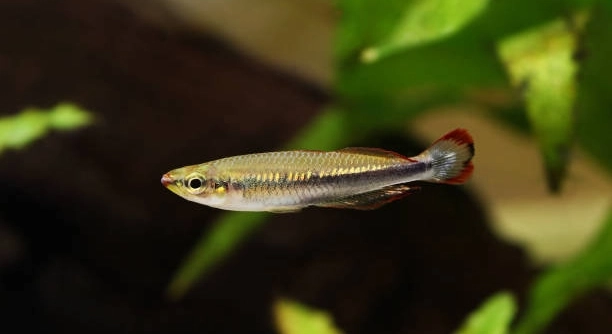
Rainbowfish are small, colorful fish that brighten up any aquarium. Many owners enjoy watching them swim but may not realize how to make their environment more comfortable and stimulating for these lively creatures.
Improving rainbowfish quality of life involves providing proper tank conditions, balanced nutrition, regular maintenance, and environmental enrichment. Maintaining optimal water parameters, appropriate tank mates, and sufficient space contributes to both physical health and natural behavior expression.
Ensuring their tank supports natural activity is essential, and small adjustments can greatly enhance their overall well-being and happiness.
Provide a Spacious Tank
Rainbowfish thrive in tanks that allow them to swim freely. Small, cramped spaces can lead to stress, stunted growth, and unusual behavior. Ideally, a tank should be at least 20 gallons for a small group of rainbowfish, with extra space if you have more. Open swimming areas paired with plants or decorations create both security and exploration opportunities. Hiding spots reduce stress and give the fish a place to rest when needed. A spacious tank also helps maintain water quality by reducing waste concentration. Proper filtration is essential to keep the water clean and oxygenated. Regular water changes of 25 to 30 percent weekly are recommended. Observing how your rainbowfish interact with the environment can guide adjustments, whether that means rearranging plants or adding new swimming zones. Over time, you’ll notice increased activity, brighter colors, and healthier behavior. A well-planned tank creates a positive environment that supports both physical and mental well-being.
Proper tank size prevents stress and promotes natural swimming patterns, keeping rainbowfish healthier and more active.
When setting up a tank, consider both horizontal and vertical space. Avoid overcrowding, which can lead to aggression or hiding. Include open areas for swimming along with structured zones of plants, rocks, or driftwood. These additions not only provide shelter but also stimulate natural behaviors like schooling, chasing, and exploring. Plants help filter the water naturally and offer hiding spots for shy or smaller fish. Floating plants can create shaded regions, which rainbowfish appreciate. Ensure that the filtration system doesn’t create a strong current that overwhelms them, but still provides sufficient oxygen circulation. Observe your fish after changes, noting any shifts in activity or social interaction. Adjusting the environment gradually helps them acclimate without causing stress. Lighting should mimic natural day and night cycles, supporting their biological rhythms and coloration. Creating a balanced, spacious habitat improves their health, encourages vibrant colors, and strengthens their natural instincts over time.
Maintain a Balanced Diet
Feeding rainbowfish a varied diet is essential for their health and coloration. High-quality flakes, pellets, and occasional live or frozen foods offer nutrients needed for growth and energy.
A balanced diet prevents nutritional deficiencies and enhances immune function, contributing to longevity.
Rainbowfish benefit from foods rich in protein, vitamins, and minerals. Offering a mix of high-quality commercial flakes and pellets ensures they receive consistent nutrition. Supplementing with live foods like brine shrimp or daphnia encourages natural hunting behavior and adds variety. Frozen alternatives can be used when live foods are unavailable, maintaining a diverse menu. Feed small portions multiple times a day rather than a large single meal to prevent overfeeding, which can deteriorate water quality. Observe your fish during feeding to ensure all individuals are eating properly and adjust portions as needed. Over time, a consistent, nutrient-rich diet results in brighter colors, more active swimming, and stronger resistance to illness. Remember that feeding habits impact both the fish’s health and the cleanliness of their tank, making diet an integral part of overall care.
Keep Water Clean
Maintaining clean water is critical for rainbowfish health. Regular water changes, proper filtration, and monitoring water parameters prevent disease and stress. Clear, stable water supports vibrant colors and active behavior, ensuring your fish thrive in a safe environment.
Testing water regularly helps maintain ideal conditions. Rainbowfish prefer a pH between 6.5 and 7.5 and a temperature around 75 to 82°F. Ammonia, nitrite, and nitrate levels must be kept low, as high concentrations can cause illness or death. Using a reliable filter and performing weekly water changes of 25 percent prevents toxins from building up. Avoid sudden changes in temperature or chemistry, as rainbowfish are sensitive to abrupt shifts. Regular tank cleaning, including removing uneaten food and debris, also helps maintain water quality. Observing fish behavior provides insight into water conditions; lethargy or unusual swimming patterns can indicate issues. Maintaining clean, stable water ensures rainbowfish remain healthy, colorful, and active over time.
Consistency is key when caring for rainbowfish. Sudden changes in water quality can stress the fish and weaken their immune system. Stick to a cleaning schedule and monitor parameters weekly. Use gentle water treatment solutions to remove chlorine and chloramines. Over-filtering can create strong currents that tire the fish, so balance flow with oxygenation. Small steps in maintenance prevent large health problems and create a stable environment. Monitoring water clarity and behavior ensures problems are caught early. A consistent routine keeps rainbowfish thriving and reduces risks of disease or stress in the long term.
Provide Social Interaction
Rainbowfish are schooling fish and need companions of their own kind. Keeping them in groups of at least six encourages natural behavior and reduces stress.
A proper social environment prevents aggression and promotes active swimming.
Rainbowfish naturally swim in schools, which offers safety and social stimulation. Keeping only one or two can lead to loneliness and stress, which may affect health and coloration. A group of six or more allows for proper schooling behavior, reducing hiding or aggressive tendencies. When selecting tank mates, choose peaceful species that thrive in similar water conditions to avoid conflict. Observing interactions within the school helps identify bullying or weak individuals, allowing adjustments to the group if necessary. Structured hiding spots can provide refuge for shy fish while still supporting social behavior. Social interaction encourages activity, strengthens natural instincts, and improves overall well-being. Proper schooling ensures rainbowfish remain energetic, vibrant, and mentally stimulated, contributing to a healthier, happier aquarium environment.
Offer Hiding Spots
Rainbowfish need places to hide to feel secure. Plants, rocks, and decorations give them shelter and reduce stress in the tank. Proper hiding spots also allow shy or weaker fish to rest safely without being disturbed.
Hiding areas mimic natural habitats and encourage natural behavior. They help rainbowfish feel safe while exploring and swimming actively.
Maintain Stable Temperature
Consistent temperature is essential for rainbowfish health. Sudden changes can stress them, reduce immunity, and affect feeding. Using a reliable heater and thermometer helps keep water within the ideal 75–82°F range. Monitoring daily ensures the environment remains comfortable for all tank inhabitants.
Limit Overcrowding
Too many fish in a tank increases stress, waste, and aggression. Maintaining appropriate numbers prevents health issues and ensures each rainbowfish has enough space to swim freely.
What is the ideal tank size for rainbowfish?
Rainbowfish need space to swim and express natural behaviors. A minimum of 20 gallons is recommended for a small group, with additional space for each extra fish. A larger tank improves water quality, reduces stress, and allows for proper schooling and activity.
How many rainbowfish should be kept together?
Rainbowfish are schooling fish and thrive in groups. Keeping at least six together encourages natural swimming patterns and social interaction. Smaller groups may lead to stress, hiding, or aggression. Larger schools improve activity levels and maintain a balanced dynamic in the tank.
What temperature do rainbowfish prefer?
Rainbowfish thrive in stable water temperatures between 75°F and 82°F. Sudden fluctuations can stress them and reduce immune function. Using a reliable heater and thermometer helps maintain consistent conditions. Gradual changes are necessary if adjustments are required.
What should rainbowfish eat?
A varied diet is crucial. High-quality flakes and pellets provide basic nutrition, while live or frozen foods like brine shrimp and daphnia add protein and encourage natural hunting behavior. Feeding small amounts multiple times a day prevents overfeeding and keeps water clean.
How often should I change the water?
Weekly water changes of 25–30 percent are recommended. This removes waste, prevents toxin buildup, and maintains stable water parameters. Monitoring ammonia, nitrite, nitrate, and pH levels ensures water remains safe. Cleaning the tank regularly supports both health and vibrant colors.
Can rainbowfish live with other species?
Yes, but choose peaceful tank mates that tolerate similar water conditions. Avoid aggressive or fin-nipping species. Observing interactions helps prevent bullying and ensures harmony. Structured hiding spots give shy fish refuge while supporting schooling and social behavior.
Why are my rainbowfish hiding?
Hiding is normal if fish feel stressed, threatened, or shy. Poor water quality, aggressive tank mates, or insufficient hiding spots can cause excessive hiding. Ensuring proper environment, social groups, and clean water encourages more active swimming.
How can I tell if my rainbowfish is healthy?
Healthy rainbowfish are active, eat regularly, and display vibrant colors. Lethargy, faded colors, erratic swimming, or loss of appetite may indicate stress, poor water quality, or illness. Observing behavior and performing regular water tests help catch problems early.
What kind of plants or decorations are best?
Live or artificial plants, rocks, and driftwood provide hiding spots and open swimming areas. Plants help filter water naturally and create shaded regions, which rainbowfish appreciate. Decorations should not overcrowd the tank but offer security and stimulate natural behaviors.
How do I prevent stress in rainbowfish?
Stress is reduced through stable water conditions, proper tank size, adequate social groups, and hiding spots. Avoid sudden changes in temperature, water chemistry, or overcrowding. Feeding consistent, nutritious meals and observing fish behavior regularly also helps maintain a healthy, calm environment.
Can rainbowfish change color?
Yes, color can vary with mood, stress, diet, and health. Vibrant colors often indicate good health, while dull or faded hues may signal stress or illness. Maintaining clean water, proper diet, and social stability supports bright, natural coloration.
What equipment is essential for a rainbowfish tank?
A reliable filter, heater, thermometer, and lighting system are essential. The filter keeps water clean and oxygenated, while the heater maintains a stable temperature. Proper lighting supports natural rhythms and showcases the fish’s colors. Optional aeration can further improve water quality and circulation.
How can I encourage active swimming?
Providing ample open space, a stable temperature, proper schooling, and hiding spots encourages natural swimming patterns. Live or artificial plants and decorations should balance exploration and refuge, promoting physical activity, curiosity, and overall well-being.
What signs indicate my rainbowfish is stressed?
Signs include hiding, reduced activity, loss of appetite, faded colors, and unusual swimming. Stress often results from poor water quality, overcrowding, or incompatible tank mates. Monitoring behavior and adjusting environmental conditions can restore balance and improve health.
How long do rainbowfish typically live?
With proper care, rainbowfish can live 5–8 years, sometimes longer. Maintaining a clean tank, balanced diet, appropriate temperature, and social groups contributes to longevity. Regular observation ensures early detection of health issues.
How do I introduce new rainbowfish to an existing tank?
Acclimate new fish slowly by floating the bag in the tank for temperature adjustment, then gradually mixing tank water. Quarantine newcomers for at least two weeks to prevent disease spread. Introduce fish carefully to reduce stress and maintain harmony in the group.
Caring for rainbowfish requires attention to several key aspects, from tank size to diet. Providing a spacious environment allows them to swim freely and express natural behavior. Hiding spots, such as plants, rocks, or decorations, give them a sense of security and reduce stress. Stable water conditions, including consistent temperature and clean water, are essential for their health. Regular monitoring of parameters like pH, ammonia, nitrite, and nitrate ensures the tank remains safe and comfortable. Observing the fish daily helps notice changes in behavior or coloration, which can indicate health issues early. A balanced diet with high-quality flakes, pellets, and occasional live or frozen foods supports growth, immune function, and vibrant colors. Feeding small amounts several times a day prevents overfeeding and maintains water quality. By addressing these foundational needs, rainbowfish can thrive and display lively, active behaviors.
Social interaction is another important factor in improving rainbowfish quality of life. These fish are naturally schooling creatures and should be kept in groups of six or more. A proper social group encourages swimming together, reduces stress, and prevents aggressive or withdrawn behavior. When selecting tank mates, choose species that are peaceful and compatible with similar water conditions. Overcrowding should be avoided, as it can lead to increased waste, stress, and health problems. Providing a stable social environment, along with hiding spots for shy or weaker fish, helps maintain balance within the group. The combination of social support and a stimulating environment contributes to mental and physical well-being. Observing interactions within the tank allows for adjustments if any fish are being bullied or left out of the school. A harmonious social setup encourages activity, strengthens natural instincts, and keeps rainbowfish healthy over the long term.
Finally, maintaining a consistent routine benefits both the fish and the owner. Regular water changes, tank cleaning, and careful monitoring of diet and environment create stability. Stress can be minimized by avoiding sudden changes in temperature, water chemistry, or tank setup. Using reliable equipment such as heaters, filters, and thermometers ensures consistent living conditions. Offering variety through diet and minor environmental adjustments can keep the fish engaged and active. Paying attention to these details, even in small ways, has a lasting impact on rainbowfish health, color, and behavior. Over time, these consistent efforts lead to a vibrant, lively aquarium where the fish thrive naturally. Proper care is not only about meeting basic needs but also about encouraging natural behaviors, promoting well-being, and creating a balanced habitat that allows rainbowfish to flourish. By focusing on space, water quality, diet, social dynamics, and routine, owners can significantly improve the overall quality of life for their rainbowfish.

Hello,
If you enjoy the content that we create, please consider saying a "Thank You!" by leaving a tip.
Every little bit helps us continue crafting quality advice that supports the health, happiness, and well-being of pets around the world, for pets of all shapes, sizes, and species.
We really appreciate the kindness and support that you show us!