
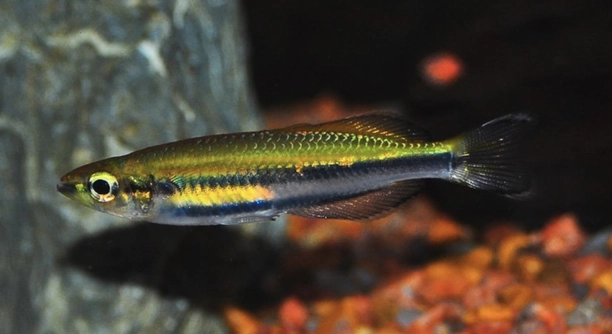
Many aquarium owners notice their rainbowfish often linger in a single corner of the tank. This behavior can be puzzling, especially when these fish are usually active swimmers, darting around with vibrant colors and energy.
Rainbowfish sometimes stay in one corner due to stress, water conditions, or social dynamics. Poor water quality, temperature fluctuations, or aggressive tank mates can make a fish feel unsafe, prompting it to seek a quiet and secure area.
Understanding the reasons behind this behavior can help ensure a healthier and more comfortable environment for your rainbowfish. Observing their habits carefully can reveal patterns worth noting.
Why Rainbowfish Prefer Certain Corners
In my experience, rainbowfish often choose a corner based on comfort and security. They are naturally cautious and sensitive to their surroundings. When a tank has uneven lighting or strong water currents, they might stick to calmer areas. The corner can feel like a safe retreat where they can observe without feeling exposed. I noticed that even small decorations or plants can influence where they rest. Hiding behind a cluster of plants or near a tank wall often makes them feel protected. The presence of other fish also plays a role. Aggressive or overly curious tank mates can make a rainbowfish retreat to a corner for peace. Consistent water temperature and gentle filtration often encourage them to explore more, but stress or sudden changes can quickly send them back to their chosen spot. Watching them adapt to the space is both calming and insightful for any tank keeper.
Corners often provide a sense of security that an open tank does not.
Observing these behaviors can help you adjust your tank setup. Adding soft plants, adjusting water flow, or keeping more balanced social groups can encourage rainbowfish to explore safely. Each fish has a unique personality, so subtle changes often make a noticeable difference. I learned that paying attention to their habits allows me to maintain a healthier tank environment. Proper feeding, regular water checks, and thoughtful placement of decorations all contribute to their comfort. Over time, rainbowfish tend to feel more at ease, reducing stress and increasing their activity. Even small improvements can lead to more vibrant colors and livelier swimming. By being patient and making small adjustments, you can help rainbowfish feel secure without forcing them out of their preferred spaces. It’s rewarding to see them gradually venture from the corner while still having a retreat if needed. These strategies help create a balanced and harmonious aquarium.
Common Causes of Corner-Hiding
Water quality issues are often a major factor in this behavior.
Temperature swings, poor filtration, and chemical imbalances can make rainbowfish feel unsafe. Sudden changes in pH or high ammonia levels may push them to a corner. Even seemingly minor disturbances, like adding new tank decorations or rearranging the aquarium, can trigger stress. Social dynamics also matter. Introducing aggressive or overly dominant fish can cause rainbowfish to seek refuge in quieter areas. Tank size and layout influence movement patterns as well. A crowded tank limits their ability to swim freely, making corners more appealing. Stress signs include faded coloration, sluggish swimming, and hiding for extended periods. Maintaining stable water parameters, providing enough space, and monitoring interactions between fish helps minimize this behavior. Regular observation allows you to catch issues before they escalate. By adjusting environmental factors carefully, rainbowfish can feel safer and begin to explore their tank naturally without constantly hiding in one spot.
Adjusting Tank Conditions
Corners often become hiding spots when water conditions aren’t ideal. Even small changes in temperature, filtration, or pH can make rainbowfish retreat. Keeping the tank stable encourages them to explore more and reduces stress.
Maintaining consistent water parameters is essential. Regular testing for ammonia, nitrites, and nitrates helps prevent sudden spikes that can alarm rainbowfish. I keep the water slightly cooler at the bottom, where they often rest, and ensure gentle filtration to avoid strong currents. Adding plants or soft decorations near the corner can give them a sense of security without limiting movement. Over time, stable conditions allow rainbowfish to venture away from corners more comfortably. Observing how they respond to these adjustments shows how sensitive they are to their environment.
Feeding routines also influence corner-hiding. I noticed that when food is scattered evenly and offered at predictable times, rainbowfish feel less anxious and explore more. Sudden changes in diet or feeding location can make them stay put. Balanced nutrition and predictable care routines promote healthier, more active behavior, encouraging them to swim freely while still having a safe retreat if needed.
Social Interactions and Tank Mates
Rainbowfish often retreat when tank dynamics are tense. Dominant or aggressive fish can push them into corners to avoid conflict. Properly choosing tank mates reduces this stress and helps maintain a peaceful environment.
I carefully observe interactions in my tank. If a particular fish chases or nips at rainbowfish, they immediately hide. Keeping species with compatible temperaments and similar swimming habits makes a big difference. Sometimes, simply increasing the number of rainbowfish spreads out attention and reduces harassment. Introducing hiding spots and plants creates multiple safe zones, so no one feels trapped. Social balance is key; over time, rainbowfish learn where it’s safe to swim and where to retreat temporarily. Understanding their social needs ensures a calmer, more active tank where they can thrive.
Creating Comfortable Hiding Spots
Rainbowfish feel safer when corners have soft plants or gentle decorations. These spots allow them to rest without feeling exposed, helping reduce stress.
Even small additions, like floating plants or smooth rocks, can make a corner more inviting. It provides security while letting them observe their surroundings comfortably.
Light and Temperature Effects
Bright lighting or sudden temperature changes often make rainbowfish stay in corners. They prefer moderate light and stable warmth. I keep the main tank light diffused and ensure the heater maintains a steady temperature. Observing their position during the day shows how lighting and warmth affect their comfort and activity.
Feeding and Activity Patterns
Rainbowfish sometimes linger in a corner after meals. They digest quietly in safe areas before returning to active swimming.
FAQ
Why does my rainbowfish hide in the same corner all the time?
Rainbowfish often hide in one corner because they feel unsafe. Stress from water quality, aggressive tank mates, or strong currents can push them to seek a secure spot. I noticed that even small changes, like moving a decoration, can make them retreat. Adding plants or soft hiding areas encourages them to explore without forcing movement. Over time, stable conditions and predictable routines help rainbowfish become more confident and swim throughout the tank.
Is my tank too small if my rainbowfish stays in a corner?
Tank size matters for comfort and movement. Rainbowfish in small tanks can feel trapped and may retreat to a corner for security. I found that giving them extra swimming space reduces hiding behavior. Even adding vertical space with taller plants or decorations can help. Properly spacing tank mates and avoiding overcrowding is essential to reduce tension and allow rainbowfish to explore safely without feeling threatened or stressed.
Can water quality make rainbowfish hide?
Yes, water quality strongly affects rainbowfish behavior. Poor filtration, fluctuating pH, and high ammonia or nitrite levels create stress. I regularly test water parameters and perform partial water changes, which encourages fish to move more freely. Gentle filtration and stable temperatures also make a noticeable difference. Even slight chemical imbalances can make them retreat to corners, so monitoring water consistently is key to a calm and active tank.
Do rainbowfish hide because of tank mates?
Social interactions play a big role. Aggressive or overly dominant fish often cause rainbowfish to hide. I noticed that introducing calm, similarly sized species reduces corner-hiding. Increasing the number of rainbowfish in a group can also spread attention and minimize stress. Providing multiple hiding spots ensures no fish feels trapped. Observing interactions helps identify problem fish and maintain a peaceful social balance, allowing rainbowfish to swim more confidently.
Does lighting affect rainbowfish hiding behavior?
Lighting can influence comfort levels. Bright, harsh lights often drive rainbowfish to corners. I use diffused lighting and floating plants to create shaded areas. Moderate, consistent lighting encourages exploration. Rainbowfish tend to choose calmer, shaded areas during intense light periods, so adjusting lighting gradually can help them feel secure while still remaining active in the tank.
Should I change feeding routines if my rainbowfish hides?
Feeding can impact behavior. Irregular feeding or sudden diet changes may make rainbowfish anxious and retreat. I feed small amounts at predictable times and scatter food evenly. This reduces competition and stress, encouraging them to leave corners. Balanced nutrition combined with a calm feeding routine promotes more active swimming and less hiding. Over time, predictable feeding habits make rainbowfish more confident throughout the tank.
Can decorations help reduce hiding?
Yes, decorations play a big role. Soft plants, smooth rocks, and other gentle hiding spots allow rainbowfish to feel secure while still observing the tank. I place these strategically in corners or along walls. Multiple safe zones reduce stress and encourage natural exploration. Decorations also help break lines of sight, preventing dominant fish from constantly chasing them.
How long does it take for rainbowfish to stop hiding?
It depends on the cause of stress. I’ve seen rainbowfish take a few days to a couple of weeks to venture out more freely after adjustments in water quality, tank mates, or environment. Consistency in care, stable water parameters, and proper social settings are key. Patience is important, as forcing them out of corners can worsen stress rather than solve it.
Can temperature changes cause corner-hiding?
Yes, sudden temperature fluctuations often drive rainbowfish to seek calm areas. I keep the heater at a stable, moderate temperature. Gentle currents and consistent warmth encourage swimming while still giving them access to secure corners. Observing their favorite spots helps identify where the tank may need adjustments to improve comfort and reduce hiding.
Is corner-hiding always a problem?
Not always. Rainbowfish naturally seek safety when resting or after feeding. I notice that occasional hiding is normal, especially in larger tanks with multiple fish. It becomes a concern if it’s constant, associated with faded colors, or if the fish avoids movement for long periods. Regular observation helps distinguish normal behavior from stress-induced hiding.
Rainbowfish are naturally cautious and sensitive to their surroundings, so spending time in a corner is often a normal behavior. They use these spaces to feel safe, rest, and observe the tank without feeling exposed. From my experience, corners act as quiet retreats where they can manage stress and regain confidence. It’s common to see them linger there after changes in their environment, such as new decorations, tank mates, or shifts in water conditions. While it might seem concerning at first, giving them a secure area can actually help them feel more comfortable overall. Providing soft plants, smooth rocks, or gentle hiding spots allows rainbowfish to retreat when they need to but still have room to swim and explore freely when they feel ready. This balance of safety and activity is important for their overall well-being.
Maintaining stable tank conditions plays a big role in reducing excessive corner-hiding. Rainbowfish are sensitive to water quality, temperature, and lighting, so small fluctuations can make them retreat to a safer area. I noticed that consistent care routines, such as regular water testing, partial water changes, and predictable feeding times, help rainbowfish feel more at ease. Proper filtration and moderate water flow also encourage them to leave corners more often, while still giving them a retreat if needed. Observing their behavior carefully allows me to adjust the tank setup in subtle ways that make a big difference. Even minor changes, like adding a plant near the corner or softening the light in certain areas, can encourage more confident movement. Over time, rainbowfish usually become more active and explore the tank without losing their sense of security.
Social dynamics and tank mates are another key factor in their behavior. Aggressive or dominant fish can make rainbowfish feel threatened, pushing them into corners to avoid conflict. I’ve found that choosing compatible species and keeping a balanced number of rainbowfish reduces stress. Multiple hiding spots also give each fish a safe zone, preventing competition for space. Feeding routines, decorations, and environmental adjustments all work together to create a stable and calm environment. While it takes patience, these measures help rainbowfish gradually feel comfortable exploring the entire tank. Watching them leave the corner, swim actively, and interact more freely is rewarding. Understanding their habits, providing security, and maintaining a consistent, healthy environment ensures rainbowfish can thrive while still having a safe retreat whenever needed.

Hello,
If you enjoy the content that we create, please consider saying a "Thank You!" by leaving a tip.
Every little bit helps us continue crafting quality advice that supports the health, happiness, and well-being of pets around the world, for pets of all shapes, sizes, and species.
We really appreciate the kindness and support that you show us!