
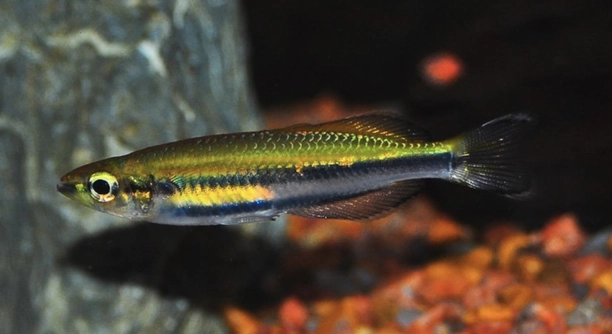
Are your rainbowfish not showing any signs of breeding, even after months of care? Many aquarists face this challenge, wondering why their colorful fish fail to reproduce despite a seemingly healthy environment. It can be puzzling and frustrating.
Rainbowfish may refuse to breed due to a combination of environmental, dietary, and social factors. Inadequate water conditions, insufficient nutrition, lack of proper spawning sites, or inappropriate tank mates can significantly inhibit reproductive behavior. Addressing these factors is essential for successful breeding.
Understanding the reasons behind breeding issues can help you create a more supportive environment. Small adjustments in care and habitat often lead to noticeable improvements in fish reproduction.
Understanding Rainbowfish Breeding Habits
Rainbowfish have distinct breeding behaviors that can be influenced by their environment. They often require stable water conditions, a balanced diet, and specific tank setups to feel comfortable spawning. Males display brighter colors when ready to breed, and females need dense plant cover or spawning mops for egg-laying. Sudden changes in temperature or water quality can stress them, suppressing reproductive behavior. Social structure also matters; overcrowded tanks or aggressive tank mates can prevent mating. Observing natural interactions and mimicking conditions from their native habitats can improve breeding success. Patience is key, as even healthy fish may take time to acclimate to these conditions. Adjusting lighting, temperature, and providing nutritious foods often encourages natural behaviors. Consistency and careful observation help identify what works best for your specific group of rainbowfish, creating an environment that supports reproduction effectively.
Maintaining stable water conditions and providing appropriate spawning areas are crucial first steps for encouraging breeding.
Successful breeding relies on understanding individual species’ preferences. Some rainbowfish thrive in planted tanks, while others prefer open spaces with gentle water flow. Providing varied diet options, such as live foods or high-quality flakes, ensures that both males and females are in optimal condition. Observing courtship displays allows for adjustments in tank layout, reducing stress. Ensuring compatible tank mates prevents aggression and creates a calm environment. Gradual temperature adjustments or simulated seasonal changes can trigger natural spawning instincts. Regular monitoring and small, consistent changes often yield better results than major alterations. Over time, consistent care and attention to their natural behaviors increase the likelihood of successful reproduction. Tracking patterns, noting which setups lead to egg-laying, and responding to the fish’s needs helps create a sustainable breeding environment for long-term success.
Environmental Factors Affecting Breeding
Water quality plays a major role in reproductive success. Poor conditions often lead to stress and suppressed spawning.
Temperature, pH, and cleanliness directly impact rainbowfish health. Optimal water parameters vary among species but generally include moderate temperatures, slightly acidic to neutral pH, and minimal toxins. Regular water changes prevent the buildup of ammonia and nitrites, which can inhibit breeding. Proper filtration ensures gentle water movement while maintaining oxygen levels. Light cycles also influence hormonal changes and spawning behavior. Providing hiding spots, plants, or floating materials mimics natural habitats, making fish more comfortable. Stressful conditions, including overcrowding or incompatible tank mates, often lead to aggression or hiding, further reducing breeding activity.
Diet and nutrition directly affect fertility and egg quality. Feeding a variety of protein-rich foods, such as brine shrimp, daphnia, or high-quality flakes, strengthens reproductive health. Seasonal feeding adjustments can mimic natural cycles, encouraging spawning. Observing how fish interact with their environment and each other allows targeted adjustments, improving comfort and breeding readiness. Combining stable water conditions, proper nutrition, and thoughtful tank design creates the ideal environment for rainbowfish to breed consistently. Small, deliberate changes often have significant effects on reproductive success, and monitoring their behavior ensures adjustments meet the fish’s needs effectively.
Common Mistakes in Rainbowfish Breeding
Overcrowding the tank is a frequent mistake that stresses rainbowfish and prevents spawning. Improper water parameters, sudden changes, and lack of spawning areas also reduce reproductive success. Attention to diet and social balance is often overlooked, further affecting breeding outcomes.
Feeding rainbowfish only flakes or dry foods can leave them undernourished, impacting fertility and egg quality. Live or frozen foods, such as brine shrimp and daphnia, provide essential nutrients and mimic natural feeding habits, stimulating reproductive behavior. Tank layout is equally important. Dense plants, spawning mops, or floating vegetation give females safe places to lay eggs and males areas to display courtship behavior. Gradual changes in temperature and light cycles can mimic seasonal patterns, triggering natural spawning instincts. Small, consistent adjustments often produce better results than drastic changes, ensuring healthier, more active fish ready for breeding.
Ignoring behavioral signals is another common mistake. Males may display aggression or courtship displays that go unnoticed, and females may hide due to stress. Monitoring interactions helps identify issues and correct environmental or social conditions. Recognizing and responding to subtle cues ensures breeding attempts are successful.
Preparing Your Tank for Breeding
Clean water and stable temperature are essential for rainbowfish reproduction. Avoid rapid changes and monitor pH and hardness levels to create optimal conditions.
Providing both open swimming areas and dense plant cover is critical. Males need space to display, while females require hiding spots for laying eggs. Gradual seasonal changes, such as slightly adjusting temperature or light intensity, can encourage natural spawning behavior. Balanced nutrition supports reproductive health, ensuring that eggs and fry develop properly. Observing the fish closely allows timely interventions, such as separating aggressive individuals or adjusting tank setup. Consistency in care fosters a safe, comfortable environment that encourages breeding.
Selecting compatible tank mates reduces stress and aggression, further supporting reproductive behavior. Overcrowding and incompatible species can suppress mating and lead to injury. Monitoring the social structure and removing disruptive fish when necessary maintains a peaceful environment. Providing a variety of protein-rich foods, along with occasional live feeding, enhances vitality and readiness for spawning. Gradual environmental adjustments, such as light cycles and temperature, replicate natural conditions and stimulate hormonal responses necessary for reproduction. Attention to these factors ensures rainbowfish are comfortable, healthy, and more likely to breed successfully.
Lighting and Temperature Considerations
Consistent lighting helps regulate rainbowfish behavior, including spawning. Sudden changes or overly bright lights can stress fish and reduce breeding activity, so maintaining a stable light schedule is important for reproductive success.
Temperature fluctuations affect metabolism and hormonal cycles. Gradual adjustments that mimic seasonal variations can encourage spawning, while sudden changes often disrupt breeding patterns and stress both males and females.
Selecting Healthy Breeding Pairs
Healthy fish are more likely to breed successfully. Look for vibrant colors, active swimming, and well-fed, disease-free individuals. Weak or stressed fish may fail to reproduce or produce poor-quality eggs. Proper selection ensures stronger fry and increases the chances of a successful breeding cycle.
Egg-Laying and Fry Care
Once eggs are laid, removing adults can prevent predation. Floating plants or spawning mops protect eggs and give fry a safe environment to develop. Regular observation ensures eggs remain healthy, and gentle water maintenance avoids disturbing the delicate young fish.
Monitoring Breeding Progress
Keep track of spawning behaviors and egg development to ensure the process is progressing. Observing subtle changes helps adjust care routines and supports the growth of healthy fry.
Why is my rainbowfish not spawning even though they seem healthy?
Even healthy-looking rainbowfish may fail to spawn if environmental factors are not ideal. Water temperature, pH, and hardness must match the species’ natural conditions. Stress from aggressive tank mates, overcrowding, or sudden changes in lighting can suppress reproductive behavior. Ensuring stable conditions, providing proper hiding spaces, and observing courtship interactions can improve spawning chances.
How important is water quality for breeding?
Water quality is critical for rainbowfish reproduction. High levels of ammonia, nitrites, or nitrates create stress, reducing fertility and causing adults to ignore spawning sites. Regular water changes, proper filtration, and monitoring parameters like pH, hardness, and temperature ensure a safe environment for both adults and developing eggs.
Do rainbowfish need special foods to breed?
Yes, diet significantly affects breeding success. Live or frozen foods such as brine shrimp, daphnia, and bloodworms provide essential nutrients, boosting fertility and energy for courtship displays. Supplementing with high-quality flakes or pellets ensures a balanced diet. Feeding multiple times a day in small portions can optimize reproductive readiness.
How many rainbowfish should be kept together for breeding?
A balanced social group is essential. Overcrowding can cause stress and aggression, while too few fish may not trigger natural courtship behaviors. Generally, keeping at least three males to four or five females allows for healthy interactions and reduces competition-related stress. Observing behavior helps adjust group size if issues arise.
Do I need special tank setups for breeding?
Yes, specific tank arrangements improve spawning success. Dense plants, spawning mops, or floating vegetation give females safe areas to lay eggs and males places to display courtship. Open swimming areas allow natural displays. Gradually adjusting lighting and temperature to mimic seasonal changes can trigger natural breeding instincts.
Should I separate adults after eggs are laid?
It is recommended to remove adults after spawning to prevent egg predation. Eggs are vulnerable and may be eaten by both males and females. Using breeding tanks or temporary separators ensures higher survival rates. Floating plants or spawning mops provide additional protection for eggs and fry.
How long does it take for eggs to hatch?
Hatching time varies by species and water temperature but generally takes two to seven days. Maintaining stable conditions is crucial during this period. Gentle water movement helps oxygenate eggs, while avoiding sudden changes prevents stress or fungus formation. Observing daily ensures timely intervention if problems arise.
When should fry be fed, and what should they eat?
Fry should start feeding once they absorb their yolk sacs, typically two to three days after hatching. Infusoria, newly hatched brine shrimp, or finely crushed high-quality flake foods are ideal. Feeding small amounts multiple times daily supports rapid growth and strengthens young fish.
What are signs of successful breeding?
Successful breeding includes observed courtship behaviors, females visiting spawning sites, and the presence of eggs. Fry swimming freely after hatching indicates proper care. Healthy, active, and growing fry confirm that environmental conditions and nutrition are adequate. Monitoring behavior and development ensures adjustments are made promptly to maintain breeding success.
Can environmental stress prevent future spawning?
Yes, prolonged stress from poor water quality, incompatible tank mates, or sudden changes can reduce reproductive ability over time. Consistently maintaining optimal conditions and minimizing stress helps rainbowfish recover and encourages regular breeding cycles, increasing the overall success of future spawning attempts.
Is it necessary to simulate seasonal changes for breeding?
Simulating seasonal changes, such as gradual temperature shifts and light cycle adjustments, can encourage natural spawning behavior. Rainbowfish often respond to these subtle environmental cues, which mimic conditions from their native habitats. This approach enhances hormonal triggers, stimulating courtship and egg-laying naturally.
How can I prevent fungal infections on eggs?
Fungal infections are common in poorly oxygenated or stagnant water. Adding antifungal agents, maintaining clean water, and ensuring gentle circulation around eggs reduces the risk. Removing dead or infected eggs promptly prevents spread, increasing the survival rate of remaining healthy eggs.
What should I do if fry are not thriving?
If fry show poor growth or high mortality, check water quality, feeding, and tank conditions. Ensure frequent, small feedings of appropriate foods and maintain stable water parameters. Adjusting temperature, removing aggressive tank mates, and increasing hiding areas can improve survival and promote healthy development.
Can rainbowfish breed year-round?
With consistent care, proper diet, and stable environmental conditions, many rainbowfish species can breed multiple times a year. Mimicking natural cycles, maintaining social structure, and providing ideal tank setups maximize reproductive opportunities, allowing for regular spawning and healthy fry development.
How do I know which species-specific requirements matter most?
Researching the specific species’ natural habitat is key. Each species has preferred water parameters, tank setups, and diet. Observing behavior and gradually testing conditions that match their native environment ensures that reproductive needs are met. Tracking successful trials helps refine care for consistent breeding results.
What steps improve overall breeding success?
Maintaining optimal water quality, providing a balanced diet, designing an appropriate tank, monitoring social interactions, and simulating natural seasonal changes all contribute to successful breeding. Consistency, observation, and timely adjustments create an environment that supports both adult rainbowfish and developing fry effectively.
Breeding rainbowfish can seem complicated at first, but understanding the basics makes the process much more manageable. The key factors that influence successful breeding are water quality, diet, tank setup, and social balance. Maintaining stable water conditions, including temperature, pH, and hardness, ensures the fish remain healthy and reduces stress, which is crucial for encouraging natural reproductive behavior. Overcrowding or mixing incompatible species often prevents mating and can even lead to aggressive behavior. Providing adequate space and observing interactions helps establish a calm and balanced environment, giving both males and females the confidence to display courtship behaviors and spawn successfully.
Diet plays an equally important role in rainbowfish reproduction. Feeding a variety of high-quality foods, including live or frozen options like brine shrimp and daphnia, ensures that fish receive the necessary nutrients to maintain energy, fertility, and overall health. Flake or pellet foods can supplement the diet, but they should not be the sole source of nutrition. Regular feeding in small portions encourages natural feeding behavior and supports reproductive readiness. Nutritional support also directly affects egg quality and fry survival, making it easier to raise healthy young fish. Combined with careful attention to social dynamics, providing a balanced diet creates the conditions necessary for breeding to occur consistently.
Creating a suitable breeding environment involves more than just water and food. Rainbowfish need both open swimming areas and dense plant cover or spawning mops where females can lay eggs safely and males can perform courtship displays. Gradual adjustments in lighting and temperature can mimic seasonal changes, stimulating natural reproductive instincts. Once eggs are laid, removing adults or providing protective cover ensures higher survival rates for the fry. Monitoring courtship, egg development, and fry growth allows timely interventions when issues arise. By paying attention to these details and maintaining a consistent routine, breeders can significantly increase the chances of successful spawning. With patience, observation, and careful management of environmental and dietary factors, rainbowfish breeding can become a rewarding and manageable part of aquarium care.

Hello,
If you enjoy the content that we create, please consider saying a "Thank You!" by leaving a tip.
Every little bit helps us continue crafting quality advice that supports the health, happiness, and well-being of pets around the world, for pets of all shapes, sizes, and species.
We really appreciate the kindness and support that you show us!