
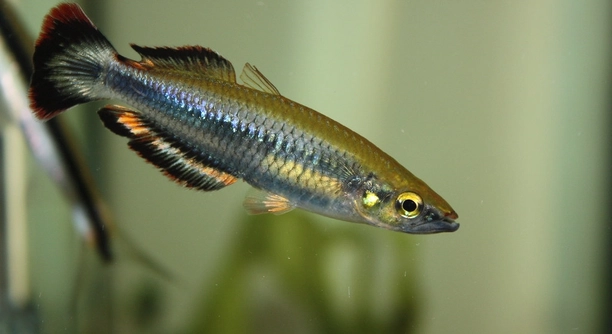
Rainbowfish are small, colorful freshwater fish that are popular in home aquariums. Many aquarium enthusiasts enjoy observing their playful swimming patterns and vibrant colors in well-maintained tanks. Creating a suitable environment is important for their wellbeing.
Rainbowfish generally prefer a calm and quiet environment. Excessive noise or sudden disturbances can increase stress levels, negatively affecting their behavior, feeding habits, and overall health. Maintaining low noise around their tank promotes stability and supports their natural activity.
Providing the right conditions can make a noticeable difference in their behavior and long-term health. Understanding their needs helps you create a peaceful home for these lively fish.
Understanding Rainbowfish Behavior
Rainbowfish are naturally active and social creatures that thrive in calm surroundings. They swim in groups, explore their tank, and interact with other fish in a gentle manner. Sudden loud noises or vibrations in their environment can startle them, causing stress. Stress may lead to hiding, reduced activity, or decreased feeding. Their colors may also become less vibrant when they feel threatened. It’s important to keep the tank in a low-traffic area, away from loud household appliances or frequent disturbances. Observing their reactions to different levels of activity can help you identify the best spots for their aquarium. Soft background noise, like gentle bubbling from a filter, is generally well tolerated. Consistency in their environment allows them to develop a routine, which supports both physical health and behavioral stability. Paying attention to these factors ensures rainbowfish remain comfortable, healthy, and display their natural, vibrant patterns without unnecessary stress or disruption.
Keeping their environment consistent promotes long-term comfort and wellbeing for rainbowfish.
Stress can have lasting effects on rainbowfish health. Over time, repeated disturbances weaken their immune system and affect breeding success. Quiet surroundings encourage natural behavior, improve appetite, and allow them to interact more naturally with other tank mates. By monitoring noise and movement, you ensure their habitat remains stable and safe.
Tips for Creating a Calm Aquarium
Place the tank in a quiet area to reduce disturbances and sudden noises.
Select soft lighting and maintain a steady temperature to mimic their natural habitat. Avoid tapping on the glass or sudden movement near the tank. Decorations like plants and hiding spots provide security, allowing fish to retreat if they feel threatened. Regular maintenance should be done calmly and without rushing, which keeps stress levels low. Grouping rainbowfish in compatible numbers helps them feel secure and encourages natural swimming patterns. Filters and aerators should operate quietly, providing water circulation without producing disruptive sounds. Watching their reactions after adjustments ensures the environment suits their needs. Gradual changes, rather than abrupt modifications, help rainbowfish adapt without fear. By carefully managing noise, light, and tank activity, you create an atmosphere that encourages healthy behavior, vibrant coloration, and consistent feeding habits. Overall, attention to these details makes the aquarium a stable, comfortable home for rainbowfish to thrive safely.
Noise and Rainbowfish Stress
Sudden loud noises can startle rainbowfish, causing them to dart around or hide. Constant disturbances increase stress, which affects feeding and overall health. Keeping the tank in a calm area helps maintain their natural behavior and reduces potential health issues caused by stress.
Stress in rainbowfish often shows through changes in behavior and appearance. They may swim erratically, hide behind decorations, or avoid the surface when feeding. Over time, stress can suppress their immune system, making them more prone to disease. Even minor disturbances, like tapping the glass or frequent loud conversations nearby, can trigger these reactions. Ensuring a peaceful environment helps rainbowfish remain active, colorful, and healthy. Monitoring their responses to changes in the surrounding noise can guide adjustments to create the most suitable living conditions for them.
Long-term exposure to stressors can also affect their breeding behavior. Rainbowfish may become less interested in spawning or fail to show normal courtship patterns. Juvenile fish are particularly sensitive to disturbances, which can slow growth and reduce vitality. A consistently quiet and stable environment allows them to grow confidently and interact naturally with tank mates. Quiet water movement and minimal abrupt activity help sustain their wellbeing. Over time, rainbowfish that experience minimal stress demonstrate more vibrant coloration and more predictable behavior, making them easier to care for while enhancing the visual appeal of the aquarium.
Creating a Stable Habitat
Providing hiding spots and gentle lighting reduces stress and helps rainbowfish feel secure. Plants and decorations give them areas to retreat when startled, supporting calmer behavior overall.
Temperature stability and low-noise filtration are essential for their comfort. Sudden temperature shifts or noisy equipment can create stress and disrupt daily routines. Using consistent feeding schedules and observing fish interactions ensures a balanced and peaceful tank. Grouping rainbowfish appropriately supports social behavior, while careful placement of decorations allows free swimming without feeling exposed. Maintaining steady conditions promotes health, natural coloring, and regular activity. Observing reactions after any change helps fine-tune the environment to meet their needs efficiently.
Minimizing External Disturbances
Keeping the tank away from busy areas helps reduce stress for rainbowfish. Foot traffic, loud voices, or sudden movements nearby can startle them, affecting their behavior and appetite. Choosing a calm location encourages natural swimming and interaction.
Using a tank cover and arranging furniture around the aquarium can further minimize sudden disruptions. Even small vibrations from nearby activities can cause unease. By controlling the environment, rainbowfish remain more comfortable, confident, and active, showing healthier behavior patterns over time.
Observing Behavior Changes
Rainbowfish that are stressed often show subtle signs. They may hide more than usual, swim erratically, or lose color vibrancy. Monitoring these behaviors closely helps identify stressors early. Adjusting tank placement, decorations, or light intensity can quickly improve their wellbeing and reduce anxiety.
Benefits of a Calm Aquarium
A peaceful environment supports better feeding habits and social interaction. Rainbowfish feel secure, swim naturally, and display their colors more vividly.
FAQ
Do rainbowfish need complete silence in their tank?
Rainbowfish do not require complete silence, but they thrive in a calm environment with minimal sudden noises. Gentle background sounds, like a quietly running filter or air stone, are usually fine. Loud bangs, music, or constant household activity can startle them and increase stress levels. Providing a stable, peaceful environment allows them to swim confidently, feed regularly, and interact naturally with other fish.
How can I tell if my rainbowfish is stressed by noise?
Stress in rainbowfish often appears as erratic swimming, hiding, or clamped fins. Their colors may become dull, and they might refuse food. Sudden reactions to normal activities, such as darting when someone walks by, indicate that noise is affecting them. Observing daily behavior helps identify stress before it leads to health issues. Adjusting tank placement, adding hiding spots, or reducing loud disturbances can improve their comfort.
Are some rainbowfish more sensitive to sound than others?
Yes, sensitivity varies between species and individual fish. Juveniles are usually more sensitive than adults. Species that naturally live in calm streams or slow-moving waters are more likely to react strongly to noise. Paying attention to individual behavior is key to ensuring all fish remain healthy and comfortable.
Does tank placement really affect their comfort?
Absolutely. Placing the tank in a quiet, low-traffic area reduces disturbances. Avoid locations near doors, televisions, or kitchens where sudden noises and vibrations are frequent. A calm environment encourages normal swimming patterns and feeding behavior, making it easier to maintain healthy fish.
Can stress from noise affect their health long-term?
Yes, chronic stress weakens the immune system, making rainbowfish more prone to disease. Stress can also affect growth, reproduction, and coloration. Minimizing disturbances and providing a consistent environment helps prevent these long-term effects and supports overall wellbeing.
What other factors besides noise affect rainbowfish stress?
Lighting, water quality, tank mates, and sudden movements all impact stress levels. Harsh lighting or abrupt changes in temperature can make them uncomfortable. Aggressive tank mates or overcrowding may cause hiding or defensive behavior. Regular water checks and mindful selection of companions help create a calm, supportive environment.
How do hiding spots help reduce stress?
Plants, rocks, and decorations provide areas for rainbowfish to retreat when startled. Having these safe zones allows them to regulate stress naturally, reducing erratic behavior and improving overall health. Even well-fed, active fish benefit from places to hide when external disturbances occur.
Is it necessary to monitor their reactions to household activity?
Yes. Watching how rainbowfish respond to everyday sounds and movements helps identify potential stressors. If they start hiding, darting, or avoiding feeding areas, it’s a sign that the environment may need adjustment. Small changes, like moving the tank or adding decorations, can make a big difference.
How can I balance aquarium activity and household noise?
Focus on creating a consistent routine for feeding, cleaning, and interacting with the tank. Limit sudden loud noises nearby, and use quiet equipment. Over time, rainbowfish adapt to normal background activity, but minimizing unpredictable disturbances is key to maintaining calm behavior and healthy fish.
Can calm conditions improve coloration?
Yes. Stress can dull rainbowfish colors, while a stable and quiet environment helps them display vibrant, natural hues. Proper nutrition, compatible tank mates, and consistent conditions enhance the visual appeal and overall health of the fish.
How long does it take for rainbowfish to adjust to a new environment?
Adjustment time varies but generally takes a few days to a couple of weeks. Introducing them to a calm, stable tank with minimal noise and consistent conditions accelerates acclimation. Providing hiding spots and monitoring behavior ensures a smoother transition.
Are some household noises unavoidable for rainbowfish?
Certain background noises, like distant traffic or low hums from appliances, are usually tolerated if they are constant and not abrupt. Rainbowfish respond more to sudden, sharp sounds than to ongoing low-level noise. Observing their reactions helps you understand what they can comfortably handle.
Does stress affect feeding behavior?
Yes. Stressed rainbowfish may eat less or become selective with food. A calm, quiet environment encourages regular feeding patterns, allowing them to maintain energy levels, grow well, and stay healthy over time. Consistent feeding routines also provide a sense of security.
What is the easiest way to reduce stress from noise?
The most effective method is placing the tank in a low-traffic area and limiting sudden disturbances. Adding plants, decorations, and gentle equipment noise helps create a secure environment. Observing behavior and making small adjustments ensures rainbowfish remain comfortable, active, and visually vibrant.
How often should I observe rainbowfish for stress signs?
Daily observation is ideal, especially after any changes in the tank or surroundings. Checking behavior, color, and activity levels allows you to spot early signs of stress and intervene quickly, preventing long-term health issues.
Can multiple stress factors combine to affect rainbowfish?
Yes. Noise, poor water quality, incompatible tank mates, and improper lighting can all compound stress. Managing each factor carefully helps maintain a balanced environment, supporting healthy growth, normal behavior, and natural coloration for rainbowfish over the long term.
Are rainbowfish more active at certain times that may interact with household noise?
They tend to be more active during daylight hours, which can coincide with household activity. Providing consistent lighting and predictable feeding schedules helps them feel secure even when some background noise is unavoidable, reducing stress and encouraging natural behavior.
Do stress signs differ between male and female rainbowfish?
Males often display more vivid coloration and may show more noticeable stress signs, like fading colors or hiding. Females may become less active or reduce interaction with other fish. Observing both sexes helps maintain balanced care and appropriate adjustments to the environment.
How can I make minor household adjustments to support rainbowfish?
Small steps, like softening loud sounds, moving noisy appliances, or using rugs to dampen vibrations, can reduce stress. These minor adjustments combined with consistent tank care and attention to feeding, lighting, and decoration create a calm and secure environment for rainbowfish to thrive.
Final Thoughts
Rainbowfish are naturally active and colorful fish that thrive in calm and stable environments. Their wellbeing depends largely on reducing stress from external factors such as noise, sudden movement, or frequent disturbances. Stress can show up in many ways, including hiding, erratic swimming, dull colors, or reduced appetite. Maintaining a quiet environment allows rainbowfish to display their natural behavior more confidently, feed regularly, and interact comfortably with other fish. Even small adjustments, like moving the tank to a low-traffic area or adding plants and decorations, can make a significant difference in their comfort and overall health. Paying attention to these details ensures that rainbowfish remain vibrant and active over time.
A calm environment not only improves daily behavior but also contributes to long-term health. Prolonged exposure to stress can weaken the immune system, slow growth, and affect breeding patterns. Providing stable water conditions, gentle lighting, and consistent feeding routines helps minimize stress and supports natural rhythms. Decorations like plants, rocks, and hiding spots give rainbowfish safe areas to retreat when startled, which is especially important for juveniles and more sensitive species. Quiet filtration and minimal abrupt activity help maintain a peaceful tank, encouraging fish to swim naturally and interact in a healthy manner. Observing their reactions to changes and making gradual adjustments allows rainbowfish to adapt smoothly without unnecessary stress. Over time, consistent care in a calm setting can lead to more vivid coloration, stronger immune responses, and more predictable behavior patterns.
Caring for rainbowfish requires attention to both the physical and behavioral aspects of their environment. Understanding their needs helps prevent stress-related issues and creates a more enjoyable experience for both the fish and the caretaker. Simple actions, such as monitoring noise levels, maintaining water quality, and providing sufficient space and hiding spots, play a critical role in their comfort. By prioritizing a quiet and stable habitat, rainbowfish can thrive, displaying vibrant colors, active swimming patterns, and regular feeding habits. Observing them closely and making thoughtful adjustments when necessary ensures they remain healthy, confident, and comfortable in their home. Creating such an environment reflects a careful and informed approach to fish care, resulting in rainbowfish that are not only visually appealing but also genuinely well-cared-for over the long term.

Hello,
If you enjoy the content that we create, please consider saying a "Thank You!" by leaving a tip.
Every little bit helps us continue crafting quality advice that supports the health, happiness, and well-being of pets around the world, for pets of all shapes, sizes, and species.
We really appreciate the kindness and support that you show us!