
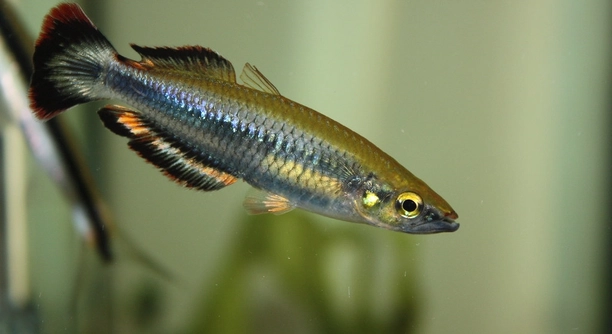
Rainbowfish are known for their calm presence and colorful movement in aquariums. Observing their daily behavior can feel relaxing and familiar, especially when they navigate spaces that seem well known within a home tank environment.
Rainbowfish demonstrate the ability to remember tank layouts through spatial learning and repeated exposure. Studies on fish cognition show consistent route use, obstacle avoidance, and location recognition, indicating memory that supports navigation, feeding efficiency, and reduced stress in aquarium environments.
Understanding how rainbowfish process their surroundings helps explain daily behavior patterns and highlights the importance of thoughtful aquarium design choices.
How Rainbowfish Learn Their Space
I have noticed that rainbowfish move with confidence once they settle into a tank. This behavior develops through repeated exposure to the same rocks, plants, and open swimming paths. Over time, their movements become smoother and more direct. They learn where food appears, where shelter is located, and which areas feel calm. This learning relies on spatial memory, a basic cognitive skill shared by many fish species. Visual landmarks play an important role, especially contrasting shapes and stable structures. When these features remain unchanged, rainbowfish spend less energy reacting and more time swimming naturally. Their routines become predictable, which supports steady feeding habits and reduced stress. A familiar layout also allows them to avoid sudden collisions. Consistency helps their nervous system remain balanced, supporting long-term health in enclosed aquatic settings. This quiet learning process often goes unnoticed, yet it shapes how comfortably they exist within artificial habitats daily over time.
Once a layout is learned, rainbowfish respond quickly to familiar cues. Feeding zones, resting areas, and swimming routes become fixed patterns. Sudden changes can interrupt these patterns briefly, but stable tanks allow memory to reinforce calm behavior and consistent movement. This supports daily routines and reduces unnecessary energy use overall.
From my experience, even small adjustments can affect how rainbowfish move. Rearranging plants or decorations may cause brief hesitation as they reorient themselves. This does not mean memory is lost, only that it requires updating. Given time, they adapt and rebuild familiar routes. Their ability to adjust shows flexible learning rather than rigid behavior. However, frequent changes can delay this process. A balanced approach works best, where enrichment is added slowly. Maintaining core landmarks while making minor updates supports curiosity without overwhelming their sense of place in the tank. This stability helps reduce stress responses during daily activity levels overall.
Why Tank Consistency Matters
Tank consistency plays a major role in supporting rainbowfish memory. When layouts remain stable, fish spend less time adjusting and more time maintaining natural rhythms. This leads to smoother swimming, steady feeding responses, and a calmer presence throughout the aquarium environment over extended periods of captive care and daily observation.
Consistent tank layouts help reduce unnecessary stress for rainbowfish in home aquariums. Stress often appears as erratic swimming or hiding, especially after repeated changes. When fish recognize their surroundings, they react less to minor disturbances. This allows energy to be directed toward growth, coloration, and social interaction. Stable environments also support better feeding accuracy, as fish remember where food usually appears. Over time, this predictability supports digestive regularity. I have found that keeping decorations in familiar positions makes maintenance easier as well. Fish settle faster after cleaning and resume normal behavior sooner. This does not mean tanks should remain boring. Adding variation through lighting changes or gentle plant growth offers stimulation without disruption. The key is moderation. Gradual updates give rainbowfish time to adjust while preserving trusted landmarks. This balance supports both mental engagement and physical health. A thoughtful layout respects their memory and supports long-term wellbeing in confined aquatic systems. Careful planning reduces the need for frequent rearranging. It also builds confidence in fish behavior. Over weeks, stable conditions support stronger routines and reduce visible tension during daily tank activity. This approach aligns with responsible care practices and supports observation of natural movement patterns within controlled aquarium environments consistently.
How Changes Affect Rainbowfish Memory
I have seen rainbowfish pause briefly when decorations are moved. This pause reflects adjustment, not confusion. Their memory remains active, but visual landmarks shift. With stable water conditions and minimal disruption, they relearn positions quickly and return to smooth swimming patterns within a short period of time overall for them.
Rainbowfish rely on repeated visual exposure to maintain spatial awareness. When objects change too often, memory must constantly update, which increases alert behavior. I notice tighter swimming and less exploration during these times. Consistent layouts allow memory reinforcement, making movement efficient and calm. Fish begin to anticipate open paths and shelter zones. This predictability lowers energy use and supports feeding focus. Sudden rearranging forces constant reassessment. While adaptation occurs, it takes time. Gradual changes respect learned layouts and allow memory to adjust without triggering stress responses in confined aquarium environments over long term care routines for captive rainbowfish daily settings.
Spatial memory also influences social behavior among rainbowfish. Familiar layouts reduce accidental collisions and chasing. I observe calmer group movement when landmarks stay consistent. Fish spread evenly rather than clustering defensively. Memory allows them to navigate shared space with fewer conflicts. Stable layouts support hierarchy balance and reduce competition stress. When fish know escape routes, they react less intensely. This creates a quieter tank dynamic overall. Over time, memory supported environments promote consistent behavior patterns that benefit both observation and long term care practices in small home aquariums with routine maintenance schedules and predictable daily feeding times for stability overall.
Supporting Memory Through Tank Design
Tank design can gently support rainbowfish memory through structure placement. I prefer anchoring major elements like rocks and wood in fixed positions. Plants may grow, but core shapes remain familiar. This approach gives visual reference points without stagnation. Lighting consistency also matters. Stable brightness patterns help reinforce spatial cues. Together, these choices allow memory to strengthen while keeping the tank visually balanced and comfortable for fish during daily activity cycles and routine care periods consistently.
Supporting memory does not require complex setups. Simple, repeatable layouts work best for rainbowfish. I focus on keeping feeding zones consistent and avoiding unnecessary rearranging. Gentle changes spaced over weeks allow adjustment without overload. Background color and substrate stability also help reinforce orientation. When fish recognize their surroundings, they display smoother swimming and steadier group spacing. This reduces visible tension. Thoughtful design supports both mental comfort and physical health. A predictable environment allows observation of natural behaviors instead of constant adjustment reactions. Over time, memory supported tanks become easier to maintain. Fish respond faster after cleaning and resume normal patterns quickly. This consistency benefits long term care routines and overall aquarium stability by lowering stress responses during daily maintenance interactions and routine observation sessions consistently.
Memory and Daily Movement Patterns
Rainbowfish show confidence when they recognize repeated paths and shelter points. I often notice quicker responses during feeding and calmer turns around obstacles. This behavior reflects stored spatial cues that guide movement. Memory allows them to swim efficiently without constant scanning of their surroundings in controlled aquarium environments daily settings.
When layouts stay familiar, rainbowfish reduce hesitation and sudden direction changes. I see steadier group spacing and fewer startle responses. Their memory supports predictability, which lowers stress signals. Over time, this stability helps maintain consistent behavior patterns that are easier to observe and manage during routine home aquarium care periods.
How Memory Develops Over Time
Rainbowfish memory is shaped by repetition and visual contrast within the tank. I pay attention to how often they revisit the same routes. Fixed landmarks help reinforce direction and spacing. When objects remain stable, memory strengthens through daily exposure. This reduces alert behavior and improves swimming flow. Frequent changes interrupt this process and require mental adjustment. Although adaptation happens, it uses extra energy. Gradual updates respect learned cues while allowing enrichment. This balance supports calm behavior, steady feeding responses, and long-term comfort in confined aquatic environments that benefit observation routines and daily care practices overall in small home tanks consistently.
Practical Benefits for Long-Term Care
I find that stable layouts make maintenance less disruptive for rainbowfish. After cleaning, they reorient faster and resume normal movement. Memory allows them to settle quickly. This reduces visible stress and keeps daily behavior predictable, which supports healthier long-term care routines within consistent home aquarium environments over extended care periods.
FAQ
How long can rainbowfish remember a tank layout?
From my experience, rainbowfish can remember a tank layout for several weeks or even months if the environment remains consistent. Key landmarks like rocks, plants, and hiding spots are especially important. When these elements stay in the same place, fish swim confidently and use familiar paths efficiently. Memory supports calmer behavior, predictable feeding, and less energy spent on exploring or avoiding obstacles. Even after minor changes, they usually reorient quickly, but repeated disruptions can extend the adjustment period.
Do rainbowfish notice small changes in their tank?
Yes, even small changes like moving a plant slightly or rearranging decorations can be noticed. I often see brief hesitation when they encounter altered objects. While their memory isn’t lost, visual cues must be re-learned. Sudden shifts may cause temporary stress or tighter swimming, but stable water conditions help them adapt faster. Gradual updates allow memory to catch up without affecting daily routines.
Can tank layout affect rainbowfish behavior?
Absolutely. A consistent layout supports natural movement patterns, reduces stress, and helps maintain social balance. I notice calmer group swimming when landmarks are stable, fewer accidental collisions, and smoother feeding responses. Changes in layout can disrupt learned routes, increasing alert behavior. Using fixed points like rocks or driftwood while allowing plant growth provides visual variety without disrupting memory.
How do rainbowfish use memory for feeding?
Rainbowfish learn where and when food usually appears. I’ve observed them swimming directly to feeding spots instead of searching randomly. Memory allows them to anticipate feeding times, reducing energy spent on unnecessary exploration. Consistent placement of food reinforces learned routes and makes feeding predictable. When the layout changes, they may pause or explore slightly before returning to their usual feeding spots.
Does memory affect rainbowfish social interactions?
Yes, memory helps them navigate shared space efficiently. I’ve seen fewer chasing incidents and smoother group coordination in familiar tanks. Fish use remembered paths to avoid collisions and defend territories without constant stress. Stability supports hierarchy and reduces aggressive behavior. When layouts are frequently changed, social interactions can become tense as fish reassess space, but memory quickly restores calm once new landmarks are learned.
Can rainbowfish adapt if a tank layout changes?
They can, but adaptation requires time. Memory allows them to relearn new arrangements gradually. I’ve seen them pause, explore cautiously, and then resume normal swimming as routes are reinforced. Frequent or drastic changes may increase stress temporarily, but slow adjustments maintain confidence. Incorporating small, incremental changes preserves enrichment while supporting their memory.
Do rainbowfish forget if moved to a new tank?
Moving to a completely new tank resets much of their spatial memory. I’ve noticed more cautious swimming and increased exploration at first. Familiar objects from the old tank, if added, can help them adapt faster. Over a few weeks, memory forms for the new environment, guiding feeding, hiding, and movement patterns. Patience and consistency during this transition are key to reducing stress.
How can I help rainbowfish retain memory?
Maintaining stable core landmarks and consistent feeding zones is crucial. I try to avoid frequent rearranging and only make gradual changes to plants or decorations. Visual contrasts and clear paths support recognition. Lighting consistency and minimal disturbances reinforce memory. Together, these factors allow rainbowfish to navigate efficiently, stay calmer, and maintain natural behavior patterns in a home aquarium environment.
Do all rainbowfish remember tank layouts equally?
Individual differences exist. I’ve noticed some fish are faster learners and more confident in navigating their surroundings. Age, temperament, and prior experience can influence memory strength. Younger fish may explore more, while older or more experienced fish rely on learned routes. Understanding these differences helps tailor tank design and enrichment to support each fish’s memory and daily behavior effectively.
Why is memory important for rainbowfish health?
Memory directly influences stress levels, feeding efficiency, and social harmony. Fish that recognize their environment swim calmly, locate food reliably, and maintain better energy balance. I’ve seen that repeated stress from constant changes can affect growth and coloration. Supporting memory through consistent tank layouts ensures healthier, more predictable behavior over time.
How often should I update decorations without disrupting memory?
Small updates can be added every few weeks if done gradually. I prefer introducing minor changes, like a new plant or slight rearrangement, while keeping core landmarks intact. This provides enrichment without overwhelming memory. Rainbowfish quickly adapt to incremental updates, maintaining calm behavior and consistent movement patterns in the aquarium.
Can memory reduce aggressive behavior?
Yes. I’ve observed that fish in stable tanks with known hiding spots and routes display fewer aggressive interactions. Memory allows each fish to anticipate space use and avoid conflicts. Frequent layout changes may trigger territorial disputes temporarily. Stability in design supports both social cohesion and a calmer tank environment overall.
Does lighting affect memory in rainbowfish?
Consistent lighting helps reinforce spatial cues. I notice that sudden changes in brightness can cause hesitation or slower movement. Steady lighting patterns support memory by keeping visual landmarks easily recognizable. This contributes to smoother swimming, predictable feeding, and lower stress in daily aquarium life.
Are some landmarks more important than others for memory?
Yes, fixed, visually distinct objects like large rocks or driftwood serve as primary reference points. I find rainbowfish use these more than flexible plants, which grow and change over time. Maintaining clear landmarks allows memory to guide navigation, feeding, and hiding behaviors effectively without constant adjustment.
How quickly do rainbowfish relearn a modified tank?
Relearning depends on the degree of change. Small modifications may be recognized within hours or days. I notice gradual confidence returning after a week of exposure. Large rearrangements can take longer, requiring repeated swimming along new paths to build memory. Gradual adjustments support faster adaptation while reducing stress.
Can memory affect feeding competition among rainbowfish?
Yes. Fish that remember feeding zones can access food more efficiently, reducing frantic chasing and competition. I often observe calmer feeding when landmarks are stable. Memory allows fish to anticipate delivery points, maintain spacing, and conserve energy, which benefits overall tank dynamics and daily care routines consistently.
Do rainbowfish use memory for hiding?
They do. Familiar shelters allow quick retreats when startled. I see them swim directly to known hiding spots instead of searching randomly. Memory of these areas lowers stress, supports calm behavior, and helps fish feel secure. Changing hiding spots too often can cause hesitation and higher alert levels temporarily.
Does tank size impact memory use?
Larger tanks require more spatial learning. I notice fish explore more initially and take longer to memorize all paths. Smaller tanks allow quicker recognition of landmarks and feeding zones. Regardless of size, consistent placement of objects and clear visual cues helps rainbowfish retain memory and maintain predictable movement patterns efficiently.
Can memory influence color display in rainbowfish?
Indirectly, yes. Fish that feel secure in a familiar layout display brighter, more consistent coloration. I notice more vibrant hues when they swim confidently without stress. Unfamiliar or frequently changing layouts can cause temporary color dulling due to stress or heightened alertness, showing how memory supports overall well-being.
How long does it take for rainbowfish to adapt after rearrangement?
It varies by individual and change extent. Minor shifts may be learned in a day or two. I see larger adjustments take several days to a week. Consistent feeding schedules and stable core landmarks help reduce stress and accelerate memory adaptation during this period. Gradual changes are always easier on their daily routine.
Do rainbowfish rely on memory more than instinct?
Both work together. Instinct guides survival, while memory supports efficiency and comfort in a familiar tank. I notice that learned routes reduce energy use and improve feeding success. Instinct reacts to immediate danger, but memory allows smoother daily life, supporting calm behavior and predictable patterns consistently.
How does memory impact cleaning routines?
Stable layouts make cleaning less stressful. Fish quickly recognize landmarks post-maintenance and resume normal paths. I see less hiding or frantic swimming when familiar objects are returned to original positions. Memory supports confidence and reduces disruption, making both observation and routine care easier over time in small home aquariums consistently.
Can memory prevent injuries in rainbowfish?
Yes. When fish remember obstacle positions, collisions are minimized. I’ve observed fewer scrapes or stressed swimming in tanks with fixed decorations. Familiarity with their environment allows confident navigation, safer group movement, and reduced risks during feeding, maintenance, or minor disturbances.
Do rainbowfish remember people or feeding routines?
They associate repeated actions with outcomes. I see fish swimming to the front when feeding is expected. Memory helps them anticipate food delivery without panic. While not recognizing individuals in a human sense, they remember routines and respond predictably, which demonstrates cognitive learning and environmental memory effectively.
How can I test if rainbowfish remember a layout?
Observing repeated paths, feeding response times, and obstacle navigation gives clues. I watch if fish take familiar shortcuts or quickly reach shelters after minor disruptions. Consistency in these behaviors over time indicates memory retention. Gradual changes allow testing without causing stress.
Do rainbowfish remember multiple layouts?
They can adapt to new environments, but memory for previous layouts may fade. I find they retain a sense of spatial patterns rather than exact arrangements. Repeated exposure to different tanks or rearrangements builds flexible learning, but familiar, consistent layouts remain easiest for stable behavior.
How important is memory for rainbowfish well-being?
Memory supports calm behavior, predictable feeding, and efficient swimming. I’ve seen that disrupted memory leads to stress, hesitation, and energy loss. Providing stable landmarks, clear paths, and consistent routines allows rainbowfish to thrive. Mental stability directly supports physical health, coloration, and overall daily comfort in the aquarium consistently.
Can memory affect breeding behavior?
Yes. Fish in familiar layouts are calmer and display more consistent mating behaviors. I notice that they use remembered territories and hiding spots for spawning. Stress from frequent changes can delay breeding or reduce success, while stable environments support natural reproductive behavior patterns and confidence in daily tank routines.
Does temperature or water conditions influence memory?
Memory works best under stable water conditions. I find sudden temperature shifts or poor water quality can increase stress, making learned routes less reliable temporarily. Consistency in these parameters helps rainbowfish rely on memory confidently, maintain feeding patterns, and navigate efficiently without unnecessary energy expenditure during daily aquarium life.
How does age affect memory in rainbowfish?
Older or more experienced fish often navigate tanks more efficiently, relying on established memory. Younger fish explore more, building spatial awareness gradually. I notice that memory develops with repeated exposure and grows stronger as fish gain experience, supporting calmer, predictable behavior in familiar environments over time consistently.
Can memory affect overall tank harmony?
Absolutely. Fish that remember their surroundings coordinate better, reduce chasing, and maintain spacing. I see calmer, more stable groups in familiar layouts. Memory contributes to social stability, reduces stress signals, and supports smooth daily interactions, making long-term care easier and more predictable for both the fish and the keeper consistently.
Is it possible to overstimulate rainbowfish memory?
Yes. Constant rearranging, new objects, or erratic feeding times can overwhelm spatial memory. I notice hesitation, frantic swimming, or increased hiding. Gradual changes, consistent routines, and stable landmarks support memory without overstimulation, allowing fish to navigate confidently while maintaining calm, healthy daily behavior patterns.
How can I balance enrichment and memory support?
I focus on gradual additions rather than complete overhauls. Adding plants, gentle currents, or minor decorations periodically keeps the tank interesting while preserving core landmarks. This approach stimulates fish without disrupting learned routes, supporting both memory retention and mental engagement in a controlled, stress-free environment consistently.
Does memory retention differ between male and female rainbowfish?
In my observation, differences are subtle. Males may be slightly bolder in exploring, but both sexes retain memory of landmarks and feeding zones effectively. Individual temperament and prior experience have more impact than gender on memory use and adaptation to layout changes consistently.
Can rainbowfish memory improve with practice?
Yes. Repeated exposure to the same paths, feeding routines, and shelter locations strengthens memory. I notice faster navigation and calmer behavior over time. Regular observation and consistent routines reinforce learned cues, making fish more confident in their environment while reducing stress during daily tank activity and care routines consistently.
Does tank complexity affect memory?
Complex layouts require more spatial learning. I’ve seen rainbowfish explore extensively before settling. Clear, stable landmarks reduce cognitive load and support memory. Simpler, consistent layouts allow quicker learning, while gradual complexity provides enrichment without disrupting behavior. Balance ensures memory is reinforced and fish remain calm and confident.
Can memory help rainbowfish avoid predators in community tanks?
Memory allows them to navigate efficiently and find shelters quickly when startled. I notice that familiar layouts reduce panic swimming. While instinct reacts to danger, memory supports safe navigation, minimizing collisions or stress in multi-species tanks. Predictable routes help fish respond confidently during unexpected disturbances.
Do rainbowfish remember visual cues better than other senses?
Yes, visual landmarks are primary. I notice fish responding quickly to objects like rocks, plants, or substrate changes. Memory of shapes and contrasts guides swimming, feeding, and hiding. Other senses contribute, but visual memory is key for spatial awareness and daily navigation within a familiar tank consistently.
How do I maintain memory while rotating tanks?
If rotating, I keep major landmarks consistent and transfer familiar objects. I’ve found that fish adapt faster when reference points remain intact. Gradual exposure to new tanks allows memory to form without stress, supporting smooth movement, predictable feeding, and calm social behavior.
Can memory influence energy use in rainbowfish?
Yes. Familiar layouts reduce unnecessary swimming, repeated searching, and stress. I notice calmer behavior and more efficient feeding. Memory helps conserve energy, supporting growth, coloration, and overall health. Disrupted memory increases alert behavior, causing extra energy expenditure, so maintaining stable landmarks is beneficial for daily life consistently.
Does memory retention decline over time?
If a tank remains consistent, memory remains strong for months. I observe that occasional minor changes do not erase it. However, prolonged disruption or stress can temporarily reduce confidence. Gradual exposure, consistent routines, and stable visual cues help maintain memory and behavior over long periods in a home aquarium consistently.
How does memory affect nighttime behavior?
Rainbowfish use memory to find resting spots at night. I see them retreat to familiar shelters and swim less actively in safe zones. This reduces energy use and stress during dark periods. Stable layouts ensure they can navigate confidently even with limited visibility, supporting calm nighttime routines consistently.
Can memory support training or conditioning?
Yes. I’ve noticed fish respond faster to feeding signals, cues, or gentle current patterns when layouts are consistent. Memory allows repeated exposure to reinforce behavior. This supports predictable routines, calmer interactions, and more efficient feeding, showing how spatial memory can enhance daily care practices over time.
How important is repetition for memory retention?
Repetition strengthens memory. Daily exposure to the same paths, feeding points, and shelters reinforces spatial awareness. I notice that fish become quicker and calmer navigating familiar layouts with repeated practice. Irregular exposure slows memory formation, making consistent routines key to maintaining long-term cognitive stability in rainbowfish.
Do rainbowfish remember stress experiences?
Yes. Negative experiences like sudden changes or disturbances make fish cautious. I see hesitation when previously stressful areas are approached. Memory helps them avoid repeating mistakes or risky paths. Maintaining predictable, safe layouts minimizes stress recall and supports calmer behavior and daily activity consistently.
Can memory influence swimming speed?
Familiar layouts encourage smooth, confident swimming. I notice fish navigate efficiently without sudden bursts or hesitation. Unfamiliar changes often cause slower, cautious movement. Memory reduces unnecessary exploration and supports calm energy use, making swimming predictable and safe for both solo and group behavior in the tank consistently.
How do rainbowfish combine memory and instinct?
Memory guides routine navigation, feeding, and shelter use, while instinct reacts to immediate danger. I notice that when startled, fish quickly use known paths to hide. Memory supports efficiency, instinct ensures survival. Together, they maintain calm behavior while reacting appropriately to unexpected stimuli in daily tank life consistently.
Can memory help reduce injury from tank equipment?
Yes. Fish remember obstacles like filters, heaters, and air stones. I’ve observed smoother swimming around equipment when landmarks are consistent. Memory allows anticipation of potential hazards, reducing accidental collisions or stress, and supporting safe navigation during feeding, cleaning, and routine care consistently.
Does stress impact memory retention?
Chronic stress can weaken memory. I’ve seen fish in overly changed or overcrowded tanks display hesitation and confusion. Stable layouts, predictable feeding, and calm water conditions reinforce memory. Reducing stress ensures learned routes remain reliable and supports overall physical health, calm swimming, and predictable behavior patterns consistently.
How can memory help in multi-species tanks?
Memory allows rainbowfish to navigate shared spaces efficiently, find hiding spots, and avoid larger or more aggressive species. I notice calmer group movement when landmarks are stable. Predictable routes reduce collisions and stress, supporting harmony in diverse aquarium setups and daily care routines consistently.
Do rainbowfish rely on memory for reproduction?
Yes, memory of hiding spots, safe routes, and territories supports breeding. I see that fish in familiar layouts are calmer, more confident, and exhibit natural mating behaviors. Frequent changes can disrupt these routines, so stable environments enhance reproductive success and daily behavioral consistency.
Can memory influence feeding hierarchy?
Yes. Fish that remember feeding spots and routes access food more efficiently. I notice reduced chasing and conflict in familiar layouts. Memory allows smoother spacing and predictable patterns, helping maintain a balanced hierarchy and calmer daily feeding routines in community tanks consistently.
Does tank size affect how memory develops?
Larger tanks require more exploration and repeated exposure to form memory. I notice fish take longer to navigate efficiently compared to smaller tanks. Maintaining clear landmarks and consistent feeding zones helps memory develop, supporting calm behavior and predictable patterns in both small and large aquarium environments consistently.
Can memory help rainbowfish cope with new tankmates?
Yes. Familiar landmarks give them confidence to explore safely around newcomers. I notice smoother social interactions and fewer startle responses. Memory allows fish to anticipate space use, navigate efficiently, and maintain calm behavior while adjusting to new companions gradually over time.
Do rainbowfish remember feeding routines over weeks?
Yes. I’ve observed them swimming to feeding spots at expected times even after days without food. Consistent routines reinforce spatial memory, making feeding predictable, reducing energy waste, and supporting calm behavior. Sudden changes may temporarily delay response, but memory quickly restores efficiency.
Can memory improve over a rainbowfish’s lifespan?
Yes. Repeated exposure to stable layouts strengthens spatial awareness. I see older fish navigate confidently, anticipate feeding, and use shelters efficiently. Memory develops gradually, supporting calm, predictable behavior throughout life stages, contributing to long-term well-being in home aquariums consistently.
How can memory help during tank maintenance?
Familiar layouts allow fish to reorient quickly after cleaning. I notice less hiding and frantic swimming. Memory supports calm adjustment to temporary disruptions, making routine maintenance smoother for both fish and caretaker while maintaining natural behavior patterns and daily activity routines consistently.
Does memory affect how rainbowfish interact with plants?
Yes. Fish recognize familiar plant locations as shelter or resting spots. I see less hesitation in approaching them. Memory reduces accidental collisions and supports smoother swimming and calmer behavior while exploring and interacting with tank vegetation daily.
Rainbowfish are fascinating little swimmers that show more intelligence than they often get credit for. Their ability to remember tank layouts is an important part of how they live in aquariums. When a tank stays consistent, with stable landmarks and clear paths, rainbowfish use memory to move confidently. They know where food usually appears, where hiding spots are, and which routes are safest. I have noticed that when fish recognize these areas, they swim more smoothly, avoid collisions, and appear calmer overall. Memory allows them to focus energy on feeding, social interactions, and exploring small parts of the tank rather than constantly reassessing their surroundings. This means that consistent tank design is not just about aesthetics but directly affects how comfortably the fish live in a home aquarium. Stable layouts also help reduce stress, which is linked to better health, brighter coloration, and more natural behavior. Even small, familiar objects like a favorite plant or rock can serve as important visual cues that reinforce memory.
Changes in tank layout do not erase memory completely, but they do require the fish to adjust. From my experience, rainbowfish may pause or explore cautiously when something moves, but they generally relearn paths quickly if the change is gradual. Frequent or drastic rearrangements, however, can increase stress and hesitation. It becomes clear that memory is not rigid; it is flexible and responsive to repeated exposure. Gradual updates, like adding a new plant or adjusting a small decoration, allow the fish to retain familiarity while still providing enrichment. I find that this balance between stability and small changes is key to maintaining confident behavior. When fish feel secure in their environment, daily routines like feeding, swimming, and resting become more predictable. Memory also supports social interactions. Fish in stable tanks display fewer accidental collisions and calmer group behavior. This shows that memory is not only about navigating the physical layout but also about maintaining harmony in shared spaces.
Supporting rainbowfish memory is straightforward when keeping a few key principles in mind. Consistent feeding zones, fixed core landmarks, steady lighting, and minimal disruption help fish retain learned routes and behaviors. Observing how rainbowfish respond to their environment can provide insights into their cognitive abilities and comfort level. Memory allows fish to navigate efficiently, conserve energy, and reduce stress, which contributes to long-term well-being. I have found that tanks designed with both stability and gentle enrichment provide the best outcomes. Fish adjust smoothly to minor changes while relying on remembered cues for daily routines. Over time, their confidence and calm presence make the aquarium more enjoyable to watch. Memory in rainbowfish is a quiet but powerful part of their life in captivity, shaping behavior, supporting health, and creating a harmonious, predictable environment that benefits both the fish and those caring for them. It highlights how thoughtful tank setup and routine maintenance can directly influence fish quality of life in a very simple, practical way.

Hello,
If you enjoy the content that we create, please consider saying a "Thank You!" by leaving a tip.
Every little bit helps us continue crafting quality advice that supports the health, happiness, and well-being of pets around the world, for pets of all shapes, sizes, and species.
We really appreciate the kindness and support that you show us!