
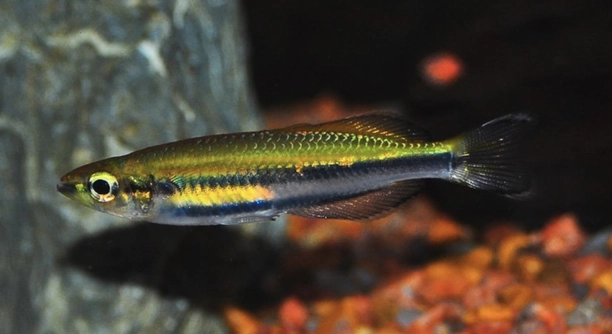
Balancing light and shade in tanks supports healthy growth, calm behavior, and clear viewing. Gentle lighting choices help plants thrive while giving fish comfort, creating a stable environment that feels natural and easy to maintain.
The balance of light and shade in tanks is achieved by controlling intensity, duration, and placement of lighting. Proper distribution reduces stress, prevents algae overgrowth, and supports plant photosynthesis, resulting in stable conditions that promote consistent biological function over time.
Learning how light placement shapes tank health can improve daily care routines and create a more peaceful aquatic display overall.
Adjust Lighting Intensity
I learned early that strong lighting does not always mean better results in a tank. Excessive brightness can stress fish, wash out colors, and encourage algae growth. A balanced intensity supports natural behavior and steady plant development. Using adjustable lights makes this easier to manage. Dimmers allow gradual changes instead of sudden shifts that disrupt routines. Light strength should match tank size, depth, and species needs. Shallow tanks need less intensity than deeper setups. Plants with low light needs thrive under softer settings. Observing fish reactions helps guide adjustments. Calm swimming and open movement signal comfort. Harsh lighting often causes hiding or restlessness. Keeping intensity moderate creates a stable environment that feels predictable. Over time, this approach reduces maintenance demands and improves overall tank appearance without constant intervention or correction. Consistency also builds confidence for keepers, making daily care simpler and reducing the urge to constantly change settings unnecessarily often.
Balanced intensity protects fish health and plant stability. Moderate lighting reduces stress responses, limits algae expansion, and maintains clear visual balance. When intensity aligns with biological needs, tanks remain easier to manage and visually consistent over long periods. This approach minimizes corrections and supports predictable daily care routines for aquariums.
After reducing light strength in my own tanks, I noticed calmer fish and slower algae buildup. Plants adjusted without issue, showing steady growth instead of rapid stretching. Maintenance became less frequent, which helped me enjoy the tank more. Adjustments should be small and spaced over several days. Sudden changes can cause confusion and stress. Watching behavior remains the most reliable indicator. When fish swim openly and rest naturally, lighting is likely appropriate. This method supports balance without relying on constant testing or expensive tools. It also encourages patience and observation rather than quick fixes or reactive decisions during routine care.
Create Natural Shade Zones
Shade zones give fish relief from constant brightness. Plants, rocks, and decor create visual breaks that support comfort. These darker areas mimic natural habitats and reduce tension. A tank with shade feels calmer and more balanced throughout the day. They also help manage light exposure for sensitive species within tanks.
In my experience, adding shade improved behavior almost immediately. Fish used covered areas to rest, while still exploring open spaces. Floating plants softened overhead light and reduced glare. Tall plants along the back created depth and contrast. Hardscape elements like wood provided shelter without blocking circulation. Shade placement should feel intentional, not random. Spreading shaded zones prevents crowding in one area. It also supports social balance among fish. Lighting schedules still matter when shade is present. Too much darkness can limit plant health. The goal is contrast, not dimness. Observing how fish move between light and shade helps fine tune placement. When movement appears relaxed and evenly distributed, balance is likely achieved. This method works across freshwater and planted tanks. It reduces stress indicators and improves visual structure. Over time, shaded layouts feel more natural and require fewer adjustments. This approach also helps aquascaping feel intentional rather than decorative. Visual flow improves when light fades gradually across sections. Fish confidence increases as escape options remain visible. Balanced shade supports long term stability, encourages natural routines, and helps maintain consistent tank conditions with less ongoing effort. Over time, this balance simplifies care decisions and reduces unnecessary adjustments during regular maintenance cycles.
Control Lighting Duration
Lighting duration shapes daily rhythms in a tank. Too many hours increase algae and stress, while short periods limit plant growth. A consistent schedule supports balance. Timers help maintain stability and prevent accidental overexposure that disrupts fish behavior and overall tank conditions over time and simplifies routine care decisions daily.
I set my lights to match natural daylight patterns rather than extended viewing hours. Eight to ten hours worked best across most tanks. Longer cycles encouraged algae growth on glass and leaves. Shorter cycles slowed plant response. Gradual adjustments avoided shock. Timers removed guesswork and reduced inconsistency. When lights turned on and off at the same time daily, fish appeared calmer and more active during lit hours. Plants followed predictable growth patterns. This balance reduced maintenance and limited constant cleaning. Consistency mattered more than perfection. Small changes, spaced apart, delivered better long term stability without constant intervention or added stress.
Duration also affects shaded areas. Even with cover, excessive lighting leaks into darker zones. Reducing total hours allows shade to function properly. Fish use these areas for rest when light cycles feel predictable. Plants adapt without stretching toward light. I noticed fewer signs of fatigue once timing improved. Algae slowed across hard surfaces. Maintenance became more manageable. Short breaks during the day were unnecessary and disruptive. A single, steady cycle worked best. Matching duration with intensity created a smoother balance. Together, they supported stable behavior, cleaner visuals, and healthier growth patterns over time within most freshwater tank setups today overall.
Use Strategic Plant Placement
Plant placement influences how light travels through a tank. Tall plants block strong beams and soften brightness below. Short plants fill open spaces without trapping shade. I position plants based on growth rate and light tolerance. This approach creates gradual transitions instead of sharp contrasts. Balanced placement supports comfort, visual depth, and steady plant health across different zones, reducing stress and improving overall layout balance over time with minimal ongoing adjustment effort required long term.
Strategic planting also helps manage algae and fish behavior. Dense growth near light sources absorbs excess energy before it reaches sensitive areas. This limits unwanted buildup on décor. I avoid clustering all plants in one section. Spreading them evenly improves circulation and keeps shade usable. Fast growing species handle brighter zones, while slower plants remain protected. Trimming maintains shape and prevents complete blockage. Observing how fish move around plants reveals effective placement. When movement flows naturally, layout works. Plants become functional tools rather than decoration. This method reduces reliance on equipment adjustments and supports long term balance with fewer corrections during regular maintenance routines, saving time, lowering stress, and improving consistency across different tank sizes and setups without constant monitoring or frequent layout changes needed.
Position Lights Thoughtfully
Light position affects how evenly a tank is lit. Centered fixtures spread light broadly, while offset placement creates softer zones. Raising lights slightly reduces harsh beams. I adjust height slowly to avoid shock and watch how shadows form across plants, décor, and open swimming areas during daily observation periods carefully.
Poor placement can cause glare and uneven growth. Strong beams often stress fish and bleach colors. I avoid placing lights too close to water surfaces. Even spread encourages calm movement and consistent plant response. Small adjustments often solve issues without changing equipment or schedules during regular tank maintenance routines overall.
Balance Artificial and Ambient Light
Ambient room light influences tanks more than expected. Sunlight from windows increases brightness and algae growth. I position tanks away from direct sun to maintain control. Curtains and blinds help regulate exposure. Artificial lighting should remain the primary source. Mixing uncontrolled light sources disrupts balance. When room light changes daily, fish lose predictable cycles. Keeping ambient levels low allows tank lights to do their job. This approach stabilizes plant growth and limits unwanted shifts. Consistent surroundings support calmer behavior, clearer viewing, and easier adjustments when changes become necessary over long periods with fewer corrective actions needed during standard care routines.
Observe Fish and Plant Responses
Observation confirms whether balance is working. Fish posture, movement, and color reveal comfort levels. Plants show health through steady growth and leaf shape. I rely less on tools and more on daily visual checks. Consistent responses signal stability and reduce unnecessary changes over time across different tank setups overall consistently.
FAQ
How many hours of light should most tanks receive each day?
Most freshwater tanks do well with eight to ten hours of consistent lighting daily. This range supports plant growth while limiting algae buildup. I found that extending light hours for viewing often caused more issues than benefits. Using a timer helps keep the schedule stable and removes guesswork. Consistency matters more than exact timing. When lights turn on and off at predictable hours, fish settle into calmer routines and plants grow more evenly without stretching or discoloration.
Can too much shade harm plants in a tank?
Yes, excessive shade can slow plant growth and cause leaves to weaken. While shade zones are important for fish comfort, plants still need access to usable light. I balance this by placing low light plants in shaded areas and reserving brighter zones for faster growers. Watching plant response helps guide placement. Yellowing leaves or slow growth often signal that shade coverage is too heavy and needs adjustment.
Does tank size change how light and shade should be balanced?
Tank size plays a large role in light distribution. Smaller tanks become overly bright more easily, while deeper tanks need stronger or better positioned lighting. I noticed that shallow tanks required lower intensity and shorter duration. Larger tanks benefited from layered lighting and taller plants. Adjustments should scale with volume and depth. What works in a small setup rarely translates directly to larger systems without modification.
Is natural sunlight helpful for aquariums?
Natural sunlight is unpredictable and difficult to control. While it may seem beneficial, direct sunlight often increases algae growth and causes temperature swings. I avoid placing tanks near windows for this reason. Artificial lighting offers consistency and control. Ambient room light is fine, but it should never replace tank lighting. Stable conditions reduce stress and simplify maintenance over time.
How do I know if my fish are stressed by lighting?
Fish behavior is the clearest indicator. Hiding constantly, darting movements, or faded color often point to lighting issues. When my tanks were too bright, fish stayed near the bottom or behind décor. After softening light and adding shade, movement became calmer and more open. Observing behavior daily provides better guidance than relying only on charts or equipment settings.
Do planted tanks need different lighting balance than fish only tanks?
Planted tanks require more structured lighting to support growth. Light intensity and duration matter more, while shade must be intentional. Fish only tanks allow more flexibility but still benefit from contrast. I found planted tanks worked best when light focused on growth areas, with shaded zones preserved for rest. This balance supported both plant health and fish comfort without constant adjustments.
Should lighting change as plants grow larger?
Yes, plant growth changes how light spreads. Taller plants create new shade and block light from lower areas. I adjust trimming routines instead of increasing intensity. Maintaining shape keeps light balanced without stressing fish. Ignoring plant growth can lead to uneven lighting and crowded shade zones. Regular trimming supports consistency and keeps the original layout functional.
Are expensive lights necessary to balance light and shade?
Expensive equipment is not required. Proper placement, timing, and observation matter more than cost. I achieved stable balance using simple adjustable lights and timers. Understanding how light behaves in the tank reduced the need for upgrades. Simple tools, used correctly, often outperform complex systems that are poorly managed or adjusted too often.
Can changing light too often cause problems?
Frequent changes disrupt routines. Fish and plants adapt slowly, so constant adjustments create instability. I space changes several days apart and observe results before altering anything else. Patience prevents stress and confusion. Once balance is found, minimal changes maintain stability. Overcorrecting usually creates new issues instead of solving existing ones.
Why does algae increase when lighting feels correct?
Algae responds quickly to excess energy. Even when light seems balanced, duration or ambient light may contribute. I reduced algae by shortening light hours slightly and improving shade coverage. Cleaning alone did not solve the issue. Algae control works best when lighting, placement, and duration align with plant needs rather than viewing preferences.
Final Thoughts
Balancing light and shade in tanks is less about precision and more about consistency. Small, thoughtful choices often create better results than constant adjustments. Light influences how fish behave, how plants grow, and how stable the environment feels overall. When lighting is too strong or poorly timed, problems appear quickly. When it is balanced, the tank settles into a steady rhythm. I found that observing daily patterns mattered more than chasing perfect settings. A calm tank usually signals that light and shade are working together. Clear water, relaxed movement, and steady plant growth reflect a system that is not under pressure. Balance reduces the need for frequent changes and allows the tank to maintain itself more naturally. Over time, this approach builds confidence and makes care feel manageable rather than demanding.
Shade should not be treated as an afterthought. It plays an equal role alongside light. Fish rely on shaded areas for rest and security, even in well lit tanks. Plants also benefit from protection when lighting is controlled properly. Creating contrast adds depth and improves how the tank looks and functions. I noticed that tanks with clear light transitions felt calmer and more natural. Fish used all areas instead of crowding into corners. Shade also helps correct minor lighting issues without changing equipment. Adding plants or décor often solves problems faster than increasing or reducing light intensity. This balance supports long term stability and reduces stress for both fish and the keeper. It also makes the tank easier to enjoy without constant monitoring.
Lighting balance improves with patience. Immediate results are rare, but steady progress appears when changes are spaced out and observed carefully. Tools and guides help, but daily observation remains the most reliable method. Fish and plants communicate clearly through behavior and growth. Responding to those signals prevents unnecessary corrections. Over time, patterns become familiar and adjustments feel intuitive. A balanced tank does not require perfection. It requires consistency, awareness, and restraint. When light and shade support each other, the tank becomes easier to maintain and more enjoyable to watch. This approach encourages long term success and creates an environment that feels stable, calm, and sustainable without added complexity or constant intervention.

Hello,
If you enjoy the content that we create, please consider saying a "Thank You!" by leaving a tip.
Every little bit helps us continue crafting quality advice that supports the health, happiness, and well-being of pets around the world, for pets of all shapes, sizes, and species.
We really appreciate the kindness and support that you show us!