
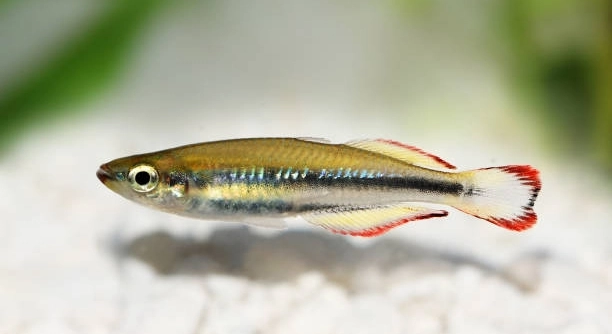
Rainbowfish are small, colorful freshwater fish often kept in home aquariums. Their lively behavior makes them enjoyable to watch, and owners frequently notice them reacting to movements outside the tank in subtle ways.
Rainbowfish are highly responsive to external movement, detecting changes in light and motion through their keen eyesight. This awareness allows them to react quickly to potential threats, changes in their environment, or the presence of people near the tank.
Observing how they respond can help owners better understand their natural instincts and create a more comfortable tank environment for these vibrant fish.
How Rainbowfish See Movement
Rainbowfish have excellent eyesight that helps them notice subtle changes around their tank. Their eyes are positioned to give them a wide field of vision, allowing them to detect motion from multiple directions. Even small shadows or reflections outside the tank can catch their attention. This is why you may see them pause, flick their fins, or swim closer to the glass when someone walks by. They are naturally alert and sensitive to movement, which helps them stay safe in their environment. Lighting also plays a role, as bright lights or shifting sunlight can create reflections that attract their gaze. Over time, owners may notice patterns in their fish’s reactions, such as becoming more cautious or swimming away when specific motions occur. Understanding how they perceive movement can help in arranging the tank and minimizing stress.
They respond to visual cues more than sounds or vibrations. Watching them can feel like a little conversation.
Rainbowfish often explore the areas near the tank when movement is detected. Their reaction is not just curiosity but a survival mechanism inherited from their natural habitats. In the wild, being aware of predators or other fish moving nearby is essential for staying safe. Even in a controlled aquarium, these instincts remain. Observing how they react can help owners anticipate their needs and adjust decorations or hiding spots. Some fish may become accustomed to frequent motion, while others remain skittish. Providing a stable environment with consistent lighting and minimal sudden movements helps them feel secure. Regular interaction without causing stress can also strengthen your ability to read their signals.
Tips to Minimize Stress
Limiting sudden activity near the tank reduces unnecessary reactions from rainbowfish. Keeping lights stable helps too.
Creating a calm tank environment is key to helping rainbowfish feel comfortable and secure. Avoid placing the aquarium in high-traffic areas where frequent movement can startle them. Consistent lighting patterns, like using a timer for tank lights, prevent sudden brightness changes that might cause stress. Providing plants, decorations, and hiding spots allows fish to retreat when they feel threatened or overwhelmed. Some owners gently move their hands near the tank to gradually acclimate their fish to human presence without startling them. Feeding routines can also influence their behavior; feeding at regular times ensures they associate movement near the tank with positive experiences. Observing your fish over time helps identify which areas of the tank feel safe and which might need adjustments. Maintaining water quality and stable temperatures further reduces stress, allowing rainbowfish to swim confidently and display their natural, vibrant behavior.
Signs Rainbowfish Notice Movement
Rainbowfish often hover near the glass when they detect motion. Quick fin flicks or sudden changes in swimming direction are common signals. These reactions show alertness and heightened awareness of their surroundings, reflecting natural instincts from their wild habitats.
Movement outside the tank can make rainbowfish more active or cautious. They may swim closer to inspect the source, or dart to a hiding spot if startled. Even shadows from passing objects or reflections of light can trigger these responses. Over time, repeated exposure to predictable movement can reduce their stress, while sudden, unpredictable motions may keep them on edge. Observing these subtle signs helps understand their personality and comfort level, allowing better tank setup and care.
Sometimes rainbowfish react in small bursts, like flicking fins or slightly turning their body toward movement. Other times, they may pause completely, observing before deciding to swim away. These responses are natural and indicate that they are processing environmental changes. Paying attention to these behaviors helps in creating a stable, low-stress environment. Adjusting tank placement or limiting sudden movement around it can make a significant difference in their daily behavior and overall well-being.
How to Keep Rainbowfish Calm
Keeping the area around the tank steady reduces stress. Avoid sudden motions or bright reflections near the aquarium.
Rainbowfish thrive in predictable surroundings. Placing the tank away from doors, windows, or busy hallways minimizes sudden visual disturbances. Adding plants and hiding spots provides safe zones for them to retreat when they feel uncertain. Gradually introducing new decorations or rearranging the tank slowly helps them adjust without panic. Maintaining consistent feeding times also contributes to a calm atmosphere, associating activity near the tank with positive experiences. Gentle interaction over time can build trust and reduce skittish behavior.
Limiting rapid movements and controlling lighting are crucial for maintaining a peaceful environment. Bright flashes or shadows from outside can trigger alert behavior, causing unnecessary stress. By observing which parts of the tank make fish anxious, adjustments can be made to minimize disturbances. Plants, ornaments, and caves not only decorate the tank but serve as protective areas where fish can hide and feel secure. Over time, stable conditions help rainbowfish swim confidently and display natural behavior, making the aquarium a healthier and more enjoyable space for them.
Common Reactions to Outside Movement
Rainbowfish may quickly swim toward the glass to investigate movement. Small flicks of their fins or sudden changes in position are typical reactions to nearby activity.
They sometimes freeze for a few moments, carefully observing the source of motion. This pause helps them assess whether there is a potential threat or something interesting to explore.
Adjusting Tank Placement
Placing the tank in a quieter area reduces constant stimulation. Avoiding high-traffic zones helps rainbowfish feel secure. Consistent lighting and minimal reflections prevent unnecessary stress, allowing them to move naturally and remain calm. A stable environment promotes healthy behavior and overall well-being.
Subtle Signs of Alertness
Slight changes in swimming speed or direction can indicate that rainbowfish have noticed movement outside the tank. These subtle cues help in understanding their responses and adjusting care accordingly.
Do rainbowfish get scared by people moving around the tank?
Yes, rainbowfish can become startled by sudden movements near their aquarium. Their natural instincts make them alert to potential threats. Fast hand movements, shadows, or sudden changes in lighting often trigger quick swimming or darting into plants. Over time, consistent, calm activity around the tank can help them grow accustomed to human presence and reduce frequent startled responses.
Do rainbowfish notice reflections in the glass?
Rainbowfish are sensitive to light and reflections. Shiny surfaces or sunlight bouncing off the glass can attract their attention, sometimes causing them to investigate or react defensively. Adjusting tank placement or using a background can minimize strong reflections. This helps create a calmer environment where they feel safe and less distracted.
Will my rainbowfish follow movement outside the tank?
They often do, particularly if the movement is consistent or noticeable. Rainbowfish rely heavily on visual cues, so passing shadows or moving objects outside the aquarium can lead them to track the motion along the glass. Their following behavior is usually harmless and reflects their natural curiosity and alertness.
Can too much outside movement stress rainbowfish?
Yes, frequent or sudden activity near the tank can increase stress levels. Stress in rainbowfish can lead to reduced appetite, color fading, or hiding more often. Limiting fast movements, maintaining stable lighting, and providing hiding spots help reduce anxiety and keep them healthier and more active.
Do rainbowfish respond to motion differently at different times of day?
Rainbowfish tend to be more active during daylight hours. Their reactions to outside movement are generally stronger in the morning or afternoon when they are naturally more alert. At night or under dim lighting, their visual sensitivity decreases, so they may respond less noticeably to activity around the tank.
Is it normal for rainbowfish to dart and hide suddenly?
Yes, this is a natural protective behavior. Quick movements or shadows outside the tank can trigger sudden hiding. Providing plants, caves, or decorations gives them places to feel safe. Over time, they learn which areas are secure and may reduce the frequency of sudden hiding as they feel more comfortable.
Do rainbowfish react to household pets moving around?
Pets like cats or dogs walking near the aquarium can cause noticeable reactions. Rainbowfish can interpret larger animals as potential threats, even if they are harmless. Keeping pets at a slight distance and maintaining a calm tank environment helps rainbowfish remain relaxed while still allowing observation.
How can I tell if my rainbowfish is stressed by movement?
Signs include hiding more often, rapid swimming, color fading, or reduced eating. Subtle fin flicks, increased darting, and constant vigilance are other indicators. Observing patterns over time is the best way to distinguish temporary reactions from stress, allowing adjustments to the tank’s surroundings to improve comfort.
Can rainbowfish get used to regular movement outside the tank?
Yes, gradual exposure helps. Repeated, calm presence around the aquarium allows them to learn that certain movements are safe. Over time, they become less reactive to everyday activity, while maintaining natural alertness. This adaptation supports a healthy, confident environment where their behavior is more predictable.
Should I cover my tank to reduce outside distractions?
Partial covers or placing the tank against a less busy wall can reduce sudden visual stimuli. Covering the top slightly or using a background can also minimize reflections and movements from outside. These changes make the aquarium feel more secure, lowering stress levels and allowing rainbowfish to swim freely without constant interruption.
Does feeding time influence how rainbowfish respond to movement?
Yes, rainbowfish often associate activity near the tank with feeding. They may become more alert or swim toward the glass during predictable feeding times. Consistent schedules create positive associations, helping them stay calm during other daily household movements while remaining responsive when it matters most.
Do rainbowfish react differently to children moving around the tank?
Children’s quick and unpredictable movements can cause stronger reactions compared to adults moving calmly. Rainbowfish may dart, hide, or follow the motion more actively. Teaching children to move slowly and avoid tapping the glass helps reduce stress and allows them to observe the fish safely without causing alarm.
How important is tank placement for reducing reactions to movement?
Tank location is crucial. Placing it away from doors, windows, and high-traffic areas limits sudden visual disturbances. Stable lighting and predictable surroundings allow rainbowfish to feel safe, which in turn supports natural behavior, vibrant colors, and overall health. Proper placement is one of the simplest ways to manage reactions.
Do rainbowfish notice motion outside the tank even when they are resting?
Yes, rainbowfish maintain a level of awareness even during rest periods. Subtle changes in light or nearby activity can cause minor reactions. They rarely remain completely oblivious to movement, reflecting their natural alertness and instinctive need to monitor their environment for potential threats.
Can aquarium decorations reduce stress from outside movement?
Absolutely. Plants, rocks, and caves create hiding spots and visual barriers, allowing rainbowfish to retreat when startled. Decorations break up lines of sight, reducing constant exposure to activity outside the tank. This gives them control over when and how to react, promoting calm and confident swimming behavior.
Is it normal for rainbowfish to ignore movement sometimes?
Yes, repeated exposure to familiar movements can lead to habituation. They may choose to ignore minor activity outside the tank, especially if they’ve learned it poses no threat. This selective awareness allows them to conserve energy while remaining responsive to genuinely important changes in their environment.
Do different types of rainbowfish react differently to movement?
Yes, species variations influence sensitivity. Some are naturally bolder and less reactive, while others are more cautious and alert. Observing specific behaviors helps owners tailor tank environments and care strategies, ensuring each type of rainbowfish feels secure and displays its natural, vibrant behavior.
How can I gradually reduce rainbowfish stress from outside activity?
Start with slow, predictable movements near the tank. Maintain a stable environment, provide hiding spots, and use consistent feeding times. Over days or weeks, fish adjust and become less reactive. The key is patience and observing their responses, allowing gradual adaptation while respecting their natural instincts.
Can excessive movement outside the tank affect rainbowfish health?
Chronic stress from constant disturbances can weaken immune responses, reduce appetite, and cause color fading. Maintaining a calm environment, limiting abrupt movements, and providing visual barriers support physical and mental well-being, ensuring rainbowfish remain active, healthy, and vibrant over time.
Rainbowfish are small but highly alert fish that react noticeably to movement outside their tank. Their keen eyesight makes them sensitive to changes in light, shadows, and passing objects. This behavior is natural and comes from instincts developed in the wild, where being aware of predators or other fish was essential for survival. Even in a calm home environment, rainbowfish retain these instincts, which is why they often pause, flick their fins, or swim toward the glass when someone walks by. Observing these behaviors provides insight into how they perceive their surroundings and helps in understanding their daily responses. It also shows that their reactions are not random but purposeful, aimed at evaluating potential threats or investigating something new. By paying attention to these small cues, owners can learn a lot about their fish’s comfort level and personality.
Maintaining a stable and calm environment is important for rainbowfish health and happiness. Placing the tank in a quieter area of the house helps minimize sudden disturbances that may startle them. Consistent lighting, limited reflections, and gentle household movement contribute to a sense of security. Providing plants, rocks, or other decorations offers hiding spots that allow fish to retreat when they feel uncertain or stressed. These areas give rainbowfish control over their environment, which reduces tension and encourages natural behavior. Feeding schedules also play a role, as fish associate regular routines with safety and predictability. Gradually, they can become accustomed to everyday movement near the tank without being constantly alarmed. Creating this balance between stimulation and security ensures they stay active, display vibrant colors, and remain healthy in their home aquarium.
Understanding rainbowfish behavior requires patience and observation. Noticing subtle changes, like brief pauses, slight shifts in swimming direction, or following motion outside the tank, helps owners respond appropriately. Each fish may react differently depending on its personality, past experiences, and species traits. Some may be bold and curious, following movement closely, while others are more cautious and prefer hiding. Recognizing these differences allows for adjustments in tank placement, décor, and daily interactions to suit each fish’s needs. With careful attention and thoughtful care, rainbowfish can thrive in a home aquarium, staying alert yet comfortable. Observing them over time also strengthens the bond between owner and fish, providing insight into their unique behaviors and helping ensure a safe, calm, and enriching environment for these colorful, lively creatures.

Hello,
If you enjoy the content that we create, please consider saying a "Thank You!" by leaving a tip.
Every little bit helps us continue crafting quality advice that supports the health, happiness, and well-being of pets around the world, for pets of all shapes, sizes, and species.
We really appreciate the kindness and support that you show us!