
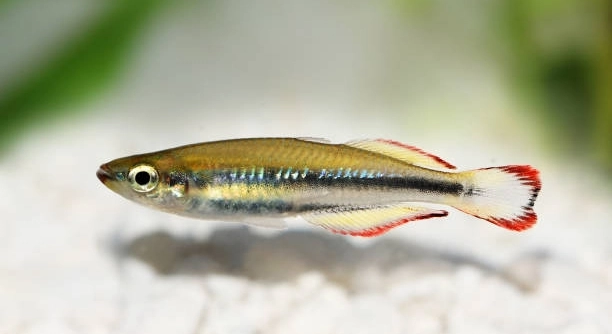
Are your rainbowfish acting jittery and hiding in the corners of the tank more than usual? Sudden movements, changes in lighting, or a new environment can leave these colorful fish feeling stressed and uneasy in their habitat.
Spooked rainbowfish often react to abrupt disturbances, poor water conditions, or overcrowded tanks. Addressing their environment by stabilizing water parameters, reducing sudden changes, and providing hiding spaces can calm their stress and restore normal swimming behaviors effectively.
These practical tips will help you understand why your rainbowfish are nervous and how to make them feel safe again.
Stabilize Water Conditions
Rainbowfish are highly sensitive to changes in water temperature, pH, and hardness. Even small fluctuations can make them skittish or hide more than usual. Regularly checking water parameters and maintaining stable levels is key to keeping them calm. Using a reliable thermometer and test kits helps you monitor the tank consistently. Performing partial water changes weekly can remove harmful toxins and keep the environment safe. Avoid adding too many chemicals at once, as sudden changes can increase stress. Proper filtration is essential to maintain water clarity and remove debris. Adding aquatic plants provides natural cover and reduces anxiety, creating a more secure atmosphere. Observing your fish daily lets you notice early signs of stress before they escalate. Consistent care and attention to detail help rainbowfish feel comfortable and secure. Maintaining balance in their habitat encourages natural behavior and prevents panic or erratic swimming.
Stabilizing water conditions ensures rainbowfish remain healthy and reduces unnecessary stress that can affect their appetite and activity.
A calm tank with stable water levels makes rainbowfish feel secure. They swim more confidently, interact naturally, and display their full coloration. Providing consistent conditions encourages a peaceful environment, helping them adapt quickly if changes occur. Plants and decorations can further enhance comfort and reduce sudden reactions, ensuring long-term well-being.
Reduce Sudden Movements
Sudden movements outside the tank can startle rainbowfish, making them dart or hide. Avoid leaning over the tank or tapping the glass, as these actions cause unnecessary stress.
Minimizing abrupt motions near the aquarium allows rainbowfish to swim without fear. They become more relaxed and interact naturally.
Rainbowfish are easily startled by rapid movements, loud noises, or frequent disturbances near their tank. Even small gestures, like walking quickly past or reaching inside, can trigger panic. Creating a calm environment, standing back while observing, and moving slowly when feeding helps them adjust comfortably. Over time, the fish recognize that no danger is present, reducing constant hiding or erratic swimming. Maintaining a predictable routine for feeding and tank maintenance also lowers stress. By combining careful handling with a quiet setting, rainbowfish can regain confidence and exhibit normal behavior. A steady, peaceful environment encourages them to explore their tank, interact with other fish, and display their natural vibrant colors without fear or tension.
Provide Hiding Spots
Adding plants, rocks, or decorations gives rainbowfish safe spaces to retreat when they feel nervous. Even small caves or dense plant clusters can make a big difference in reducing their stress and helping them feel secure.
Rainbowfish naturally seek cover when stressed, so placing live or artificial plants strategically around the tank creates a comforting environment. Floating plants can also provide shade, reducing bright light exposure that may make them anxious. Decorations with smooth surfaces prevent injuries while allowing fish to explore. Avoid overcrowding the tank with too many items, as this can restrict swimming space and increase tension. The goal is to balance hiding areas with open swimming zones so rainbowfish can move freely yet feel protected. Observing which spots they use most can guide future tank adjustments.
Consistent access to hiding spots lowers stress levels and promotes natural behavior. Rainbowfish are calmer, explore the tank more confidently, and show off their colors without feeling threatened.
Maintain a Consistent Feeding Schedule
Feeding rainbowfish at the same times each day helps them feel secure and reduces anxiety. Irregular feeding can make them nervous and hesitant to eat.
A steady feeding routine reassures rainbowfish that food is predictable and reliable. Use small portions multiple times a day rather than one large meal to avoid water pollution and overeating. Vary their diet with high-quality flakes, pellets, and occasional live or frozen food to meet nutritional needs and maintain interest. Remove uneaten food promptly to prevent water quality issues that could increase stress. Overfeeding can cause obesity or digestive problems, further affecting their behavior. Tracking feeding times and portions keeps their health in check. Maintaining consistency also reduces aggressive competition among tank mates, creating a calmer environment.
Balanced feeding practices improve overall well-being. Rainbowfish gain energy, remain active, and are less likely to panic or hide, resulting in a healthier, happier tank atmosphere.
Limit Tank Overcrowding
Too many fish in one tank can stress rainbowfish and lead to constant hiding or erratic swimming. Maintaining an appropriate number of fish ensures they have enough space to swim and feel secure.
Overcrowding increases competition for food and territory, raising stress levels. A spacious tank with fewer fish allows rainbowfish to display natural behaviors, interact calmly, and reduce aggressive encounters.
Control Lighting
Bright or fluctuating lights can startle rainbowfish and make them skittish. Using consistent, moderate lighting helps them adjust comfortably.
Rainbowfish respond best to a regular light cycle that mimics natural day and night patterns. Sudden bright lights or frequent changes can trigger panic and hideaways. Installing a timer ensures predictable lighting, creating a calm environment that supports their natural rhythm and reduces stress.
Keep a Quiet Environment
Loud noises or vibrations near the tank can make rainbowfish nervous and prone to sudden movements.
Minimizing sudden sounds and activity around the aquarium helps them stay calm. Placing the tank in a quieter area reduces stress, letting the fish swim and interact without fear.
FAQ
Why are my rainbowfish hiding all the time?
Rainbowfish hide when they feel unsafe or stressed. Common causes include sudden changes in water temperature, poor water quality, bright lighting, or overcrowding. Providing hiding spots like plants and decorations helps them feel secure, while stabilizing water conditions reduces anxiety and encourages natural swimming behavior.
How can I tell if my rainbowfish are stressed?
Signs of stress include rapid swimming, clamped fins, hiding frequently, loss of appetite, or pale coloration. Watching for these behaviors daily allows you to address issues early. Maintaining a calm environment with stable water and consistent feeding reduces stress effectively.
Can sudden noises really affect rainbowfish?
Yes, loud noises, vibrations, or tapping on the glass can startle rainbowfish. Even small disturbances near the tank can trigger panic. Placing the tank in a quiet area and limiting abrupt movements helps them remain calm and behave naturally.
How often should I change the water?
Partial water changes of about 20-25% weekly help maintain healthy water parameters. This removes toxins and prevents buildup that can stress rainbowfish. Always treat tap water with a conditioner before adding it to the tank to protect fish from chlorine and harmful chemicals.
Do rainbowfish need a special diet?
Rainbowfish thrive on a varied diet. High-quality flakes or pellets should be the main food, supplemented with live or frozen options like brine shrimp or daphnia. Feeding small portions multiple times a day keeps water clean and ensures all fish receive enough nutrition.
Is tank size important for rainbowfish?
Yes, overcrowding stresses rainbowfish and limits their swimming space. A tank of at least 30 gallons for a small group provides enough room for movement, reduces aggression, and allows hiding spots without making the tank feel cramped.
Can tank decorations reduce stress?
Decorations, plants, and caves give rainbowfish secure areas to retreat. These hiding spots are essential for reducing anxiety and promoting natural behavior. Balance is important—too many decorations can limit swimming space, while too few can leave fish feeling exposed.
How long does it take for rainbowfish to calm down?
With consistent care, rainbowfish usually adjust within a few days to a week. Providing stable water conditions, consistent feeding, hiding spaces, and a quiet environment helps them regain confidence and exhibit normal behavior and coloration.
Should I adjust the lighting for rainbowfish?
Yes, rainbowfish prefer moderate, consistent lighting. Sudden bright lights or frequent changes can stress them. Using a timer to mimic natural day and night cycles ensures a predictable environment that supports healthy activity and reduces hiding behaviors.
Can overcrowded tanks cause illness?
Overcrowding increases stress and the risk of disease. Stressed rainbowfish are more vulnerable to infections. Ensuring enough space, stable water, and regular cleaning minimizes illness and keeps the fish healthy and active.
How do I introduce new rainbowfish without causing stress?
Acclimate new fish slowly by floating their bag in the tank to match temperature, then gradually mix small amounts of tank water over 30-60 minutes. Avoid overcrowding and provide extra hiding spots to help both new and existing fish adjust safely.
Are rainbowfish social animals?
Yes, rainbowfish are schooling fish and feel more secure in small groups. Keeping them in compatible groups reduces stress, encourages natural swimming patterns, and allows them to display their vibrant colors more confidently.
What should I avoid to keep rainbowfish calm?
Avoid sudden movements, loud noises, inconsistent feeding, rapid water changes, and overcrowding. These factors trigger stress and erratic behavior. Focus on stable conditions, gentle handling, and providing hiding spaces to maintain a peaceful tank environment for your rainbowfish.
How do I know if my rainbowfish tank is balanced?
A balanced tank has clear water, stable temperature and pH, and calm fish exhibiting natural swimming behavior. Regular testing, partial water changes, and observing fish behavior help ensure a healthy, stress-free environment where rainbowfish can thrive naturally.
Final Thoughts
Rainbowfish are sensitive and beautiful creatures that need a calm, stable environment to thrive. Their bright colors and active swimming make them enjoyable to watch, but stress can quickly affect their health and behavior. Small changes in their surroundings, such as water temperature, lighting, or sudden movements, can make them hide, dart around, or become hesitant to eat. Providing consistent care and observing their daily behavior is essential for keeping them happy. Regular water testing, partial water changes, and maintaining a clean tank all contribute to a stable environment where rainbowfish feel safe. Over time, these habits help prevent stress-related illnesses and encourage the fish to display their full, vibrant colors.
Hiding spots and decorations play an important role in creating a secure atmosphere. Plants, rocks, and small caves give rainbowfish places to retreat when they feel nervous. Balancing these areas with open swimming space is key. Too many decorations can restrict movement and cause tension, while too few can leave fish feeling exposed. Consistent lighting and a quiet environment further support their well-being. Loud noises or frequent disturbances can startle them, so placing the tank in a calm area of your home is beneficial. Feeding routines also make a difference. Providing small, balanced meals at the same times every day helps rainbowfish feel secure and reduces competition for food, creating a more peaceful tank.
Understanding rainbowfish behavior takes patience and attention, but the effort is worthwhile. Watching them explore, interact with other fish, and swim confidently is a sign of a healthy, stress-free environment. Simple steps like stabilizing water conditions, reducing sudden movements, and offering hiding spaces can have a significant impact on their comfort. Maintaining proper tank size, avoiding overcrowding, and providing a varied diet all contribute to long-term health. By paying attention to these factors, you create a stable and nurturing home for your rainbowfish. Over time, you’ll notice them become more active, colorful, and confident, which makes caring for them a rewarding and enjoyable experience.

Hello,
If you enjoy the content that we create, please consider saying a "Thank You!" by leaving a tip.
Every little bit helps us continue crafting quality advice that supports the health, happiness, and well-being of pets around the world, for pets of all shapes, sizes, and species.
We really appreciate the kindness and support that you show us!