
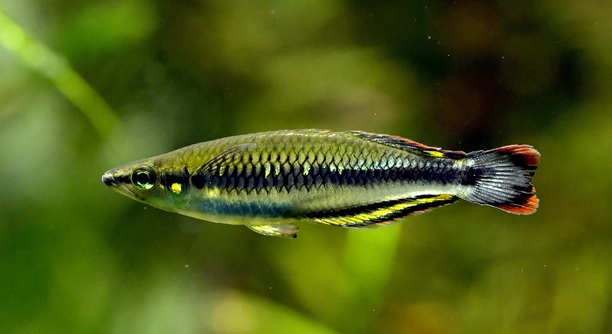
Keeping rainbowfish comfortable matters to me as an aquarist, since calm fish show brighter colors and healthier behavior. This article introduces simple ways to notice comfort signals and reduce stress inside a home aquarium setup.
The comfort level of rainbowfish is best evaluated through consistent observation of swimming patterns, coloration, feeding response, and social interaction. Stable water parameters and low aggression indicate proper environmental conditions, supporting physiological balance, reduced stress hormones, and health over time.
Clear signs, subtle changes, and daily habits come together to guide better care and lasting success with rainbowfish at home.
Observe Swimming Patterns
I pay close attention to how rainbowfish move through the tank because swimming behavior reflects comfort. Relaxed fish glide smoothly, change direction with ease, and use all tank levels. When stress appears, movement becomes jerky, rushed, or limited to corners. Schooling behavior also matters, since balanced groups swim together without constant chasing. If one fish hides or separates often, something feels off. Lighting, noise, and sudden changes can all influence movement. I have learned that giving them stable routines helps restore calm. Watching daily, even briefly, builds familiarity with normal behavior. This makes it easier to notice small shifts early and respond before stress grows into illness. Over time, this habit has improved my confidence and reduced unnecessary adjustments that once caused confusion inside the aquarium. It reminds me patience often matters more than constant interference when caring for sensitive species like rainbowfish in a shared home environment daily routines.
Healthy swimming usually pairs with open fins and even breathing. These details support movement observations and help confirm comfort. When fins clamp or breathing speeds up, I slow changes and review conditions. Small corrections made early often prevent long term stress from becoming harder to manage later on inside tanks.
Swimming comfort improves when tank space suits group size and decor offers gentle flow paths. I avoid overcrowding and sharp obstacles, since both disrupt natural movement. Plants and driftwood create visual breaks without trapping fish. Consistent temperatures and clean water support muscle function and stamina. Over time, comfortable swimming builds confidence, encourages social balance, and supports feeding response. These signs together give a reliable picture of overall well being without relying on equipment alone. They help me decide when to act calmly rather than react quickly to minor changes in behavior patterns observed each week at aquariums setups I maintain.
Monitor Feeding Behavior
Feeding time reveals comfort clearly because relaxed rainbowfish eat steadily and compete gently. Hesitation, spitting food, or ignoring meals signals unease. I watch each fish, not just the group, since individuals often show stress first during feeding routines especially when conditions change or new tank mates are introduced slowly together.
I keep feeding schedules consistent because predictability supports comfort. Quality food offered in proper amounts reduces competition and waste. When rainbowfish feel safe, they approach food quickly and maintain color while eating. Pale tones or frantic motion suggest pressure within the tank. I avoid sudden diet changes, choosing gradual shifts instead. Observation during feeding helps me link appetite with other factors like lighting, water flow, and group balance. If one fish eats less, I look for subtle social tension rather than assuming sickness immediately. Adjusting portions, spacing food across the surface, and removing leftovers improves calm behavior. Over time, these habits create a stable rhythm that benefits digestion and reduces stress. Feeding becomes both nourishment and a daily check on comfort, allowing timely adjustments that support long term health without constant disruption. I have found this approach limits unnecessary handling and keeps my focus on observation rather than frequent intervention. Calm feeding periods reflect trust in the environment, which builds gradually through patience, routine, and stable care practices applied consistently over months, not days, supporting resilience and balance across the entire tank system at home setups I manage with care and attention given daily without rushing changes too quickly often.
Check Coloration
Rainbowfish display comfort through vibrant, even coloration. Dull, faded, or patchy colors often indicate stress, poor water quality, or illness. I notice small changes early and adjust lighting, diet, or water parameters to restore brightness and balance naturally over time.
Strong coloration reflects health, calm, and proper nutrition. When my rainbowfish maintain bright colors consistently, I know the tank conditions support their well-being. Pale shades often appear when water temperature fluctuates or the tank is too noisy. I make minor adjustments slowly, like adding plants for shade or moving decorations to reduce stress. These changes help rainbowfish regain confidence and display normal behavior. Watching color patterns daily allows me to track both individual fish and group harmony, helping prevent prolonged stress or aggression.
Color intensity also relates to social comfort. When fish feel secure in their environment, they display richer patterns while interacting with others. I have observed that overcrowding or frequent rearrangements dull colors quickly. Gradual, consistent routines and stable water chemistry help maintain vibrancy. Balanced feeding with high-quality flakes or frozen foods enhances natural hues. Over time, color becomes a reliable indicator, allowing me to make thoughtful adjustments without overreacting. This approach gives me confidence that the tank environment meets both physiological and social needs of rainbowfish regularly.
Observe Social Behavior
Rainbowfish show comfort when they interact calmly and swim in groups naturally. Aggressive chasing or constant hiding indicates stress or imbalance in the tank. I watch interactions closely to maintain harmony and intervene if needed.
Social dynamics provide key insight into comfort. Fish that school properly share space without constant conflict, and shy individuals gradually participate without fear. When I notice bullying or isolation, I review tank setup, décor, and group composition. Adjusting hiding spots, spacing, or water flow often restores calm behavior. Over time, I track patterns to anticipate tension before it escalates.
Stable social behavior comes from proper group size, compatible tank mates, and adequate territory. I avoid overcrowding and provide plants or driftwood for breaks, allowing fish to retreat when needed. Consistent feeding and gentle routines reduce competition, reinforcing calm interactions. Monitoring social behavior helps me assess comfort over weeks rather than hours, as subtle shifts often indicate long-term stress. By observing groups carefully, I maintain balance, prevent aggression, and ensure all rainbowfish remain healthy and confident in the tank environment daily.
Watch for Hiding Spots
Rainbowfish use hiding spots when they feel uneasy. Frequent hiding may indicate stress, poor water quality, or aggressive tank mates. I pay attention to how often fish retreat and adjust the environment accordingly to improve comfort.
Providing proper cover like plants or driftwood reduces stress and encourages natural behavior. I make sure hiding places are evenly spread so all fish have access.
Track Breathing Rate
Normal breathing is steady and relaxed. Rapid gill movement or gasping at the surface often signals stress, low oxygen, or poor water conditions. I monitor breathing daily to catch issues early.
Consistent breathing shows fish are comfortable and healthy. I adjust aeration, water flow, or temperature when needed. Monitoring this helps maintain long-term well-being and prevents avoidable health problems.
Maintain Water Parameters
Stable water conditions are critical for rainbowfish comfort. I regularly test pH, temperature, and hardness to ensure they remain within optimal ranges. Sudden changes can stress fish quickly. Proper maintenance keeps their environment predictable and safe.
Observe Interaction with Tank Decor
Rainbowfish explore plants, rocks, and decorations when relaxed. Avoiding or ignoring decor often shows discomfort or fear. I rearrange elements carefully to promote confidence and natural behavior.
How can I tell if my rainbowfish is stressed?
Stress in rainbowfish often shows through behavior and physical changes. I notice if my fish hide frequently, swim erratically, or remain in corners for long periods. Color fading or clamped fins are also clear indicators. Sudden aggression between tank mates or reluctance to eat signals tension. Regular observation helps catch stress early so I can adjust water conditions, tank layout, or social groupings. Monitoring small details, like breathing patterns or minor color changes, often prevents larger health issues. Stress usually appears gradually, so consistent attention is key to keeping rainbowfish comfortable and calm.
What is the best way to keep rainbowfish comfortable in a community tank?
Comfort in a community tank depends on space, compatible species, and hiding opportunities. I make sure the tank isn’t overcrowded and choose fish with similar temperaments. Plants, rocks, and driftwood create natural barriers, reducing conflicts. I maintain stable water conditions, including temperature, pH, and oxygen levels, because sudden shifts can trigger stress. Feeding routines are consistent to prevent competition and ensure all fish receive adequate nutrition. Over time, I observe schooling behavior, social interactions, and color vibrancy to gauge comfort. Adjustments are made gradually, allowing fish to acclimate naturally without abrupt changes that might disturb harmony.
How often should I check water parameters for rainbowfish?
I check basic water parameters like temperature, pH, and hardness at least once a week. Ammonia, nitrite, and nitrate levels are tested more frequently in new or heavily stocked tanks. Consistent monitoring prevents sudden fluctuations that can stress rainbowfish. Regular partial water changes help maintain optimal conditions. I have found that keeping a log of readings over time makes it easier to detect trends before they become problems. This routine ensures that the environment remains predictable, which is essential for both comfort and long-term health.
Can rainbowfish become comfortable with new tank mates quickly?
Rainbowfish usually adjust gradually to new tank mates. I introduce newcomers slowly and monitor interactions closely. Initially, I watch for chasing, hiding, or fin nipping. Placing new fish in a separate enclosure or using a divider helps them acclimate without immediate conflict. Over time, once schooling and feeding behaviors normalize, the group shows comfort and cohesion. Patience and careful observation are crucial; forcing interaction too quickly often increases stress rather than easing it.
What role does diet play in rainbowfish comfort?
Diet significantly affects rainbowfish comfort and overall health. I provide a balanced mix of high-quality flakes, frozen foods, and occasional live treats to ensure proper nutrition. Skipping meals or offering low-quality food can lead to stress, reduced coloration, and weakened immune systems. Consistent feeding schedules reduce competition and allow shy individuals to eat without fear. Proper diet supports vibrant colors, active swimming, and healthy social interactions, all of which indicate a comfortable environment. I have noticed that small adjustments in feeding routines often improve confidence and overall calmness in the tank.
How do lighting and tank environment affect comfort?
Lighting and tank environment strongly influence comfort levels. I use moderate, consistent lighting that mimics natural daylight cycles. Bright or flickering lights often stress rainbowfish, causing hiding or erratic swimming. Adequate plant coverage and safe decorations create shelter and resting areas, which support calm behavior. I avoid sudden rearrangements, keeping the environment predictable so fish can establish territories and routines. Stable conditions reduce stress hormones and improve coloration, appetite, and social cohesion. Observing how rainbowfish respond to light and decor helps me fine-tune their habitat for optimal comfort.
Is it normal for rainbowfish to hide frequently?
Hiding is natural, but excessive retreat may indicate stress or poor conditions. I pay attention to how often and how long fish hide. If hiding becomes frequent or prolonged, I check water quality, tank mates, and environmental stressors. Providing balanced cover, gentle flow, and consistent routines usually encourages fish to explore confidently. Gradual changes allow them to feel secure without forcing exposure. I have seen shy rainbowfish become more outgoing over weeks once environmental adjustments are made carefully, which reinforces comfort and promotes healthier behaviors in the long term.
How long does it take for rainbowfish to adjust to a new tank?
Adjustment time varies, but I typically observe two to four weeks for rainbowfish to settle. During this period, I monitor swimming, feeding, color, and social behaviors. Gradual acclimation, consistent water parameters, and proper hiding spaces help reduce stress. Rushing changes or frequent disturbances prolong adaptation. Watching daily routines closely allows me to identify early signs of discomfort and intervene without causing further stress. With patience, most rainbowfish develop confidence, school naturally, and display bright coloration, signaling that they are comfortable in their new environment.
Can I improve comfort without changing the tank setup?
Yes, small adjustments can significantly enhance comfort. I focus on water stability, feeding consistency, and monitoring social interactions. Minor rearrangements of plants or driftwood, without drastic changes, create better flow and reduce tension. Adjusting light schedules or aeration gradually also helps. Even simple actions, like spacing food or removing leftover waste, improve well-being. Over time, these steps support calm, healthy, and confident rainbowfish, proving that comfort often depends on subtle management rather than complete overhauls.
Rainbowfish comfort is closely tied to their environment, daily routines, and interactions with both tank mates and surroundings. Over time, I have realized that observing small details can tell me more than any equipment reading. Watching swimming patterns, color changes, and social behavior gives a clear picture of their well-being. Calm, confident fish that swim smoothly, interact naturally, and display vibrant colors are generally healthy and comfortable. On the other hand, sudden hiding, clamped fins, or faded colors often indicate stress or an environmental imbalance. Paying attention to these signs helps me make thoughtful adjustments before problems escalate. It also reminds me that consistency matters more than frequent changes, and patience is often the best tool for promoting comfort.
Maintaining water parameters, feeding schedules, and tank décor plays a significant role in supporting rainbowfish. I have found that stable water chemistry, including proper pH, temperature, and hardness, creates a predictable environment that reduces stress. Consistent feeding routines ensure all fish get enough nutrition while preventing competition or aggressive behavior. Providing plants, driftwood, and other hiding spots helps create safe areas for shy or stressed individuals. Overcrowding or sudden rearrangements can upset the balance, so I take care to make gradual adjustments rather than abrupt changes. By combining these efforts, I can encourage healthy swimming, social cohesion, and confidence in each fish. This approach allows me to maintain a stable environment where rainbowfish can thrive naturally over the long term without unnecessary interference.
Observing, adjusting, and maintaining routines has taught me that rainbowfish comfort is a continuous process rather than a single task. Regular attention to their behavior and environment allows me to catch early warning signs of stress or discomfort. Small, consistent actions, like checking water, spacing food properly, or adding gentle cover, build trust and stability within the tank. Over time, these habits not only improve fish health but also enhance the overall enjoyment of keeping an aquarium. Watching rainbowfish swim confidently, interact calmly, and display bright colors is rewarding, and it reflects the care and attention invested in their habitat. Focusing on observation, stability, and gradual improvement ensures that comfort remains a priority, supporting long-term health and well-being for every rainbowfish in the tank.

Hello,
If you enjoy the content that we create, please consider saying a "Thank You!" by leaving a tip.
Every little bit helps us continue crafting quality advice that supports the health, happiness, and well-being of pets around the world, for pets of all shapes, sizes, and species.
We really appreciate the kindness and support that you show us!