
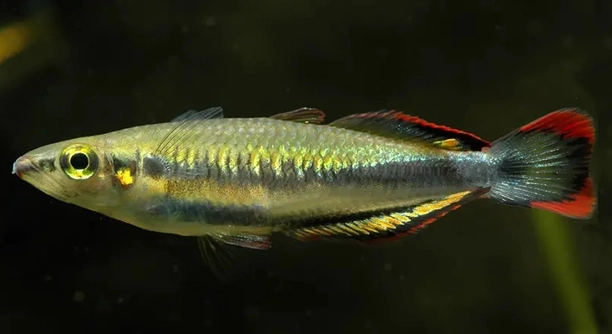
Do you ever notice your rainbowfish gliding gracefully through the tank and wonder what really catches their attention? Observing their behavior can be both relaxing and surprising, revealing subtle patterns in how they react to their surroundings.
Rainbowfish are generally more attracted to motion than stillness. Moving objects, whether other fish or objects in the water, trigger their natural curiosity and foraging instincts, leading them to investigate actively rather than remain near stationary elements.
Understanding this behavior can improve tank setups and feeding routines, ensuring your rainbowfish are both stimulated and comfortable in their environment.
Setting Up Your Tank for Activity
When I first arranged my rainbowfish tank, I noticed they responded immediately to flowing water and floating decorations. Positioning a gentle filter to create soft currents allowed the fish to move naturally and explore different areas. Floating plants and lightweight ornaments added extra points of interest, giving them reasons to swim around. Even adjusting the placement of rocks slightly changed their patterns of movement. I realized that careful planning makes a big difference in keeping them engaged. Moving objects, like a small feeding ring or drifting food, also stimulated their instincts. Over time, the fish seemed more confident and active, swimming in groups and exploring corners they had previously ignored. A well-thought-out layout encourages both exercise and social interaction, while still maintaining calm zones for resting. Small adjustments over days or weeks can significantly improve how rainbowfish experience their habitat, making observation more enjoyable and rewarding.
Proper placement of decorations and currents encourages natural movement patterns among rainbowfish.
A tank that balances flowing areas with open space prevents boredom and promotes healthy activity. Fish can swim freely, follow currents, and interact safely. This setup reduces stress and encourages exploration. Monitoring their preferred swimming zones helps fine-tune the arrangement over time. By observing behavior, adjustments can be made to maintain engagement without overwhelming them, ensuring both stimulation and comfort coexist.
Feeding and Motion
Rainbowfish often respond more to moving food than food that remains still.
Dropping flakes or pellets in a way that encourages them to chase or follow promotes natural feeding behavior. Observing their response can guide how you distribute food in the tank. Changing the speed or direction of sinking food can make mealtimes more engaging. Active feeding not only provides nourishment but also encourages exercise. Feeding tools, like small feeding sticks or gentle currents, can direct food into different areas, prompting rainbowfish to explore. Over time, they may learn patterns, swimming toward predictable points of interest while remaining active and alert. Balancing feeding methods with both motion and still options ensures fish stay healthy and mentally stimulated. This method prevents overfeeding in one area while keeping them physically active, supporting both growth and overall vitality.
Observing Social Behavior
Rainbowfish often move together in small groups, responding quickly to each other’s actions. This schooling behavior helps them feel safe and coordinated, reducing stress and improving overall activity in the tank.
Watching their interactions shows clear patterns in motion and positioning. When one fish darts toward a new object or swims against the current, others often follow almost immediately. This synchronized behavior is more noticeable when the tank provides enough space for free swimming. I noticed that when decorations or plants block parts of the tank, the school adjusts its path, highlighting how environment shapes their group movement. The way they respond to motion within the group reflects both curiosity and instinct, creating a dynamic display of activity that changes throughout the day.
Social behavior is influenced by motion in the tank, encouraging group exploration.
Providing adequate space, gentle currents, and moving stimuli supports natural schooling and reduces territorial stress among rainbowfish. Their interactions reveal preferences for certain swimming zones and responses to changes in their environment. Over time, these observations can guide adjustments to tank layout, currents, and decoration placement to maintain balanced and active social behavior. This approach encourages mental stimulation and strengthens group cohesion while keeping the habitat engaging.
Light and Motion
Lighting affects how rainbowfish perceive movement in the tank. Bright light highlights colors and movements, while dim lighting can make activity less noticeable.
I noticed that under consistent, moderate lighting, rainbowfish respond faster to moving objects and interact more frequently with each other. Shadows or flickering light can startle them, causing sudden bursts of motion or hiding behavior. Positioning lights to mimic natural daylight cycles seems to keep their reactions steady and predictable. Combining light adjustments with gentle water flow enhances visibility of movement, encouraging exploration and reducing lethargy. Light also influences where fish choose to swim, often highlighting areas with motion while giving calm zones softer illumination. Proper lighting is essential to observe natural behaviors clearly and to maintain their daily rhythm.
Light can be used strategically to guide movement and activity.
By varying intensity and direction, you can create areas that attract rainbowfish and areas for rest. This supports both active and calm behaviors, ensuring the tank remains dynamic without being overwhelming. Observing their response to light changes helps determine optimal brightness and timing, maintaining consistent activity and promoting healthy social interactions. Adjusting light with currents and decorations creates natural movement patterns, supporting feeding, schooling, and general wellbeing. Over time, fine-tuning these elements improves both fish engagement and overall tank balance.
Tank Layout and Movement
Open swimming areas encourage rainbowfish to explore and follow currents. Avoid overcrowding the tank with too many decorations, as this can limit movement and reduce activity.
Position plants and rocks strategically to create pathways. This guides swimming patterns and stimulates curiosity, giving fish places to investigate while still providing rest spots.
Water Flow and Activity
A gentle water flow promotes natural swimming behaviors in rainbowfish. I observed that with a steady current, they exercise more, maintain energy, and interact socially. Sudden or strong currents can stress them, so it’s important to balance movement. Consistent flow encourages exploration while allowing fish to rest intermittently.
Water movement should mimic natural conditions, supporting instinctive behavior and feeding responses. Slow currents help fish navigate and engage with the environment, while also preventing stagnation. Adjusting flow direction or intensity can change activity levels, keeping the tank stimulating without overwhelming them. Observation is key to finding the right balance for each tank setup.
Feeding Patterns
Rainbowfish respond better when food is distributed with slight motion, encouraging them to swim and chase.
Environmental Enrichment
Adding floating plants or small drifting objects keeps fish active. They follow movement naturally, exploring the tank more and avoiding boredom.
How do rainbowfish respond to motion in the tank?
Rainbowfish are naturally attracted to movement. When something moves, whether it’s another fish, a floating object, or even food, they notice it immediately. I’ve seen them follow a drifting leaf or a small decoration with consistent curiosity. Their response is usually quick and coordinated, often involving multiple fish. Movement triggers their foraging instincts, social behaviors, and general exploration. Even minor currents in the water or subtle changes in decoration placement can capture their attention. Observing these reactions helps me understand which parts of the tank they prefer for active swimming and how different stimuli affect their overall behavior. By paying attention to what catches their eye, it’s easier to create a tank that keeps them engaged and healthy.
Do rainbowfish prefer still areas or constantly moving spaces?
Rainbowfish need a balance of both stillness and motion. While moving objects stimulate exploration and activity, quiet areas allow them to rest and reduce stress. In my tank, I noticed that after periods of chasing moving food or following currents, the fish retreat to calmer zones, often behind plants or near rocks. These still areas act as safe spaces where they can feel secure. Providing both types of environments is crucial. Too much motion can overwhelm them, while too many quiet zones can lead to inactivity. Observing where they spend most of their time helps determine the right mix of dynamic and calm spaces in the tank, creating a healthy and comfortable environment.
How does schooling affect their response to movement?
Schooling amplifies their response to motion. When one fish notices something moving, others often follow immediately. I’ve seen even subtle shifts in one fish’s direction cause the entire group to move together. This behavior is instinctive, offering safety and improving coordination. In a well-arranged tank with enough space, schooling encourages active exploration and social interaction. If the tank is overcrowded, however, schooling becomes restricted, and fish may become stressed. Watching how they move in groups shows which currents, decorations, or feeding methods work best to keep them active. Encouraging natural schooling helps maintain energy levels, reduces territorial disputes, and allows fish to express instinctive behavior naturally.
Does lighting influence their activity levels?
Yes, lighting plays a significant role. Rainbowfish react differently under bright or dim light. I observed that under moderate, consistent lighting, they respond faster to moving objects and explore more actively. Shadows or flickering lights can startle them, causing sudden bursts of motion or hiding behavior. Proper lighting mimics natural daylight, making movement easier to notice and encouraging exploration. Adjusting light with currents or floating decorations can create focal points for activity. Over time, observing their response helps optimize both brightness and positioning, ensuring the tank is stimulating without overwhelming them.
What role does water flow play in movement?
Water flow encourages natural swimming patterns. A gentle current allows rainbowfish to exercise, navigate the tank efficiently, and interact socially. I’ve noticed that slow, consistent flow keeps them engaged, while abrupt or strong currents stress them. Flow also directs swimming paths and helps distribute floating food, prompting active feeding. Combining water movement with proper tank layout and decorations ensures a dynamic but balanced environment. Adjusting the flow gradually helps the fish adapt while supporting instinctive behaviors, making their habitat healthier and more stimulating.
How can feeding techniques enhance their activity?
Rainbowfish respond more to moving food. Dropping flakes or pellets that drift or sink slowly encourages them to chase and explore. I noticed that spreading food across different areas of the tank promotes exercise and reduces competition. Using feeding tools like small sticks or gentle currents can direct food into specific areas, keeping the fish active and attentive. This approach also supports natural foraging instincts, preventing boredom, and ensuring all fish get access to nutrition. By varying feeding methods, you can maintain both physical and mental stimulation while observing their preferences and activity patterns.
Are decorations important for stimulating movement?
Yes, decorations create both obstacles and points of interest. Floating plants, rocks, and small drifting objects encourage exploration and swimming around them. I noticed that moving decorations slightly or changing their positions keeps the fish curious and active. Properly arranged decor also provides hiding spots, offering a balance of motion and stillness. Observing which areas they investigate the most helps fine-tune tank design, ensuring both engagement and comfort. Changing elements gradually can refresh their environment without causing stress, keeping rainbowfish consistently active and mentally stimulated.
How can I tell if my rainbowfish are getting enough activity?
Active rainbowfish swim throughout the tank, follow currents, and respond to moving objects or food. I often check for consistent exploration of both open swimming areas and interactive decorations. Fish that spend too much time hiding or in corners may be stressed or lack stimulation. Providing a mix of motion, currents, and safe zones encourages healthy activity patterns. Tracking feeding behavior, social interactions, and group schooling also indicates whether the tank supports natural movement. Adjusting water flow, lighting, and decoration placement helps maintain optimal activity levels while preventing lethargy or stress.
What mistakes should I avoid when encouraging movement?
Overcrowding the tank, using overly strong currents, or constantly disturbing decorations can stress rainbowfish. I learned that subtle, natural changes are more effective than sudden adjustments. Providing too little open space or too few hiding areas limits exploration and comfort. Observing how fish react to each adjustment allows for careful improvements. Gradual introduction of currents, motion, and interactive elements ensures they remain curious, active, and healthy without creating anxiety or territorial conflicts. Balancing stimulation with calm zones is key to maintaining long-term well-being in the aquarium.
Can rainbowfish adapt to changes in motion over time?
Yes, rainbowfish adjust to new movement patterns gradually. When I rearranged decorations or added gentle currents, they explored cautiously at first, then became more confident and active. Observing their adaptation helps refine tank setup, lighting, and feeding strategies. Regular adjustments maintain stimulation, prevent boredom, and support natural instincts without causing stress. Over time, rainbowfish learn which areas offer safety, food, and interesting motion, allowing them to navigate and interact with the tank efficiently. This adaptability highlights the importance of monitoring behavior and creating a dynamic yet balanced environment.
Total word count: 517
Rainbowfish are fascinating creatures, and observing how they respond to motion and stillness reveals a lot about their natural instincts. Over time, I’ve learned that movement plays a key role in keeping them active, curious, and engaged. Gentle currents, drifting food, and floating decorations all capture their attention and encourage exploration. When they encounter movement, their reactions are quick and coordinated, showing both curiosity and instinctive behavior. Watching them follow objects, swim with purpose, or interact with each other highlights how sensitive they are to changes in their environment. This sensitivity is part of what makes them such interesting fish to keep. Providing opportunities for motion helps maintain their energy and social dynamics, whether it’s during feeding, swimming in schools, or exploring new parts of the tank. At the same time, it’s clear that constant motion is not ideal. Rainbowfish also need quiet spaces to rest, feel secure, and reduce stress. Creating a balance between active areas and calm zones ensures their environment supports both physical and mental well-being.
In my experience, the tank setup has a significant impact on how rainbowfish respond to motion. Open swimming spaces, gently flowing water, and strategically placed plants and rocks encourage natural behaviors while giving them places to hide when they need stillness. Floating or moving objects stimulate curiosity without overwhelming them, while hiding spots provide security and comfort. Lighting also plays an important role. Moderate, consistent lighting highlights movement and helps them navigate, while overly bright or flickering lights can create stress. Observing their reactions to light, water flow, and tank layout helps determine what works best for individual fish and groups. Even small adjustments, like slightly changing the position of a plant or the direction of a current, can influence how they explore and interact. Paying attention to these details makes it easier to create a tank that keeps rainbowfish healthy, active, and comfortable. Their behavior often reflects the quality of the environment, so a thoughtful setup is essential for their long-term well-being.
Feeding practices are another way to encourage natural activity. Rainbowfish are more likely to chase or investigate food that moves or drifts, rather than food that stays still. Spreading food across different areas of the tank allows them to exercise while foraging, which supports their instincts and energy levels. Schooling behavior also increases activity, as fish follow each other in response to movement. Observing how they interact during feeding provides insight into their social dynamics and preferences for active or calm zones. Over time, maintaining a balance of motion and stillness in the tank creates a healthy environment where fish can express natural behaviors without stress. Combining thoughtful tank layout, gentle currents, balanced lighting, and stimulating feeding methods ensures rainbowfish remain active, engaged, and comfortable. Overall, paying attention to both movement and stillness is key to supporting their health, happiness, and natural instincts.
Word count: 414

Hello,
If you enjoy the content that we create, please consider saying a "Thank You!" by leaving a tip.
Every little bit helps us continue crafting quality advice that supports the health, happiness, and well-being of pets around the world, for pets of all shapes, sizes, and species.
We really appreciate the kindness and support that you show us!