
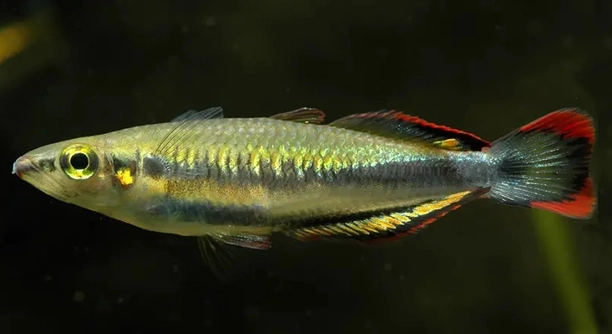
Do you ever notice your rainbowfish suddenly darting across the tank without warning? These quick movements can seem alarming, but they are often part of the fish’s natural behavior and reactions to their environment and companions.
Random darting in rainbowfish is typically caused by stress, sudden environmental changes, or the presence of other fish. These behaviors can be triggered by loud noises, water quality fluctuations, or perceived threats, signaling a natural instinctive response.
Understanding these movements can help maintain a calm, healthy aquarium and improve the overall well-being of your rainbowfish. Observing closely offers insight into their comfort and daily patterns.
Environmental Triggers for Darting
Rainbowfish are sensitive to changes in their environment, which can cause sudden darting. Rapid temperature shifts, strong water currents, or fluctuating pH levels often startle them. Even minor disturbances near the tank, such as vibrations from footsteps or tapping on the glass, can trigger quick movements. Bright lighting or sudden shadows may also cause brief bursts of activity, as rainbowfish instinctively react to potential threats. Maintaining stable water parameters and a consistent environment helps reduce stress-related darting. Proper filtration, gentle water flow, and careful lighting adjustments create a comfortable space, minimizing unexpected reactions. Observing your fish during these changes can help identify specific triggers. Over time, recognizing patterns in their behavior allows for proactive measures. Adding plants or hiding spots can provide refuge, giving rainbowfish a sense of security. These steps ensure that darting occurs less frequently and that your fish remain calm.
Controlling environmental factors greatly reduces stress and prevents excessive darting behaviors in rainbowfish. Simple adjustments can make a significant difference.
Creating a stable habitat involves monitoring temperature, pH, and water movement regularly. Using a thermometer, water test kits, and a gentle filter helps maintain consistent conditions. Arranging decorations, live plants, and shelters allows fish to retreat when startled. Minimizing sudden noise or vibrations around the tank keeps them from reacting nervously. Gradually adjusting lighting or introducing changes in small increments prevents abrupt responses. Observing how rainbowfish respond to each modification provides insight into their comfort levels. Over time, consistent care and environmental stability foster calmer, healthier fish. Providing a well-maintained space ensures that darting occurs only occasionally, as a natural reflex, rather than as a sign of chronic stress. This proactive approach promotes both their physical health and behavioral well-being.
Social Interactions and Darting
Rainbowfish often dart due to interactions with tank mates.
Schooling behavior or territorial disputes can trigger rapid swimming. Fish may chase or flee each other during group dynamics.
Rainbowfish are social and thrive in groups, but their interactions can sometimes cause sudden darting. Incompatible tank mates may provoke stress, while overcrowding increases tension and quick movements. Aggressive or overly active fish can startle calmer species, prompting bursts of swimming. Establishing a proper group size and selecting compatible species is crucial. Observing behavior helps identify which fish may be causing stress or disruption. Feeding routines also affect interactions, as competition for food can trigger rapid movement. Providing enough space, hiding spots, and visual barriers allows rainbowfish to interact safely while reducing stress-related darting. Adjusting tank composition and monitoring social behavior ensures a balanced environment, supporting healthy group dynamics and minimizing sudden, uncontrolled movements. Careful attention to social structures can prevent long-term stress and maintain the tank’s harmony.
Diet and Feeding Patterns
Inconsistent feeding schedules can cause rainbowfish to dart unexpectedly. Hunger or competition for food often triggers quick bursts of movement. Ensuring a consistent feeding routine helps minimize stress and erratic swimming.
Overfeeding or underfeeding affects their energy levels and behavior. Excess food can pollute the water, increasing stress, while insufficient feeding creates competition and frantic darting. Providing high-quality, balanced food in measured portions supports both health and calm behavior. Spacing feedings evenly throughout the day helps rainbowfish anticipate food without becoming anxious. Observing how quickly they respond to food offers insight into their hunger levels and can guide adjustments. Combining flake, frozen, and live foods ensures nutritional variety, preventing sudden hyperactivity or lethargy.
Feeding behavior also interacts with social dynamics. Dominant fish may chase others during feeding, increasing overall darting in the tank. Using multiple feeding spots or distributing food evenly reduces competition and encourages peaceful interactions. Over time, a structured feeding routine creates predictability, allowing rainbowfish to feel secure. This approach minimizes unnecessary stress responses, helping them maintain natural swimming patterns. Careful monitoring ensures that all fish receive adequate nutrition while limiting sudden bursts of energy that disrupt calm tank conditions.
Tank Size and Layout
Crowded tanks often increase darting, as limited space raises stress and competition. Larger tanks provide freedom and reduce sudden movements.
The layout of a tank significantly influences rainbowfish behavior. Overcrowding can trigger constant darting as fish compete for space or hiding spots. In contrast, a well-planned tank with open swimming areas, plants, and shelters encourages calm movement. Adequate spacing allows fish to establish territories and reduces conflicts. Decorations and hiding spots offer refuge, lowering stress and preventing frantic bursts. Regularly assessing fish numbers and tank dimensions ensures the environment remains appropriate. A balanced layout supports natural behavior and reduces erratic darting.
Proper tank arrangement also affects social interactions and feeding patterns. Open spaces allow schools to swim together harmoniously, while shelters help shy individuals retreat when overwhelmed. Strategic placement of plants and rocks prevents visual barriers that could cause surprise reactions. Monitoring fish behavior over time helps identify areas causing stress or conflicts. Adjusting the layout or adding decorations can mitigate these issues. Ensuring sufficient swimming room and a balanced environment creates a calmer, healthier habitat. Rainbowfish are more likely to exhibit steady, natural movements when the tank accommodates both social needs and individual space.
Water Quality and Maintenance
Poor water quality can cause rainbowfish to dart frequently. High ammonia, nitrite, or nitrate levels stress the fish, prompting sudden movements. Regular testing and water changes are essential to maintain stability.
Debris buildup and unclean filters can also trigger erratic swimming. Keeping the tank clean ensures a calm environment and supports overall health.
Disease and Health Concerns
Parasites, bacterial infections, or fungal growth can make rainbowfish restless. Illness often causes rapid swimming, rubbing against surfaces, or darting to avoid discomfort. Prompt observation and treatment are critical to prevent worsening conditions. Maintaining a clean tank, quarantining new fish, and monitoring behavior helps reduce disease risk.
Stress from Handling
Frequent handling or sudden disturbances can startle rainbowfish. Even brief interactions outside the tank may lead to increased darting for several hours.
FAQ
Why do my rainbowfish dart when I approach the tank?
Rainbowfish are naturally cautious and perceive sudden movements outside the tank as potential threats. Quick movements near the tank can startle them, triggering darting as a reflex. Maintaining calm and slow movements around the aquarium helps reduce these reactions. Over time, rainbowfish may become accustomed to your presence.
Can water temperature changes cause darting?
Yes, rainbowfish are sensitive to temperature fluctuations. Sudden increases or decreases in water temperature can stress them, resulting in rapid swimming. Keeping the temperature stable with a reliable heater and thermometer ensures a comfortable environment, minimizing stress-induced darting. Gradual adjustments are necessary when modifying temperature.
Does tank size influence darting behavior?
Tank size significantly affects movement. Crowded tanks limit swimming space, causing stress and erratic movements. Larger tanks allow more freedom, reducing sudden bursts. Including open swimming areas alongside plants and hiding spots creates a balanced environment that encourages natural behavior while lowering stress levels.
Do rainbowfish dart more when kept with other species?
Interactions with tank mates can trigger darting. Aggressive or overly active fish may startle calmer rainbowfish. Establishing compatible species, proper group sizes, and sufficient space allows healthy social interactions while minimizing stress-related bursts of movement. Observing interactions can help adjust tank composition for harmony.
Can diet affect darting?
Yes, feeding patterns impact behavior. Irregular feeding or competition for food can lead to frantic swimming. Overfeeding may pollute water and increase stress, while underfeeding can make fish hyperactive. A consistent feeding schedule with balanced portions reduces erratic behavior and supports overall health.
Are poor water conditions a common reason for darting?
Absolutely. High ammonia, nitrite, nitrate, or sudden changes in water chemistry create stress and increase darting. Regular water testing, filtration maintenance, and partial water changes keep water parameters stable, ensuring a calm environment and promoting healthy fish behavior.
Can illness cause rainbowfish to dart?
Yes, disease can trigger sudden movements. Parasites, bacteria, or fungal infections often make fish restless or uncomfortable. Early detection and treatment are essential. Quarantining new fish, observing for abnormal behavior, and maintaining clean water prevent the spread of illness and reduce stress-related darting.
Does lighting affect darting?
Bright or inconsistent lighting can cause stress and trigger sudden movements. Rainbowfish prefer gradual lighting transitions and areas with natural shade or plants. Adjusting lighting intensity and duration creates a comfortable environment and prevents sudden bursts caused by perceived threats or discomfort.
How does handling impact rainbowfish behavior?
Frequent handling or disturbances outside the tank can startle fish. Even short periods of netting or rearranging the tank may result in increased darting. Minimizing direct contact and allowing fish to recover after disturbances reduces stress and encourages more natural swimming patterns.
Can adding decorations or plants reduce darting?
Yes, decorations and plants provide hiding spots and secure areas, which reduce stress. Rainbowfish feel safer when they have places to retreat. A balanced tank layout with open swimming space and shelter encourages calm behavior while maintaining their natural instincts and school dynamics.
Is darting always a sign of stress or illness?
Not always. Rainbowfish naturally dart as part of their schooling and playful behavior. Occasional bursts of movement are normal. However, frequent or intense darting combined with other signs like loss of appetite, discoloration, or lethargy may indicate stress or health problems that need attention.
How can I prevent excessive darting?
Maintaining stable water conditions, providing adequate space, compatible tank mates, a consistent feeding routine, and suitable hiding spots reduces unnecessary darting. Observing behavior regularly allows early identification of stressors or health issues, helping create a calm, healthy environment for rainbowfish.
Does water current affect darting?
Strong or inconsistent currents can startle rainbowfish, causing sudden bursts of swimming. Gentle filtration and controlled water flow create a comfortable swimming environment, reducing the likelihood of stress-induced darting and supporting natural behavior.
Can noise or vibrations trigger darting?
Yes, rainbowfish are sensitive to external vibrations and loud noises. Footsteps near the tank, clattering objects, or tapping on the glass can startle them. Minimizing disturbances around the aquarium promotes calm swimming patterns and reduces stress-related bursts of movement.
Are there long-term effects of chronic darting?
Frequent stress-induced darting can impact overall health. Chronic stress may weaken the immune system, increase susceptibility to disease, and affect growth. Ensuring a stable, enriched environment with proper diet, compatible tank mates, and minimal disturbances promotes long-term health and reduces excessive darting.
Rainbowfish are beautiful, active fish that bring life to any aquarium. Their sudden darting can be surprising, but it is often a natural response to environmental changes, social interactions, or their instincts. Understanding why they behave this way helps create a more comfortable and calm environment. Most instances of darting are not dangerous, and with proper care, rainbowfish can maintain steady, natural movements. Observing your fish regularly allows you to distinguish between normal, playful darting and signs of stress or health problems.
Maintaining a stable environment is key to reducing unnecessary darting. Consistent water parameters, proper tank size, and a well-thought-out layout support both their physical and behavioral well-being. Adequate hiding spots, gentle filtration, and controlled lighting provide comfort, while regular water testing and maintenance prevent sudden stressors. Social factors, including compatible tank mates and balanced group sizes, also play a significant role in minimizing frantic swimming. Additionally, a consistent feeding schedule with high-quality food ensures that your rainbowfish remain healthy and less prone to erratic behavior caused by hunger or competition. Paying attention to these factors helps rainbowfish feel secure, reducing the frequency and intensity of darting.
Health monitoring is another essential aspect of managing darting. Illness or parasites can make fish restless, while stress from handling or external disturbances can temporarily increase sudden movements. Observing behavior closely allows early detection of potential problems and ensures prompt action if needed. While some darting is normal and a part of their active nature, frequent or extreme bursts may indicate underlying issues that should be addressed. By combining careful environmental management, attentive feeding routines, and monitoring of social dynamics and health, rainbowfish owners can create a peaceful and stable aquarium. This approach not only supports natural behavior but also ensures the long-term well-being of the fish, allowing them to thrive in a calm, enriching habitat.

Hello,
If you enjoy the content that we create, please consider saying a "Thank You!" by leaving a tip.
Every little bit helps us continue crafting quality advice that supports the health, happiness, and well-being of pets around the world, for pets of all shapes, sizes, and species.
We really appreciate the kindness and support that you show us!