
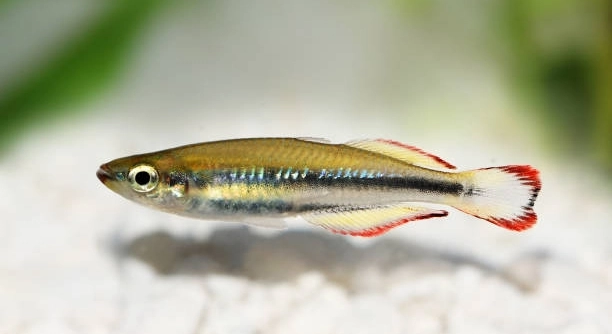
Rainbowfish are small, colorful fish that brighten up any freshwater aquarium. They are active swimmers, social, and generally peaceful, but sometimes they show unexpected aggression that can surprise even experienced hobbyists. Watching them closely helps maintain harmony.
Aggression in rainbowfish can manifest through chasing, nipping, fin flaring, and territorial displays. These behaviors often arise from overcrowding, stress, or competition for food and mates. Recognizing these signs early is crucial to prevent injuries and maintain a stable tank environment.
Learning to spot subtle changes in behavior will help you manage your rainbowfish effectively. Observing their interactions ensures a calmer, healthier aquarium for all your fish companions.
Chasing and Nipping
Rainbowfish often chase and nip at each other when establishing dominance or defending territory. This behavior is most common in males, especially during feeding or when competing for space. At first, it may seem playful, but repeated chasing can lead to stress and minor injuries. I noticed my rainbowfish would suddenly dart after one another near the surface, fins spread wide. Observing the timing and frequency of these chases helped me adjust feeding and rearrange tank décor to reduce tension. Providing plenty of hiding spots and visual barriers can break lines of sight, lowering aggressive interactions. Ensuring the tank is not overcrowded is another essential step. Chasing often decreases when each fish has enough personal space and the water parameters are stable. Over time, a calmer social hierarchy develops, and rainbowfish begin swimming more peacefully. Watching this behavior closely allows for early intervention, protecting weaker fish from harm while maintaining the tank’s overall balance.
Chasing and nipping are primary indicators of social stress in rainbowfish and can escalate if not addressed through environmental adjustments or population management.
Maintaining a peaceful aquarium requires awareness of these subtle but frequent behaviors. Adjusting tank setup and monitoring interactions can prevent injuries and improve overall fish health.
Fin Flaring
Fin flaring is when rainbowfish spread their fins wide to appear larger and more dominant. It usually happens during confrontations or when introducing new fish into the tank.
Fin flaring is a clear sign of tension and is often accompanied by other aggressive behaviors. This display is an attempt to intimidate rivals without direct contact, but persistent flaring can increase stress. In my tank, I noticed that flaring occurred most around feeding times or near preferred hiding spots. Offering multiple feeding areas and rearranging decorations helped reduce flare frequency. It is also important to monitor water quality and temperature, as stressed fish are more likely to flare. By observing which fish flare most often, I could identify dominant individuals and adjust group composition. Over time, balancing the number of males and providing enough space allowed the fish to coexist with fewer displays. Flaring may never disappear completely, but managing environmental triggers makes it less frequent and reduces the likelihood of injury. Understanding these patterns helps maintain harmony and keeps the aquarium healthy and visually appealing.
Territorial Behavior
Rainbowfish often stake out specific areas of the tank as their own. They may guard favorite hiding spots or sections near decorations, chasing other fish away. I noticed one male repeatedly patrolled the same corner, making any intruder retreat quickly.
Territorial behavior becomes more obvious when multiple males share limited space. Each male tends to select a preferred area and will display chasing, nipping, and fin flaring to defend it. Rearranging decorations can break up these territories, giving fish a sense of new boundaries and reducing constant confrontations. I had to experiment with placement, adding plants and rocks to create separate zones. Over time, this reduced repeated squabbles around a single location, and the fish began to explore the tank more evenly. Observing which spots trigger aggression helps in planning tank layout for calmer interactions. Space management plays a key role in minimizing injuries.
Even when territories are established, occasional disputes may still occur. Monitoring which fish are consistently aggressive helps in adjusting populations or providing additional hiding places. These steps improve the social dynamics of the tank and reduce stress among all fish.
Sudden Darting
Sudden darting is when rainbowfish make quick, sharp movements across the tank, often toward or away from other fish. It is usually a reaction to perceived threats or competition for food, which I observed frequently during feeding times.
This behavior signals high alertness and stress. Fish may dart repeatedly, creating tension in the tank and sometimes accidentally bumping into plants or decorations. In my experience, reducing darting involved ensuring sufficient space between feeding spots and providing plenty of cover. Stress from water quality issues or overcrowding can also increase sudden movements. Monitoring darting patterns helps identify which fish are most reactive and whether environmental changes are necessary. Adjustments like adding more plants, rearranging hiding spots, and spacing out feeding areas reduced the frequency of these abrupt movements.
Over time, darting may decrease naturally as fish become familiar with their environment and peers. Consistent monitoring and small tank adjustments allow rainbowfish to feel safer and move more calmly, preventing injuries and keeping the aquarium balanced.
Color Fading
Rainbowfish may show color fading when stressed or feeling threatened by tank mates. I noticed my male’s bright hues dimmed after frequent chasing from another dominant fish, signaling tension in the aquarium.
This fading often coincides with hiding or reduced activity. Ensuring proper diet, stable water conditions, and adequate space can help restore vibrant colors and reduce stress over time.
Constant Hiding
Some rainbowfish retreat into plants or decorations for long periods. Excessive hiding usually indicates fear or intimidation from more aggressive tank mates. Observing which fish hide most often helps identify dominant individuals. Providing additional hiding spots can give stressed fish security while maintaining overall tank harmony.
Tail and Fin Damage
Frequent nipping and chasing can lead to visible tail and fin damage. I noticed small tears on one fish, which worsened when aggression continued unchecked. This damage can increase vulnerability to infections, making early intervention important to maintain fish health and prevent further injuries.
Sudden Loss of Appetite
Aggression can cause rainbowfish to lose interest in food. A fish that stops eating may be avoiding confrontation or recovering from stress. Ensuring safe feeding zones and reducing competition helps restore normal eating behavior and overall well-being.
What causes aggression in rainbowfish?
Aggression in rainbowfish is usually linked to competition for space, food, or mates. I noticed that males are often more aggressive, especially in crowded tanks. Stress from poor water quality or sudden changes in the environment can also trigger aggressive behaviors. Overcrowding increases tension, and fish may chase or nip to establish dominance. Providing enough space and hiding spots reduces conflict. Proper feeding routines and a balanced diet help prevent food-related disputes. Observing which fish are aggressive and which are stressed allows me to make adjustments before problems escalate.
How can I tell if my rainbowfish is stressed?
Signs of stress include color fading, hiding excessively, darting, or refusing to eat. I often watch for changes in swimming patterns and social interactions. Stressed fish may flare fins more frequently or chase others without provocation. Fin damage or torn tails can also indicate repeated aggression. Regular monitoring and maintaining stable water parameters help reduce stress levels. Stress can worsen aggressive behavior, so addressing it early is important. Simple measures like rearranging decorations, increasing hiding spots, or reducing tank population often improve the mood and behavior of rainbowfish quickly.
How can I prevent chasing and nipping?
Chasing and nipping usually happen when space is limited or social hierarchy is unclear. In my tank, adding plants and decorations broke up territories and gave each fish personal space. Feeding in multiple locations reduces competition, while keeping a balanced ratio of males to females lowers aggression. Overcrowded tanks almost always increase chasing, so monitoring population density is important. Providing visual barriers helps fish feel safer, and giving time for new fish to acclimate prevents sudden conflicts. Regular observation is key to spotting early signs and preventing escalation.
Is fin flaring dangerous?
Fin flaring itself is not harmful, but it is a sign of tension and can lead to injuries if followed by chasing or nipping. I noticed that persistent flaring in my tank often preceded fights. Monitoring which fish flare the most and adjusting the environment helps reduce these displays. Ensuring enough space, adding hiding spots, and keeping stress low minimizes repeated flaring. Fin flaring is a natural behavior, but consistent displays suggest an imbalance in the tank that needs attention to protect weaker fish and maintain harmony.
What should I do if fish get injured?
Minor injuries like fin tears or small scratches can heal if aggression is reduced. I usually isolate severely injured fish in a separate tank or provide extra hiding spots to prevent further attacks. Maintaining clean water is essential for healing. Observation is key; repeated injuries indicate that aggression is too high, and adjustments to tank setup or population may be necessary. Using stress-reducing measures like rearranging décor and increasing cover helps the injured fish recover safely. Preventing injuries is easier than treating them, so watching behavior closely is important.
Can water conditions affect aggression?
Yes, unstable water conditions increase stress and make rainbowfish more aggressive. I noticed sudden changes in temperature or pH often led to chasing and fin flaring. Maintaining consistent water parameters, regular cleaning, and proper filtration keeps fish healthy and reduces tension. Stressed fish are more likely to dart, hide, or fight. Stable water conditions, along with proper tank size and enrichment, create a calmer environment. Paying attention to water quality daily helps prevent aggression and ensures the fish thrive socially and physically.
How many rainbowfish should be kept together?
Rainbowfish are social, but overcrowding increases aggression. I found that keeping small groups of 5–6 per tank works well for most species, with more space for larger tanks. A balanced male-to-female ratio also reduces fighting. Too many males together often results in continuous chasing and fin damage. Adequate space per fish, hiding spots, and plants all contribute to calmer behavior. Adjusting group size based on tank dimensions and observing social interactions prevents aggression from escalating. Proper stocking helps maintain healthy, peaceful relationships between rainbowfish.
Do diet and feeding routines influence aggression?
Yes, limited food or feeding in one spot can trigger chasing and nipping. I started feeding in multiple locations and noticed less conflict. Providing a varied diet ensures all fish get enough nutrition. Aggression often spikes during feeding times if competition is high. Regular, evenly distributed feeding reduces tension and allows all fish to eat without fear. Monitoring which fish eat first or get pushed away helps identify dominant individuals. Adjusting feeding habits and offering supplemental foods improves tank harmony and overall fish health.
Can tank decorations reduce aggression?
Decorations, plants, and rocks break up sightlines and provide hiding spots. In my tank, adding more cover reduced chasing, flaring, and darting. Fish feel safer with visual barriers, and territorial disputes decrease. Rearranging décor periodically prevents dominance patterns from becoming fixed. Creating multiple zones allows fish to explore and claim spaces without constant conflict. Decorations act as natural barriers, lowering stress and making interactions calmer. Proper placement is key, as too few hiding spots or open areas increase aggression among rainbowfish.
Rainbowfish are beautiful, active fish that bring life to any freshwater tank, but they can show aggression if their environment isn’t balanced. Aggressive behavior like chasing, nipping, fin flaring, or sudden darting is often a result of stress, overcrowding, or competition for food and territory. In my experience, keeping an eye on social interactions and understanding the individual personalities of each fish is key. Some fish are naturally more dominant, while others are shy or easily intimidated. Recognizing these differences early helps prevent injuries and reduces stress in the aquarium. Creating a calm environment with plenty of space, hiding spots, and multiple feeding areas is essential to keeping aggression in check. Observing patterns, such as which fish flare their fins most often or chase others repeatedly, provides important clues about social hierarchy. Adjusting the tank setup based on these observations has made a noticeable difference in my fish’s behavior and overall well-being.
Maintaining water quality and stable tank conditions also plays a big role in reducing aggression. Rainbowfish are sensitive to changes in temperature, pH, and cleanliness, and even small fluctuations can trigger stress-related behaviors. In my tank, I noticed that after a few days of elevated ammonia levels, chasing and nipping increased noticeably. Regular water testing, partial water changes, and proper filtration help create a stable environment that reduces stress. Stress-free fish are less likely to flare their fins excessively, chase, or hide for long periods. Feeding routines also affect behavior. Providing a balanced diet in multiple spots prevents dominant fish from monopolizing food and allows all fish to eat comfortably. Over time, these small changes in daily care significantly improve the social dynamics of the tank, making it a safer, more peaceful environment for every rainbowfish.
It’s important to remember that some aggression is natural and part of how rainbowfish interact socially. However, persistent or escalating aggressive behavior should never be ignored, as it can lead to fin damage, injuries, or even illness in stressed fish. Overcrowding, lack of hiding spaces, and unbalanced male-to-female ratios often exacerbate these issues. In my experience, simple adjustments like rearranging plants, providing extra decorations, or reducing the number of dominant males helped restore balance. Observing the tank daily and addressing signs of stress early ensures healthier fish and a more enjoyable aquarium. Rainbowfish are vibrant, lively companions, and by understanding their behavior, providing proper care, and making thoughtful adjustments, it’s possible to minimize aggression and maintain a harmonious, thriving tank.

Hello,
If you enjoy the content that we create, please consider saying a "Thank You!" by leaving a tip.
Every little bit helps us continue crafting quality advice that supports the health, happiness, and well-being of pets around the world, for pets of all shapes, sizes, and species.
We really appreciate the kindness and support that you show us!