
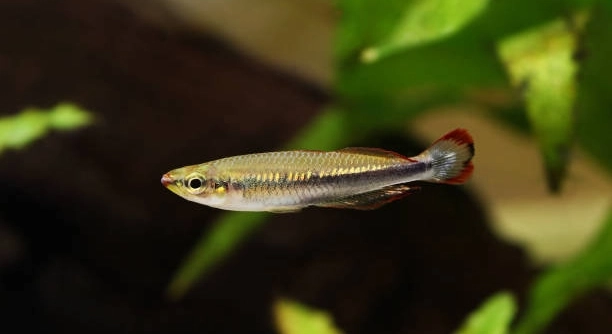
Rainbowfish are known for their vibrant colors and active behavior in home aquariums. Observing them can be fascinating, especially when they swim quickly after one another, creating lively displays that catch the eye.
Rainbowfish chase each other primarily as a form of social interaction and establishing dominance within their group. This behavior helps maintain hierarchy, encourages activity, and can also be a natural way to stimulate mating readiness among individuals.
Watching these interactions can reveal much about their social structure and natural instincts, offering a glimpse into the complex life of rainbowfish.
Why Rainbowfish Chase Each Other
Watching rainbowfish swirl around each other can be mesmerizing. Their movements are quick, purposeful, and often seem playful, yet there is more going on beneath the surface. Chasing is part of how these fish communicate with one another. It helps them establish a pecking order within the group. Dominant fish often initiate chases, while others respond to maintain their position in the hierarchy. This behavior is not aggressive in a harmful way but is essential for their social balance. It also keeps them physically active, which is crucial for their health. In aquariums, it is easy to notice how chasing occurs more often in larger groups. The activity helps reduce boredom and encourages natural instincts. Observing these patterns can make keeping rainbowfish more engaging and informative, as it gives insight into their social dynamics and energy levels throughout the day.
Rainbowfish chasing each other is a normal behavior that strengthens group cohesion and maintains individual fitness within the tank environment.
Chasing can also signal readiness to mate. Male rainbowfish may follow females closely, showing their interest and strength. This movement helps females select the most fit mates, ensuring healthier offspring. The constant motion benefits their muscles and reflexes. Even during non-mating periods, the chasing continues as part of social structure. Recognizing these behaviors allows aquarists to provide better environments with enough space, hiding spots, and proper group sizes. Proper observation ensures a healthy, balanced aquarium and prevents misinterpretation of these interactions as aggressive or harmful. Over time, understanding chasing patterns builds a deeper appreciation for rainbowfish and their lively, intricate behavior, making their care more rewarding and intuitive.
Tips for Managing Chasing in Aquariums
Providing adequate space reduces stress and prevents overcrowding in the tank.
Ensuring enough room and hiding places allows rainbowfish to chase safely without constant stress. Observing their behavior helps determine if adjustments are needed. Group size, tank size, and decorations all play a role in balancing activity levels. When their environment meets these needs, chasing remains a healthy, natural behavior that supports social structure and overall well-being.
Managing chasing involves more than space alone. The tank should have a minimum length of 30 inches for small groups, with open swimming areas and scattered plants or rocks for retreat. Overcrowding leads to excessive chasing, which can stress weaker fish. Feeding schedules also influence chasing behavior. Regular, balanced meals reduce competition for food, limiting aggressive pursuits. Monitoring the group dynamic is key: if one fish is constantly chased or hides excessively, consider rearranging the tank or adjusting group composition. Creating an environment that mimics natural conditions encourages healthy interactions. Rainbowfish are lively and social, and proper care ensures chasing remains a positive aspect of their behavior, not a source of harm or imbalance.
Common Triggers for Chasing
Changes in tank conditions can trigger more chasing. Introducing new fish, rearranging decorations, or altering feeding routines often increases movement and interactions among rainbowfish.
Chasing behavior can intensify when a new fish is added to the tank. Rainbowfish are naturally territorial and need time to adjust to newcomers. They may follow or chase new arrivals to assess them and establish hierarchy. Even small changes in their environment, like moving plants or rocks, can temporarily increase chasing as they adapt. Feeding schedules also influence behavior. Uneven food distribution or high competition during meals can lead to more frequent pursuits. Observing these triggers helps maintain a calmer, more balanced aquarium.
Bright lighting or changes in light cycles can also affect chasing. Rainbowfish respond to light cues for activity and social interaction. Sudden adjustments in lighting may lead to more visible chasing and faster movements. Recognizing these patterns allows for better management. Providing consistent lighting and gradual adjustments reduces stress and unnecessary pursuits. Monitoring fish closely during these periods ensures weaker or smaller individuals are not constantly harassed, supporting overall health and social balance in the tank.
Benefits of Chasing
Chasing helps rainbowfish maintain fitness and agility, keeping them active and healthy in confined environments.
Regular chasing strengthens muscles, improves reflexes, and encourages natural swimming patterns. It also reinforces social hierarchies, which reduces prolonged conflict. Dominant and subordinate fish learn their roles, and this structure ensures smoother interactions in larger groups. Mental stimulation is another benefit. The movement and interaction keep rainbowfish alert, reducing boredom and promoting a lively tank atmosphere. This activity indirectly supports feeding behavior and digestion, as active fish are more likely to eat efficiently. When managed correctly, chasing is a natural, positive aspect of their behavior.
How Group Size Affects Chasing
Smaller groups of rainbowfish may show more intense chasing, as each fish interacts with fewer companions. Larger groups tend to spread the activity, reducing stress on any single individual.
Balanced group sizes help maintain social structure. Overcrowding can lead to excessive chasing, while too few fish increase tension and repeated pursuits.
Environmental Factors
Tank layout impacts chasing behavior. Open swimming areas encourage movement, while plants and rocks offer retreats. Properly arranged spaces prevent constant harassment and allow fish to regulate interactions. Observing their patterns helps identify areas that may need adjustments to reduce stress and maintain a calm aquarium.
Recognizing Stress Signs
Frequent hiding, torn fins, or lethargy indicate chasing has become excessive. Monitoring these signs ensures fish remain healthy.
FAQ
Why do rainbowfish chase each other so often?
Rainbowfish chase each other primarily to maintain social structure and hierarchy. This behavior is natural and helps individuals establish dominance without causing serious harm. It also keeps them physically active, sharpens reflexes, and promotes overall health. Chasing is more frequent in smaller tanks or when group composition changes, as fish reassess social positions.
Is chasing a sign of aggression?
Not always. While it may look aggressive, most chasing among rainbowfish is social rather than harmful. Fish use these interactions to communicate, define territories, and test strength. True aggression occurs only when a fish repeatedly harasses another or causes injury. Observing body language, fin condition, and hiding patterns helps distinguish normal social behavior from stress or hostility.
How can I reduce excessive chasing in my tank?
Providing adequate space is key. A larger tank with open swimming areas and hiding spots prevents overcrowding. Ensuring a balanced group with compatible sizes also reduces constant pursuit. Regular feeding and distributing food evenly can prevent competitive chasing. Rearranging tank decorations gradually and monitoring interactions allows weaker fish to avoid constant harassment.
Do rainbowfish chase more during certain times of day?
Yes. Rainbowfish are diurnal and most active during daylight hours. Chasing often peaks in the morning and late afternoon when energy levels are higher. Consistent lighting helps regulate their behavior. Sudden changes in light intensity or duration may temporarily increase chasing as fish adapt to the new environment.
Does adding more rainbowfish help reduce chasing?
Adding more fish can help balance chasing behavior, but only if the tank is large enough. A larger group allows interactions to be spread out, reducing stress on individuals. Overcrowding, however, can worsen chasing and stress levels. Introducing new fish slowly and observing group dynamics ensures a harmonious environment.
Can chasing be linked to mating behavior?
Yes. Male rainbowfish often follow or chase females to demonstrate fitness and attract attention. This behavior signals readiness to mate. Females may respond selectively, allowing the strongest males to approach. Even outside mating periods, chasing remains part of their social structure and helps maintain alertness and activity levels.
Are some rainbowfish more prone to chasing than others?
Behavior varies by species and individual personality. Some species are naturally more active and social, resulting in more frequent chasing. Dominant individuals often lead chases, while shy or smaller fish may follow. Observing your fish over time helps identify patterns and ensures all members of the group are coping well with social interactions.
What signs indicate chasing is harmful?
Harmful chasing is marked by repeated attacks, torn fins, constant hiding, or loss of appetite. These signs show that the social balance is off and some fish are stressed. Immediate adjustments, such as rearranging the tank, increasing space, or separating aggressive fish, help prevent injury and maintain a healthier environment.
How can I encourage healthy chasing?
Healthy chasing occurs in a balanced environment with sufficient space, hiding spots, and compatible group sizes. Feeding schedules, gradual introductions, and stable lighting encourage normal social behavior. Observing interactions without interference allows fish to establish hierarchy naturally, supporting mental stimulation and physical fitness while minimizing stress.
Does tank size influence chasing intensity?
Yes. Smaller tanks concentrate interactions, often increasing chasing frequency. Larger tanks allow fish to spread out, reducing tension and constant pursuit. Providing vertical and horizontal swimming space, along with decor for retreat, ensures chasing remains a normal, non-stressful behavior while promoting overall well-being.
Can chasing indicate illness or poor health?
Occasionally. If a normally active fish stops chasing or is repeatedly targeted, it could be weak or ill. Monitoring water quality, diet, and overall tank conditions helps identify health issues. A healthy fish will engage in chasing but also retreat when necessary, maintaining a balance between activity and rest.
Is chasing behavior different in community tanks?
Yes. In community tanks with other species, rainbowfish may adjust chasing behavior depending on tankmates’ size and temperament. They usually chase only within their own species for hierarchy purposes. Observing interactions ensures compatibility and reduces stress, keeping all fish active without unnecessary conflicts.
How long does chasing typically last?
Chasing occurs in short bursts throughout the day, often minutes at a time, and is interspersed with resting and grazing. Prolonged, constant chasing may indicate overcrowding, stress, or imbalance in group dynamics. Tracking these patterns allows for timely adjustments to the tank environment.
Can decorations affect chasing behavior?
Yes. Plants, rocks, and hiding spots provide retreat areas that reduce harassment. Open spaces encourage swimming and chasing but should be balanced with areas where fish can escape if needed. Rearranging decorations gradually allows fish to reestablish social positions without causing excessive stress.
Does age influence chasing behavior?
Younger fish may chase more frequently as they learn social roles and explore their environment. Older, established fish tend to have clearer hierarchy positions and chase less intensely. Observing mixed-age groups helps ensure all fish have opportunities to engage and avoid prolonged stress.
Are there differences between male and female chasing patterns?
Males are generally more active and chase both for dominance and mating purposes. Females may chase less but engage in following behavior to navigate social structures. Recognizing these differences helps in interpreting tank behavior accurately and maintaining a balanced group.
How can I tell if chasing is part of normal activity?
Normal chasing involves short bursts, follows clear social cues, and does not result in injury. Fish alternate roles between chaser and chased. Monitoring these interactions over time ensures that chasing is a healthy part of their daily routine, supporting both social and physical well-being.
Is it necessary to intervene in chasing behavior?
Intervention is only needed if chasing becomes harmful, causing stress or injury. Most chasing is self-regulating and beneficial. Observing fish regularly allows early detection of problems, and minor adjustments in tank setup or group composition often resolve issues without disrupting normal social behavior.
Can chasing affect feeding habits?
Yes. Fish that are constantly chased may have difficulty accessing food, leading to uneven nutrition. Providing multiple feeding areas and spreading food throughout the tank ensures all fish receive adequate nutrition while minimizing competition and stress during meals.
Does chasing vary by species of rainbowfish?
Different species have different activity levels and social behaviors. Some are naturally more territorial, while others are calmer. Understanding the specific species’ tendencies helps predict chasing frequency and guides tank setup to support a harmonious environment.
How important is observation in managing chasing behavior?
Regular observation is essential. It allows you to distinguish normal chasing from stress or aggression, track health indicators, and adjust tank conditions when needed. Noticing subtle changes in behavior ensures fish remain active, healthy, and socially balanced, making management more effective and intuitive.
Final Thoughts
Rainbowfish are naturally active and social creatures, and chasing is a central part of their behavior. Observing them move quickly after one another can be entertaining, but it also reveals important insights into their social structure. Chasing is often about establishing hierarchy and maintaining balance within the group, rather than aggression or conflict. Each fish has its own role, and these interactions help them learn and adapt. In home aquariums, noticing how often and how intensely rainbowfish chase each other provides clues about their comfort and well-being. Understanding these behaviors is essential for anyone keeping rainbowfish, as it allows for better management of the tank environment. It also shows that even small fish have complex social dynamics that are worth paying attention to, creating a more engaging and informed experience for the keeper.
Creating an appropriate environment is key to supporting healthy chasing behavior. Providing enough space, hiding spots, and open swimming areas helps rainbowfish regulate their interactions naturally. Smaller or overcrowded tanks often lead to excessive chasing, which can stress weaker fish or cause minor injuries. Adjusting tank size, group composition, and decoration placement can reduce unnecessary stress while allowing natural behaviors to continue. Feeding practices also play a role in maintaining balance. Ensuring food is distributed evenly and maintaining a consistent schedule helps reduce competitive chasing around feeding times. Lighting and temperature consistency further support stable behavior patterns. Regular observation is essential, as it helps identify signs of stress, injury, or imbalance. By addressing these factors, aquarists can maintain a lively, healthy group where chasing remains a positive, natural activity that benefits both social and physical health.
Chasing among rainbowfish is a normal and beneficial behavior when the environment is supportive and the group is balanced. It contributes to their fitness, mental stimulation, and social cohesion, all of which are vital for long-term well-being. Recognizing that chasing is not inherently aggressive but a part of their social and natural instincts allows for better care practices. With careful observation, proper tank setup, and thoughtful management, rainbowfish can thrive while displaying these lively interactions. Each instance of chasing offers insight into their personalities and relationships within the group. Understanding and respecting these patterns ensures that both the fish and the aquarist have a positive experience. Supporting their natural behavior through proper space, group sizes, and environmental conditions fosters a healthy, harmonious aquarium where chasing is a sign of vitality, engagement, and social stability, rather than stress or conflict.

Hello,
If you enjoy the content that we create, please consider saying a "Thank You!" by leaving a tip.
Every little bit helps us continue crafting quality advice that supports the health, happiness, and well-being of pets around the world, for pets of all shapes, sizes, and species.
We really appreciate the kindness and support that you show us!