
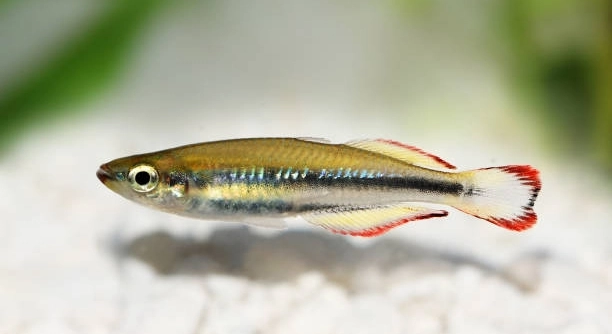
Do your fish sometimes swim erratically, float oddly, or hide more than usual in their tank? Observing these unusual behaviors can be concerning and may indicate changes in their environment, health, or overall well-being.
When fish act odd, it is crucial to assess water quality, diet, tank conditions, and possible signs of illness. Monitoring behavior systematically allows owners to identify stressors and implement corrective measures to maintain a healthy aquatic environment.
Understanding these changes helps prevent minor issues from becoming serious problems. Paying attention to small signals can ensure your fish stay healthy and comfortable.
Signs of Stress in Fish
Fish can display stress in many ways, from unusual swimming patterns to changes in appetite. Rapid gill movement, hiding, or clamped fins often signal discomfort. Stress can result from poor water quality, sudden temperature changes, overcrowding, or aggressive tank mates. Observing these signs early is important. Addressing stress quickly helps prevent illness and keeps fish active. Lighting changes, loud noises, or sudden water disturbances can also affect fish behavior. Monitoring daily routines makes it easier to notice subtle changes. Maintaining a stable environment, including temperature and pH, supports their health. Feeding schedules and quality food play a significant role in reducing stress. A stressed fish may appear dull or lethargic. Clear water, regular cleaning, and a consistent routine contribute to overall comfort. By keeping conditions stable and observing behaviors carefully, fish can thrive and avoid common stress-related problems. Simple adjustments often make a significant difference.
Stress in fish often shows before illness appears. Early detection improves outcomes.
Maintaining proper tank conditions involves consistent water testing, careful temperature management, and thoughtful feeding practices. Regular cleaning prevents buildup of toxins, and choosing compatible tank mates reduces aggression. Even small changes, like adjusting decorations or providing hiding spaces, help fish feel secure. Observing behavior daily allows owners to detect subtle changes early. Stress affects immune function, making fish more susceptible to disease. Ensuring a balanced diet supports resilience, while avoiding overfeeding prevents water contamination. Using water conditioners and monitoring chemical levels keeps the environment safe. By combining attentive observation with proactive care, stress-related issues can be minimized. Fish respond quickly to improved conditions, so consistent efforts show measurable results. Over time, maintaining these practices ensures long-term health and more active, vibrant behavior in the tank. This approach reduces sudden shocks and keeps fish comfortable in their environment.
Unusual Swimming Patterns
Erratic swimming, floating upside down, or crashing at the bottom can indicate illness or water issues. These behaviors often appear before visible symptoms.
Unusual swimming may result from infections, parasites, or low oxygen levels. Water quality testing and quarantine of sick fish are essential first steps.
Monitoring tank conditions closely helps determine the source of abnormal movement. Bacterial infections often cause spinning or circling, while parasites may lead to darting or rubbing against surfaces. Oxygen depletion makes fish swim near the surface. Temperature fluctuations can confuse metabolic functions, affecting movement. Regular water changes and maintaining proper filtration reduce these risks. Observing which fish are affected and when the behavior occurs can clarify whether it’s stress, illness, or environmental factors. Quarantining new fish prevents spreading disease. Feeding habits also influence swimming; sudden changes can signal discomfort. Treatment varies depending on the cause, from medications for infections to aeration adjustments for low oxygen. Keeping a detailed log of behaviors and tank conditions allows precise action. Consistent care ensures abnormal patterns do not become chronic problems.
Changes in Appetite
A sudden increase or decrease in appetite often signals health or environmental issues. Fish may refuse food when stressed or sick, while some overeat due to poor water conditions or competition. Observing feeding behavior daily is essential to catch problems early.
Loss of appetite can indicate infections, parasites, or water quality problems. High ammonia or nitrite levels often cause discomfort, making fish avoid food. Stress from overcrowding or aggressive tank mates can also reduce feeding. Nutritional deficiencies may appear when fish ignore certain foods. Maintaining a consistent feeding schedule with quality food helps detect changes quickly. Quarantining new or sick fish prevents spreading issues to healthy tank mates. A simple observation of how fish respond during feeding can reveal underlying problems before other symptoms appear, allowing timely intervention.
Occasionally, increased appetite is a warning as well. Fish may eat more due to stress or rapid metabolism caused by temperature fluctuations. Overfeeding can pollute water, leading to further health complications. Adjusting portion sizes, monitoring water parameters, and ensuring balanced nutrition helps prevent digestive or metabolic issues. Keeping track of feeding habits provides insights into overall well-being. Fish with irregular feeding patterns often recover quickly when water quality improves, stress is reduced, and dietary needs are met consistently. Observing and responding to these changes ensures healthier, more active fish over time.
Color Changes
Fading, darkening, or patchy color can indicate illness, stress, or poor water quality. Color shifts often occur before other visible symptoms appear, making them important to monitor closely.
Stress, disease, or diet deficiencies are common reasons for color changes. Water quality problems such as high ammonia, nitrite, or inappropriate pH can dull colors. Illnesses like fungal or bacterial infections also cause visible fading or spots. Poor lighting or inadequate nutrition contributes to weakened pigmentation. Maintaining stable tank conditions, providing a balanced diet, and observing fish daily can prevent or address many color-related issues. Timely action improves recovery chances and overall health.
Color changes are often reversible with proper care. Correcting water conditions, improving diet, and reducing stress can restore natural pigmentation. Certain diseases require medication, and early detection increases treatment effectiveness. Regular monitoring of tank parameters helps prevent recurrence. Lighting adjustments and varied nutrition enhance vibrancy. Quarantining sick fish protects others from infection. Observing subtle shifts in hue or pattern allows proactive care. Fish with strong coloration tend to be healthier and more active. Consistent attention to environment and diet ensures long-term visual and physical well-being, supporting natural behavior and vitality.
Unusual Hiding
Fish hiding more than usual often signal stress, illness, or discomfort in the tank. Changes in environment, aggressive tank mates, or poor water quality can cause them to seek shelter consistently. Observing where and when fish hide helps identify the source of stress.
Prolonged hiding can indicate infections, parasites, or sudden environmental changes. Providing secure hiding spaces reduces anxiety, but frequent avoidance of open areas should be addressed. Checking water parameters, tank mates, and overall health is essential to restore normal behavior and comfort in the aquarium.
Rapid Gill Movement
Rapid gill movement usually points to oxygen deficiency or water quality problems. Fish may also breathe quickly when stressed or sick.
Fish under these conditions need immediate attention to avoid long-term health issues. Ensuring proper aeration, temperature, and filtration supports normal breathing and overall well-being.
Interaction Changes
Fish that suddenly avoid or aggressively target tank mates may be responding to stress or illness. Behavioral shifts often reflect discomfort, environmental change, or social tension. Observing interactions carefully helps detect underlying problems early and maintain harmony within the tank.
Why is my fish swimming upside down?
Swimming upside down is often a sign of swim bladder issues. This organ helps fish maintain balance in the water. Overfeeding, constipation, or bacterial infections can interfere with its function. Adjusting feeding habits, providing a balanced diet, and occasionally fasting the fish for a day or two can help. In some cases, medications or water changes may be necessary. Observing whether the behavior persists or is occasional helps determine if the problem is minor or requires treatment. Maintaining stable water conditions also prevents recurrence.
What does it mean when my fish hides constantly?
Constant hiding can indicate stress, illness, or an unsuitable environment. Sudden tank changes, aggressive tank mates, or poor water quality are common causes. Ensuring proper hiding spaces while maintaining open areas allows fish to feel secure without isolating themselves. Checking water parameters, including temperature, pH, and ammonia levels, is crucial. Quarantining sick fish prevents the spread of disease. Reducing stress through consistent routines and gentle handling often encourages more normal behavior. If hiding persists, it may signal an underlying infection or parasite requiring treatment.
Why is my fish not eating?
Loss of appetite often signals stress, illness, or water problems. High ammonia, nitrite, or nitrate levels can make fish refuse food. Disease, parasites, or injuries also affect feeding behavior. Consistent feeding schedules, high-quality food, and observing how the fish responds at feeding times help detect changes early. Quarantining new or sick fish prevents further problems. Improving water quality and reducing stress often restores appetite. Not eating for more than a few days requires intervention, including adjusting diet or treating potential illnesses. Early action prevents serious health decline.
What causes my fish to change color?
Color changes are often a sign of stress, disease, or poor nutrition. Water quality issues, like high ammonia or improper pH, can cause fading or darkening. Illnesses, including fungal or bacterial infections, also affect pigmentation. Ensuring balanced nutrition, stable water conditions, and proper lighting supports healthy coloration. Observing gradual changes allows early intervention. Correcting diet or environmental factors often restores natural color. Medications may be required for infections. Quarantining affected fish protects others. Consistent observation of color patterns provides insight into overall health and alerts you to potential problems before they escalate.
Why is my fish breathing rapidly?
Rapid gill movement usually indicates low oxygen levels, poor water quality, or stress. Overcrowding, inadequate filtration, and temperature fluctuations can worsen the problem. Ensuring proper aeration, temperature control, and regular water changes supports normal breathing. Stress from aggressive tank mates or sudden environmental changes can also cause rapid breathing. Observing behavior and checking water parameters helps determine whether the issue is environmental or health-related. Acting promptly prevents complications like oxygen deprivation or secondary infections. Quarantining sick fish protects the rest of the tank.
What does it mean when my fish swims erratically?
Erratic swimming often signals stress, parasites, or neurological issues. It can also result from water quality problems, including ammonia spikes or temperature shifts. Observing whether the behavior is constant or occasional helps determine severity. Providing stable conditions, appropriate diet, and quarantine for sick fish reduces risks. Parasite infestations may require medication, while water adjustments often correct environmental causes. Sudden erratic movements, spinning, or crashing against surfaces indicate urgent intervention is needed. Careful observation, consistent care, and prompt action improve recovery chances and overall tank health.
Why is my fish isolating itself from the group?
Isolation can indicate stress, illness, or aggression from tank mates. Fish may hide or separate when uncomfortable with water conditions or social dynamics. Ensuring proper hiding spaces, observing interactions, and checking water quality supports healthier behavior. Illnesses often cause lethargy or avoidance. Quarantining affected fish prevents spreading disease. Correcting environmental issues, reducing stress, and maintaining a consistent routine encourages reintegration with the group. Tracking behavior helps identify patterns and triggers, allowing timely intervention. Early attention prevents prolonged isolation and supports both physical and social health in the tank.
How can I prevent my fish from acting odd?
Maintaining stable water parameters, consistent feeding schedules, and proper tank conditions are key. Avoid sudden temperature or pH changes, provide hiding spaces, and monitor interactions among fish. Quarantining new fish prevents disease introduction. Regular observation allows early detection of unusual behaviors. Stress reduction, balanced nutrition, and proper aeration help maintain overall health. Promptly addressing minor issues prevents serious problems. Educating yourself on species-specific needs ensures each fish thrives. Keeping detailed records of water tests, behavior, and feeding helps identify trends. Proactive care significantly reduces odd behaviors, creating a healthy and comfortable environment.
Observing your fish carefully is one of the most important parts of keeping them healthy. Small changes in behavior, color, or appetite can indicate issues before they become serious. Stress, illness, and environmental problems often show early signs, and noticing these signs quickly allows you to take action. Maintaining stable water conditions, proper filtration, and appropriate temperature helps prevent many common problems. Regular cleaning and water testing ensure that fish live in a safe and comfortable environment. Even small adjustments, like adding hiding spaces or improving lighting, can make a noticeable difference in how your fish behave. Consistent observation not only helps catch problems early but also gives you a better understanding of your fish’s normal habits and personality.
Paying attention to feeding habits is another key factor in keeping fish healthy. Changes in appetite can signal stress or illness, and monitoring how fish respond during feeding times helps identify problems quickly. Providing a balanced diet and following a consistent feeding schedule supports strong immune systems and overall well-being. Overfeeding can cause water contamination, which leads to further issues, so careful portion control is necessary. Watching interactions between tank mates is also important, as aggression or bullying can cause stress and hiding behavior. Creating a balanced and stable environment ensures that fish remain active, vibrant, and less likely to develop health problems.
It is also important to remember that odd behavior does not always indicate a serious problem. Some changes may result from minor stress or temporary environmental factors. However, consistent or severe changes should not be ignored, and proper investigation is necessary. Quarantining new or sick fish prevents the spread of illness to healthy tank mates. Using reliable treatments and maintaining a routine care plan helps correct problems quickly. Keeping records of water tests, feeding schedules, and behavioral observations allows for better decision-making when addressing issues. Overall, careful attention, proactive care, and consistent maintenance help create a stable and healthy environment where fish can thrive. Understanding their needs and responding promptly ensures long-term health and comfort for your aquatic pets.

Hello,
If you enjoy the content that we create, please consider saying a "Thank You!" by leaving a tip.
Every little bit helps us continue crafting quality advice that supports the health, happiness, and well-being of pets around the world, for pets of all shapes, sizes, and species.
We really appreciate the kindness and support that you show us!