
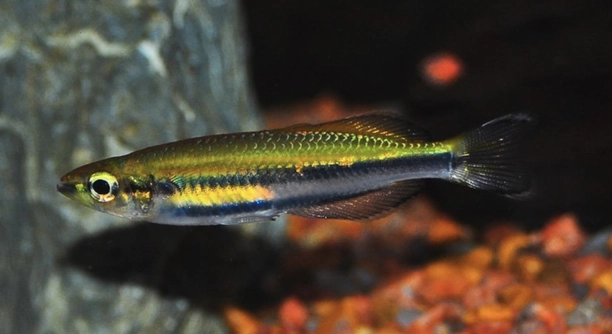
Have you ever noticed your fish swimming past their food without interest? Watching them ignore meals can be worrying, especially when you are careful about their tank and nutrition. Understanding their behavior can help maintain a healthy environment.
Fish may stop eating due to a variety of hidden factors, including poor water quality, illness, stress from overcrowding, sudden temperature changes, inappropriate diet, parasitic infections, or lack of stimulation in their environment.
Identifying these causes early can improve your fish’s health and prevent long-term problems in your aquarium.
Poor Water Quality
Maintaining clean water is essential for fish health, yet it is often overlooked. Even small amounts of ammonia, nitrites, or nitrates can stress fish and reduce their appetite. Cloudy or foul-smelling water may indicate that filtration is insufficient or that cleaning routines are inconsistent. Changes in pH or hardness can also affect feeding behavior. Fish are highly sensitive to their environment, and even minor fluctuations in water parameters can make them reluctant to eat. Observing your tank daily helps you notice these changes early. Regular testing and partial water changes are simple but effective steps to keep water conditions stable. Introducing new fish without proper quarantine can also introduce bacteria or parasites that reduce feeding. Overfeeding can worsen water quality, leaving uneaten food to decay and release harmful chemicals. Balanced care ensures a safe and comfortable environment, which naturally encourages normal eating patterns.
Monitoring water conditions consistently can prevent appetite loss. Test for ammonia, nitrites, nitrates, and pH regularly and perform timely water changes.
Ensuring water quality requires more than weekly cleaning. Proper filtration, regular water testing, and observing fish behavior together create a reliable system. Avoid overcrowding, as it increases waste and stress. Feeding small amounts appropriate for the species prevents leftover food from decomposing. Sudden changes, like adding tap water without dechlorination, can shock fish and reduce eating. Temperature fluctuations, even by a few degrees, affect metabolism and digestion. Fish may hide or swim listlessly in poor conditions. Using high-quality water conditioners and maintaining equipment ensures consistent health. Even minor improvements, like replacing filter media or checking aeration, can restore appetite quickly. Over time, establishing a routine builds a stable environment, making fish more comfortable and willing to feed. Observation remains key; noting unusual behavior or reduced food interest helps address issues before serious health problems arise.
Stress from Overcrowding
Overcrowded tanks create competition for food and space, causing stress and reduced feeding. Fish need room to swim and hide, and too many companions can lead to aggressive behavior.
Stress affects fish appetite and can weaken their immune system. Proper stocking levels and territorial arrangements improve feeding and overall health.
Providing adequate space, hiding spots, and avoiding rapid introduction of new fish reduces tension. Territorial species should be monitored closely to prevent bullying. Separating aggressive individuals and maintaining balanced numbers helps all fish access food without intimidation. Observation of interactions and adjusting tank population gradually ensures a calmer environment. Fish are more likely to eat regularly when they feel secure and undisturbed. Environmental enrichment, like plants or decorations, offers refuge and reduces stress-induced feeding issues. Overcrowding also accelerates waste accumulation, which impacts water quality and further discourages eating. Careful planning and regular monitoring keep fish comfortable and maintain normal feeding patterns.
Sudden Temperature Changes
Fish are sensitive to sudden temperature shifts. Rapid heating or cooling can shock their system, causing stress and loss of appetite. Even a few degrees difference may affect metabolism and digestion, making feeding irregular or completely refused.
Temperature changes influence oxygen levels and metabolism, which directly impacts feeding behavior. Fish may hide or reduce movement to conserve energy when water is too cold or too warm. Using a reliable heater and thermometer helps maintain consistent conditions. Avoid placing tanks near windows, heaters, or air conditioners that create fluctuating temperatures. Gradual adjustments are safer when moving fish between tanks or during seasonal changes. Stable temperature helps maintain normal digestion and encourages regular eating habits. Sudden changes also weaken the immune system, increasing susceptibility to disease, which further reduces feeding. Keeping a consistent environment allows fish to feel secure and comfortable in their habitat, improving their willingness to eat over time.
Proper acclimation when introducing fish to a new tank is crucial. Slowly adjusting water temperature using a drip or float method prevents shock. This step is especially important for tropical species, which thrive within a narrow temperature range. Sudden water changes, even when replacing only a portion of the tank water, should be minimized. Monitoring water temperature daily ensures stability, and investing in a high-quality heater or chiller helps maintain precise control. Fish fed in stable conditions are more likely to eat consistently, reducing stress-related feeding issues. Consistency in temperature also supports digestion and prevents lethargy or hiding behavior caused by discomfort.
Illness or Parasites
Illnesses and parasites can drastically reduce fish appetite. Symptoms often include lethargy, unusual swimming patterns, or visible spots and lesions. Prompt identification and treatment are essential to restore feeding habits.
Internal parasites can damage organs or intestines, making digestion painful or inefficient. Bacterial and fungal infections often result in inflammation or mucus buildup, which discourages eating. Quarantining new fish and maintaining proper hygiene reduces disease introduction. Observing behavior and appearance daily allows for early detection before the problem worsens. Medications or natural remedies may be required, depending on the type of infection. Stress from illness can also amplify feeding issues, creating a cycle that requires attention. Nutritional support, like easily digestible food or medicated diets, can encourage eating during recovery. Maintaining clean water and proper temperature supports the fish’s immune system, helping them overcome illness and return to normal feeding routines. Regular tank maintenance and monitoring help prevent most outbreaks.
Inappropriate Diet
Feeding fish the wrong type of food can lead to reduced appetite. Some species require specific nutrients, and offering unsuitable flakes or pellets may cause them to ignore meals.
Overfeeding or giving too much variety at once can also confuse fish. Sticking to species-appropriate food and consistent portions encourages regular eating.
Lack of Stimulation
Fish need an engaging environment to feel comfortable eating. A bare tank or lack of hiding places can make them stressed, reducing interest in food. Introducing plants, rocks, or decorations provides security and encourages natural feeding behavior.
Recent Tank Changes
Sudden rearrangements or adding new decorations can unsettle fish. Stress from changes in their familiar environment may cause temporary loss of appetite until they adjust.
Overfeeding
Providing too much food at once can result in uneaten leftovers. Fish may ignore excess food, leading to irregular feeding patterns and water quality issues.
FAQ
Why is my fish ignoring food even though the tank looks fine?
Even when the tank appears clean, hidden factors like minor water parameter changes or stress from nearby activity can affect appetite. Fish are sensitive to ammonia, nitrite, or pH shifts. Observing behavior and testing water regularly can reveal subtle issues that aren’t immediately obvious.
How can I tell if my fish is sick or has parasites?
Look for unusual behavior such as lethargy, hiding, rapid gill movement, or loss of balance. Physical signs include spots, lesions, swelling, or stringy feces. Early detection is key; isolating affected fish and consulting treatment options helps prevent the problem from spreading to the rest of the tank.
Can temperature really affect my fish’s appetite?
Yes, temperature directly impacts metabolism. If water is too cold, digestion slows, and fish may refuse food. If it’s too warm, stress and oxygen depletion can reduce eating. Maintaining a stable, species-appropriate temperature with a reliable heater or thermometer supports normal feeding habits.
What role does stress from overcrowding play?
Overcrowding creates competition for food and space. Aggressive interactions and limited hiding spots can intimidate fish, causing them to skip meals. Proper stocking levels, territorial arrangements, and environmental enrichment like plants or decorations help reduce stress and encourage regular eating.
Is it possible that diet alone is causing my fish not to eat?
Yes, fish may ignore food that doesn’t meet their nutritional needs. Some species require live food, frozen options, or specific nutrient content. Overfeeding or giving too much variety at once can confuse them. Consistent, species-appropriate feeding helps maintain appetite and health.
How long will it take for my fish to start eating again after stress or illness?
Recovery varies depending on the cause and severity. Minor stress or temporary changes may resolve in a day or two. Illness or parasite infections may take several days to weeks with proper treatment. Supporting the fish with clean water, stable conditions, and suitable food aids recovery.
Can water changes make a difference in feeding behavior?
Yes, partial water changes remove waste, reduce toxins, and stabilize pH, which encourages fish to eat. Sudden or large changes, however, can stress fish. Gradual adjustments and routine maintenance maintain a healthy environment that promotes appetite.
What should I do if one fish refuses food while others eat normally?
Individual differences can occur, especially if a fish is weaker, stressed, or sick. Observe closely, check water quality, and consider isolating the fish for treatment if signs of illness appear. Adjusting feeding strategies or offering preferred food types can help encourage eating.
Does tank setup affect feeding habits?
Yes, decorations, plants, and hiding spots create a comfortable environment, reducing stress and promoting normal feeding. Bare or overly exposed tanks may make fish feel vulnerable, which can result in skipped meals. Providing natural hiding areas supports confidence and appetite.
Can overfeeding cause long-term appetite problems?
Repeated overfeeding leads to uneaten food, poor water quality, and digestive issues. Fish may begin to ignore excess food, and chronic water problems can stress them further. Feeding small, measured amounts appropriate to the species prevents these issues and encourages consistent eating.
Are there signs that my fish is adjusting well after a change?
Yes, fish that resume regular swimming, exploring, and feeding indicate adjustment. Bright coloration, responsive behavior, and consistent appetite show they are comfortable in the new environment. Monitoring for stress signs ensures they continue eating normally.
How often should I check water parameters to support feeding?
Daily observation of fish behavior combined with weekly testing of ammonia, nitrite, nitrate, and pH is recommended. Any sudden changes should be addressed immediately. Consistent monitoring creates a stable environment that encourages regular feeding habits.
Can introducing new fish affect appetite of existing fish?
Yes, new arrivals can stress established fish, causing temporary loss of appetite. Proper quarantine, gradual introductions, and providing hiding spaces help minimize stress and restore normal feeding patterns. Monitoring interactions ensures all fish feel secure enough to eat.
What foods are easiest for stressed or sick fish to eat?
Soft, easily digestible options like soaked flakes, gel foods, or small live/frozen foods are suitable. Medicated diets can help during illness. Feeding small amounts multiple times a day increases the likelihood of consumption and supports recovery.
How can I prevent feeding problems in the future?
Maintain stable water parameters, provide species-appropriate diets, avoid overcrowding, and monitor fish behavior regularly. Gradual changes to the tank environment and consistent cleaning routines reduce stress and support appetite. Observing patterns early prevents long-term feeding issues and promotes healthier, happier fish.
What should I do if none of these solutions work?
If fish continue refusing food despite proper care, consult a veterinarian specializing in aquatic animals. Persistent appetite loss can indicate underlying health issues that require professional diagnosis and treatment. Early intervention improves the chances of recovery and prevents further complications.
Maintaining the health and appetite of your fish requires attention to multiple factors. Water quality is one of the most important aspects, as fish are highly sensitive to changes in ammonia, nitrite, nitrate, pH, and temperature. Even if the tank looks clean, small fluctuations in these parameters can stress fish and lead to a reduced appetite. Regular water testing and partial water changes help keep conditions stable. Proper filtration and routine maintenance also prevent waste buildup, which can quickly affect water quality and feeding behavior. Overfeeding should be avoided, as leftover food can decay and further harm the tank environment. Keeping a consistent routine and observing your fish daily allows you to notice changes early and take action before problems worsen.
Another significant factor is the physical and social environment of your fish. Overcrowding creates stress and competition for food, which often leads to some fish eating less or refusing food entirely. Providing sufficient space and hiding places allows fish to feel secure while they eat. Environmental enrichment, like plants, rocks, and decorations, encourages natural behavior and reduces stress. Sudden changes to the tank, such as rearranging decorations or introducing new fish, can also disrupt feeding temporarily. Gradual adjustments and careful observation help fish acclimate more easily and return to normal eating habits. Temperature stability is equally important, as sudden heating or cooling affects metabolism and can cause fish to skip meals. Maintaining a consistent, species-appropriate temperature supports digestion and overall well-being.
Finally, health issues and diet play a major role in appetite. Illnesses, parasites, and infections can make feeding painful or uncomfortable, while improper or inconsistent diets may lead to food being ignored. Observing fish for unusual behavior, visible signs of disease, or changes in appearance allows early intervention. Feeding small amounts of species-appropriate food and, if needed, offering medicated or easily digestible options can encourage eating during recovery. Supporting fish with clean water, stable conditions, and proper nutrition strengthens their immune system and helps prevent further problems. By paying attention to water quality, environment, and diet, you can create a balanced habitat that encourages healthy feeding habits and overall well-being. Consistency, observation, and prompt response to changes are key to ensuring your fish remain healthy and maintain a normal appetite over time.

Hello,
If you enjoy the content that we create, please consider saying a "Thank You!" by leaving a tip.
Every little bit helps us continue crafting quality advice that supports the health, happiness, and well-being of pets around the world, for pets of all shapes, sizes, and species.
We really appreciate the kindness and support that you show us!