
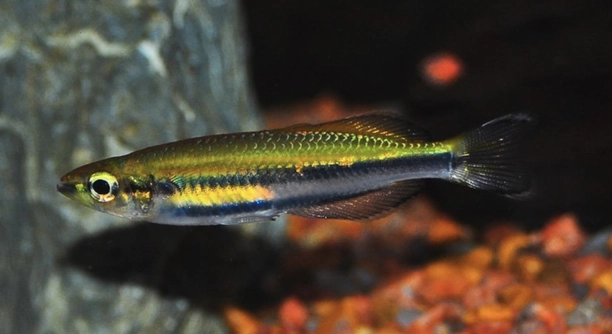
Rainbowfish are small, colorful freshwater fish that are popular in home aquariums. They are naturally social and prefer to live in groups, which allows them to display their bright colors and active behavior.
Rainbowfish require sufficient space to school effectively because overcrowding can disrupt their natural swimming patterns, increase stress levels, and limit social interactions. Providing a larger tank ensures healthier fish and allows them to maintain proper formation while moving together.
Creating the right environment for your rainbowfish is essential for their overall well-being and vibrant appearance in the aquarium. Proper space supports natural behavior and a harmonious tank community.
The Importance of Tank Size
Rainbowfish are active swimmers that need room to move freely. A small or crowded tank restricts their movement, which can lead to stress and unhealthy behavior. In a spacious aquarium, they can form natural schools, swim side by side, and explore without bumping into one another. This space allows them to interact as they would in their natural habitat. Overcrowding can also increase aggression and competition for food, making it harder to maintain harmony. Proper tank size encourages growth, strengthens immune systems, and reduces the risk of disease. It’s not just about fitting more fish in a tank; it’s about giving each rainbowfish a comfortable environment that supports physical activity and mental stimulation. Plants and decorations can be added, but leaving open swimming areas is crucial. Monitoring the number of fish relative to tank volume ensures each rainbowfish has enough space to thrive.
A tank that allows swimming freedom improves the overall health and coloration of rainbowfish.
When setting up a tank, consider that rainbowfish need both vertical and horizontal space. A 30-gallon tank can hold a small school, but larger groups require significantly more room. Decorations should provide hiding spots without obstructing swimming paths. Regular maintenance, including water changes and monitoring water parameters, helps sustain a healthy environment. Observing how fish interact can indicate whether the tank is too small or if adjustments are needed. Spacing impacts feeding behavior, social interaction, and reproduction, making tank size a top priority.
Benefits of Proper Schooling
Proper schooling reduces stress and encourages natural behavior among rainbowfish.
When rainbowfish have enough space to school, they display synchronized swimming, improved coloration, and stronger social bonds. Schooling reduces fear responses because fish feel safer in groups. It also helps distribute food evenly, preventing dominant individuals from monopolizing resources. Crowded conditions disrupt these patterns, causing constant competition and stress, which may suppress appetite and weaken immune systems. Observing a healthy school is rewarding, as it reflects a balanced environment and attentive care. Ensuring that each fish has room to join the school freely maintains harmony in the tank and reduces aggression. Tank layout, water quality, and the number of individuals all influence schooling effectiveness. Proper attention to these factors allows rainbowfish to thrive naturally. Regular monitoring and adjustments are necessary to sustain this balance and create a visually dynamic and healthy aquarium.
Feeding and Space Considerations
Overcrowded tanks make feeding challenging for rainbowfish. Limited space causes some fish to miss out while others dominate the food, leading to uneven growth and weaker immune systems.
Rainbowfish need room to move while feeding to ensure all individuals get their share of food. In a cramped tank, smaller or less aggressive fish may struggle to compete, leaving them undernourished. Providing space allows everyone to swim freely and access food without constant confrontation. Proper distribution of food and observing feeding behavior can prevent health issues. Using multiple feeding points and spreading food evenly supports the schooling group and keeps all fish active and healthy.
Feeding in a spacious tank also encourages natural foraging behavior. Rainbowfish can swim around plants and decorations while searching for food, which keeps them mentally stimulated. Sufficient space reduces competition and stress, promoting uniform growth. Healthy schooling patterns ensure that all fish receive nutrition and remain strong. Monitoring their eating habits regularly allows for adjustments in feeding amounts and tank layout. This attention helps maintain a balanced environment and vibrant coloration.
Tank Layout and Decorations
Open swimming areas are essential for rainbowfish to school effectively. Decorations should not block paths or create overcrowded zones.
Plants and decorations provide hiding spots and visual interest, but overcrowding the tank with items restricts movement and disrupts schooling. Rainbowfish need clear pathways to move side by side and maintain proper formation. Placing taller plants along the edges and leaving the center open helps achieve this balance. Rocks or driftwood can be used sparingly to create visual layers without interfering with swimming space. Regularly checking how the fish navigate around decorations can help optimize the tank layout. Adjusting placement ensures they can move naturally and interact freely.
Tank layout also affects water circulation and oxygen levels. Cluttered tanks may create stagnant areas, making some parts less comfortable for rainbowfish. Open spaces improve water flow, reduce stress, and allow fish to spread out evenly during schooling. Providing unobstructed areas also supports breeding behavior and reduces aggressive interactions. Decorations should be placed strategically to combine hiding spots with open swimming zones. Observing the fish over time helps refine placement, ensuring a balanced environment that supports both activity and safety. This approach encourages healthier fish, better coloration, and stronger social interactions within the school.
Water Quality and Space
Adequate space helps maintain stable water conditions for rainbowfish. Overcrowding can increase waste buildup, causing higher ammonia and nitrate levels that stress fish and compromise their health.
Maintaining water quality is easier in a properly sized tank. More water volume dilutes waste and allows beneficial bacteria to process toxins efficiently. Proper filtration combined with regular water changes keeps the environment clean and supports healthy schooling behavior. Monitoring parameters like temperature, pH, and hardness ensures the fish remain comfortable and active, reducing disease risk.
Stress Reduction Through Proper Space
Crowded tanks cause stress and aggressive behavior among rainbowfish. Each fish needs enough room to swim freely and interact naturally. Stress can weaken immune systems and stunt growth. Proper spacing allows schools to form naturally, minimizing conflict and supporting overall well-being.
Observing Behavior
Watching rainbowfish interact can indicate whether the tank provides enough space. Natural schooling, bright colors, and active swimming are positive signs.
Group Size Guidelines
Keeping the right number of rainbowfish in a tank is essential. Too few fish prevents natural schooling, while too many cause crowding. A balanced group ensures healthy social interaction, stable hierarchy, and reduced stress, supporting both behavior and physical health over time.
FAQ
How many rainbowfish should I keep together?
Rainbowfish are social creatures and need to be in groups to thrive. A small school of at least six fish is recommended for smaller tanks, while larger tanks can support 10 to 15 or more. Maintaining an appropriate group size encourages natural schooling behavior, reduces stress, and helps fish display their vibrant colors more fully. When there are too few, fish may become shy or inactive, while overcrowding leads to aggression and competition for food. Balancing the number of fish with tank size is essential for long-term health and proper social interaction.
What tank size is best for rainbowfish?
The tank size depends on the number of fish and the species. For a small school of six, a minimum of 30 gallons is recommended, while larger schools need at least 50 gallons or more. Sufficient space allows fish to swim side by side, maintain their school formation, and reduce stress. It also improves water quality, as larger volumes dilute waste and make maintaining stable conditions easier. Open swimming areas should be prioritized, while decorations and plants should be arranged to leave central space free. Proper tank size supports healthy growth, schooling, and overall well-being.
Can rainbowfish live alone?
Rainbowfish can survive alone, but they will not thrive. These fish are naturally social and rely on group interactions for safety, activity, and proper behavior. A single fish may become stressed, shy, or inactive, and its colors might fade over time. Keeping at least a small school ensures that each fish can interact, establish social hierarchy, and swim naturally. Observing a single fish alone will not provide a true sense of its behavior, and it may appear nervous or lethargic. Providing a group is essential for both mental and physical health.
How does overcrowding affect rainbowfish?
Overcrowding leads to stress, poor water quality, and disrupted schooling patterns. Fish may become aggressive, compete for food, and show signs of illness. High waste levels increase ammonia and nitrate, making the environment unhealthy. Overcrowded tanks prevent fish from swimming naturally and reduce oxygen circulation. Proper spacing helps avoid these issues, allowing each rainbowfish to maintain normal behavior, grow properly, and remain active. Observing the tank layout and the number of fish regularly ensures that conditions remain balanced.
What are signs that my rainbowfish need more space?
Signs include constant chasing, hiding, faded colors, and irregular schooling. Fish may appear stressed, swim frantically, or show aggression toward tank mates. Reduced feeding efficiency or illness can also indicate insufficient space. Observing how they move, interact, and spread throughout the tank provides clues. Providing more room or rearranging decorations can help alleviate these problems and encourage healthy schooling.
How should I arrange decorations for schooling?
Keep open areas in the center for swimming and schooling. Place taller plants, rocks, or driftwood along the edges or corners to provide hiding spots without blocking movement. Avoid cluttering the tank, which can limit schooling formation and cause stress. Balanced placement allows fish to explore, swim freely, and maintain natural behavior while enjoying visual enrichment.
Does tank size affect breeding?
Yes, a larger tank supports breeding by providing open areas for courtship and reducing stress. Crowded tanks can prevent spawning and lead to aggression. Proper space, combined with stable water conditions, ensures eggs and fry are safe and increases the likelihood of successful reproduction.
How can I maintain water quality in a larger tank?
Regular water changes, appropriate filtration, and monitoring of ammonia, nitrite, and nitrate levels are key. Larger tanks dilute waste more effectively, but consistent maintenance is necessary to support healthy fish. Checking temperature, pH, and hardness ensures the environment remains comfortable, allowing rainbowfish to school naturally and remain vibrant.
Can different species of rainbowfish be kept together?
Yes, but compatibility depends on size, temperament, and water requirements. Choosing species with similar behavior and tank needs allows harmonious schooling and reduces aggression. Avoid mixing large, dominant fish with smaller, shy species to maintain balance and ensure all fish can swim freely and interact normally.
How often should I observe my rainbowfish?
Daily observation helps identify stress, aggression, or health problems early. Monitoring schooling behavior, feeding, and activity ensures that tank size and layout remain adequate. Regular attention allows adjustments in group size, decorations, or feeding practices, keeping the fish healthy, active, and displaying their best colors.
Final Thoughts
Rainbowfish are lively, colorful fish that bring energy and visual appeal to any aquarium. Their natural behavior revolves around schooling, which is a group activity where they swim together in synchronized patterns. This behavior is not just for show; it is crucial for their mental and physical well-being. Without enough space, rainbowfish cannot move freely, which can cause stress and limit their natural activity. Stress can weaken their immune system, making them more vulnerable to diseases, and can also dull their bright colors. A properly sized tank gives each fish the room it needs to swim comfortably, interact naturally, and maintain healthy social dynamics. Space allows the fish to form schools as they would in the wild, supporting their instincts and making the tank a more harmonious environment.
The layout of the tank is just as important as its size. Decorations, plants, and hiding spots are beneficial, but they must be placed thoughtfully to avoid overcrowding. Leaving open areas in the center allows rainbowfish to swim side by side and maintain their school formation. Overcrowding with decorations or placing obstacles in key swimming paths can interfere with schooling, increase aggression, and reduce the overall quality of life for the fish. Balanced placement of plants and other features also encourages natural foraging behavior while still providing shelter when needed. Observing how the fish navigate the tank is a simple way to determine whether the space and layout are adequate. Adjustments over time may be necessary to ensure the school remains active and healthy. A well-thought-out environment helps rainbowfish thrive physically, mentally, and socially.
Maintaining water quality and monitoring group size are equally important for the overall well-being of rainbowfish. Overcrowding not only stresses the fish but also leads to higher waste levels, which can cause spikes in harmful chemicals like ammonia and nitrate. Regular water changes, adequate filtration, and careful observation of water parameters ensure a clean and stable environment. Keeping the right number of fish in relation to tank size supports proper schooling, reduces stress, and allows each fish to access food evenly. When these factors are managed effectively, rainbowfish can display their full coloration, remain active, and develop strong social bonds within the school. By prioritizing space, layout, and water quality, aquarium owners can create a healthy, balanced environment where rainbowfish can live comfortably and express their natural behaviors fully.

Hello,
If you enjoy the content that we create, please consider saying a "Thank You!" by leaving a tip.
Every little bit helps us continue crafting quality advice that supports the health, happiness, and well-being of pets around the world, for pets of all shapes, sizes, and species.
We really appreciate the kindness and support that you show us!