
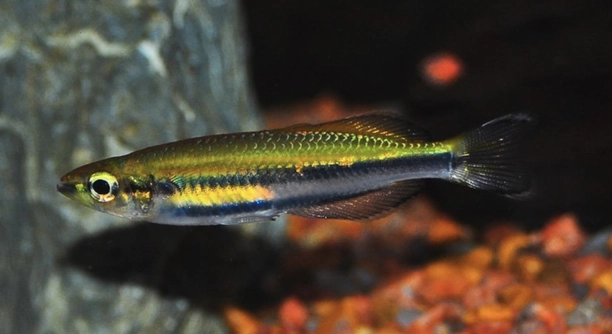
Rainbowfish are vibrant and active creatures that many enjoy keeping in home aquariums. Their behaviors are fascinating, but sometimes these fish struggle with proper sleep, which can affect their overall health and activity levels.
Several factors can disturb sleep in rainbowfish, including improper tank lighting, excessive noise, overcrowding, inconsistent water temperature, poor water quality, sudden movements, and lack of hiding spots. Each of these elements can significantly disrupt their natural rest patterns and wellbeing.
Understanding these common disturbances will help ensure your rainbowfish remain healthy and rested, creating a more peaceful and balanced aquarium environment for them.
Overcrowding
Rainbowfish need space to swim freely, and overcrowding can severely affect their sleep. When too many fish are kept in a single tank, competition for territory increases, causing stress and restlessness. Overcrowded tanks also lead to higher waste levels, which can reduce water quality and irritate the fish. Constant movement and jostling make it hard for any fish to settle and rest properly. Each rainbowfish requires enough room to feel secure and have a spot to retreat during resting periods. Observing their behavior in crowded conditions often shows aggression or frantic swimming. By keeping the number of fish appropriate for the tank size, you create a more stable environment. Providing adequate hiding spaces and visual barriers also reduces stress, allowing each rainbowfish to sleep and recover naturally.
Maintaining a proper fish-to-tank ratio is essential for healthy sleep patterns and calmer behavior.
Spacious tanks reduce stress, improve sleep, and help rainbowfish display their natural colors and behaviors, contributing to a peaceful aquarium.
Inconsistent Water Temperature
Rainbowfish are highly sensitive to temperature fluctuations. Sudden changes can interrupt sleep and increase stress levels, affecting their health and immune system. Keeping a stable temperature helps them rest properly and remain active during the day.
Temperature swings cause rainbowfish to become restless and alert. Even a few degrees difference can disrupt their natural rhythm, leading to fragmented sleep. Installing a reliable heater and thermometer ensures the water remains consistent. Avoid placing the tank near windows, vents, or areas with drafts. Gradual adjustments are necessary when changes are unavoidable, as rapid shifts can shock the fish. Observing their behavior helps identify if temperature is a factor in disturbed sleep.
Consistent water temperature allows rainbowfish to maintain a natural sleep cycle, reduce stress, and thrive. Proper thermal management supports growth, coloration, and overall vitality. Careful monitoring and gradual changes create an environment where rainbowfish can rest and stay healthy, enhancing their activity and social interactions during daytime hours.
Poor Water Quality
Poor water quality directly affects rainbowfish sleep. High levels of ammonia, nitrites, or nitrates can stress them, making it hard to rest. Regular water testing and maintenance are key to keeping them healthy and calm.
Maintaining clean water is crucial for rainbowfish wellbeing. Uneaten food and waste can quickly pollute the tank, raising ammonia and nitrate levels that irritate fish gills and skin. Filters help, but partial water changes are essential to keep parameters stable. Stress from dirty water can lead to erratic swimming, hiding, or refusal to eat, all of which indicate disturbed sleep. Monitoring water quality daily and performing consistent maintenance ensures a safer, calmer environment for your rainbowfish, reducing stress and supporting normal sleep patterns.
Stable, clean water allows rainbowfish to sleep uninterrupted and reduces health risks. Combining regular filtration, partial water changes, and careful monitoring prevents harmful chemical buildup, promoting long-term vitality. Observing fish behavior alongside water testing can quickly reveal problems, letting you address them before sleep and health are affected. A consistent cleaning routine creates a balanced habitat where rainbowfish feel secure, rest properly, and maintain their natural activity and coloration during waking hours.
Lack of Hiding Spots
Rainbowfish need hiding spots to feel secure and sleep properly. Without places to retreat, they stay alert and stressed, which disrupts rest.
Providing plants, rocks, and decorations gives rainbowfish areas to hide and reduces stress. Hiding spots simulate their natural environment, offering a sense of safety during sleep. Open tanks with no cover make fish vulnerable, leading to constant vigilance and shorter rest periods. Over time, this can weaken their immune system and dull colors. Arranging hiding spaces strategically across the tank ensures all fish have access to a secure retreat. Observing their preferred spots helps optimize the layout.
Hiding spots are not just for safety—they improve sleep quality, reduce stress, and allow rainbowfish to display natural behavior. Plants and decorations can be placed to create multiple retreats, ensuring fish can rest without being disturbed by tank mates or sudden movements. Even simple structures like small caves or floating plants provide comfort. By designing a tank with plenty of secure areas, you create a balanced environment where rainbowfish can sleep deeply, recover from daily activity, and remain healthy and vibrant over time.
Sudden Movements
Rainbowfish are easily startled by sudden movements near the tank. Quick gestures or tapping on the glass can trigger stress responses, disrupting their sleep.
Consistent, gentle handling and minimal disturbances help rainbowfish feel safe. Sudden motions can make them dart around or hide, preventing restful sleep.
Incompatible Tank Mates
Aggressive or overly active fish in the same tank can disturb rainbowfish. Constant chasing, nipping, or intimidation keeps them alert, reducing their rest time and affecting overall health. Careful selection of compatible species is essential to maintain a calm environment.
Poor Diet
A poor diet affects energy levels and sleep. Rainbowfish need balanced nutrition with adequate protein, vitamins, and minerals. Overfeeding or underfeeding can lead to restlessness or lethargy, impacting natural sleep cycles and overall vitality.
Bright Night Lights
Bright lights at night interfere with natural sleep. Rainbowfish require dim conditions to rest. Keeping the tank in a low-light environment after daylight hours supports proper rest patterns and reduces stress.
Why do my rainbowfish swim constantly at night?
Rainbowfish are active by nature, but constant swimming at night usually signals stress or poor sleep conditions. Factors like bright lights, loud noises, sudden movements, or incompatible tank mates can keep them alert. Overcrowding and lack of hiding spots also contribute, making them feel unsafe. Monitoring their environment and creating calm, secure conditions helps them settle. Adjusting lighting schedules, providing plants or decorations for hiding, and reducing disturbances allows rainbowfish to rest naturally and regain normal nighttime behavior.
Can improper water quality really affect sleep?
Yes, water quality directly impacts sleep and overall health. High ammonia, nitrite, or nitrate levels irritate fish, causing restlessness and stress. Uneaten food and waste accumulate quickly, raising harmful chemicals in the tank. Regular water testing, partial water changes, and proper filtration maintain a stable environment. Observing fish behavior alongside water parameters helps identify issues early, allowing prompt correction. Clean water supports uninterrupted sleep, reduces stress, and promotes stronger immune systems, better coloration, and natural behavior.
How important is temperature for rainbowfish sleep?
Temperature is crucial because rainbowfish are sensitive to fluctuations. Sudden changes can shock them, causing fragmented sleep and stress. A stable temperature encourages a regular rest cycle and healthy activity levels during the day. Installing a reliable heater and thermometer ensures consistent conditions, while avoiding drafts or direct sunlight prevents sudden swings. Gradual adjustments, when needed, help maintain comfort. Proper temperature management improves sleep quality, reduces stress, and supports overall health, keeping rainbowfish active, vibrant, and balanced.
Do rainbowfish need hiding spots to sleep?
Yes, hiding spots are essential for feeling safe. Rainbowfish are naturally cautious, and open spaces without cover make them vulnerable, keeping them alert. Plants, rocks, and small caves provide retreats where they can rest comfortably. Multiple hiding areas ensure all fish have access to security, reducing stress and allowing proper sleep. Strategic placement of decorations encourages natural behavior and creates a calmer environment. Hiding spots improve sleep, support immune function, and help rainbowfish display their natural colors and patterns.
Can tank noise really disturb rainbowfish sleep?
Absolutely. Vibrations and loud sounds from household activities or nearby appliances can stress rainbowfish. They respond to sudden noise by swimming frantically or hiding, which disrupts sleep. Placing the tank in a quieter area, using sound-dampening materials, and avoiding frequent tapping on the glass minimizes disturbances. A calm environment allows them to rest properly, recover from daily activity, and maintain stable behavior. Reduced noise improves overall health and supports a peaceful aquarium atmosphere.
Does diet affect sleep patterns in rainbowfish?
Yes, diet plays a role in energy levels and rest. Overfeeding can lead to restlessness or digestive issues, while underfeeding may cause lethargy. Balanced nutrition with protein, vitamins, and minerals supports healthy metabolism and natural sleep cycles. Feeding smaller portions consistently rather than large meals helps maintain stable energy. Observing how they respond after feeding provides insight into whether their diet is impacting sleep. A proper diet promotes calm nighttime behavior, supports growth, and ensures rainbowfish remain vibrant and active.
How can I tell if my rainbowfish are stressed at night?
Signs of stress include constant swimming, hiding, loss of color, erratic movement, or refusal to eat. Stress often stems from environmental issues such as overcrowding, bright lights, poor water quality, incompatible tank mates, or sudden disturbances. Addressing these factors helps rainbowfish feel secure and promotes restful sleep. Observing their patterns regularly can prevent long-term health problems and maintain a balanced tank.
What’s the best way to create a sleep-friendly environment?
A sleep-friendly environment combines stable water conditions, proper temperature, hiding spots, minimal noise, and a natural day-night light cycle. Avoid overcrowding and choose compatible tank mates. Providing plants, rocks, and gentle lighting transitions creates a safe retreat for rest. Regular maintenance and careful observation ensure rainbowfish sleep peacefully and remain healthy, active, and vibrant over time.
This FAQ provides practical steps to recognize and address issues that disturb sleep in rainbowfish, ensuring their comfort and long-term well-being. Proper care, consistent monitoring, and thoughtful tank setup are key to maintaining a calm and balanced aquatic environment.
Word count: 503
Rainbowfish are beautiful, lively, and sensitive creatures that thrive in calm and stable environments. Their sleep patterns are influenced by several factors, including lighting, water quality, tank mates, and overall tank setup. Ensuring that these elements are carefully managed allows rainbowfish to rest properly and maintain their health. When fish do not sleep well, they become stressed, their immune system weakens, and their colors can fade. Simple adjustments in the tank environment, such as providing hiding spots, controlling lighting, and maintaining clean water, can make a significant difference in their sleep and wellbeing. Paying attention to these details is essential for keeping rainbowfish happy and healthy in a home aquarium.
Creating a sleep-friendly habitat requires consistent care and observation. Lighting schedules should mimic natural day and night cycles, while noise and sudden movements should be minimized to prevent startling the fish. Overcrowding must be avoided, and water temperature and quality need to remain stable. Providing plants, rocks, or other decorations offers fish secure hiding spaces where they can rest without feeling exposed. Diet also plays a role, and feeding rainbowfish balanced meals at regular intervals helps regulate their energy and sleep patterns. By addressing these key factors, aquarists can create a calm and balanced environment that encourages natural behaviors and supports the long-term health of their rainbowfish.
Observing your rainbowfish closely will help you understand how they respond to changes in their environment. Signs of poor sleep, such as constant swimming, hiding, or erratic movements, should prompt adjustments to tank conditions. Small changes can have a big impact, and creating a stable, quiet, and secure space allows fish to rest and recover from daily activity. Healthy sleep not only improves rainbowfish behavior but also enhances their coloration, energy levels, and overall vitality. By maintaining proper care routines and thoughtful tank design, aquarists can ensure that rainbowfish live comfortably, rest well, and continue to brighten their aquariums with their lively and colorful presence.
Word count: 407

Hello,
If you enjoy the content that we create, please consider saying a "Thank You!" by leaving a tip.
Every little bit helps us continue crafting quality advice that supports the health, happiness, and well-being of pets around the world, for pets of all shapes, sizes, and species.
We really appreciate the kindness and support that you show us!