
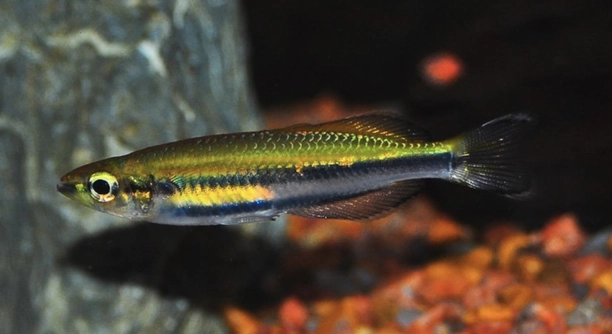
Keeping fish healthy and lively requires more than just clean water and food. Many owners overlook the small habits that can help their fish remain active and alert throughout the day. Attention to these habits makes a big difference.
Fish stay active and alert through consistent feeding schedules, proper tank maintenance, environmental enrichment, varied diet, adequate lighting, appropriate tank mates, and monitoring water conditions. These factors collectively support physical health, mental stimulation, and natural behavior patterns essential for wellbeing.
Understanding these habits can transform your fishkeeping routine. Each small adjustment in care can significantly improve your fish’s energy, engagement, and overall health.
Consistent Feeding Schedule
Keeping a regular feeding routine is key to maintaining fish activity. Feeding at the same time each day helps fish anticipate meals and stay engaged. Overfeeding can lead to sluggish behavior and water quality issues, while underfeeding can reduce energy levels. I’ve noticed that my fish swim eagerly toward the surface when it’s near feeding time, showing clear signs of alertness. Offering small portions multiple times a day can encourage movement and prevent uneaten food from polluting the tank. Tracking the schedule with a simple chart or alarm ensures consistency. Even minor disruptions in feeding times can affect their behavior, making them less active or more stressed. Alongside feeding, observing their responses during these times provides insight into their overall health. Active fish usually respond quickly, exploring the tank and interacting with decorations or plants. By keeping a predictable routine, fish adapt to their environment better, showing more lively and natural behaviors over time.
Maintaining a feeding schedule promotes healthy activity and reduces stress, ensuring fish remain energetic and alert throughout the day.
Following a regular feeding routine not only improves fish activity but also supports digestion and growth. When fish know when to expect food, they are more likely to explore the tank actively. I personally find that offering slightly varied foods on different days keeps them curious and responsive, avoiding monotony. Observing their behavior around feeding times can reveal early signs of illness or discomfort, allowing for prompt intervention. In addition to promoting movement, a consistent schedule encourages social interaction among fish, particularly in community tanks. Overall, this habit strengthens both physical health and mental engagement, making daily care easier and more satisfying.
Proper Tank Maintenance
Keeping the tank clean and stable is essential for active fish. Dirty or unstable water conditions can make fish lethargic and less responsive, even when food is available. Regular water changes, monitoring temperature, and checking pH levels prevent stress and support natural swimming behavior.
Regular maintenance is crucial to avoid water imbalances. A clean environment allows fish to swim freely, explore, and interact with each other.
Maintaining tank health requires attention to multiple factors. I make it a habit to replace a portion of the water weekly while checking for leftover food or waste that can harm water quality. Filters must be cleaned regularly without disturbing beneficial bacteria too much. Stable temperature and proper aeration ensure fish remain comfortable and active. Decorations and plants also need occasional care to prevent algae buildup, which can restrict swimming space. Observing fish daily helps detect any early signs of stress or illness caused by poor water conditions. By staying on top of maintenance, fish are more alert, swim more naturally, and interact confidently with their environment, reflecting both their physical and mental wellbeing.
Environmental Enrichment
Adding plants, decorations, and hiding spots keeps fish stimulated and active. Movement through different areas encourages natural behaviors and reduces boredom. Even simple changes in the tank layout can spark curiosity and increase swimming activity.
I like to rotate decorations occasionally to keep the environment interesting. Plants not only provide cover but also simulate natural habitats, encouraging exploration. Rocks and small caves give fish a sense of security while promoting active swimming and interaction. Toys like floating rings or gentle currents can create playful challenges that engage their senses. Observing fish use these features shows how much mental stimulation impacts their alertness. Without enrichment, I’ve noticed fish tend to linger in one spot, appearing less energetic and attentive.
Environmental enrichment also supports social behavior in community tanks. Fish learn to navigate around obstacles and interact with each other more confidently. By providing varied spaces and stimuli, you encourage natural instincts, reduce stress, and maintain overall vitality. Over time, the tank becomes a dynamic environment where fish remain lively and mentally engaged.
Varied Diet
Offering different types of food prevents nutritional deficiencies and keeps fish interested in feeding. Changing the diet occasionally ensures they get all essential nutrients.
I rotate between flakes, pellets, and frozen or live foods. This variation supports growth and boosts energy levels. Some fish respond eagerly to certain foods, which makes feeding times more engaging. A varied diet can stimulate hunting or foraging behavior, keeping fish alert.
Providing a range of foods has a significant impact on activity. I make sure to include protein-rich options, vegetables, and occasional treats. Live or frozen foods like brine shrimp encourage movement, as fish chase them around the tank. Rotating textures and flavors keeps feeding interesting, preventing boredom and lethargy. A consistent yet varied diet also strengthens immunity and overall health. Observing fish enjoy different foods reassures me they are getting balanced nutrition while staying active. This approach combines health benefits with mental stimulation, helping fish thrive physically and behaviorally.
Adequate Lighting
Proper lighting supports fish activity and natural behavior. Too little light can make fish sluggish, while too much can stress them. I keep a consistent light schedule to mimic day and night cycles.
I use a timer to ensure regular periods of light and darkness. Fish respond well to predictable cycles, swimming actively during light hours and resting naturally at night.
Appropriate Tank Mates
Choosing compatible tank mates prevents stress and encourages active behavior. Aggressive or overly timid fish can disrupt swimming patterns and reduce alertness. I carefully select species that coexist peacefully.
Monitoring Water Conditions
Regularly checking temperature, pH, and ammonia levels is essential. Sudden changes make fish lethargic. I test water weekly to ensure stability and maintain a healthy, active environment.
Stimulating Currents
Gentle water currents encourage swimming and exploration. Fish move more naturally when there is some flow, keeping them engaged and alert. I adjust filter settings to create mild circulation without overwhelming the tank.
FAQ
How often should I feed my fish to keep them active?
Feeding frequency depends on the species, but generally, two small meals per day work well. I’ve found that splitting their food into smaller portions prevents overfeeding and keeps them moving. Fish anticipate feeding times, swimming actively toward the surface, which shows alertness and engagement. Avoid leaving uneaten food in the tank, as it can pollute the water and lead to health issues.
What types of food are best for energy and alertness?
A varied diet supports both health and activity. I alternate flakes, pellets, and frozen or live foods. Protein-rich options like brine shrimp or daphnia encourage movement, while vegetables or algae-based foods provide essential nutrients. Rotating foods keeps fish interested and mentally stimulated, preventing boredom. Some species respond better to live foods because chasing stimulates natural hunting instincts, making them more active. Using a mix of textures and flavors helps maintain energy levels and overall vitality.
How important is tank size for keeping fish active?
Tank size directly impacts swimming space and activity. Larger tanks allow fish to move freely, explore decorations, and interact with tank mates. In smaller tanks, I’ve noticed fish become less energetic and sometimes stressed. Overcrowding can lead to competition for food and hiding spots, reducing overall alertness. Providing adequate space helps fish exhibit natural behaviors, promotes exercise, and improves mental stimulation. Even small adjustments, like adding vertical or horizontal swimming space, can significantly increase activity.
Can lighting affect fish behavior?
Yes, lighting strongly influences activity. I use a consistent schedule of light and darkness to mimic natural day-night cycles. Fish are more active during light periods and rest during darkness. Too much light can cause stress, while too little may make fish sluggish. Adjustable timers help maintain stability, ensuring fish stay alert while preventing sudden disruptions to their natural rhythm. Proper lighting also supports plant growth, which further enriches the environment.
How often should I clean the tank?
Regular maintenance is critical. I perform partial water changes weekly and monitor for debris, leftover food, or waste. Filters should be cleaned carefully to avoid harming beneficial bacteria. Clean water keeps fish active, reduces stress, and supports immune health. Observing fish during cleaning helps spot any signs of illness or lethargy early, maintaining a lively and alert tank environment.
Do tank mates influence fish activity?
Yes, choosing compatible tank mates impacts behavior. Aggressive species can intimidate others, reducing swimming and alertness, while overly timid fish may hide frequently. I select species with similar temperaments to encourage social interaction and play. Properly matched tank mates stimulate movement, exploration, and natural behaviors, keeping all fish active and engaged.
Can plants and decorations really make a difference?
Absolutely. Plants and hiding spots create stimulation and security. I rotate decorations occasionally to maintain interest. Fish explore, interact with their environment, and feel safe moving around, which enhances activity. Even simple additions like rocks, caves, or floating elements can encourage swimming and playful behavior, keeping fish mentally and physically alert.
How do water parameters affect energy levels?
Stable water conditions are essential for activity. Temperature, pH, and ammonia levels must be monitored regularly. Sudden fluctuations stress fish, making them lethargic. I test the water weekly and adjust as needed to maintain balance. Consistent, healthy water conditions allow fish to swim naturally, explore decorations, and respond quickly to feeding, reflecting alertness and overall wellbeing.
Is it necessary to create currents in the tank?
Yes, gentle currents encourage natural swimming behavior. I adjust filter output to create mild flow without overwhelming the fish. Currents promote exploration, prevent stagnation, and provide mental stimulation. Fish actively swim against or with the flow, which keeps them engaged and alert while supporting physical fitness.
How can I tell if my fish are truly active and healthy?
Active fish show consistent swimming patterns, respond to feeding, explore their environment, and interact with other fish. I look for bright coloration, smooth movement, and regular energy levels. Lethargy, hiding, or erratic swimming can indicate stress, illness, or poor water quality. Monitoring these behaviors ensures fish remain lively and healthy.
How long does it take to see changes after improving care?
Results vary, but I usually notice increased activity within a few days to a week. Adjusting feeding, enrichment, water quality, and tank mates gradually boosts energy and alertness. Observing small improvements in swimming, interaction, and responsiveness signals that habits are positively impacting fish behavior.
Are there common mistakes that reduce fish activity?
Overfeeding, poor water quality, improper tank mates, and lack of enrichment are frequent issues. I focus on balanced care, routine cleaning, and varied stimulation to prevent lethargy. Avoiding these mistakes helps maintain active, alert, and healthy fish over the long term.
Can fish get bored, and how can I prevent it?
Yes, fish can become bored without stimulation. I provide hiding spots, plants, decorations, and varied foods to keep them engaged. Even minor changes like rotating decor or adding mild currents encourage curiosity and movement, preventing boredom and supporting alertness.
Do temperature changes impact fish activity?
Temperature directly affects metabolism and energy. I maintain species-appropriate temperatures using heaters or coolers as needed. Sudden changes can slow movement, reduce feeding response, or stress fish. Stable, comfortable conditions ensure they swim naturally, stay energetic, and respond quickly to environmental cues.
How can I monitor mental stimulation in fish?
Observation is key. I watch how fish explore, interact with tank mates, chase food, or navigate decorations. Active engagement with their environment indicates good mental stimulation. Adjustments like adding plants, rearranging ornaments, or introducing mild currents help maintain curiosity and alert behavior consistently.
Final Thoughts
Keeping fish active and alert takes attention to several small but important habits. Consistent feeding, proper tank maintenance, and varied diets all work together to support both physical health and mental stimulation. I have seen how even minor adjustments, like changing the tank layout or adding new plants, can make a noticeable difference in activity levels. Fish respond to predictable schedules, clean water, and an enriched environment by swimming more, exploring, and interacting naturally. These habits are not difficult to follow, but they require a level of consistency and observation. Over time, you begin to notice patterns in behavior, such as the way fish gather near the surface before feeding or how they explore new hiding spots. Paying attention to these cues allows you to make small improvements that keep them engaged. A tank that seems lively and full of motion reflects the overall care and attention given, and it becomes a space where fish thrive both physically and mentally.
Environmental enrichment plays a significant role in keeping fish alert. Adding decorations, plants, and hiding spaces gives them places to explore and interact with. I often rearrange elements of the tank to provide new routes and areas to investigate. Gentle water currents, along with varied foods, add another level of stimulation. Watching fish respond to these changes shows how mental engagement affects activity. Even small species, which may seem simple at first, benefit greatly from these adjustments. They swim more confidently, interact with tank mates, and display natural behaviors that indicate well-being. Mental stimulation also reduces stress and prevents boredom, which can otherwise cause fish to become lethargic. By focusing on both physical needs and environmental complexity, you create an ecosystem that supports alertness and healthy behavior. Each change, no matter how small, can encourage natural instincts like hunting, exploring, or social interaction, contributing to a more active and lively tank.
Water quality and tank conditions remain fundamental. Fish rely on stable temperatures, clean water, and balanced pH levels to remain energetic. I regularly test the tank and make adjustments as needed, ensuring that conditions are always suitable for the species I keep. Tank mates should also be carefully chosen to prevent aggression or excessive hiding, which can decrease activity. Proper lighting, scheduled feeding, and observation complete the routine that maintains alertness. By combining these practices, fish can thrive in a healthy environment where they remain curious, mobile, and responsive. Consistency is key; sudden changes or neglect can quickly reduce energy and increase stress. Maintaining these habits may seem demanding at first, but it becomes part of daily care and provides visible results. Watching fish swim actively, explore their surroundings, and respond to their environment is rewarding, showing that attentive care leads to both healthier and happier fish. Over time, these habits ensure a balanced, vibrant tank where fish display their natural behavior and stay alert every day.

Hello,
If you enjoy the content that we create, please consider saying a "Thank You!" by leaving a tip.
Every little bit helps us continue crafting quality advice that supports the health, happiness, and well-being of pets around the world, for pets of all shapes, sizes, and species.
We really appreciate the kindness and support that you show us!