
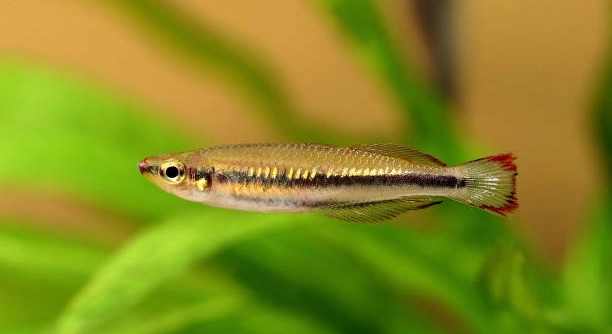
Are your aquarium fish showing unusual behavior or lingering in one area for long periods? Changes in water flow can affect their comfort and overall health. Observing subtle shifts can help maintain a balanced tank environment.
Insufficient or uneven water flow in a tank can lead to waste buildup, poor oxygen distribution, and stress in aquatic life. Regular monitoring and adjustments ensure that the habitat remains healthy and supports the well-being of all tank inhabitants.
Recognizing the signs of improper water flow allows you to take timely action. Maintaining the right circulation keeps your aquarium thriving and your aquatic pets happy.
Fish Gathering in One Spot
When fish start clustering in one area of the tank, it usually indicates uneven water flow. They tend to seek spots with gentle currents, avoiding strong or turbulent areas. Over time, stagnant water can lead to low oxygen levels, causing discomfort for aquatic life. Observing where fish gather can reveal how your tank’s flow affects their daily activity. Adjusting the filter or adding a circulation pump can help create a more balanced environment. Even minor changes in placement can make a noticeable difference. Fish behavior often signals underlying issues, so paying attention can prevent stress and health problems. A well-distributed current supports natural swimming patterns and encourages feeding in different areas, promoting overall vitality. Regularly checking water movement helps maintain consistency and keeps your tank ecosystem stable. Noticing these small patterns is an easy way to identify when adjustments are necessary and ensure the tank remains a comfortable habitat.
Adjusting flow gradually helps fish adapt without causing sudden stress or shock.
Small shifts in filter direction or adding a powerhead can guide currents more evenly, reducing concentrated gatherings. Consistency is key.
Uneven Plant Movement
Plants that sway only in certain sections indicate inconsistent water circulation. Weak currents prevent nutrients from reaching all areas. Proper flow ensures that leaves move gently, mimicking natural environments. Stagnant zones can promote algae growth and limit gas exchange, which affects both plants and fish. Correcting water flow can help plants receive adequate light and nutrients, improving overall growth. Using flow deflectors or repositioning decorations can redirect currents to areas that need more movement. Observing plant motion provides a simple visual cue for flow effectiveness. Maintaining a balanced current supports oxygenation and nutrient distribution, benefiting the entire tank ecosystem. Over time, even slight changes can enhance plant health, reduce debris buildup, and keep fish active. Recognizing these patterns early prevents long-term complications and keeps your aquarium visually appealing and biologically stable.
Cloudy Water
Cloudy water often signals poor circulation or trapped debris. Uneven flow prevents proper filtration, allowing particles to remain suspended. Adjusting water movement can clarify the tank and improve overall water quality.
Debris and waste can accumulate in corners where flow is weak. Filters work best when water passes through them consistently, so stagnant zones reduce efficiency. Even small changes, like angling the filter output or adding a circulation pump, can improve turnover. Maintaining regular water changes and cleaning filter media also supports clarity. Over time, balanced flow reduces cloudiness and keeps fish and plants healthier. Observing water clarity daily helps catch problems early and prevents buildup from affecting the tank ecosystem.
Cloudy water can also impact oxygen levels and plant health. Particles block light, reducing photosynthesis and creating stress for fish. Proper circulation ensures even distribution of nutrients and gas exchange. Combining flow adjustments with regular maintenance improves clarity and stabilizes the tank environment. Recognizing flow-related cloudiness early prevents algae blooms and maintains a visually appealing, healthy aquarium.
Uneven Temperature Zones
Uneven water flow can create temperature differences across the tank. Warm or cold spots affect fish behavior and plant growth, making some areas less hospitable than others.
Flow ensures that heated or cooled water circulates evenly. Without proper movement, heaters and chillers cannot distribute temperature consistently, leaving certain sections too hot or too cold. Fish may avoid extreme areas, concentrating in zones that match their preferred temperature. This can increase stress, reduce feeding, and limit natural activity. Adjusting flow with powerheads or repositioning equipment helps achieve even heat distribution. Monitoring temperature in multiple locations can confirm improvements. Consistent water movement supports a stable environment, benefiting both fish and plants.
Maintaining uniform temperature improves metabolic rates and encourages healthy swimming patterns. Plants thrive with steady heat, while fish avoid thermal stress. Regular checks and flow adjustments prevent long-term damage and keep the aquarium balanced, ensuring all inhabitants remain active and comfortable.
Excessive Algae Growth
Uneven water flow can cause algae to grow faster in stagnant areas. Dead spots trap nutrients, giving algae an advantage over plants. Improving circulation reduces buildup and promotes a cleaner tank.
Targeted flow adjustments help distribute nutrients evenly, limiting algae hotspots. Powerheads or filter repositioning can prevent excess growth and maintain a balanced environment.
Filter Struggling
Filters may struggle when water flow is inconsistent or too slow. Debris collects in certain areas, reducing efficiency and requiring more frequent cleaning. Ensuring consistent flow helps filters operate at full capacity and keeps water quality stable.
Uneven Substrate Movement
Uneven water currents can prevent substrate particles from shifting naturally. Detritus may settle in low-flow areas, creating hidden buildup. Adjusting flow helps keep the substrate cleaner and ensures a healthier environment for bottom-dwelling species.
FAQ
How do I know if my tank’s water flow is too weak?
Weak water flow can be noticed when fish cluster in certain areas, plants barely move, or debris accumulates in corners. Filters may appear less effective, and cloudiness can persist. Observing fish behavior and water clarity over time helps identify low-flow issues.
Can strong water flow harm my fish?
Yes, excessive flow can stress fish, especially species that prefer calm waters. Fish may struggle to swim or hide in shelters constantly. Balancing the flow according to the species’ needs prevents fatigue, injury, or reduced feeding activity. Adjusting filter output or using flow deflectors can help.
How often should I adjust the water flow?
Water flow should be checked during routine maintenance, roughly every week. Changes in tank size, decoration placement, or stocking levels may require flow adjustments. Observing fish behavior, plant movement, and filter performance can guide timing. Regular tweaks prevent long-term issues and support a stable ecosystem.
Will adding more decorations affect water circulation?
Yes, decorations can block or redirect flow, creating dead zones. Over time, these areas may accumulate debris or foster algae. Repositioning items or adding circulation aids like powerheads ensures water reaches all areas evenly, supporting both plants and fish.
How do I improve flow without stressing my fish?
Gradual changes are key. Slowly redirect filter output, add deflectors, or adjust powerheads over several days. Monitor fish behavior closely to ensure they adapt comfortably. Avoid sudden increases in flow, which can cause panic, injury, or hideaway behavior in sensitive species.
What equipment helps maintain even water flow?
Powerheads, circulation pumps, and adjustable filter outlets are effective tools. Powerheads boost movement in stagnant zones, while deflectors guide currents to specific areas. Choosing equipment suitable for the tank size and inhabitants ensures flow is consistent without over-stressing fish or plants.
Can uneven flow affect plant health?
Yes, plants rely on water movement for nutrient distribution and gas exchange. Stagnant areas may limit growth or promote algae competition. Adjusting flow ensures all plants receive nutrients and light, supporting uniform growth and maintaining a visually appealing, balanced aquarium.
How do I monitor if flow adjustments are effective?
Watch fish activity, substrate movement, and plant sway. Clear water, reduced debris buildup, and healthier fish behavior indicate improved circulation. Measuring flow rates with simple tools or observing temperature distribution also confirms that changes are beneficial for the tank environment.
Does tank size influence how I adjust water flow?
Larger tanks require stronger circulation or multiple flow sources to reach all areas. Smaller tanks may only need minor adjustments. Consider the tank’s volume, shape, and layout when positioning filters, pumps, and deflectors to ensure consistent movement throughout the environment.
What are signs that flow changes are working?
Fish swim comfortably across the tank, plants sway gently, and debris no longer accumulates in corners. Water remains clear, and algae growth is controlled. Consistent oxygen levels and uniform temperature across the tank also indicate that flow adjustments are effective.
How often should I clean equipment affecting water flow?
Filters, pumps, and powerheads should be cleaned according to manufacturer guidelines, typically every two to four weeks. Regular maintenance prevents clogs that reduce circulation. Ensuring equipment functions properly maintains consistent flow and supports long-term tank health.
Can flow adjustments reduce maintenance needs?
Yes, proper circulation minimizes debris buildup, reduces stagnant areas, and limits algae growth. With improved flow, water quality remains more stable, making routine maintenance easier and less frequent, while supporting healthier fish and plants throughout the aquarium.
Final Thoughts
Maintaining proper water flow in a tank is essential for the health and comfort of both fish and plants. Uneven or weak circulation can lead to a variety of issues, from clustered fish to debris buildup and algae growth. Observing your tank regularly allows you to spot these problems early and take action before they affect the overall environment. Small adjustments, like redirecting filter output or adding a powerhead, can make a noticeable difference in water movement. Even subtle changes in flow can improve oxygen distribution, ensure nutrients reach all plants, and prevent stagnant zones where waste might accumulate. Paying attention to how fish behave and where they spend most of their time can provide valuable clues about circulation patterns. A tank that flows consistently supports natural swimming patterns, promotes plant growth, and reduces the risk of long-term health problems for all inhabitants.
Proper water flow also helps maintain clarity and cleanliness in the aquarium. Stagnant areas often allow particles to settle, leading to cloudy water or excess detritus. By adjusting flow and ensuring even circulation, filtration becomes more effective, and waste is carried to areas where it can be removed easily. Plants benefit from this as well, as moving water distributes nutrients evenly and supports healthy photosynthesis. Maintaining consistent flow also stabilizes temperature across the tank, preventing cold or warm pockets that can stress fish. Regular monitoring and minor adjustments help keep water movement balanced and consistent over time. The goal is to create an environment where both fish and plants thrive naturally, reducing the need for constant intervention. Consistency in flow supports a more stable ecosystem, which in turn makes maintenance easier and the tank more enjoyable to observe.
Taking the time to understand and manage water flow ultimately improves the overall quality of the aquarium. By focusing on circulation, you protect your fish from stress, reduce algae growth, and encourage healthy plant development. Simple actions, like repositioning equipment or adding circulation aids, have lasting effects on tank stability and the well-being of all inhabitants. Watching how fish and plants respond to changes allows for informed adjustments that maintain balance. Over time, a properly flowing tank becomes a self-sustaining environment where maintenance is more manageable and the ecosystem remains healthy. Keeping flow in check ensures that every corner of the tank is active and clean, supporting the long-term health of fish and plants alike. Observing, adjusting, and maintaining proper water movement makes the aquarium not just a decorative feature, but a thriving habitat that supports life naturally.

Hello,
If you enjoy the content that we create, please consider saying a "Thank You!" by leaving a tip.
Every little bit helps us continue crafting quality advice that supports the health, happiness, and well-being of pets around the world, for pets of all shapes, sizes, and species.
We really appreciate the kindness and support that you show us!