
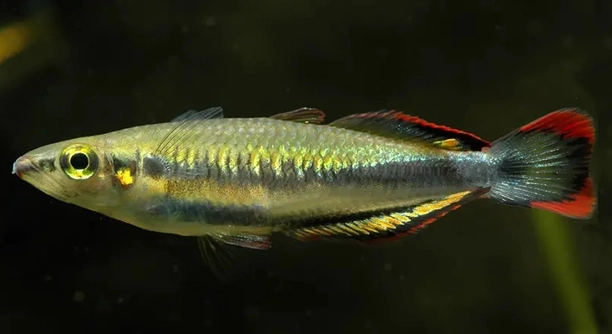
Mixing fish species in the same tank can seem simple at first, but subtle differences in behavior, size, and environmental needs can lead to unexpected problems. Many aquarists overlook these details, causing unnecessary stress for their fish.
Incorrect combinations of fish species can result in aggression, disease transmission, stunted growth, and poor water quality. Understanding species compatibility is essential for maintaining a balanced aquatic environment and ensuring the health and longevity of all fish within the tank.
Learning which fish can coexist peacefully is essential for a thriving aquarium. The following guide highlights common mistakes and how to avoid them.
Aggression Between Species
Aggression is one of the most common problems when mixing fish. Some fish are naturally territorial, while others are more passive. When aggressive species are placed with calmer ones, the peaceful fish often suffer from constant stress, hiding, and injury. Over time, this can weaken their immune systems and increase vulnerability to disease. Aggression can be triggered by limited space, competition for food, or breeding behaviors. Even fish that seem compatible in size can develop unexpected hostility. Observing interactions closely during the first few weeks is essential. Providing plenty of hiding spots, plants, and decorations can reduce direct confrontations. Some fish may never adjust, requiring relocation or separation into different tanks. Avoiding high-risk pairings from the start saves time, reduces stress, and ensures the overall health of your aquarium. Choosing fish with similar temperaments is the best preventive measure. Careful planning will help create a peaceful and balanced tank environment.
Aggression between mismatched species can lead to injuries, stress, and long-term health issues. Monitoring behavior is critical.
Keeping fish together requires understanding individual temperaments and tank space. Stress from aggressive interactions can stunt growth and increase susceptibility to infections. Planning ahead and knowing which species can coexist is essential for a safe, healthy aquarium environment.
Different Environmental Needs
Fish species often require specific water temperatures, pH levels, and hardness to thrive. Mixing species with differing environmental preferences can create conditions that are harmful to one or more inhabitants. Some tropical fish need warmer water, while others thrive in cooler conditions. pH differences can affect metabolism, digestion, and overall health. Water hardness impacts osmoregulation and stress levels. Trying to maintain conditions suitable for all species may seem manageable at first, but subtle imbalances can accumulate over time. Fish may show signs of illness such as faded colors, reduced appetite, or erratic swimming. Regular testing of water parameters helps identify stress triggers early. Adjusting tank setups to mimic natural habitats improves survival rates and keeps fish healthy. In some cases, keeping species with incompatible needs in separate tanks is the only solution. Awareness and proactive measures ensure that all fish can flourish in a stable and suitable environment.
Incorrect environmental conditions can weaken fish and increase disease risks. Always match species to compatible water parameters.
Selecting fish with similar environmental requirements reduces stress and maintains water quality. Attention to temperature, pH, and hardness creates a stable habitat, helping all species thrive and preventing preventable health problems.
Overcrowding
Overcrowding happens when too many fish share the same tank, causing stress, poor water quality, and increased aggression. Even compatible species can become territorial or stressed if space is limited. Proper stocking levels are essential for maintaining a healthy environment.
Excessive fish density reduces swimming space, leading to constant confrontations and heightened stress levels. Stress can suppress immune systems, making fish more prone to infections. Overcrowding also increases waste production, quickly deteriorating water quality. Filtration systems may struggle to maintain clean water, leading to spikes in ammonia and nitrites, which are toxic to fish. Overcrowded tanks often force dominant fish to claim territories aggressively, while weaker individuals may hide constantly, avoiding food. Uneven feeding can result, with some fish starving while others overeat. Careful calculation of tank capacity, considering adult sizes, prevents these problems and supports balanced behavior.
Maintaining proper fish density ensures stable water conditions and reduces stress. Observing interactions and adjusting numbers when needed helps keep all fish healthy.
Disease Transmission
Mixing fish species increases the risk of spreading diseases. Some fish carry pathogens without showing symptoms, exposing others to illness. Quarantining new arrivals helps prevent outbreaks and keeps the tank safe.
Diseases like ich, fin rot, and bacterial infections can quickly spread when fish of different origins are mixed. Stress from aggression, overcrowding, or incompatible environmental conditions weakens immunity, making outbreaks more likely. Certain species are more resistant to specific illnesses, while others are highly susceptible. Parasites and bacteria can be transmitted through shared water, plants, or decorations. Observing fish closely for unusual behavior, discoloration, or damaged fins allows early intervention. Maintaining clean water, consistent temperature, and proper nutrition reduces susceptibility. Quarantining new fish for at least two weeks before adding them to the main tank significantly decreases disease risks. Preventive care and early detection are essential for protecting all species in a mixed aquarium.
Stunted Growth
Stunted growth can occur when fish are stressed by aggressive tank mates or poor nutrition. Smaller, weaker fish may not get enough food, limiting their development.
Incompatible species with different feeding habits can also cause uneven growth. Fast-growing or dominant fish may outcompete slower species, leaving them undernourished.
Overfeeding Conflicts
Overfeeding often results when multiple species with different dietary needs share the same tank. Some fish eat more aggressively, leaving others with insufficient nutrition. This imbalance can lead to obesity in dominant species and malnutrition in more timid fish, affecting overall health. Proper feeding schedules and portion control prevent these conflicts.
Water Quality Issues
Different fish species produce varying amounts of waste, impacting water quality. Excess waste increases ammonia, nitrite, and nitrate levels, which can stress or poison fish. Even well-maintained tanks can struggle if incompatible species with high bioloads are mixed. Regular monitoring, partial water changes, and appropriate filtration are essential to maintain a safe and stable aquatic environment for all species.
Breeding Problems
Some fish may breed excessively or aggressively when mixed with other species. This can create territorial disputes, increased stress, and population imbalances that disrupt tank harmony. Managing breeding behavior is necessary to maintain stability and prevent overpopulation.
FAQ
What are the most common signs of aggression in a mixed-species tank?
Signs of aggression include chasing, nipping at fins, and territorial behavior. Fish may hide frequently or avoid certain areas of the tank. Aggressive interactions can lead to injuries, torn fins, and stress-related behaviors like erratic swimming or loss of appetite.
How can I prevent disease when adding new fish?
Quarantining new fish for at least two weeks is essential. This allows time to observe for signs of illness before introducing them to the main tank. Maintaining clean water, proper filtration, and consistent temperature also reduces disease risks. Avoid introducing fish from unknown or poorly maintained sources.
Can aggressive fish ever coexist with peaceful species?
Some aggressive fish may coexist if the tank is large enough and has plenty of hiding spots. Adding decorations, plants, and caves can reduce direct confrontation. However, some species are naturally too aggressive and may never adjust, requiring separate tanks for safety.
What is the best way to manage overcrowding?
Overcrowding is controlled by calculating the tank’s capacity based on adult fish size. Regular monitoring of fish behavior and growth helps identify stress from limited space. Partial water changes and proper filtration are essential to maintain water quality when fish density is high.
How do environmental differences affect fish health?
Fish have specific temperature, pH, and water hardness requirements. Mixing species with differing needs can stress fish, weaken immunity, and reduce lifespan. Maintaining stable parameters suited to all species in the tank is crucial. Testing water regularly ensures that conditions remain within safe limits.
Why do some fish fail to grow in mixed-species tanks?
Smaller or timid fish may be outcompeted for food by larger or more aggressive tank mates. Stress from bullying or poor nutrition slows growth. Ensuring evenly distributed feeding and choosing species with similar temperaments can help prevent stunted growth.
How can I avoid overfeeding conflicts?
Feed fish according to their species-specific needs and monitor eating patterns. Using multiple feeding areas or feeding in stages ensures timid fish get enough nutrition. Avoid giving more food than the tank can handle to maintain water quality and prevent obesity.
What are the signs of poor water quality?
Cloudy water, algae overgrowth, unusual odors, and fish showing stress behaviors like gasping at the surface indicate poor water conditions. Regular testing for ammonia, nitrites, nitrates, and pH is necessary. Addressing these issues early prevents long-term health problems.
How can breeding behavior cause problems in mixed tanks?
Excessive breeding can increase territorial disputes and overcrowding. Some fish may become aggressive to protect eggs or fry, while others may prey on offspring. Managing population size and separating breeding species helps maintain a balanced tank environment.
Is it safe to mix fish with very different dietary needs?
Mixing species with different diets can lead to malnutrition or overfeeding. Carnivores may eat more protein, while herbivores need plant-based foods. Providing separate feeding areas and tailored diets ensures all fish receive proper nutrition without competing aggressively for food.
How often should I monitor a mixed-species tank?
Daily observation helps identify early signs of stress, aggression, or disease. Weekly water testing ensures environmental parameters remain stable. Immediate action when problems arise prevents long-term damage and supports a healthy, balanced tank for all species.
What steps help maintain harmony among mixed fish species?
Choosing compatible species, providing sufficient space, maintaining stable water conditions, and ensuring balanced feeding routines are key. Decorations, hiding spots, and plants help reduce stress and aggression, supporting coexistence and overall fish health.
Can aggressive fish behavior be corrected over time?
Some aggressive behavior may decrease if the tank is well-planned and enriched. However, inherent aggression often persists, and separating incompatible species may be necessary to prevent stress, injury, or death. Careful planning is more effective than attempting behavior correction.
How do I know if my tank is too small for certain fish combinations?
Signs include constant chasing, overcrowding, and uneven feeding. Fish may hide excessively or show stunted growth. Calculating space based on adult fish size and behavior ensures the tank supports peaceful coexistence. Larger or multiple tanks may be required for certain combinations.
What preventive measures reduce risks in mixed-species tanks?
Researching species compatibility, quarantining new fish, maintaining stable water conditions, controlling feeding, and monitoring behavior are essential. Regular tank maintenance and early problem detection keep fish healthy and reduce long-term issues in a mixed-species aquarium.
Mixing fish species in a single tank can seem like a simple way to create a vibrant aquarium, but it requires careful planning and attention. Each species has its own temperament, dietary needs, and environmental preferences. Overlooking these differences can lead to aggression, stunted growth, and health problems. Even fish that appear compatible may develop conflicts if space is limited or hiding spots are scarce. Observing the behavior of all fish closely during the first few weeks is important to identify any issues early. Adjustments such as rearranging decorations, adding plants, or providing multiple feeding stations can help reduce tension and create a more balanced environment. Choosing species that naturally get along and thrive under similar conditions makes management easier and improves the long-term health of the tank.
Water quality is a critical factor when mixing species. Different fish produce different amounts of waste, and a higher bioload can quickly overwhelm filtration systems. Ammonia, nitrites, and nitrates can rise to dangerous levels if not monitored and managed regularly. Even minor fluctuations in water temperature, pH, or hardness can stress fish, making them more susceptible to disease. Providing consistent water conditions through regular testing, partial water changes, and appropriate filtration supports all species in the tank. Maintaining a clean and stable environment reduces the risk of illness and promotes growth and vitality. Fish that are healthy and stress-free are less likely to become aggressive or malnourished, which helps maintain harmony among different species.
Diet and feeding practices are equally important. Different species have different nutritional requirements, and failure to provide adequate food for all can result in malnutrition or overfeeding. Aggressive feeders may dominate meals, leaving timid fish undernourished. Using multiple feeding spots, controlling portions, and offering species-specific diets ensures that all fish receive proper nutrition. Observing feeding behavior and adjusting practices as needed helps prevent conflicts and supports growth. Overall, successful mixed-species aquariums depend on careful species selection, attention to behavior, and consistent environmental management. With planning and ongoing care, it is possible to create a balanced, thriving tank where all fish coexist peacefully and remain healthy.

Hello,
If you enjoy the content that we create, please consider saying a "Thank You!" by leaving a tip.
Every little bit helps us continue crafting quality advice that supports the health, happiness, and well-being of pets around the world, for pets of all shapes, sizes, and species.
We really appreciate the kindness and support that you show us!