
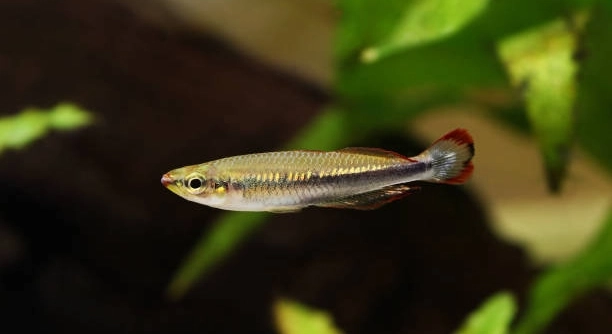
Are your aquarium inhabitants thriving as they should, or do you notice subtle changes in their behavior and environment? Maintaining a healthy tank requires attention to several key elements that often go unnoticed by many hobbyists.
Rotating items in the tank is essential for maintaining balance, reducing algae growth, and promoting fish health. Regular adjustments to decorations, plants, and substrates ensure even light distribution, proper water flow, and consistent nutrient cycling, supporting a stable ecosystem.
Making small, consistent changes can have a lasting impact on the overall well-being of your aquatic pets. These rotations help sustain a vibrant and healthy underwater environment.
Decorations and Ornaments
Decorations add visual interest to a tank, but they also impact fish behavior and water flow. Over time, algae can accumulate on ornaments, and constant placement in one spot can create stagnant areas. Rotating decorations periodically prevents buildup and promotes more even water circulation. Hardscape pieces like rocks, driftwood, or artificial structures should be moved every few weeks. This simple change helps reduce concentrated algae growth and creates fresh spaces for fish to explore. Different positions can also alter hiding spots and territory boundaries, reducing stress among territorial species. Plants attached to decorations benefit from rotation as well, allowing light exposure to reach all areas. Even small ornaments like shells or statues contribute to the ecosystem balance. By shifting these elements occasionally, you maintain both aesthetic appeal and a healthier environment. The overall effect is subtle but noticeable, improving water quality and fish activity while keeping the tank visually engaging. Consistent rotation ensures that your tank remains dynamic and healthy.
Rotating decorations supports fish health and prevents algae buildup. It also encourages natural behaviors and maintains a balanced aquatic environment.
Regular changes in ornament placement make fish more active. They explore new hiding spaces, reducing stress and enhancing their well-being consistently over time.
Substrate and Gravel
Substrate plays a vital role in nutrient cycling and waste management. Over time, food debris and waste settle in the gravel, creating pockets that may affect water quality. Rotating or gently stirring the substrate prevents anaerobic zones and ensures beneficial bacteria thrive throughout the tank. Different areas of the tank accumulate different amounts of detritus, so moving gravel and sand around helps maintain consistency. This practice also supports rooted plants by redistributing nutrients. In tanks with multiple substrate types, rotation ensures all species receive adequate exposure to essential minerals. For tanks with bottom-dwelling fish, rearranging substrate allows natural foraging behaviors to continue and reduces stress caused by stagnant areas. Regular substrate rotation also minimizes odor buildup and keeps the environment cleaner for longer periods. Even small adjustments, like shifting a corner of the tank or slightly elevating sections, can improve overall circulation. Paying attention to substrate helps create a healthier and more balanced aquatic system.
Rotating substrate enhances water quality and supports beneficial bacteria growth. It also encourages fish to explore and interact with their environment actively.
Plants
Rotating live plants ensures even light exposure and nutrient distribution. Some leaves may block others from sunlight if left in the same position, affecting growth. Moving plants allows healthier development and prevents weak or dying areas. It also encourages fish to interact naturally with their environment.
Regular movement of plants stimulates better growth and helps prevent algae from dominating certain sections. Adjusting positions occasionally lets each plant receive proper light and water flow. For rooted species, rotating can expose roots to fresh substrate, improving nutrient absorption. Floating plants also benefit by being repositioned to allow sunlight to reach lower plants. Fish enjoy new pathways and hiding spots created by these rotations. Over time, a small change in plant placement can make a noticeable difference in tank balance. Additionally, repositioning plants can help control shading, giving more delicate species a chance to thrive without competition. This method keeps the tank visually appealing while supporting overall ecosystem health.
Changing plant positions also influences fish behavior. They explore, hide, and interact differently, which reduces stress and creates a more natural, active environment for all tank inhabitants.
Filters and Equipment
Filters require rotation in the sense of maintenance and occasional repositioning for optimal water flow. Blocked areas can form if water is not evenly circulated, affecting oxygen levels and cleanliness. Regular checks ensure consistent performance.
Rotating filter locations or adjusting output direction prevents stagnant zones. It helps distribute oxygen and nutrients uniformly, supporting both plants and fish. Equipment like heaters, air stones, and pumps also benefit from repositioning. Over time, debris can accumulate around filters and intake areas. Shifting them slightly or cleaning during rotation ensures better efficiency. Different water flow patterns can reduce dead spots where detritus builds up. For powerheads or circulation pumps, adjusting angles occasionally can enhance water movement, prevent algae growth, and encourage fish to swim more actively. Even small changes in equipment placement make a measurable difference in tank stability, keeping the environment balanced and healthy for all aquatic life.
Lighting
Rotating light positions or adjusting timers ensures all areas of the tank receive adequate illumination. Uneven lighting can cause plants to grow poorly and encourage algae in shaded areas. Regular adjustments maintain a balanced environment for both flora and fauna.
Changing the angle or duration of light exposure prevents overgrowth in one area and promotes healthier plant development. It also helps fish maintain natural day-night cycles.
Decorations Cleaning
Regular cleaning of decorations prevents buildup of algae and detritus. Rotating which items are cleaned each week ensures no section is neglected, keeping the tank visually appealing and healthier.
Water Flow Patterns
Adjusting decorations, pumps, and filter outputs changes water flow patterns. Rotating flow directions prevents stagnant areas, reduces debris accumulation, and promotes consistent oxygenation throughout the tank.
Feeding Areas
Rotating feeding locations encourages fish to explore different parts of the tank. This prevents territorial disputes and ensures all fish receive proper nutrition.
FAQ
How often should I rotate decorations in my tank?
Rotating decorations every two to four weeks is usually sufficient. This keeps algae from building up in one spot and encourages fish to explore their environment. Minor shifts in position can make a noticeable difference in both aesthetics and tank health.
Is it necessary to move plants around?
Yes, rotating plants helps all leaves receive adequate light and prevents shading. For rooted plants, slight repositioning also exposes roots to fresh substrate, improving nutrient absorption. Floating plants benefit from being moved to allow sunlight to reach lower sections of the tank.
Should I adjust filter placement regularly?
Adjusting filters or their output direction occasionally prevents stagnant zones. Uneven water flow can lead to detritus accumulation and lower oxygen levels. Even small shifts improve circulation and benefit both fish and plants.
How do I rotate substrate without harming fish?
Gently stir or move small sections of substrate during routine maintenance. Avoid abrupt changes that could stress bottom-dwelling species. This helps prevent anaerobic pockets and ensures beneficial bacteria are evenly distributed throughout the tank.
Can rotating feeding areas reduce fish aggression?
Yes, changing feeding locations prevents territorial disputes and encourages all fish to explore the tank. This ensures even access to food and reduces stress among more aggressive or dominant individuals.
Do lighting adjustments matter if my tank has artificial plants?
Even with artificial plants, adjusting lighting helps prevent algae overgrowth and ensures a more visually balanced tank. Changing light angles or intensity occasionally can reduce shaded areas where algae tends to grow.
Will rotating pumps or powerheads improve tank health?
Yes, adjusting pumps or powerheads alters water flow patterns. This prevents dead spots where detritus collects and improves oxygen distribution. Fish also benefit from the more dynamic environment, which encourages natural swimming behavior.
Is it safe to rotate decorations in a heavily planted tank?
Yes, but move items carefully to avoid uprooting plants. Gradual rotation keeps plants healthy while providing fresh hiding spots for fish and preventing stagnant areas where waste accumulates.
How do I know if rotation is working?
Signs include healthier plants, more active fish, and reduced algae growth. Even small changes, like moving a rock or plant, can improve circulation and overall tank balance over time.
Can over-rotating cause problems?
Excessive movement may stress territorial fish or disturb rooted plants. Stick to gentle adjustments every few weeks to maintain balance without causing unnecessary disruption.
Should I clean decorations when I rotate them?
Yes, light cleaning during rotation removes algae and debris without harming beneficial bacteria. This supports both aesthetics and overall water quality, keeping the tank healthier and more attractive.
Does substrate rotation affect water chemistry?
Slight rotation helps distribute nutrients and prevents anaerobic pockets. Be gentle to avoid stirring up too much debris, which can temporarily cloud the water or alter parameters slightly. Regular, careful adjustments maintain a stable environment.
Are there fish species that dislike frequent rotation?
Some territorial or shy species may become stressed with frequent changes. Observe behavior and rotate more gradually for these fish to maintain comfort and reduce stress-related health issues.
How long does it take to see benefits from rotation?
Visible improvements, like healthier plants and more active fish, often appear within a few weeks. Consistency is key—small, regular rotations are more effective than occasional large shifts.
Does rotating water flow affect plant growth?
Yes, changing flow patterns distributes nutrients more evenly and prevents stagnant zones. Plants exposed to consistent water movement tend to develop stronger roots and healthier leaves.
Can I rotate decorations in a small tank?
Absolutely, but be gentle and mindful of limited space. Even minor adjustments can improve aesthetics, water flow, and fish activity without causing disruption.
Should I rotate filter media at the same time as equipment placement?
No, filter media should follow a regular cleaning or replacement schedule. Equipment rotation focuses on flow patterns, while media ensures proper filtration. Both contribute to overall tank health when maintained correctly.
Does rotating feeding areas affect algae growth?
Indirectly, yes. Moving feeding areas reduces uneaten food accumulating in one spot, which can otherwise fuel algae growth. Even small changes help maintain cleaner water and a healthier environment.
Is it necessary to rotate artificial plants?
While not essential for growth, rotating artificial plants improves light distribution, reduces algae buildup, and creates fresh hiding spaces for fish. This helps maintain a dynamic and engaging tank environment.
What is the easiest way to start rotating items in the tank?
Begin with decorations, then gradually include plants, feeding locations, and equipment. Make small adjustments regularly and monitor fish behavior and plant health to ensure balance. This method keeps changes manageable and effective.
Can rotation reduce maintenance time in the long run?
Yes, rotating decorations, plants, and equipment prevents concentrated waste buildup, reduces algae hotspots, and promotes even nutrient distribution, making cleaning and maintenance simpler over time.
How do I rotate items without stressing the fish?
Move items gently, avoid sudden large shifts, and do rotations when fish are less active. Gradual changes keep the environment stimulating without causing stress.
Does rotation benefit all types of tanks?
Yes, freshwater, planted, and community tanks all benefit. Even in smaller or simpler setups, rotations support fish activity, plant health, and water quality, contributing to a balanced and visually appealing tank.
How do I track the effectiveness of rotation?
Monitor plant growth, fish behavior, water clarity, and algae levels. Keep small notes or a photo log to see improvements over time. Regular observation ensures rotations are having the desired positive effects.
Are there any items I should avoid rotating?
Avoid moving fragile or deeply rooted plants too often, and be cautious with delicate decorations that could damage fish if shifted abruptly. Gentle adjustments are always safer for the tank ecosystem.
How much rotation is too much?
Rotating too frequently or drastically can stress fish and disturb plants. Stick to gentle, minor changes every few weeks to maintain a healthy balance and avoid disruption.
Does rotating substrate benefit all fish?
Bottom-dwellers, burrowers, and scavengers benefit the most. Rotating substrate exposes them to new foraging areas, reduces waste accumulation, and keeps their environment dynamic and stimulating.
Can rotation prevent common tank problems?
Yes, consistent rotation reduces algae buildup, prevents stagnant water zones, encourages natural fish behaviors, and promotes plant growth. Small, regular adjustments maintain a balanced and healthy ecosystem.
Is rotation necessary for a new tank?
From the start, introducing gentle rotation helps establish even water flow, light distribution, and plant growth patterns. This sets a stable foundation for long-term tank health.
What tools can help with rotation?
Tongs, nets, and small scoops help move plants, decorations, and substrate safely. Using these tools minimizes disturbance and reduces stress for fish while making rotations easier to manage.
How do I rotate without disturbing beneficial bacteria?
Move items gently and avoid cleaning all surfaces at once. Beneficial bacteria live on decorations, substrate, and filter media, so gradual adjustments preserve their essential role in maintaining water quality.
Can rotating decorations influence fish hierarchy?
Yes, providing new hiding spots and territories can reduce aggression. Fish adapt to changes, and rotations help maintain a more balanced social environment in community tanks.
Is there a recommended rotation schedule?
Every two to four weeks works well for most tanks. Adjust based on plant growth, fish behavior, and algae levels. Regular but moderate rotation supports a stable and healthy aquarium.
Can rotation improve the tank’s appearance?
Absolutely. Rotating plants, decorations, and equipment prevents stagnant visual zones, reduces algae patches, and creates a more dynamic, visually appealing environment that keeps the tank looking fresh.
How do I rotate decorations in a heavily stocked tank?
Move one item at a time, slowly, and observe fish reactions. Avoid sudden changes that could cause stress or territorial conflicts. Gradual rotation works best in densely populated tanks.
Does rotation help with plant propagation?
Yes, it exposes all leaves to light, encourages healthy root growth, and allows space for new shoots to develop. This results in stronger and more evenly growing plants.
Are there safety precautions when rotating equipment?
Always unplug electrical devices before adjusting placement. Ensure pumps, heaters, and filters are secure after rotation to prevent leaks, damage, or injury to fish.
Can I rotate tank items during water changes?
Yes, it’s an ideal time. Water changes provide a chance to gently move decorations, stir substrate, and check plant positions without adding extra stress to fish.
Does rotation affect fish breeding behavior?
It can. Providing new hiding spots or rearranging territories encourages natural breeding behaviors in some species by simulating a more varied environment.
How do I rotate items in a tall tank?
Use long tongs or nets to reach deeper areas safely. Move decorations and plants gradually to avoid disturbing water too much or stressing fish at lower levels.
Will rotation reduce algae naturally?
Indirectly, yes. Changing light exposure, flow patterns, and substrate positions helps prevent algae from taking hold in one spot, keeping growth more controlled.
Should I document rotations?
Keeping a simple log helps track improvements in plant growth, fish behavior, and water quality. Over time, you can see what rotations are most effective.
Does rotation affect filtration efficiency?
Yes, adjusting equipment and preventing debris accumulation helps filters work more efficiently. Rotating items ensures water flows evenly and prevents blockages.
Can rotation replace other maintenance tasks?
No, it complements regular cleaning, water changes, and equipment checks. Rotation supports a balanced environment but is part of a broader maintenance routine.
Is rotation stressful for all fish?
Most adapt quickly, but shy or territorial species may need slower adjustments. Observe behavior to ensure rotations are safe and not causing undue stress.
Can rotation help prevent dead zones?
Yes, changing decorations, equipment, and substrate reduces areas where water stagnates, ensuring better circulation and oxygen distribution throughout the tank.
How do I rotate items in a planted tank without uprooting plants?
Move decorations gently around plants rather than directly over roots. Lightly stir substrate near roots to distribute nutrients without disturbing plant stability.
Does rotation affect water temperature?
Slightly, if heaters are repositioned. Ensure heaters remain fully submerged and settings consistent to maintain stable water temperature during rotation.
How do I rotate in a tank with delicate fish?
Make minimal, gradual changes and avoid sudden movements. Observe fish reactions and adjust pace to reduce stress, keeping their environment comfortable.
Can rotation help with territorial disputes?
Yes, creating new hiding spots and shifting territories reduces aggression. Fish adapt to changed spaces, making the tank a calmer environment.
Does rotation improve overall tank stability?
Consistent rotation supports balanced plant growth, proper water circulation, and healthier fish behavior, contributing to a more stable and thriving tank ecosystem.
Are there long-term benefits to rotation?
Yes, sustained rotation maintains cleaner tanks, healthier plants, more active fish, and fewer algae problems. Small, regular changes prevent stagnation and promote long-term stability.
How do I start rotating if I’ve never done it before?
Begin with small, simple adjustments like moving one decoration or plant. Monitor the tank’s response and gradually include other items over time for effective rotation.
Can rotation prevent overgrowth of fast-growing plants?
Yes, repositioning these plants ensures light is distributed evenly, preventing them from overshadowing slower-growing species and maintaining balanced plant growth throughout the tank.
Will fish explore new areas after rotation?
Yes, most fish naturally investigate new hiding spots, territories, and feeding locations. Rotation encourages activity and reduces stress from boredom or stagnant areas.
Does rotating items affect water clarity?
Temporary cloudiness may occur if substrate is disturbed, but consistent gentle rotations prevent long-term buildup of debris, maintaining overall water clarity and quality.
Can I rotate items during fish molting or breeding?
Avoid major changes during sensitive periods. Minimal adjustments are safer to prevent stress that could disrupt molting, breeding, or other critical behaviors.
Does rotation help improve oxygen distribution?
Yes, adjusting flow patterns and equipment placement ensures oxygen is spread evenly, supporting both fish and plant health throughout the tank.
Are some decorations safer to rotate than others?
Lightweight, smooth ornaments are easier and safer to move. Avoid sharp or fragile items that could injure fish or damage plants during rotation.
Can rotation help prevent disease?
Indirectly, yes. Reducing stagnant areas and improving circulation lowers the risk of harmful bacteria and parasites thriving, contributing to overall tank health.
Does rotation require additional tools?
Tools like tongs, scoops, and nets make rotations safer and easier, minimizing stress for fish and preventing accidental damage to plants or decorations.
How do I rotate plants in a high-tech planted tank?
Adjust positions carefully to maintain CO₂ diffusion and nutrient balance. Monitor growth patterns and ensure light reaches all plants evenly. Gentle repositioning supports a thriving, evenly lit planted tank.
Will rotating decorations affect fish sleep patterns?
Minor rotations typically do not disrupt sleep. Gradual changes allow fish to adapt naturally while maintaining their normal resting behavior.
How does rotation affect tank aesthetics?
Regular adjustments refresh the tank’s look, prevent overcrowded or shaded areas, and create a more dynamic and appealing environment for both fish and viewers.
Can rotation reduce maintenance stress?
Yes, by preventing concentrated waste and algae buildup, rotations make cleaning easier and more efficient, reducing the overall effort needed to maintain a healthy tank.
Does rotation influence fish social interactions?
Providing new hiding spots and rearranging territories encourages natural behaviors and reduces aggressive interactions, helping maintain a calmer community environment.
How do I rotate in a multi-level tank?
Use long-handled tools or nets to reach higher or lower levels. Move items gradually, ensuring water flow and hiding spots remain consistent for all tank inhabitants.
Can rotation help with nutrient distribution?
Yes, stirring substrate, moving plants, and adjusting equipment helps distribute nutrients evenly, supporting healthy plant growth and stable water conditions.
Are there risks to rotating heavily stocked tanks?
Yes, sudden movements or large adjustments can stress fish. Rotate gradually, one section at a time, and monitor behavior to prevent conflicts or injuries.
How often should I monitor results after rotation?
Check tank health, plant growth, and fish behavior within a few days of rotation. Continue observing over weeks to ensure positive effects are maintained.
Does rotation benefit shrimp or invertebrates?
Yes, moving decorations and substrate exposes new surfaces for foraging and exploration, supporting natural behaviors and maintaining a healthier environment for invertebrates.
Can rotation improve plant coloration?
Yes, even light exposure helps plants develop vibrant colors. Rotating plants prevents shaded areas and promotes balanced, healthy growth.
How do I rotate floating plants effectively?
Move them to different surface areas to ensure light reaches lower plants. Avoid crowding and give space for healthy growth and water circulation.
Does rotation influence fish feeding habits?
Yes, changing feeding locations encourages exploration and prevents dominance by aggressive fish, ensuring all individuals access food and maintain proper nutrition.
Is rotation necessary for low-tech tanks?
Yes, even low-tech setups benefit from moving decorations, plants, and substrate. Rotation helps maintain balance, water flow, and light distribution without additional equipment.
Can rotation reduce buildup of organic matter?
Yes, stirring substrate and moving decorations prevents detritus from collecting in one spot, improving water quality and reducing potential issues with decomposition.
How do I rotate decorations around sensitive plants?
Shift items gently and avoid uprooting roots. Small changes maintain plant health while refreshing the environment for fish.
Does rotation improve fish activity levels?
Yes, providing new spaces and pathways encourages swimming, exploration, and natural behaviors, leading to more active and healthier fish overall.
Can rotation prevent algae on substrate?
Yes, altering light exposure and water flow reduces stagnant zones, minimizing algae buildup and keeping the substrate cleaner.
How do I rotate items in a tank with tall plants?
Carefully move decorations around tall plants without disturbing roots or blocking light. Gradual adjustments maintain plant stability and tank balance.
Can rotation help reduce fish stress during water changes?
Yes, minor adjustments during water changes encourage exploration and reduce boredom, helping fish adapt better to maintenance routines without added stress.
Does rotation affect CO₂ distribution in planted tanks?
Yes, moving plants and adjusting flow helps CO₂ reach all areas evenly, supporting consistent growth and preventing deficiencies in shaded sections.
How do I rotate in tanks with delicate decorations?
Handle fragile items carefully, use tools like tongs, and avoid abrupt movements to prevent damage to both decorations and tank inhabitants.
Can rotation help prevent fish from hiding too much?
Yes, creating new hiding spots and rearranging the environment encourages exploration and activity, reducing excessive hiding and promoting a healthier, more dynamic tank.
How does rotation affect overall tank balance?
Consistent rotations support plant growth, water circulation, and fish behavior, ensuring a stable, healthy, and visually appealing aquatic environment over time.
Does rotation replace the need for pruning plants?
No, pruning is still necessary. Rotation complements plant care by improving light exposure and nutrient distribution, but trimming is required for long-term growth and health.
Can rotation influence algae on decorations?
Yes, moving items exposes shaded surfaces to light and water flow, preventing algae from concentrating in one area and reducing buildup.
How do I rotate substrate in deep tanks?
Use long tools to stir substrate gently in sections. Avoid disturbing the entire bottom at once to minimize stress and water cloudiness.
Will rotation improve tank oxygenation?
Yes, adjusting water flow and equipment placement helps circulate oxygen evenly, supporting both fish and plant health throughout the tank.
Does rotation benefit slow-growing plants?
Yes, it prevents them from being overshadowed, ensures consistent light exposure, and encourages more balanced growth compared to leaving them in a fixed position.
Can rotation help during fish acclimation?
Yes, adjusting decorations and hiding spots gradually provides new spaces for acclimating fish, reducing stress and helping them adapt to the tank environment.
How do I rotate in heavily planted tanks without disturbing substrate?
Move decorations and plants carefully, shift substrate only lightly near roots, and maintain gentle adjustments to protect plant stability and avoid water clouding.
Does rotation affect fish territorial behavior?
Yes, providing new hiding spots and shifting territories can reduce aggression and encourage more natural interactions among territorial species.
Can rotation help prevent nutrient depletion in substrate?
Yes, gentle stirring and moving plants ensures nutrients are redistributed, preventing localized depletion and supporting healthy growth throughout the tank.
How do I rotate without harming delicate fish?
Make slow, minor adjustments and monitor fish reactions. Avoid sudden changes or moving multiple items at once to minimize stress.
Does rotation affect aquarium aesthetics long-term?
Yes, it keeps the tank visually dynamic, reduces algae buildup, and maintains a balanced, appealing layout for both plants and decorations.
Can rotation reduce maintenance frequency?
Indirect
Rotating elements in a tank is a small step that can make a noticeable difference in the overall health and balance of your aquatic environment. Decorations, plants, substrate, and equipment all play a role in maintaining a stable ecosystem, and their placement directly affects water flow, light exposure, and nutrient distribution. By making regular, gentle adjustments, you create a more dynamic environment that encourages natural behaviors among fish and supports plant growth. This practice helps prevent stagnant zones, reduces algae buildup, and improves oxygen circulation throughout the tank. Even minor changes, such as shifting a rock or repositioning a plant, can contribute to a healthier, more balanced habitat over time. Maintaining a consistent rotation schedule ensures that all areas of the tank receive attention, preventing neglected spots that may lead to issues like detritus accumulation or uneven plant growth. Over time, these small efforts accumulate, creating an environment that is visually appealing, functionally balanced, and supportive of your aquatic pets’ well-being.
Focusing on rotations also helps reduce long-term maintenance challenges. Tanks that remain static often face concentrated algae growth, clogged filter intake areas, and uneven substrate conditions. Rotating decorations and adjusting equipment placement can minimize these problems before they escalate. Regular plant rotation allows light and nutrients to reach all leaves and roots evenly, promoting stronger and healthier growth. For fish, changes in the environment encourage exploration, reduce boredom, and help establish more natural social interactions. Bottom-dwelling species benefit from redistributed substrate, allowing them to forage naturally and maintain healthier behaviors. Even feeding locations can be rotated to ensure all fish access food and reduce stress caused by territorial disputes. This approach supports both the aesthetic and functional aspects of the tank, creating a more predictable and manageable environment. It also allows you to notice early signs of potential problems, such as uneven growth, low oxygen areas, or areas of debris accumulation, which can then be addressed before becoming serious.
Implementing rotations does not need to be complicated or time-consuming. Start with small adjustments and gradually include decorations, plants, substrate, and equipment. Monitor how fish and plants respond, and make minor tweaks as necessary. Over time, these changes become a natural part of your tank maintenance routine. Regular rotations support a stable and thriving aquatic ecosystem while keeping the tank visually interesting and engaging. They improve water quality, enhance fish health, and encourage plant development without introducing unnecessary stress. By paying attention to these details consistently, you create an environment that supports long-term health and balance for all tank inhabitants. The simple habit of rotating items provides measurable benefits, making it an essential practice for anyone aiming to maintain a healthy, well-functioning aquarium.

Hello,
If you enjoy the content that we create, please consider saying a "Thank You!" by leaving a tip.
Every little bit helps us continue crafting quality advice that supports the health, happiness, and well-being of pets around the world, for pets of all shapes, sizes, and species.
We really appreciate the kindness and support that you show us!