
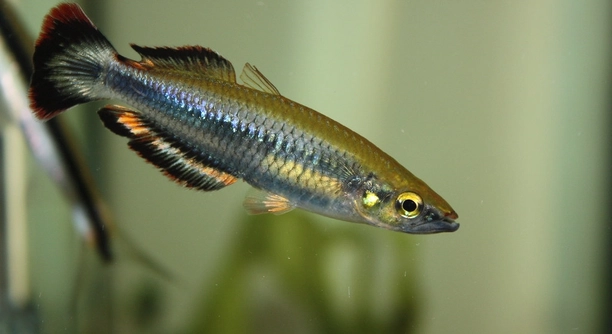
Are you thinking about adding rainbowfish to your nano tank but are unsure how well they will adapt? These colorful fish are popular for small aquariums, offering charm and vibrancy even in limited spaces.
Rainbowfish can survive in nano tanks under specific conditions, including proper water parameters, sufficient swimming space, and careful population management. Overcrowding or inadequate filtration may lead to stress, stunted growth, and reduced lifespan, making careful planning essential.
Maintaining a healthy nano tank with rainbowfish requires attention to detail, from tank setup to feeding schedules, ensuring your fish thrive in a compact environment.
Feeding and Nutrition
Providing the right diet is essential for rainbowfish in a nano tank. They are omnivores, so a mix of high-quality flake food, frozen or live brine shrimp, and daphnia keeps them healthy and colorful. Overfeeding can quickly pollute the water, so offer small portions that fish can consume within two minutes. Observing feeding behavior helps ensure all fish get enough nutrition without leaving excess food to decompose. Including occasional vegetable matter like blanched spinach or spirulina flakes supports digestion and overall wellbeing. Feeding twice a day in controlled amounts prevents water quality issues and maintains energy levels. Rotating different food types encourages natural foraging behavior. Fresh, clean water and a balanced diet promote vibrant colors and strengthen immune systems. Avoid sudden changes in food, as rainbowfish are sensitive and can become stressed by abrupt dietary shifts. Proper nutrition is key to keeping your nano tank lively and healthy.
Balanced feeding improves growth, coloration, and activity levels in rainbowfish while protecting water quality.
Careful portion control, varied diet, and occasional vegetable supplements support long-term health and prevent disease in rainbowfish. Feeding routines should be consistent, observing the fish to adjust portions. Nutrient-rich food boosts color intensity, encourages activity, and supports reproduction. Avoiding overfeeding prevents ammonia spikes and maintains tank cleanliness. Frozen and live foods replicate natural feeding habits, enhancing vitality. Supplementing with greens helps with digestion and strengthens immune defenses. Maintaining regular feeding schedules builds predictable behavior patterns, reducing stress in a confined environment. Watching fish during meals allows timely adjustments to diet and portions. Proper feeding practices ensure rainbowfish remain active, healthy, and visually appealing, even in a small tank.
Social Behavior and Tank Mates
Rainbowfish are generally peaceful and thrive in small groups, ideally six or more. Keeping them in small schools reduces stress, encourages natural behavior, and minimizes aggression. Avoid housing them with overly aggressive or much larger species, as this can result in injuries or bullying. Compatible tank mates include small tetras, rasboras, and peaceful dwarf cichlids. Monitoring interactions is important, especially in confined nano tanks, where space is limited and territorial behavior may emerge. Providing hiding spots and plants helps reduce conflict. Observing fish daily allows you to detect signs of stress or dominance early. Maintaining balanced numbers and compatible species ensures a calm, active, and visually engaging tank. Even minor adjustments in group size or placement of decorations can impact overall harmony. Prioritizing social dynamics helps rainbowfish display natural behaviors and maintain vibrant colors.
Keeping rainbowfish in small schools with peaceful tank mates encourages activity, reduces stress, and supports healthy growth.
Providing proper group sizes, compatible species, and adequate hiding places helps maintain harmony. Observing interactions allows early intervention if stress or aggression occurs. A balanced community promotes natural schooling, active swimming, and reduces risk of injury. Well-planned social arrangements contribute to long-term health and vibrant coloration. Even minor changes in tank layout or population can improve comfort levels. Consistent monitoring and small adjustments ensure a lively, stress-free environment. Proper social management enhances the nano tank’s visual appeal while supporting rainbowfish wellbeing, making care easier and more rewarding.
Common Health Issues
Rainbowfish are prone to stress-related illnesses in nano tanks, including fin rot and ich, often caused by poor water quality or overcrowding. Prompt attention to water parameters can prevent these problems.
Maintaining stable water conditions is essential to prevent disease. Sudden temperature changes or high ammonia levels weaken the fish’s immune system, making them susceptible to infections. Early detection is key; watch for clamped fins, faded coloration, or unusual swimming patterns. Quarantining new additions reduces the risk of introducing pathogens. Regular water changes, proper filtration, and a balanced diet support overall health. Treating minor illnesses early prevents long-term damage and keeps the fish active.
Proper hygiene, monitoring, and preventive care help rainbowfish maintain vibrant colors and energy. Ensuring stress-free conditions minimizes the risk of disease. Observing fish behavior daily allows quick responses to emerging problems, protecting the entire nano tank ecosystem.
Breeding Rainbowfish in Nano Tanks
Breeding rainbowfish in a nano tank requires careful management of space, water quality, and diet. Smaller species are more practical for successful reproduction. Providing flat surfaces or plants for egg-laying encourages natural behavior.
Consistent water parameters, including temperature and pH, support breeding readiness. Feeding high-quality live foods boosts fertility and encourages spawning. Removing eggs or providing a separate breeding tank protects them from adult fish. Observing pair behavior helps identify suitable breeders and prevents stress-related conflicts. Regular monitoring ensures that the fry survive and grow in optimal conditions. Maintaining clean water, balanced nutrition, and adequate hiding spots contributes to successful breeding outcomes.
Once the fry hatch, they require fine foods like infusoria or baby brine shrimp to thrive. Gradually increasing tank size or separating juveniles prevents overcrowding. Maintaining optimal conditions during growth stages ensures strong, healthy rainbowfish that display natural behaviors and vibrant colors. Careful attention to feeding, water quality, and tank layout enhances survival rates, even in limited nano tank spaces. Breeding efforts should prioritize minimizing stress while supporting the development of the young fish for long-term tank stability and visual appeal.
Tank Decorations and Layout
Choosing the right decorations helps rainbowfish feel secure and maintain natural behavior. Smooth rocks, driftwood, and live plants provide hiding spots while leaving open swimming space.
Avoid overcrowding the tank with too many ornaments, as this can restrict movement and increase stress. Proper spacing supports both aesthetics and fish wellbeing.
Lighting Considerations
Moderate lighting enhances rainbowfish coloration and supports plant growth. Avoid overly bright lights, which can stress the fish and encourage algae.
Natural day-night cycles are important. A timer helps maintain consistency, promoting healthy activity patterns and reducing stress, which contributes to the overall stability of the nano tank environment.
Water Filtration
Effective filtration maintains clean, oxygenated water in a nano tank. Gentle flow prevents stress while removing waste and toxins.
Regular filter maintenance ensures consistent performance, preventing sudden drops in water quality. A properly functioning filter supports healthy fish, reduces disease risk, and stabilizes the tank’s ecosystem.
Temperature Control
Rainbowfish thrive in stable water temperatures between 24°C and 28°C. Fluctuations can cause stress or illness.
Using a reliable heater and thermometer allows precise monitoring. Consistent temperature supports immune function, active swimming, and overall health in a confined nano tank.
FAQ
Can rainbowfish live in tanks smaller than 10 gallons?
Rainbowfish can survive in smaller tanks, but it is not ideal. Limited space increases stress and can stunt growth. Small tanks make maintaining stable water conditions difficult, which may lead to illness. A 10-gallon minimum helps provide swimming space, stable water chemistry, and room for plants or hiding spots.
How many rainbowfish should I keep in a nano tank?
A small school of six or more is recommended, even in nano tanks. Rainbowfish are social and feel secure in groups. Keeping too few can cause stress, while overcrowding increases waste and reduces water quality. Balance is essential for their health and behavior.
What is the best diet for rainbowfish in a nano tank?
Rainbowfish need a varied diet. High-quality flake food, frozen or live brine shrimp, daphnia, and occasional vegetable matter like spinach or spirulina help maintain vibrant colors and energy. Feed small amounts twice a day, ensuring all food is consumed quickly to prevent water pollution.
Do rainbowfish need live plants in a nano tank?
Live plants are not required but are highly beneficial. Plants help maintain water quality, provide hiding spots, and reduce stress. They create a more natural environment, encourage exploration, and can improve overall health and coloration. Artificial plants can be used if maintenance is preferred, but live plants offer additional benefits.
How often should I change water in a nano tank with rainbowfish?
Weekly partial water changes of 20-30% are ideal. Smaller tanks accumulate toxins quickly, so regular changes maintain stability. Test water parameters regularly to ensure ammonia, nitrite, and nitrate levels remain safe. Clean water supports immune function, reduces stress, and promotes healthy growth.
Can rainbowfish breed in nano tanks?
Yes, breeding is possible, particularly with smaller species. A separate breeding tank or protected areas with flat surfaces or plants helps protect eggs from adult fish. Stable water conditions, a varied diet, and careful monitoring increase success rates. Fry require fine foods like infusoria or baby brine shrimp to grow.
What are common health issues for rainbowfish in nano tanks?
Stress-related illnesses such as fin rot, ich, or bacterial infections are common if water quality is poor or overcrowding occurs. Symptoms include clamped fins, faded colors, or unusual swimming. Maintaining clean water, stable temperature, proper diet, and observing behavior helps prevent disease. Early treatment is essential for recovery.
Can rainbowfish live with other species in a nano tank?
Rainbowfish are peaceful but need compatible tank mates. Small tetras, rasboras, and dwarf cichlids generally coexist well. Avoid aggressive or much larger species. Providing plants and hiding spots reduces conflicts, and monitoring interactions allows quick intervention if stress or bullying occurs.
How do I maintain proper water temperature for rainbowfish?
Keep the water between 24°C and 28°C using a reliable heater and thermometer. Sudden fluctuations can cause stress or illness. Consistent temperature supports immune function, activity, and vibrant coloration. Gradual adjustments are safest when changing conditions or adding new fish.
Do rainbowfish need special lighting in a nano tank?
Moderate lighting is best. It enhances coloration, supports live plant growth, and helps regulate natural day-night cycles. Avoid overly bright lights, which can stress fish and encourage algae. Using a timer ensures consistent lighting and reduces the risk of erratic behavior or stress.
How can I prevent algae growth in a nano tank with rainbowfish?
Algae grows quickly in small tanks if excess nutrients or bright lighting are present. Avoid overfeeding, perform regular water changes, and maintain a balanced light schedule. Live plants compete with algae for nutrients, helping reduce its growth while providing a natural environment for rainbowfish.
Is it necessary to quarantine new rainbowfish before adding them to a nano tank?
Yes, quarantining for at least two weeks helps prevent introducing diseases. Observe new fish for signs of illness such as lethargy, white spots, or abnormal behavior. Quarantine reduces stress on established fish and protects the overall health of the nano tank.
How do I encourage rainbowfish to display vibrant colors?
Balanced diet, stable water conditions, and low stress levels are key. High-quality food, live plants, proper tank mates, and consistent lighting enhance natural coloration. Avoid overcrowding and sudden changes in water chemistry, as stress can quickly dull their vibrant appearance.
Can I keep different species of rainbowfish together in a nano tank?
Mixing species is possible if sizes, temperaments, and water requirements are compatible. Monitor interactions carefully, as dominant behavior or competition for food can occur. Providing open swimming areas, hiding spots, and balanced group sizes reduces stress and promotes healthy coexistence.
What equipment is essential for a nano tank with rainbowfish?
A reliable heater, thermometer, gentle filter, and lighting system are essential. Additional tools like water test kits, siphons, and nutrient supplements for plants help maintain stable conditions. Proper equipment supports health, reduces stress, and ensures rainbowfish thrive in a small space.
How long do rainbowfish typically live in nano tanks?
With proper care, rainbowfish can live 5-8 years, sometimes longer. Stable water conditions, balanced nutrition, and a safe, low-stress environment are critical. Regular monitoring, maintenance, and attention to behavior help ensure they reach their full lifespan while remaining active and healthy.
Can rainbowfish tolerate fluctuations in water pH?
Rainbowfish prefer slightly alkaline water, around pH 7-8. Minor fluctuations are tolerated, but sudden or extreme changes can stress fish, weaken immunity, and increase disease risk. Regular testing and gradual adjustments maintain stability and support overall health.
Do rainbowfish need a lot of swimming space in a nano tank?
Yes, open swimming areas are important, even in small tanks. Rainbowfish are active swimmers, and cramped spaces can cause stress or stunted growth. Careful placement of plants and decorations ensures freedom of movement while providing hiding spots and maintaining a visually appealing tank.
How can I tell if rainbowfish are stressed in a nano tank?
Signs of stress include clamped fins, faded colors, erratic swimming, hiding excessively, or loss of appetite. Stress can result from overcrowding, poor water quality, incompatible tank mates, or sudden environmental changes. Early detection allows corrective measures, preventing illness and supporting overall wellbeing.
What is the best way to clean a nano tank without stressing rainbowfish?
Use gentle water changes, clean filters carefully, and avoid disturbing plants or decorations excessively. Remove debris with a siphon and perform maintenance gradually. Maintaining stable water parameters throughout the process reduces stress and keeps the fish healthy and active.
Can rainbowfish tolerate slightly salty water?
Rainbowfish generally prefer freshwater, but some species tolerate very low salinity for short periods. Using salt to treat certain diseases should be done cautiously, monitoring fish behavior and water quality closely to prevent harm. Long-term exposure to salt is not recommended.
How often should I check water parameters in a nano tank?
Regular checks, ideally weekly, help maintain stable conditions. Measure ammonia, nitrite, nitrate, pH, and temperature consistently. Early detection of changes allows prompt corrections, preventing stress, illness, and long-term damage to the rainbowfish and the tank ecosystem.
Do rainbowfish recognize their tank mates?
Rainbowfish exhibit social recognition, often schooling with familiar fish. Maintaining consistent group composition reduces stress and promotes natural behavior. Introducing new fish slowly or in quarantine minimizes disruption and helps preserve harmony within the nano tank.
Is it okay to use tap water for a rainbowfish nano tank?
Tap water is acceptable if treated to remove chlorine, chloramine, and heavy metals. Using a water conditioner ensures safe water quality. Testing parameters before adding fish helps maintain stability, reducing the risk of stress and disease in the nano tank.
Can I keep rainbowfish alone in a nano tank?
Rainbowfish are social and prefer groups. Keeping a single fish can cause stress, lethargy, or aggressive behavior. Small schools of six or more are ideal, even in nano tanks, to support natural behavior, security, and overall health.
How do I acclimate new rainbowfish to a nano tank?
Float the bag in the tank for 15-20 minutes to equalize temperature. Gradually mix tank water into the bag over 30-60 minutes to prevent shock. Slowly releasing the fish reduces stress and increases the chance of successful adaptation.
What is the ideal substrate for a rainbowfish nano tank?
Fine gravel or sand is preferred. It supports plant growth, allows natural foraging, and is gentle on the fish. Avoid sharp or rough substrates that could injure delicate fins, ensuring both safety and aesthetic appeal.
Are rainbowfish sensitive to sudden changes in lighting?
Yes, sudden bright lights can stress them. Gradually adjusting lighting or using timers helps maintain natural day-night cycles, reducing stress, supporting healthy behavior, and encouraging vibrant colors.
Can rainbowfish live with shrimp or snails in a nano tank?
Generally, peaceful shrimp and snails coexist well. Avoid overly aggressive species. These invertebrates help control algae and clean the tank, benefiting both the rainbowfish and overall water quality. Careful observation ensures compatibility.
Do rainbowfish need hiding spots in a nano tank?
Yes, hiding spots reduce stress, provide security, and encourage natural exploration. Plants, rocks, or driftwood create safe areas while allowing open swimming spaces for activity and schooling behavior. Proper balance supports wellbeing and reduces aggression.
How do I prevent fin damage in a nano tank?
Avoid sharp decorations, aggressive tank mates, and overcrowding. Maintaining water quality and proper nutrition also strengthens fins. Observing interactions allows timely intervention if fin nipping occurs. Healthy fins support swimming and overall appearance.
Can rainbowfish tolerate slightly cooler water?
Rainbowfish prefer 24°C to 28°C, but minor deviations are tolerated briefly. Prolonged exposure to cooler water slows metabolism, reduces immunity, and can cause stress. Maintaining a stable, appropriate temperature is essential for long-term health.
Is it necessary to aerate a nano tank with rainbowfish?
Aeration improves oxygen levels, supporting active swimming and overall health. Gentle bubbles or surface agitation are sufficient. Excessive current should be avoided to prevent stress while maintaining stable oxygenation in the confined space.
Do rainbowfish show signs of aging in a nano tank?
Yes, older fish may show faded colors, slower swimming, or reduced appetite. Maintaining proper care, nutrition, and stable conditions can extend lifespan and help aging fish remain active and healthy for as long as possible.
How do I reduce stress during tank maintenance?
Perform partial water changes, clean filters gently, and avoid sudden disturbances. Maintain stable water parameters and provide hiding spots to reduce stress, allowing rainbowfish to remain calm and active during maintenance routines.
Can rainbowfish live with bettas in a nano tank?
Bettas can be aggressive, making them risky tank mates. Compatibility depends on temperament, tank size, and available hiding spots. Careful observation is essential, but generally, peaceful species are safer choices for a nano tank with rainbowfish.
Do rainbowfish require specific water hardness?
Rainbowfish prefer moderately hard water, around 8-15 dGH. Extreme softness or hardness can affect health, reproduction, and coloration. Regular testing and gradual adjustments maintain stable conditions suitable for long-term wellbeing.
What is the ideal group size for rainbowfish in a nano tank?
A minimum of six fish supports social behavior, reduces stress, and encourages natural schooling. Smaller groups may feel insecure, while larger groups may overcrowd limited space. Balance group size with tank volume to ensure comfort and health.
How often should I feed rainbowfish in a nano tank?
Feeding twice daily in small portions is optimal. This ensures proper nutrition without overloading the tank with excess food. Observing feeding behavior helps adjust amounts and prevents water pollution, maintaining stable conditions.
Are rainbowfish compatible with guppies in a nano tank?
Yes, they are generally compatible due to similar temperaments and size. Both species are peaceful, active swimmers. Monitor interactions initially to ensure no stress or competition occurs, and maintain open swimming areas with hiding spots.
Can rainbowfish survive without live plants?
They can, but live plants improve water quality, provide security, and encourage natural behavior. If live plants are not possible, artificial plants can offer hiding spots, though they do not support the tank’s ecosystem as effectively.
Do rainbowfish need a varied diet for breeding success?
Yes, a mix of live foods, high-quality flakes, and vegetable supplements improves fertility, encourages spawning, and supports healthy fry development. Proper nutrition ensures adult fish maintain energy and vibrant coloration during breeding periods.
How long does it take for rainbowfish fry to grow in a nano tank?
Fry grow gradually over several weeks. Providing fine foods, stable water parameters, and safe hiding spaces is essential for survival. Regular monitoring and careful feeding prevent overcrowding and support healthy development.
Can rainbowfish tolerate low oxygen levels?
Low oxygen is stressful and can harm health. Adequate aeration, gentle filtration, and live plants help maintain oxygen levels, supporting active swimming, proper metabolism, and overall wellbeing.
Do rainbowfish need a specific pH range to thrive?
Slightly alkaline water, pH 7-8, is optimal. Stable pH reduces stress, supports immune function, and encourages natural coloration. Gradual adjustments are safest if changes are necessary.
Can rainbowfish survive with fluctuating water temperatures?
Frequent temperature fluctuations cause stress, reduce immunity, and can lead to disease. Maintaining stable temperatures within 24°C to 28°C is critical for long-term health, activity, and vibrant colors.
How do I encourage schooling behavior in rainbowfish?
Keep groups of at least six, provide open swimming areas, and maintain low-stress conditions. Regular feeding, stable water, and compatible tank mates promote natural schooling and active swimming in a nano tank.
Is it safe to use chemical treatments in a nano tank with rainbowfish?
Chemical treatments can be used cautiously, following dosage instructions carefully. Overuse or improper application can stress or harm fish. Quarantining affected individuals before treatment helps protect the rest of the tank.
Do rainbowfish need hiding places when breeding?
Yes, hiding places protect eggs and reduce stress for adults. Plants, rocks, or spawning mops provide secure areas, increasing survival rates and supporting natural reproductive behavior.
Can rainbowfish live with snails and shrimp together in a nano tank?
Yes, peaceful invertebrates generally coexist. They help clean the tank and control algae. Avoid aggressive or large species that may harm smaller invertebrates, and provide enough hiding spots for all inhabitants.
How do I prevent overfeeding rainbowfish?
Feed small portions twice daily, only what can be consumed in two minutes. Remove uneaten food promptly to avoid water pollution, stress, and potential illness. Observing feeding behavior allows adjustments to portions for optimal health.
Do rainbowfish need a heater in a nano tank?
Yes, a heater maintains stable water temperatures within their preferred range. Fluctuating temperatures stress fish, weaken immunity, and reduce activity and coloration. Using a thermometer ensures precision and safety.
Can rainbowfish tolerate occasional water parameter changes?
Minor gradual changes are tolerated, but sudden shifts in pH, hardness, or temperature cause stress. Maintaining stability is essential for health, coloration, and behavior, particularly in small nano tanks.
How do I identify a healthy rainbowfish?
Healthy rainbowfish display bright coloration, active swimming, clear eyes, and intact fins. Appetite should be consistent. Regular observation helps detect early signs of stress or illness, allowing prompt intervention and long-term wellbeing.
Is it necessary to provide supplemental nutrition for rainbowfish in nano tanks?
Yes, occasional live or frozen foods and vegetable matter complement flake food. Balanced nutrition promotes growth, coloration, immunity, and overall vitality, especially in smaller, confined environments.
Do rainbowfish require surface area for oxygen exchange?
Yes, adequate surface area helps oxygenate water, supporting metabolism and activity. Avoid excessive surface agitation that creates strong currents, as gentle movement is sufficient for health and comfort.
Can rainbowfish adapt to slightly different water chemistry?
They tolerate minor variations in pH and hardness if changes are gradual. Sudden or extreme shifts cause stress, reduce immunity, and can impact coloration and reproduction. Gradual adaptation is safest.
How do I reduce aggression in a nano tank with rainbowfish?
Maintain proper group sizes, provide hiding spots, and ensure compatible tank mates. Avoid overcrowding and monitor behavior to intervene early if dominant behavior or nipping occurs, promoting harmony and wellbeing.
Are rainbowfish sensitive to tap water chemicals?
Yes, untreated tap water may contain chlorine, chloramine, or heavy metals. Using a water conditioner neutralizes harmful chemicals, ensuring safe water conditions for rainbowfish. Testing water quality helps maintain a healthy environment.
How often should I clean a nano tank with rainbowfish?
Weekly partial water changes and gentle filter cleaning maintain water quality. Avoid disturbing decorations or plants excessively to reduce stress. Consistent maintenance supports healthy fish, stable chemistry, and vibrant coloration.
Can rainbowfish live with dwarf cichlids in a nano tank?
Certain peaceful dwarf cichlids can coexist if space, hiding spots, and temperament are compatible. Monitor interactions closely, as territorial behavior may still occur. Choosing species carefully ensures a harmonious, stress-free tank.
Do rainbowfish need strong lighting to thrive?
Moderate lighting is sufficient. Bright lights can stress fish and promote algae growth. Consistent lighting using timers helps regulate day-night cycles, supporting activity, coloration, and overall health.
Is it okay to move rainbowfish between tanks frequently?
Frequent moves cause stress, weaken immunity, and can trigger disease. Limit transfers, acclimate fish slowly, and maintain stable water parameters to ensure their health and wellbeing in a nano tank.
How do I encourage rainbowfish to explore their tank?
Provide open swimming areas, hiding spots, and varied decor. Stable water, compatible tank mates, and consistent feeding routines promote active exploration and natural behavior.
Can rainbowfish survive in slightly cooler water?
Short-term minor drops are tolerated, but prolonged exposure reduces immunity and activity. Maintaining 24°C to 28°C is crucial for optimal health, coloration, and longevity.
Do rainbowfish need daily observation?
Yes, observing behavior daily allows early detection of stress, illness, or aggression. Prompt action helps maintain a healthy, balanced nano tank environment.
Can rainbowfish tolerate slightly hard or soft water?
Moderate hardness is preferred. Minor variations are tolerated if gradual, but extremes can affect health, reproduction, and coloration. Regular testing ensures stability and supports overall wellbeing.
How do I prevent disease in a nano tank with rainbowfish?
Maintain water quality, avoid overcrowding, provide balanced nutrition, quarantine new fish, and observe daily. Early detection and preventive care minimize stress, illness, and long-term health issues.
Are rainbowfish active during the day or night?
Rainbowfish are diurnal and most active during daylight hours. Consistent lighting
Rainbowfish can be a beautiful and lively addition to a nano tank when proper care is taken. Their bright colors and active swimming make even a small tank visually appealing. However, success with rainbowfish requires attention to several important factors. Tank size, water quality, and suitable species selection are all critical. Smaller species such as Dwarf Neon Rainbowfish or Threadfin Rainbowfish are better suited for compact spaces, as they remain manageable and less stressed by confined areas. Overcrowding should be avoided because it can lead to poor water quality, increased stress, and stunted growth. Maintaining stable water conditions is particularly important in nano tanks, where changes happen quickly. Regular monitoring of temperature, pH, and chemical levels ensures that the fish stay healthy and display their natural behaviors. Providing a balanced environment supports their wellbeing while allowing them to thrive and showcase vibrant colors.
Feeding practices also play a significant role in keeping rainbowfish healthy. A varied diet of high-quality flake foods, live or frozen brine shrimp, daphnia, and occasional vegetable matter like spinach or spirulina ensures they receive the nutrients they need. Overfeeding should be avoided, as leftover food can quickly degrade water quality and stress the fish. Feeding small portions twice a day is generally sufficient, allowing all fish to eat while keeping the tank clean. Live or frozen foods not only enhance nutrition but also encourage natural foraging behaviors, keeping rainbowfish active and engaged. Consistency in feeding schedules helps the fish adapt and thrive. In addition, regular maintenance such as partial water changes, filter cleaning, and observing fish for signs of illness prevents common health issues like fin rot, ich, or bacterial infections. Attention to these daily details creates a balanced environment where rainbowfish can live long, active lives.
Social structure and tank layout are equally important. Rainbowfish are schooling fish, and keeping them in groups of six or more reduces stress and encourages natural behavior. Providing hiding spots with plants, driftwood, or smooth rocks creates a sense of security while leaving open swimming space supports their active nature. Tank mates should be chosen carefully, prioritizing peaceful species that share similar water preferences and temperaments. Aggressive or much larger species should be avoided, as they can intimidate or harm rainbowfish. Maintaining consistent lighting, stable temperature, and gentle water flow further reduces stress and supports overall health. When these conditions are met, rainbowfish can thrive in a nano tank, offering a colorful, lively presence. Careful planning and regular attention to their needs make it possible to enjoy their beauty and activity in a small, compact setup while ensuring their long-term health and happiness.

Hello,
If you enjoy the content that we create, please consider saying a "Thank You!" by leaving a tip.
Every little bit helps us continue crafting quality advice that supports the health, happiness, and well-being of pets around the world, for pets of all shapes, sizes, and species.
We really appreciate the kindness and support that you show us!