
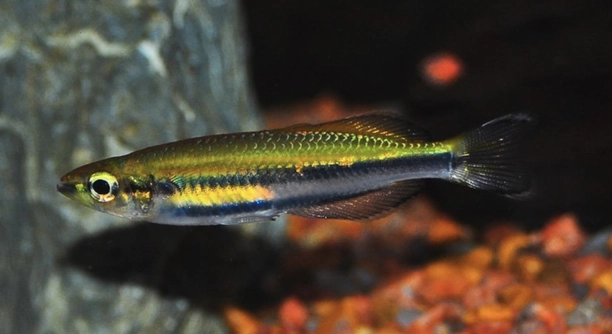
Do you ever notice your rainbowfish swimming away from the heater, leaving one side of the tank untouched? Many fish owners see this behavior and wonder if it signals a problem in their aquarium setup or the fish’s health.
Rainbowfish may avoid the heater due to water temperature being too high, poor placement of the heater, or discomfort caused by sudden temperature changes. Ensuring stable, moderate temperatures encourages healthy swimming and reduces stress in the fish.
Learning more about temperature preferences and proper heater use will help keep your rainbowfish comfortable and active in its environment.
Understanding Rainbowfish Temperature Preferences
Rainbowfish are tropical fish that thrive in stable, moderate temperatures, usually between 75 and 82°F. Sudden changes or extreme heat can make them uncomfortable, which may explain why your fish avoids the heater. Fish are highly sensitive to their surroundings, and even a few degrees outside their preferred range can lead to stress. Overheating can cause rapid breathing, lethargy, or unusual swimming patterns. Placement of the heater matters too. If it creates hot spots, your rainbowfish may stay in cooler areas of the tank. Gentle water flow and even temperature distribution help them feel secure. Observing your fish’s behavior daily can reveal subtle signs of discomfort. Adjusting the heater gradually ensures the water stays within the right range. Using a reliable thermometer and checking for consistency helps prevent temperature swings. Proper temperature management is crucial for healthy growth, bright coloration, and active swimming behavior.
Maintaining an even water temperature makes rainbowfish more comfortable and reduces stress, keeping them active and healthy.
Keeping rainbowfish happy goes beyond the heater. Lighting, tank decorations, and hiding spots also influence comfort. Bright, direct light may push them toward shaded areas. Having plants or driftwood allows them to move freely and find preferred zones. Water quality is equally important. Frequent testing and partial water changes ensure ammonia and nitrate levels stay safe. Overcrowded tanks can increase stress and make fish avoid certain areas. By observing their swimming patterns and behavior, you can identify temperature or environmental issues early. Combining stable temperatures with thoughtful tank setup promotes natural activity, enhances coloration, and reduces illness. Small adjustments often make a significant difference. A fish that avoids the heater may simply prefer another area until conditions are balanced. Creating a calm, consistent environment allows your rainbowfish to thrive and feel secure in its home.
Common Reasons Rainbowfish Avoid Heaters
Heaters can produce uneven heat zones, causing fish to move away from hot spots. Rainbowfish respond to these variations instinctively.
Sometimes, the water near the heater becomes too warm or creates rapid currents, both of which make rainbowfish uncomfortable. They may also avoid heaters if the device produces vibrations or noise. Even small fluctuations in temperature can trigger avoidance. Monitoring behavior closely helps identify patterns, such as swimming toward cooler corners or staying near the middle of the tank. Fish that repeatedly avoid the heater may indicate an issue with its settings, placement, or water circulation. Regular maintenance, like checking the thermostat and cleaning the heater, ensures smooth operation. Additionally, sudden environmental changes, like new decorations or adjustments in lighting, may affect their comfort. By understanding how rainbowfish interact with heat, you can make small, effective changes that reduce stress. Adjusting the tank setup or heater gradually allows the fish to explore safely and maintain normal activity. Consistent observation and careful management foster a healthy and stress-free tank environment.
Adjusting Heater Placement
Placing the heater near strong water currents can make some areas too warm, causing rainbowfish to avoid it. Positioning it in a corner with gentle flow helps create even temperatures. Monitoring the tank ensures no hot spots form and your fish stay comfortable.
Gradually adjusting the heater’s position can improve water circulation and reduce temperature extremes. Fish often react to sudden changes, so moving the heater slowly allows them to adapt. Avoid placing decorations directly in front of the heater, as this can trap heat and create small pockets of high temperature. Using a thermometer in multiple areas of the tank helps track consistency. Proper placement supports healthy swimming patterns and encourages rainbowfish to explore the full tank without avoiding certain areas. Maintaining steady conditions minimizes stress and supports overall wellbeing, keeping them active and vibrant in color.
Some rainbowfish may still show caution near the heater even after adjustments. Observing behavior over several days helps confirm if placement changes are effective. Adjusting the tank layout slightly can further distribute heat evenly. Maintaining gentle water flow ensures all parts of the tank remain comfortable. Using natural hiding spots nearby allows fish to feel secure while acclimating to warmer areas. Consistent observation and minor tweaks often resolve heater avoidance and improve overall tank harmony.
Monitoring Water Temperature
Temperature fluctuations can stress rainbowfish, leading them to avoid certain areas of the tank. Regular monitoring keeps conditions stable. Maintaining the ideal range prevents overheating or chilling.
Using a reliable thermometer in multiple locations provides accurate readings and identifies hot or cold zones. Small heaters may not evenly distribute warmth, so measuring water at different heights ensures consistency. Temperature swings from room changes or sunlight can also impact the tank. Adjusting the heater gradually and checking daily helps maintain steady conditions. Consistent water temperature supports healthy metabolism, reduces stress, and encourages natural behavior. Avoiding rapid changes is key, as sudden heat shifts can weaken immunity and make fish more susceptible to illness. Keeping logs of temperature readings can highlight trends, helping prevent problems before they affect your rainbowfish.
Water Quality and Heater Use
Poor water quality can make rainbowfish avoid warm areas. High ammonia or nitrate levels stress them and affect their behavior. Keeping the tank clean and balanced is essential.
Regular water changes and testing ensure safe conditions. Dirty or stagnant water near the heater can cause discomfort, making fish swim elsewhere.
Signs of Overheating
Rapid breathing, clamped fins, and hiding near cooler areas indicate water near the heater may be too hot. Observing these signs early prevents health problems and allows adjustments before serious stress occurs.
Tank Decorations and Flow
Plants, rocks, and driftwood affect water flow around the heater. Crowded areas can trap heat or create currents that rainbowfish avoid, so spacing decorations wisely is important.
Gradual Acclimation
Introducing changes slowly helps rainbowfish adjust to new temperatures. Sudden shifts can stress them and cause avoidance, so step-by-step adjustments maintain comfort.
FAQ
Why is my rainbowfish avoiding the heater?
Rainbowfish often avoid the heater when the water is too warm, the heater creates uneven heat zones, or sudden temperature changes occur. Fish are sensitive to their environment, and even slight discomfort can make them swim toward cooler areas of the tank. Proper placement and consistent temperature help.
Can a faulty heater make my rainbowfish stressed?
Yes, a malfunctioning heater can cause temperature fluctuations, which stress rainbowfish. Stress can reduce appetite, affect coloration, and make fish more prone to disease. Regularly checking the heater’s thermostat and using a thermometer to monitor tank conditions ensures stable temperatures and promotes healthy behavior.
How do I know if the water is too warm?
Signs of water being too warm include rapid gill movement, clamped fins, lethargy, or hiding near cooler spots. Using a thermometer at multiple points in the tank confirms temperature consistency. Gradual adjustments and even heat distribution keep the fish comfortable.
Does tank size affect heater avoidance?
Yes, smaller tanks heat unevenly, making certain areas uncomfortable. Larger tanks with proper water flow distribute warmth better. Using multiple thermometers or a heater with a built-in circulation system prevents hot spots and reduces avoidance behavior.
Can decorations impact how rainbowfish react to the heater?
Absolutely. Rocks, plants, or driftwood can block heat flow or trap warm pockets, causing fish to avoid the area. Placing decorations strategically ensures even circulation and prevents stress while giving fish hiding spots for comfort.
Should I lower the heater temperature if my fish avoids it?
Only if the water exceeds the recommended range of 75–82°F. Sudden drops can also stress the fish, so adjustments should be gradual. Monitoring behavior and temperature daily ensures safe conditions while keeping rainbowfish active and healthy.
How often should I check water temperature?
Daily checks are ideal, especially near the heater. Observing different tank areas prevents unnoticed hot spots and keeps water within the optimal range. Logging temperature readings can help track patterns and identify issues early.
Can poor water quality make rainbowfish avoid the heater?
Yes, high ammonia, nitrite, or nitrate levels cause discomfort. Rainbowfish may stay in cooler or cleaner areas. Frequent water testing and partial water changes maintain balanced conditions, reduce stress, and encourage swimming near all parts of the tank, including near the heater.
Is it normal for rainbowfish to hide sometimes near the heater?
Yes, occasional hiding is natural, especially during acclimation or after sudden tank changes. Persistent avoidance, rapid breathing, or lethargy, however, signals that temperature, water quality, or flow may need adjustment.
How can I help rainbowfish feel comfortable around the heater?
Gradual acclimation, proper placement, and steady water flow improve comfort. Ensuring decorations do not block heat and maintaining water quality reduces stress. Observing behavior and making small, careful adjustments encourages exploration near the heater without forcing the fish into uncomfortable conditions.
Do rainbowfish prefer certain parts of the tank?
They often choose mid-level or cooler zones when temperatures vary. Proper heater placement, even water distribution, and sufficient hiding spots help them feel secure and reduce avoidance. Maintaining consistent conditions allows them to explore the entire tank freely.
Can multiple heaters help?
Yes, using two smaller heaters instead of one large heater promotes even temperature distribution. This minimizes hot spots and reduces avoidance behavior. Each heater should be checked regularly to ensure it functions correctly and maintains the desired range.
How long does it take for rainbowfish to adjust to a new heater?
Adjustment usually takes a few days to a week, depending on the fish and temperature changes. Gradual placement adjustments, steady monitoring, and providing calm areas in the tank help rainbowfish acclimate comfortably without stress.
What other factors influence avoidance behavior?
Room temperature changes, direct sunlight, and strong water currents can affect how rainbowfish interact with the heater. Ensuring stable room conditions, gentle flow, and shaded tank areas supports comfort and reduces avoidance.
Can stress from the heater affect overall health?
Yes, persistent stress weakens the immune system, reduces appetite, and can trigger disease. Maintaining stable water temperature, proper placement, clean water, and gradual changes ensures rainbowfish stay healthy, active, and vibrant.
How do I prevent my rainbowfish from avoiding the heater in the future?
Use a thermometer to monitor temperatures, place heaters for even heat distribution, maintain clean water, and provide hiding spots. Gradual adjustments and observing behavior help prevent discomfort. Consistency in tank conditions keeps rainbowfish confident and active near all areas of the tank.
What’s the safest temperature range for rainbowfish?
Rainbowfish thrive in 75–82°F. Staying within this range prevents overheating or chilling. Combining careful monitoring with proper heater placement ensures stable, comfortable conditions for healthy swimming, feeding, and coloration.
Can sudden lighting changes affect heater avoidance?
Yes, strong or sudden lighting can drive fish to shaded areas, which may be farther from the heater. Gradual light adjustments and providing natural hiding spots improve comfort and reduce stress.
Are there specific species differences to consider?
Some rainbowfish species tolerate slightly higher or lower temperatures. Researching your species’ preferences helps set the ideal range and minimizes avoidance behavior while promoting normal activity and health.
How important is observation in preventing heater avoidance?
Consistent observation is critical. Noticing behavior changes, swimming patterns, or hiding helps detect early signs of discomfort. Timely adjustments in temperature, flow, or placement prevent stress and maintain a healthy environment for rainbowfish.
Can acclimating new fish reduce heater avoidance?
Yes, slowly acclimating new rainbowfish to tank temperature and water conditions helps them explore all areas safely. Rapid changes increase stress, making them avoid heaters and other zones, while gradual introduction encourages normal behavior.
What maintenance helps reduce avoidance long-term?
Regular heater checks, water testing, partial water changes, proper decoration placement, and monitoring temperature fluctuations support long-term comfort. Creating a stable, evenly heated environment prevents rainbowfish from avoiding specific areas and promotes natural activity throughout the tank.
Are there signs that indicate urgent attention is needed?
Rapid breathing, severe lethargy, clamped fins, or abnormal swimming indicate serious stress. Immediate action is required, including adjusting temperature, checking water quality, and ensuring the heater is functioning properly to prevent illness or injury.
Final Thoughts
Keeping rainbowfish healthy and comfortable requires paying close attention to their environment. Temperature is one of the most important factors, and a heater plays a central role in maintaining the right conditions. Fish are sensitive to even small changes in water temperature, and when the heater is too hot or unevenly placed, they naturally avoid it. Observing your rainbowfish closely can tell you a lot about their comfort level. Signs like swimming to cooler areas, hiding, or showing slower movements often indicate stress. Adjusting the heater gradually, checking water flow, and monitoring temperature at multiple points in the tank helps prevent these issues. A stable and evenly heated tank encourages your fish to swim freely and reduces the risk of illness.
Water quality is another key factor that affects how rainbowfish respond to the heater. Dirty water or high levels of ammonia, nitrites, or nitrates can make them avoid warmer areas. Regular partial water changes, testing for harmful chemicals, and maintaining proper filtration all contribute to a healthy tank. Tank decorations also influence how heat spreads through the water. Rocks, plants, and driftwood can block circulation or trap heat in certain areas, creating uncomfortable spots. Placing decorations strategically ensures the tank has both comfortable hiding places and even temperature distribution. A combination of clean water, proper flow, and thoughtful tank layout makes rainbowfish more likely to explore all areas, including near the heater.
Patience is essential when managing heater-related issues. Rainbowfish may take time to adjust to changes in temperature, new heaters, or shifts in tank layout. Gradual adjustments and consistent observation help them acclimate without stress. Using a thermometer to track temperature in multiple locations, maintaining a stable environment, and providing natural hiding spots all contribute to a comfortable habitat. Even small changes in temperature, lighting, or water flow can affect their behavior, so careful monitoring is key. By keeping water quality high, heater placement correct, and tank conditions stable, you can reduce avoidance behavior and ensure your rainbowfish remain active, healthy, and vibrant. Over time, a well-maintained tank creates a balanced environment where your fish can thrive safely and confidently, making the effort to monitor and adjust conditions worthwhile.

Hello,
If you enjoy the content that we create, please consider saying a "Thank You!" by leaving a tip.
Every little bit helps us continue crafting quality advice that supports the health, happiness, and well-being of pets around the world, for pets of all shapes, sizes, and species.
We really appreciate the kindness and support that you show us!