
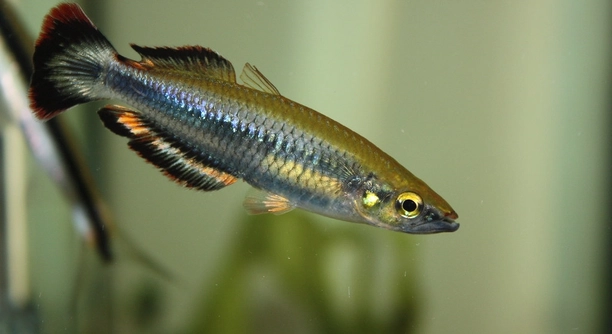
Keeping rainbowfish healthy and active requires more than just feeding them daily. Their environment and routine play a big role in their happiness. Boredom can lead to stress and unhealthy behavior in these colorful fish.
Rainbowfish boredom can be prevented through environmental enrichment, varied diet, and regular interaction. Providing plants, hiding spots, and stimulating toys, combined with alternating foods and maintaining a consistent routine, supports both mental and physical activity in rainbowfish.
Maintaining an engaging environment will help your rainbowfish stay lively and reduce signs of stress in their daily lives.
Provide a Varied Diet
Rainbowfish enjoy different kinds of food, and giving them variety keeps them active and healthy. They eat flakes, pellets, and live or frozen foods like brine shrimp or daphnia. Feeding the same food every day can make them less interested and slower to move. Rotating between different types encourages natural foraging behaviors. Sometimes, I like to sprinkle a bit of vegetable matter, such as blanched spinach or zucchini, into their tank. This adds fiber and gives them something to explore and nibble on. Even small changes in feeding routines can spark curiosity and energy. Observing their response to new foods is rewarding—they dart around more, and their colors often brighten. Overfeeding can be a problem, so I make sure portions are small but frequent. Healthy fish are more interactive and less likely to show stress behaviors. Keeping a balanced, varied diet is a simple way to keep rainbowfish entertained and engaged in their environment.
Providing different foods prevents them from losing interest and encourages movement, keeping them mentally and physically stimulated daily.
Introducing new foods slowly helps rainbowfish adapt without digestive issues. Over time, they learn to explore each meal type, creating natural routines that reduce boredom. Small amounts of live food mimic hunting behaviors, which promotes activity. Even adding occasional vegetable bits can encourage exploration and foraging. It is fascinating to watch them react to new tastes and textures, darting and swimming more energetically. Over time, these food variations not only improve their physical health but also maintain their mental alertness. Rainbowfish kept on a varied diet are generally calmer and less prone to stress. Observing subtle changes in behavior helps identify which foods they prefer, allowing better feeding decisions. A balanced diet also supports color vibrancy and overall vitality, making the tank visually lively. By combining different textures and flavors, I create a feeding routine that is simple yet enriching.
Add Hiding Spots and Plants
Hiding spots reduce stress and keep rainbowfish active. They explore caves, decorations, or dense plants, which helps prevent boredom and aggressive behaviors.
Placing live or artificial plants allows rainbowfish to swim around and investigate, mimicking natural habitats.
Adding plants and hiding spots transforms the tank into a more engaging environment. Rainbowfish enjoy swimming through tall grasses, weaving between rocks, or hiding in small caves. This gives them safe spaces to retreat when feeling anxious or overwhelmed. Observing them interact with these areas shows their natural curiosity. I often change the layout slightly every few weeks, moving plants or decorations to create new exploration opportunities. This small adjustment makes a noticeable difference in activity levels, as fish investigate each change and rediscover their territory. Dense planting not only adds visual appeal but also provides shelter for timid individuals and reduces aggression among tank mates. Even simple additions, like floating plants or a few stacked stones, can spark curiosity. The tank feels alive, and rainbowfish are more willing to explore every corner. Over time, they appear more confident, less stressed, and more vibrant in both behavior and color. Creating a dynamic, plant-rich environment is an easy method to enrich their daily routine and maintain their well-being.
Use Floating and Moving Decorations
Floating and moving decorations catch rainbowfish attention and encourage activity. They follow objects that drift across the water, which stimulates natural swimming behaviors and keeps them engaged throughout the day.
I like to place lightweight decorations that move slightly with the water current. This could be floating plants, small driftwood, or gentle ornaments. Rainbowfish seem to enjoy swimming around and under these items, often darting after the slight movement. Changing the position of these decorations every week adds a new element to their environment. Even minor adjustments create curiosity, and I notice they spend more time exploring the tank instead of lingering in one spot. These decorations can also act as visual barriers, giving timid fish areas to hide briefly while still interacting with their surroundings. Over time, the tank feels more dynamic, and their activity levels stay high, reducing stress and boredom.
Floating decorations provide an ever-changing environment that encourages natural movement. By observing how fish interact with them, it’s easy to adjust placement and maintain interest.
Moving ornaments replicate natural currents, prompting rainbowfish to chase, weave, and investigate constantly. I have noticed that their colors often brighten when they engage with these features, signaling both excitement and good health. The interaction also helps establish social hierarchies, as some fish take the lead in exploring while others follow. Regularly rotating these items prevents the environment from becoming predictable, which keeps their mental stimulation consistent. Even minimal currents created by filters or small pumps can enhance this effect. Incorporating these decorations into the tank setup is an easy way to support natural behaviors, improve overall well-being, and maintain active, curious fish. Over time, it becomes clear that the fish prefer an environment that changes subtly, encouraging them to move and stay alert every day.
Introduce Occasional Live Food
Offering live food occasionally sparks rainbowfish interest and encourages natural hunting behaviors, keeping them more active and engaged than regular feeding routines.
I often provide live foods like brine shrimp or daphnia a few times a week. This simulates hunting in the wild and adds variety to their diet. Rainbowfish eagerly chase the tiny moving creatures, and I enjoy seeing how energetic they become. Live food not only promotes activity but also helps maintain strong physical health. I keep portions small to prevent leftover waste, which can affect water quality. Observing their hunting instincts reminds me how much stimulation they gain from even simple, natural behaviors. The excitement and engagement during live feeding sessions noticeably increase their overall activity throughout the day.
Live food encourages natural instincts, adds excitement, and improves physical and mental health by stimulating activity, foraging, and exploration behaviors.
Maintain a Consistent Light Cycle
A regular light cycle helps rainbowfish stay active and maintain normal behavior. I keep the aquarium lights on for around 10 to 12 hours daily, giving them a clear day-night rhythm that reduces stress and boredom.
Sudden changes in lighting can confuse rainbowfish. I use a timer to ensure consistency, which keeps them more predictable in movement and feeding. This simple adjustment improves their overall well-being and encourages daily activity.
Rotate Tank Decorations
Changing the layout of plants, rocks, and ornaments every few weeks keeps the environment stimulating. Rainbowfish explore new spaces and interact with familiar objects differently.
Offer Tankmates
Rainbowfish are social and benefit from companions. Adding peaceful fish encourages natural schooling behaviors, keeping them active and engaged.
Adjust Water Flow
Slight changes in water flow simulate natural currents. I adjust filters or pumps to create gentle movement, prompting rainbowfish to swim more energetically.
How often should I change the decorations in my rainbowfish tank?
Changing decorations every few weeks is enough to keep rainbowfish interested without stressing them. I usually rearrange plants, rocks, or floating ornaments around once a month. Minor adjustments, like moving a small plant or rotating a cave, can spark curiosity and exploration. Overdoing it can confuse fish, so small changes work best. Watching them investigate new spaces shows that even subtle modifications encourage activity. I’ve noticed that when the tank layout stays the same for months, rainbowfish spend more time hiding or resting, which can be a sign of boredom. Rotating items gives them new swimming paths and hiding spots.
Can I overfeed my rainbowfish when trying to keep them active?
Yes, overfeeding can be a problem. Feeding too much leads to poor water quality, which causes stress and health issues. I stick to small portions two to three times daily. Using a varied diet keeps them stimulated without overloading the tank. I often observe how much they eat in five minutes and remove leftovers. This prevents waste and maintains cleaner water. Healthy feeding encourages activity rather than lethargy. Rainbowfish that are overfed often become less curious and may swim less. Feeding smaller amounts more frequently keeps them alert and promotes natural foraging behavior.
Are live foods necessary for preventing boredom?
Live foods are not strictly necessary, but they are very effective. I use live brine shrimp or daphnia once or twice a week to simulate hunting behaviors. Fish eagerly chase these small creatures, which provides mental stimulation and exercise. If live food is unavailable, frozen or high-quality frozen substitutes also work. The key is introducing movement and variety to meals. Watching rainbowfish hunt brings noticeable changes in energy and color. Over time, live or moving foods help keep them more alert throughout the day. It also strengthens muscles and supports overall health. Using live food occasionally is a simple way to add excitement to their routine.
Do rainbowfish get stressed if there are no tankmates?
Rainbowfish are naturally social, so having at least a small group improves activity and reduces stress. I keep a minimum of six together. Being in a group encourages schooling and exploration behaviors. Without companions, they may become less active and hide more often. Some individuals can adapt alone, but overall, fish in groups appear brighter and more energetic. Introducing peaceful tankmates enhances their natural interactions. The presence of other fish provides mental stimulation and a sense of security. Even small species, like tetras, can encourage playful swimming and curiosity. I’ve seen fish become noticeably livelier when they have companions to interact with.
Will adjusting the water flow really prevent boredom?
Yes, slightly changing water flow helps simulate natural currents, prompting rainbowfish to swim actively. I adjust filters or pumps to create gentle variations in movement. Too strong a current can be stressful, so I monitor their response carefully. Subtle changes encourage exploration and exercise, keeping fish engaged. Moving water also improves oxygenation and distribution of food. Rainbowfish often follow currents, which keeps them busy and reduces idle time. Varying flow mimics natural conditions, supporting both mental and physical health. I notice that when water movement is slightly altered, they swim in patterns they don’t usually show, which adds activity to their day.
How important is a consistent light schedule?
A regular light schedule helps rainbowfish know when to be active and when to rest. I keep lights on for 10–12 hours daily using a timer. Sudden changes in lighting can confuse them and reduce activity. Consistent lighting supports their natural rhythms and encourages predictable movement. Fish become more responsive to feeding times and explore more actively during daylight hours. Even small variations in brightness can affect behavior, so I make adjustments slowly if needed. Over time, consistent light cycles improve overall health and reduce stress. Rainbowfish kept on a steady schedule are more energetic and show better coloration.
Can boredom affect rainbowfish health?
Yes, boredom can lead to stress, reduced activity, and even weakened immune systems. I noticed that fish in unstimulating tanks swim less and sometimes hide excessively. Providing enrichment through plants, decorations, tankmates, or live food prevents these issues. Active fish display brighter colors, stronger swimming, and more natural behaviors. Stress from boredom can also increase susceptibility to disease. By creating a dynamic environment and varying daily routines, I keep rainbowfish mentally and physically stimulated. Engaged fish are healthier, more confident, and less prone to aggression or lethargy. Observing behavior regularly helps identify signs of boredom early and address them promptly.
Are plants really necessary for rainbowfish enrichment?
Plants are highly beneficial, providing hiding spots, exploration areas, and natural-looking environments. I use a mix of tall and short plants to encourage swimming through different layers. Even artificial plants work if live options are not feasible. Plants reduce aggression, offer security, and give rainbowfish new spaces to explore. Rearranging plants occasionally keeps the environment interesting. They also help improve water quality by absorbing nutrients. Rainbowfish actively interact with plants, swimming through, around, and sometimes resting near them. Plants enhance visual appeal while supporting mental stimulation and physical activity, making them an important part of enrichment strategies.
How can I tell if my rainbowfish are bored?
Bored fish often swim less, stay in corners, or ignore stimuli. I notice when they stop exploring new decorations or food. Lethargy, hiding excessively, and faded colors are signs of insufficient enrichment. Active, curious fish indicate a well-stimulated environment. Addressing boredom early helps maintain health and natural behaviors. Small changes in the tank or feeding routines often reverse these signs. By observing daily, I can adjust their environment or diet to keep them engaged. Boredom is subtle at first but becomes noticeable through decreased movement and lack of interaction with surroundings.
What are the easiest ways to enrich a rainbowfish tank?
Simple steps like adding plants, rearranging decorations, offering live or varied foods, and keeping consistent light cycles create effective enrichment. Small adjustments, such as changing water flow or adding tankmates, can make a significant difference. I find that combining multiple methods works best to prevent boredom and maintain active, healthy fish.
Keeping rainbowfish active and happy requires attention to both their physical and mental environment. It is not enough to feed them daily and maintain water quality. They need variety, stimulation, and interaction to prevent boredom. Simple changes, such as adding plants, decorations, or small hiding spots, can make a noticeable difference in their behavior. Rainbowfish respond well to changes that mimic their natural habitats. Even minor adjustments in layout or water flow encourage exploration and movement. Observing how they react to these changes can help you understand what keeps them most engaged. Over time, a well-maintained and stimulating environment promotes healthier, more active fish.
Diet plays a significant role in preventing boredom. Rainbowfish benefit from a varied diet that includes flakes, pellets, and occasional live or frozen foods. Rotating the types of food keeps them interested and encourages natural foraging behaviors. Small portions given multiple times a day maintain activity levels without overfeeding. Introducing live or moving foods stimulates hunting instincts, which is mentally and physically engaging. I have noticed that fish seem more energetic and display brighter colors when their feeding routine includes variety. Even adding occasional vegetable bits or small treats provides new textures and tastes, giving them a reason to explore and interact with their environment. Consistency in portion size and feeding schedule also supports overall health and reduces stress.
Social interaction and environmental rhythm are equally important. Rainbowfish are naturally social and benefit from being in groups. Tankmates encourage swimming together, exploration, and natural schooling behaviors. Maintaining a consistent light schedule helps them understand when to be active and when to rest, reducing confusion and stress. Observing their activity patterns can indicate when adjustments are needed, whether it is adding more plants, changing decorations, or altering water flow. The goal is to create a tank that feels dynamic, engaging, and safe. When these elements are combined—diet, enrichment, social interaction, and routine—rainbowfish remain healthy, active, and less prone to stress. Over time, these small, consistent efforts result in a lively aquarium where fish display natural behaviors, vibrant colors, and overall well-being.

Hello,
If you enjoy the content that we create, please consider saying a "Thank You!" by leaving a tip.
Every little bit helps us continue crafting quality advice that supports the health, happiness, and well-being of pets around the world, for pets of all shapes, sizes, and species.
We really appreciate the kindness and support that you show us!