
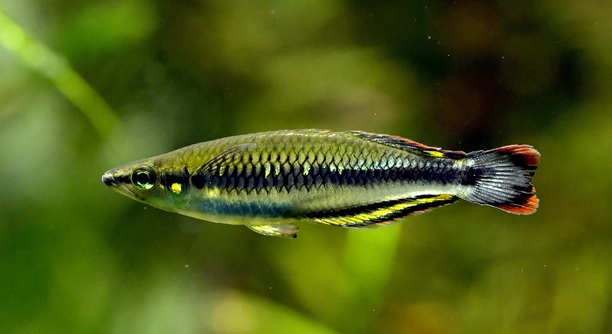
Many aquarium owners enjoy adding decorations to their tanks, but it is easy to make small mistakes that affect the comfort and safety of aquatic pets, creating problems that are often simple to prevent overall.
The main mistakes with tank decorations involve using unsafe materials, overcrowding the space, blocking filtration, and placing items that stress aquatic animals. Proper selection, placement, and maintenance ensure safer conditions and reduce the likelihood of behavioral and health issues overall.
Knowing these common mistakes helps you create a safer tank environment for your aquatic pets, offering guidance that improves care.
Using Unsafe Materials in the Tank
Many people place decorations in their tanks without realizing how certain materials can break down over time, releasing substances that stress aquatic pets. Paints can flake, metals can rust, and untreated woods can swell or rot, affecting the balance of the water. When I first started setting up aquariums, I learned quickly that not every cute ornament on the shelf belongs in a tank. Fish and other aquatic animals are sensitive to changes in their environment, so even a small amount of leaching can cause issues. Choosing decorations made specifically for aquariums helps keep the water stable and reduces the risk of accidental harm. It also makes maintenance easier, since certified materials hold up better and are less likely to cause unexpected problems after weeks of being submerged. By selecting safe materials from the start, you create a calmer and healthier space for your aquatic pets.
Selecting tank decorations labeled as aquarium safe protects your pets, keeps water parameters steady, and prevents long term issues that come from materials breaking down or causing chemical changes.
Safe decorations help maintain water quality, reduce hidden risks, and support a healthier environment. With the right materials, your tank stays more stable, and your aquatic pets stay comfortable for longer periods of time.
Overcrowding the Tank
Placing too many decorations in a tank limits swimming space, interrupts natural behavior, and makes routine cleaning harder than it needs to be.
Overcrowding decorations can make a tank feel tight and overwhelming for aquatic pets, especially species that enjoy open areas for swimming or need clear paths to move comfortably. When too many items compete for space, water flow becomes restricted, and debris gathers in areas that are hard to reach. This buildup affects filtration and increases the effort needed during cleaning. Giving your tank a more open layout not only helps your pets move freely but also keeps maintenance more manageable. A balanced arrangement lets you include interesting items while still protecting water clarity and circulation. Creating a layout with fewer decorations, placed thoughtfully, gives your aquatic pets room to breathe and keeps the tank healthier over time.
Blocking Filtration and Water Flow
Blocking filtration with large or poorly placed decorations reduces circulation and creates pockets where debris collects, which slowly affects water quality and stresses aquatic pets that rely on stable conditions to stay healthy and active in their environment.
When decorations sit too close to the filter intake or outflow, water movement becomes uneven, allowing waste to settle in hidden areas. I learned this the hard way when my own tank started developing cloudy spots even though I cleaned it regularly. Proper spacing keeps the filter working the way it should and prevents stagnant areas from forming. Leaving enough open space around equipment also helps maintain consistent water movement, supporting oxygen levels and improving overall tank stability.
A tank with clear water pathways stays cleaner and feels calmer for your aquatic pets. Good flow keeps fine particles from settling, reduces dead spots, and helps biological filtration work more efficiently. With thoughtful placement, you avoid unnecessary problems while keeping the tank comfortable and easier to maintain.
Sharp or Rough Decorations
Sharp or rough decorations can injure aquatic pets, especially species with delicate fins or soft bodies. Even small edges can cause repeated scraping, which leads to stress, infections, and slower healing. Choosing smooth, pet safe items reduces preventable damage.
Some decorations look appealing but hide tiny edges that create trouble once placed in the tank. I once had a fish tear its fin on a rough surface, and it reminded me how important texture truly is. Checking each piece carefully before adding it to the tank prevents cuts and irritation. Running your fingers along the surface helps you spot anything risky. Smooth decorations also collect less debris and are easier to clean, which keeps maintenance simple. By paying attention to texture, you create a safer space that supports your aquatic pets comfort and long term well being.
Decorations That Trap Debris
Decorations with deep grooves or hollow spaces can trap debris, making cleaning harder and affecting water clarity over time. Waste that settles in these spots breaks down slowly, creating small areas of instability that influence water quality more than many people realize.
Regular maintenance becomes more difficult when debris collects in hidden spaces, and it can lead to unexpected spikes in ammonia or cloudy water. Choosing simpler designs or rinsing detailed pieces more often keeps the tank healthier and reduces the chance of buildup becoming a long term issue.
Placing Items Too Close to the Glass
When decorations sit too close to the glass, they limit your ability to clean the sides properly and create tight areas that trap algae. I learned early on that leaving a comfortable gap makes routine scrubbing easier and prevents grime from forming in hard to reach spots.
Distracting or Overly Bright Decorations
Bright or overly flashy decorations can overwhelm aquatic pets and disrupt their sense of comfort. Soft colors and calmer designs make the space feel more natural and reduce stress for sensitive species, helping them settle in more easily.
What types of decorations are safest for my tank?
The safest decorations are those labeled specifically for aquarium use. These include smooth plastics, polished stones, ceramic ornaments, and untreated driftwood designed for water environments. I learned to avoid common household items, as paints, metals, or treated wood can leach chemicals into the water. Smooth surfaces reduce the chance of injury and make cleaning simpler. Choosing items meant for aquariums helps maintain water stability and ensures a safer environment for all your aquatic pets.
How do I know if a decoration is too big for my tank?
A decoration is too big if it limits swimming space or blocks filtration. In my early tanks, I added large rocks that looked attractive but made the fish hesitant to move freely. A good rule is to leave at least half of the tank open for swimming. Consider the adult size of your fish and how they naturally move. Proper spacing improves water flow, keeps debris from accumulating, and helps pets feel comfortable in their environment.
Can rough surfaces hurt my fish?
Yes, rough surfaces can easily tear fins or damage delicate skin. I once placed a decoration with sharp edges that caused fin splits and stress for my fish. Running your fingers over decorations before adding them helps identify unsafe spots. Smooth, polished surfaces are safer and prevent accidental injuries. Regular inspection is also helpful, as some materials may erode over time and create rough spots. Preventing minor cuts keeps fish healthier and reduces the risk of infections.
How often should I clean tank decorations?
Cleaning frequency depends on decoration type and tank conditions. I usually rinse decorations every two to four weeks, using tank water to avoid killing beneficial bacteria. Decorations that trap debris or have many grooves may need more frequent attention. Avoid using soap or chemicals, as residues can harm aquatic pets. Proper cleaning prevents algae buildup, reduces trapped waste, and keeps the tank visually appealing while supporting a healthier environment for fish and other inhabitants.
Are fake plants better than real plants?
Fake plants can be easier to maintain, but they should be soft and aquarium safe. In my experience, stiff plastic plants can sometimes tear fins. Real plants provide natural filtration and oxygenation, but require proper lighting and nutrients. The choice depends on your pets’ needs and your maintenance routine. Soft, smooth fake plants offer low risk, while real plants offer more natural benefits if cared for correctly. Both options have advantages when chosen with attention to safety and water health.
Can decorations affect water chemistry?
Yes, certain materials can alter pH, hardness, or release toxins. I once added a decorative stone that gradually increased hardness, causing stress for my fish. Using certified aquarium-safe materials prevents unwanted chemical changes. Regular monitoring of water parameters ensures decorations do not negatively influence water chemistry. This is especially important in smaller tanks, where even minor changes can have a big impact. Proper selection and testing maintain a stable and safe environment.
How do I avoid overcrowding my tank?
Overcrowding decorations reduces swimming space and makes cleaning harder. I used to fill tanks with too many items, which limited fish movement. Plan a layout with open areas, spacing items evenly. Prioritize key pieces that provide hiding spots without blocking circulation. Maintaining a balance between aesthetics and space ensures pets remain active, reduces stress, and simplifies maintenance tasks over time.
What is the best way to check for sharp edges?
Run your fingers along every surface of a decoration before adding it to the tank. I also inspect decorations periodically for wear, as rough spots can develop over time. Smooth textures prevent cuts and irritation. Some edges can be sanded down if needed, but replacing unsafe decorations is often safer. Regular checks help keep pets injury-free and comfortable in their environment.
Can decorations hide harmful debris?
Yes, deep grooves, caves, or hollow ornaments can trap waste. I’ve had situations where debris collected in hidden areas, leading to ammonia spikes despite regular water changes. Simplifying decoration design or performing thorough rinses regularly prevents buildup. Keeping decorations easy to clean ensures better water quality and reduces stress for your aquatic pets.
How do I balance aesthetics with safety?
Select decorations that are visually appealing yet smooth, stable, and appropriately sized. I’ve learned to prioritize safety over looks while still creating an attractive tank. Using fewer, carefully placed items allows natural swimming space while maintaining visual interest. Balancing safety and design supports healthier fish behavior and easier tank maintenance, giving pets a more comfortable and stable home.
Decorating a tank can be exciting, but it requires careful planning to ensure the safety and comfort of aquatic pets. Many people focus on aesthetics and overlook how decorations affect swimming space, water flow, and the overall health of the tank. When I first set up my own aquarium, I realized quickly that even small mistakes, like placing a sharp ornament or overcrowding the tank, could create unnecessary stress for the fish. Paying attention to details like material, size, and placement helps prevent problems before they start. Choosing smooth, certified decorations and leaving enough open space allows your pets to move freely and reduces the chance of injury. It also makes cleaning and maintenance much easier over time. A well-thought-out tank layout can balance beauty with practicality, creating an environment that is both safe and visually appealing.
Maintenance is another important factor that is often overlooked. Decorations that trap debris or block filtration can affect water quality more than most people realize. When I neglected proper spacing around ornaments in my early tanks, I noticed cloudy water and an increase in algae growth, which made routine cleaning more difficult. Simple habits like rinsing decorations regularly, inspecting for sharp edges, and spacing items properly prevent hidden problems from becoming bigger issues. Even minor adjustments, such as removing a large ornament or swapping a rough-textured decoration for a smoother one, can significantly improve the living conditions for aquatic pets. Keeping water parameters stable is essential, and decorations play a larger role in this than many beginners assume. By prioritizing safety and function, your tank remains cleaner, healthier, and more enjoyable for both you and your pets.
Decorations are more than just visual accents—they influence the behavior, health, and comfort of aquatic animals. When I first started, I underestimated how much fish notice their surroundings. Bright, overly flashy items can cause stress, while cramped or poorly arranged decorations limit movement and natural behavior. Choosing items with smooth surfaces, neutral colors, and thoughtful placement creates a calm, safe environment. At the same time, paying attention to the size of the tank and the needs of your species ensures that every decoration adds value rather than risk. A well-planned approach makes the aquarium easier to maintain and enhances the quality of life for your aquatic pets. In the end, thoughtful decoration selection and placement help you enjoy a beautiful tank while keeping your pets healthy, comfortable, and stress-free.

Hello,
If you enjoy the content that we create, please consider saying a "Thank You!" by leaving a tip.
Every little bit helps us continue crafting quality advice that supports the health, happiness, and well-being of pets around the world, for pets of all shapes, sizes, and species.
We really appreciate the kindness and support that you show us!