
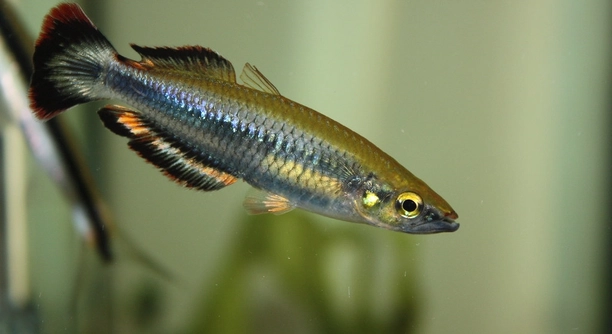
Rainbowfish are small, colorful freshwater fish that brighten home aquariums. They are active swimmers, often moving in groups, and exhibit behaviors that suggest they can interact with one another in interesting ways. Their social nature is noticeable.
Research indicates that rainbowfish are capable of learning from each other through observation and imitation. By watching the actions of their peers, they can acquire new behaviors, improve foraging efficiency, and respond more effectively to environmental changes in their habitat.
Observing how these fish interact offers valuable insights into their social intelligence and daily behaviors within the aquarium environment. Understanding this can enhance care and improve their overall well-being.
Social Learning in Rainbowfish
Rainbowfish demonstrate social learning through observing the behaviors of others in their group. When one fish discovers a food source, others quickly notice and follow, often replicating the actions that led to success. This process allows them to adapt more efficiently than relying solely on individual trial and error. In aquariums, this can be seen when a few fish begin exploring a new decoration or hiding spot, and others soon imitate the behavior. Social learning also extends to avoidance of threats. If one fish reacts to a perceived danger, such as a sudden movement or shadow, others pick up on the cues and respond appropriately. These behaviors suggest that rainbowfish have a level of intelligence that supports group survival. Observing these interactions not only makes caring for them more engaging but also highlights the importance of maintaining a suitable environment where they can interact naturally.
This learning style helps rainbowfish thrive collectively, increasing their chances of finding food and avoiding stress.
Providing a stimulating environment with objects, plants, and space encourages natural learning behaviors. By watching one another, rainbowfish develop better navigation skills and social awareness, which strengthens the cohesion of the school. Regular observation allows caretakers to identify patterns in behavior and ensure that all fish are healthy and engaged. Ensuring a varied diet, gentle water currents, and safe hiding spots further promotes social learning. Over time, even shy or less active individuals begin participating, reflecting the adaptability of the species. Maintaining stable water conditions, temperature, and light cycles is also crucial, as sudden changes can hinder social learning and increase stress. Encouraging these interactions enhances the aquarium environment and supports the physical and psychological well-being of each fish. Careful attention to group dynamics ensures a harmonious aquarium where rainbowfish can naturally exhibit their learning abilities.
Observational Benefits for Aquarium Care
Watching rainbowfish observe each other can improve how you manage their habitat.
By understanding their interactions, caretakers can design feeding routines and environments that encourage positive behaviors. Observational learning helps reduce competition for food and stress among the group, as fish adapt to shared spaces and routines. It also reveals individual personalities and tendencies, allowing more tailored care. Adjusting tank layout, adding hiding spaces, or introducing enrichment can directly impact the efficiency of learning within the school. Monitoring these behaviors over time highlights which fish are more influential in teaching others, as certain individuals naturally lead group activities. These insights support better feeding practices and environmental adjustments, ultimately fostering healthier and more active fish. Observational awareness allows for proactive care, preventing issues before they escalate. When rainbowfish can watch and learn from each other, their social cohesion improves, creating a more balanced and dynamic aquarium ecosystem that benefits both the fish and their caretaker.
Teaching Through Imitation
Rainbowfish often copy the actions of their peers, especially when exploring new areas or finding food. This imitation helps them learn faster and reduces mistakes. Observing one another creates a subtle guidance system that supports the group’s survival and efficiency within the tank environment.
Imitation allows rainbowfish to acquire skills without direct trial and error. When a fish discovers a safe spot or a hidden food source, others quickly replicate the behavior, reinforcing social cohesion. This learning process helps shy individuals gain confidence, as they see the steps already tested by their peers. Over time, these patterns become routine, making the group more coordinated in daily activities. The shared experiences enhance their overall adaptability.
Social imitation also extends to responses to threats. A sudden disturbance triggers a reaction that others observe and follow, helping the group respond collectively. This reduces panic and promotes a stable environment. The behaviors observed are often subtle, such as slight changes in swimming direction or positioning. Over repeated observations, rainbowfish develop a stronger understanding of their surroundings. These interactions create a dynamic learning network where each fish benefits from the experiences of others, increasing their chances of thriving in the tank.
Environmental Influence on Learning
Tank setup plays a crucial role in how rainbowfish learn from one another. Proper space and hiding spots encourage exploration and interaction.
A well-structured environment promotes observation and imitation. When tanks include plants, decorations, and varying depths, rainbowfish have opportunities to discover and practice behaviors safely. Group dynamics improve as fish navigate obstacles, share resources, and respond to each other’s actions. A stimulating habitat also prevents boredom, which can hinder learning. Variations in water flow, lighting, and substrate provide sensory experiences that enrich the learning process. Fish that see others engaging with their environment are more likely to participate and develop essential survival skills.
Careful design of the tank maximizes these learning opportunities. Positioning feeding areas strategically encourages social observation, while ensuring enough hiding spots reduces stress and competition. Incorporating gentle currents allows fish to practice swimming coordination, mimicking natural conditions that enhance observational learning. Consistent water quality and temperature stability are essential, as stress can limit the effectiveness of learning. By observing interactions and making incremental adjustments, caretakers can foster a space where rainbowfish naturally learn from one another, developing both confidence and social skills. Environmental enrichment strengthens their ability to adapt to challenges, creating a harmonious, interactive group within the aquarium.
Learning Through Play
Rainbowfish engage in playful behavior that contributes to their learning. Chasing, darting, and exploring new objects allow them to practice coordination and social interactions, which strengthens their ability to observe and imitate peers effectively.
Play also reduces stress, making learning more efficient. Fish that feel secure are more likely to interact and try new behaviors. Observing others during playful moments encourages shy or hesitant individuals to participate. The combination of movement, curiosity, and interaction creates natural learning opportunities, reinforcing social bonds within the group.
Influence of Group Size
Group size affects how effectively rainbowfish learn from each other. Smaller groups may limit observation opportunities, while larger groups increase chances of imitation.
In larger schools, individuals have multiple models to observe, which accelerates learning. Fish can see a variety of approaches to finding food, navigating spaces, or avoiding stressors. Different personalities within the group also create a dynamic learning environment, allowing less confident fish to adopt strategies from more experienced ones. Maintaining a balanced group ensures that each fish benefits from observation without overwhelming the tank. Careful attention to group size enhances social learning and promotes a healthier, more active aquarium environment.
Feeding Behavior and Observation
Rainbowfish often learn feeding patterns by watching others. They quickly notice where and how food is delivered and replicate the behavior, improving their foraging efficiency.
Stress and Its Effect on Learning
High stress levels can reduce observational learning. Calm, stable environments encourage rainbowfish to interact and imitate effectively, reinforcing positive social behaviors.
How do rainbowfish learn from each other?
Rainbowfish learn primarily through observation and imitation. When one fish discovers a food source, explores a new area, or reacts to a change in the environment, other fish notice and often replicate these behaviors. This process allows individuals to acquire skills and adapt without relying solely on trial and error. Social learning is especially effective in tasks like locating food, navigating decorations, and responding to potential threats. By observing the movements, reactions, and choices of their peers, rainbowfish can adjust their behavior quickly. Over time, repeated observation strengthens their ability to interpret signals from others and anticipate actions, creating a more cohesive group dynamic. This learning process also helps shy or less active individuals gain confidence, as they have models to follow. In a well-maintained aquarium, these behaviors are easy to observe, highlighting the intelligence and adaptability of rainbowfish.
Can all rainbowfish learn equally from each other?
Not all individuals learn at the same pace. Personality, confidence, and previous experiences influence how effectively a fish observes and imitates others. Some fish naturally take the lead in exploring or interacting with new objects, while others prefer to wait and observe. Less assertive fish may rely heavily on dominant individuals for cues, which still allows them to learn but at a slower rate. Group composition, including age and size differences, also affects learning efficiency. Younger fish often imitate older, more experienced fish, while a balanced mix of personalities creates opportunities for everyone to observe a range of behaviors. Environmental stability further impacts learning; a calm, enriched environment encourages participation, whereas stress or overcrowding can reduce observation and imitation. Overall, rainbowfish learning is influenced by individual traits, social dynamics, and habitat conditions, with each fish contributing differently to the group’s shared knowledge.
Does tank setup affect their learning?
Yes, the environment plays a significant role in rainbowfish social learning. A well-structured tank with plants, decorations, and varying levels encourages exploration and observation. Fish can watch others navigate obstacles, find hiding spots, and locate food more efficiently. Open areas allow for swimming freely and observing peers, while hiding spots reduce stress and give shy fish the confidence to participate. Lighting, water flow, and substrate variations add sensory experiences that enhance learning. A stimulating setup encourages social interaction, whereas a bare or overcrowded tank limits opportunities for imitation. Regular observation of how fish interact with the environment can guide adjustments, ensuring all individuals benefit. Thoughtful tank design not only supports learning but also contributes to overall health, social cohesion, and active engagement within the group.
How does feeding influence learning?
Rainbowfish often learn feeding behaviors by watching others. When one fish discovers food, others notice the location and timing, quickly replicating the behavior. Observing peers reduces mistakes and increases foraging efficiency. Feeding routines, such as timing and delivery method, create predictable opportunities for social learning. Strategic placement of food encourages interaction and imitation without increasing stress or competition. Different types of food, such as flakes, pellets, or live options, provide varied learning experiences, helping fish adapt to different textures and methods of consumption. Over time, fish develop coordinated feeding behaviors, often following a hierarchy or pattern observed within the group. Feeding is not just about nutrition; it reinforces observation, imitation, and group cohesion.
Can stress affect their ability to learn from each other?
Stress significantly impacts observational learning in rainbowfish. High stress, caused by overcrowding, sudden changes in water conditions, or aggressive tankmates, reduces interaction and imitation. Fish under stress are more likely to hide or focus on survival behaviors, limiting opportunities to observe peers. Calm and stable conditions support confidence, making fish more willing to engage and replicate actions. Environmental enrichment, consistent water quality, and a balanced group size all help reduce stress, improving learning efficiency. Stress reduction also enhances physical health, allowing fish to participate fully in social learning. Observing and addressing stress signs ensures rainbowfish can take advantage of natural opportunities to learn from each other.
Do rainbowfish teach each other anything specific?
Rainbowfish do not teach in a conscious sense but influence peers through their actions. Dominant or confident individuals often demonstrate behaviors like exploring new areas, finding food, or responding to minor threats. Observers replicate these actions, gaining practical knowledge without direct instruction. This indirect teaching ensures the group adapts collectively. Shy or less experienced fish benefit from watching others, gradually gaining confidence and skills. Over time, patterns of behavior emerge, including coordinated swimming, shared feeding strategies, and efficient use of hiding spots. Although not intentional, these interactions function as a learning network, allowing rainbowfish to transmit practical knowledge throughout the group.
How can caretakers support learning in rainbowfish?
Caretakers can enhance learning by maintaining a calm, enriched environment. Providing plants, decorations, and varying spaces encourages exploration and observation. Consistent feeding routines and safe hiding spots reduce stress and increase participation. Monitoring group dynamics allows interventions if some fish dominate or others remain passive. Maintaining water quality, temperature stability, and gentle currents ensures fish remain healthy and able to engage. Encouraging social interactions through varied enrichment and strategic feeding helps all individuals observe and imitate peers effectively. A thoughtful approach to tank design and care allows rainbowfish to maximize social learning, improving their confidence, activity levels, and overall well-being within the aquarium.
Can observing their learning reveal individual personalities?
Yes, watching rainbowfish interact and imitate highlights distinct personalities. Some fish are naturally bold, exploring new objects first, while others are cautious and prefer observation before acting. These differences influence learning speed and social dynamics. Dominant individuals often lead, while passive fish rely on observation to acquire behaviors. Over time, patterns emerge, revealing tendencies such as curiosity, caution, or leadership. These insights help caretakers understand group interactions, adjust tank setups, and provide targeted enrichment. Observing personalities also ensures that all fish have opportunities to engage, promoting balanced social learning and a harmonious aquarium environment where each individual can thrive.
Rainbowfish are fascinating creatures that show more than just vibrant colors and active swimming. Their ability to learn from each other demonstrates a level of social intelligence that is often overlooked in small aquarium fish. By observing and imitating peers, rainbowfish can acquire important skills for survival, such as locating food, avoiding stressors, and exploring their environment efficiently. This type of learning is not limited to a single fish; it spreads throughout the group, creating a dynamic network of knowledge and behavior. Watching these interactions can be both engaging and informative for caretakers, as it offers insight into how individual fish adapt and respond to their surroundings. The process is gradual and subtle, but it is clear that social observation plays a crucial role in the development of confidence and coordination among rainbowfish.
Providing a supportive environment is key to fostering this learning. Tanks with varied decorations, plants, and open spaces encourage exploration and interaction. Feeding routines, hiding spots, and gentle water currents all contribute to conditions that reduce stress and promote engagement. Stress can limit observational learning, so maintaining stable water parameters and avoiding sudden changes is essential. Larger groups often increase opportunities for imitation, as fish have more models to observe, but group size should be balanced to prevent overcrowding. By paying attention to these factors, caretakers can create a habitat where rainbowfish are able to interact freely and learn naturally from one another. Observing the behaviors of more confident fish can guide shyer individuals, helping them gradually participate and gain new skills without feeling threatened or overwhelmed.
The ability of rainbowfish to learn socially is an important aspect of their behavior that enhances both their survival and well-being in captivity. Social learning contributes to stronger group cohesion, more efficient feeding, and better adaptation to environmental changes. It also allows caretakers to notice differences in individual personalities, revealing which fish are leaders, observers, or more cautious. By supporting these behaviors through careful tank management and thoughtful environmental enrichment, caretakers can ensure that rainbowfish not only survive but thrive. Recognizing the role of observation and imitation in their daily life deepens our understanding of these fish and highlights the importance of providing opportunities for natural interactions. Supporting social learning contributes to healthier, more active, and more confident fish, ultimately creating a more balanced and harmonious aquarium environment for both the fish and the caretaker.

Hello,
If you enjoy the content that we create, please consider saying a "Thank You!" by leaving a tip.
Every little bit helps us continue crafting quality advice that supports the health, happiness, and well-being of pets around the world, for pets of all shapes, sizes, and species.
We really appreciate the kindness and support that you show us!