
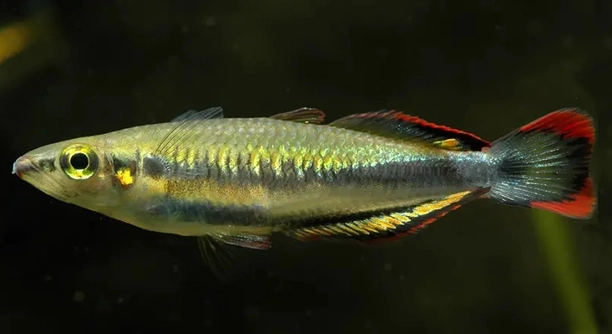
Are your rainbowfish showing unusual sluggishness that disrupts their bright and active nature, creating a sense of concern as you try to understand what may be affecting their usual energy and daily swimming patterns in the aquarium.
Lethargy in rainbowfish is commonly caused by stress, poor water quality, nutritional deficiencies, parasites, infections, temperature fluctuations, and tank overcrowding. These factors disrupt their normal behavior, weaken their immune system, and reduce overall vitality, leading to noticeable decreases in movement and engagement.
Understanding these causes will help you support healthier habits and restore the natural sparkle your rainbowfish bring to their aquatic environment.
Common Stress Factors
Stress is one of the most frequent reasons rainbowfish slow down, and it often appears gradually in their behavior. Rapid changes in water conditions, limited hiding spots, and too much activity around the tank can leave them unsettled. Poor water quality, especially high ammonia or nitrite levels, weakens their ability to stay active. An overcrowded tank also affects their comfort, because they rely on open swimming space to maintain good health. When these factors build up, their energy drops and they may spend more time hovering in one area. I have learned that small adjustments often make a meaningful difference. Simple improvements like stable lighting, cleaner water, and a balanced layout encourage their natural movement and help them return to a calmer, healthier rhythm.
Keeping stress low starts with consistent maintenance and gentle changes to their environment. Stable water parameters, slow acclimation to new conditions, and thoughtful placement of plants or decorations create a comforting space. These steps make it easier for rainbowfish to regain confidence and remain active throughout the day.
Creating a supportive space becomes easier once you understand how sensitive rainbowfish are to their surroundings. They respond well to steady routines, clean water, and predictable lighting. Adding a variety of plants provides shelter without restricting movement, which helps them feel protected while still enjoying open areas. When their habitat feels safe, their colors brighten and their swimming patterns become smoother. I have noticed that even small positive changes can make their confidence return quickly. Maintaining this balance helps reduce the risk of recurring stress and supports their long term health. A stable, calm tank truly brings out their best behavior.
Health Issues to Consider
Some rainbowfish slow down because of underlying health concerns such as parasites, bacterial infections, or nutritional gaps. These conditions often develop quietly, making early observation important. Spotting changes in appetite, coloration, or swimming style helps you respond sooner and protect their overall well-being.
Parasites are a common cause of lethargy, especially when rainbowfish share space with new tank mates that were not quarantined. Internal parasites can affect digestion and weaken their ability to swim steadily, while external parasites irritate the skin and cause noticeable discomfort. Bacterial infections also contribute to sluggish behavior, particularly when water conditions are unstable or fluctuating. Symptoms like pale patches, cloudy eyes, or ragged fins indicate that the fish needs prompt attention. Nutritional deficiencies can be equally impactful, and rainbowfish require a varied diet to maintain energy. Feeding only one type of food often leads to imbalances that reduce vitality over time. Offering high quality flakes, live foods, and plant based items supports healthier movement and stronger immune function. I have seen how consistent care and careful monitoring bring positive results, especially when changes are made before symptoms progress. Addressing health concerns early creates a safer environment and keeps rainbowfish active, bright, and comfortable in their tank. This commitment helps prevent recurring problems and encourages steady, confident swimming that reflects their natural behavior.
Environmental Changes
Sudden environmental changes often cause rainbowfish to slow down, especially when temperature or pH shifts happen too quickly. These fish rely on stability to stay active, and even small fluctuations can influence their comfort. I’ve noticed that keeping conditions steady helps them regain their usual energy.
Maintaining a stable environment requires consistent monitoring and gentle adjustments. Temperature swings, sudden water changes, or shifts in lighting can disrupt their behavior. When I keep changes gradual, they respond with smoother movement and brighter colors. Regular testing, slow acclimation, and matching new water to existing tank conditions help prevent unnecessary stress and support healthier habits.
Environmental consistency also reduces the risk of long term issues. Rainbowfish thrive when their surroundings feel predictable, so avoiding abrupt changes is important. I’ve found that creating a routine for cleaning, feeding, and lighting helps them stay active and confident. The more stable their tank remains, the more likely they are to maintain steady behavior.
Dietary Concerns
Feeding issues can lead to lethargy when rainbowfish don’t receive enough variety or nutrients. A limited diet affects their immune system, coloration, and daily movement. I’ve seen how quickly their behavior improves when their meals offer balance and enrichment for better overall health.
A well rounded diet keeps rainbowfish energetic and resilient. High quality flakes or pellets form a solid base, but adding live or frozen foods supports stronger nutrition. I like including options like brine shrimp, daphnia, and spirulina to improve both activity and color vibrancy. Overfeeding is another concern since leftover food harms water quality, which then affects their behavior. Feeding small portions prevents buildup and keeps their environment healthier. A varied diet encourages natural movement, brightens their appearance, and strengthens their ability to stay active.
Water Quality Issues
Poor water quality often slows rainbowfish, especially when ammonia or nitrite levels rise. Even small increases affect their comfort and movement. I’ve seen them become noticeably quieter when the water is not maintained well, showing how important regular testing and stable conditions are for their daily behavior in the tank.
Consistent upkeep keeps them active by preventing harmful changes from building up. I try to perform small water changes regularly, which helps them stay comfortable. Clean filters, steady pH, and proper dechlorination all support smoother swimming patterns and reduce the chance of dull, sluggish behavior from developing in their tank.
Tank Overcrowding
Overcrowding affects rainbowfish by limiting their space and disrupting their natural movement. When too many fish share a tank, they compete for territory and become more stressed, which often leads to slower swimming and reduced interest in daily activity. I’ve noticed that Rainbowfish behave more confidently when they have open areas to explore. Adequate spacing also helps maintain cleaner water since waste builds up faster in crowded setups. Providing enough room, adding plants for separation, and keeping stocking levels reasonable all support healthier behavior. A spacious tank encourages steadier movement, brighter coloration, and a more relaxed attitude in their routine.
Aging and Natural Slowdowns
Older rainbowfish often move more slowly as their metabolism changes and their energy levels shift. I’ve seen this gradual change appear even in stable tanks with good care. Gentle routines, steady feeding, and calm surroundings help aging fish stay comfortable without placing extra strain on their daily behavior in water.
FAQ
What causes rainbowfish to become less active even when the tank looks clean?
Rainbowfish can still slow down in a clean looking tank because water quality issues are not always visible. Ammonia or nitrite might rise without cloudiness, and even slight changes affect their comfort. I’ve learned to rely on regular testing instead of visual cues alone. Subtle shifts in pH or temperature also influence their behavior, especially if they happen quickly. Even stress from lighting changes or nearby noise can contribute to their slowdown. Clean water is important, but stability matters just as much when it comes to keeping rainbowfish active and comfortable.
How often should water be tested to prevent lethargy?
Testing the water once or twice a week helps catch problems early. I prefer using liquid test kits because they offer clearer readings. Regular testing helps maintain stable conditions, preventing surprise spikes that affect energy. When tests show consistent results, rainbowfish usually display smoother swimming patterns. This routine makes it easier to adjust small issues before they influence behavior. It also helps avoid stressful surprises that build up when testing is done too infrequently. Staying consistent with testing gives rainbowfish a safer, more predictable environment.
Can diet alone cause lethargy in rainbowfish?
Diet plays a bigger role than many expect. If rainbowfish eat the same food daily, they miss essential nutrients. I’ve seen their movement improve quickly with more variety. Live or frozen foods often boost energy, while plant based items support balance. When their diet lacks variation, their immune system weakens and activity drops. Even high quality flakes lose impact if fed alone for too long. Offering a mix of foods keeps them bright, responsive, and more active throughout the day. Proper nutrition helps them maintain strength and consistent behavior.
Do rainbowfish stop swimming as much when they age?
Age naturally brings slower movement. Older rainbowfish often prefer calmer swimming and longer rest periods. I’ve noticed this shift appears gradually, not suddenly. As they age, a stable environment helps reduce stress on their bodies. Gentle lighting, predictable feeding, and peaceful tankmates make a difference. Their colors may soften slightly, and they might avoid fast moving areas. These changes are normal, and as long as they continue eating and responding to their surroundings, slower movement is simply part of aging.
Can overcrowding really make rainbowfish lethargic?
Yes, overcrowding affects their behavior quickly. Rainbowfish need space to swim freely, and when too many fish share a tank, they become stressed. I’ve seen them gather in corners or stay still longer when there is not enough room. Crowding also leads to faster waste buildup, which affects water quality. Even if the tank appears lively, individuals may feel overwhelmed. Reducing the population or expanding the tank often brings immediate improvements. Space helps them feel secure, explore more, and express natural movement.
How quickly do rainbowfish recover after stress?
Recovery depends on the cause, but they often improve within days when conditions stabilize. Clean water, gradual adjustments, and reduced activity around the tank help them regain comfort. I try to keep changes gentle because rainbowfish respond best to slow shifts, not sudden corrections. When their environment feels predictable again, their behavior usually returns to normal. Their colors brighten, and they resume smoother swimming patterns. Patience and consistency make recovery easier and prevent the stress from returning.
Are temperature changes a common trigger for sluggish behavior?
Temperature shifts influence rainbowfish quickly. Even a few degrees can affect their metabolism and mood. I’ve seen them slow down after an unexpected drop or rise, especially during sudden water changes. Using a reliable heater and matching new water to the tank temperature helps prevent this issue. Keeping the temperature steady encourages active behavior and reduces stress. A stable range supports long term health and makes their movement more consistent.
Should new fish be quarantined to prevent lethargy in the main tank?
Quarantining new fish helps protect the entire tank. Parasites or infections often spread quietly, and rainbowfish react with slower movement when exposed. A separate tank gives time to observe any symptoms before introducing newcomers. I’ve found this step reduces risk and keeps the main group healthier. Quarantine also allows new fish to adjust to stable water conditions before joining others. This simple precaution prevents many problems that lead to decreased activity.
How can lighting affect their behavior?
Lighting influences rainbowfish more than many expect. Too much brightness stresses them, and inconsistent schedules confuse their natural rhythm. I prefer soft, steady lighting on a timer, which helps maintain routine. When lighting changes abruptly, they often retreat or become less active. A predictable cycle supports calm behavior and keeps them comfortable. Proper lighting also helps their colors appear richer, reflecting their overall well-being.
Can rainbowfish become lethargic after being moved to a new tank?
Yes, moving to a new tank is stressful, even with good conditions. They need time to adjust to different layouts, water chemistry, and surroundings. I’ve seen them move slowly for several days after relocation. Offering stable water parameters and gentle lighting helps them settle in. Gradually introducing tankmates also reduces stress. Once they feel secure, their activity level usually increases. This adjustment period is normal and improves with patience and calm handling.
Final Thoughts
Caring for rainbowfish becomes easier once you understand how sensitive they are to their surroundings. Their energy, colors, and swimming patterns all reflect what is happening in their environment, so even small changes can influence how they behave. I’ve learned that lethargy is rarely random, and it usually points to something in their care that needs attention. Stable water quality, consistent temperatures, and a stress free space all play important roles in keeping them active. When these needs are met, rainbowfish often respond quickly with brighter colors and smoother movement. Their behavior can shift noticeably with routine care, which makes it easier to see when you are supporting their needs well. A calm and predictable tank helps them feel secure, and this comfort shows in how they explore, interact, and express their natural patterns. Once you start paying close attention to these signs, it becomes simpler to make adjustments that support their well-being.
Addressing potential issues early prevents many long term problems. Water testing, careful feeding, and thoughtful tank management all help create an environment where rainbowfish can thrive. I’ve noticed that consistency matters as much as cleanliness, because sudden changes often create more stress than the issue you’re trying to fix. Slow, steady improvements give them time to adjust and stay comfortable. Offering a balanced diet, maintaining open swimming space, and avoiding overcrowding help them stay energetic and confident. Watching how they respond to these adjustments can guide your care routine, making it easier to understand their needs over time. When Rainbowfish feel supported, their natural behavior becomes more noticeable, and they show a calm, steady presence in the tank. This makes caring for them feel more rewarding, especially when you see them moving gracefully and displaying brighter colors in response to your efforts.
Taking the time to understand the reasons behind lethargy strengthens your connection to your aquarium. It helps you see the tank as a living system where every detail matters, from lighting and water circulation to feeding habits and tank layout. I’ve found that the more attention you give to these areas, the more confident you become in recognizing changes before they turn into larger concerns. Caring for rainbowfish encourages patience, consistency, and gentle observation, all of which make the experience feel more fulfilling. When you create a space that meets their needs, they return the effort with calmer behavior, healthier movement, and a more vibrant presence in the tank. By staying attentive and supportive, you give your rainbowfish the conditions they need to remain active and comfortable, allowing them to continue bringing beauty and life to their aquatic home.

Hello,
If you enjoy the content that we create, please consider saying a "Thank You!" by leaving a tip.
Every little bit helps us continue crafting quality advice that supports the health, happiness, and well-being of pets around the world, for pets of all shapes, sizes, and species.
We really appreciate the kindness and support that you show us!